Sandy Soils - Agriculture Notes
Sandy soil is a highly split granular substance made up of rock and mineral particles. Sand contains a variety of components but is distinguished by its particle size. Sand grains are finer than gravel grains and coarser than silt grains. Sandy soils, which are common in desert environments, warm fast in sunshine and hold less moisture and nutrients than other soil types. This article will explain to you about Sandy soils which will help prepare the Agriculture Syllabus for the UPSC Civil Service exam.
|
Table of Contents |
What is Sandy Soils?
- Sandy soils have a large concentration of sand particles, accounting for more than 68 percent of their mechanical makeup.
- Sandy soil is light, warm, and dry, with an acidic pH and a low nutrient content.
- Sandy soils are often referred to as light soils due to their high proportion of sand and low proportion of clay (clay weighs more than sand).
- They are widespread in drylands, but many humid and subhumid soils are also sandy.
- They may be damp for varying periods in the lowlands and humid regions, and dry in the highlands where moisture retention is poor.
- Sandy soils are inherently deficient in fertility, and even when fertilized and watered, they are incapable of retaining much water and nutrients.
- Natural vegetation in sandy soils is often formed of grasses and woodlands, which may be profitably utilized for a range of grains and vegetables via imaginative and intensive management.
- Sandy soils are among the worst types of soil for growing plants because they have very few nutrients and a limited water-holding capacity, making it difficult for the plant's roots to absorb water.
- This sort of soil is ideal for drainage systems. Sandy soil is often created as a result of the breakdown or fragmentation of rocks such as granite, limestone, and quartz.
- Sandy soils occur in arid, semi-arid and humid rainfall zones of the tropics and from coastal lowlands to high altitudes.
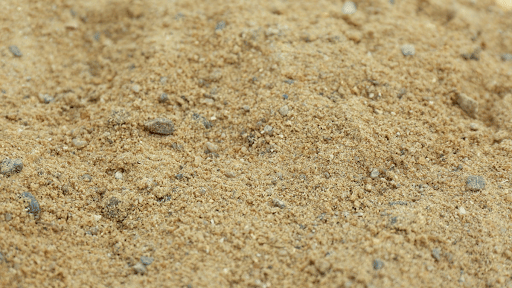
Sandy Soils
|
|
|
|---|---|
| Types of soil | Acid soils |
| Saline soils | Sandy soils |
Benefits of Sandy Soils
- Sandy soils suit plants with robust root systems that thrive in dry, acidic soil.
- Root vegetables have deep plant roots that thrive in sandy soil, such as radishes, beets, and carrots.
- Allium plants, such as onions and chives, suffocate in deep soils and thrive in well-drained, sandy soil conditions.
- Herbs that grow natively in Mediterranean climes, such as thyme and rosemary, are excellent choices for a sandy soil vegetable garden.
Sandy Soils - Uses
- Sandy soil is typically dry, nutrient-rich, and rapidly draining. Plowing, planting, and cultivating are all done with it.
- Potatoes, grams, tomatoes, and other useful vegetables require a certain percentage of soil for a specific period.
- Sandy soil is also ideal for farmers to collect falling nuts.
- Sandy soil drains extremely well. Its purpose is to improve soil drainage. The interesting feature is that in a land with sandy soil, work can be done immediately after rain, even if it is heavy, without difficulty.
- Sandy soil does not become sticky. It lacks cohesion. As a result, it lends itself well to construction. Sandy soil makes an excellent aggregate for concrete.
- Aside from cement, it can also be used as a mortar construction material.
- Sandy soil is also used to build exterior rendering materials. Sandy soil is also ideal for use as filling sand.
- Sandy soil serves as a foundation for structures built on swampy ground. It provides a dependable foundation on which the structure that relies on it can rely more than these built-in other soils.
- It is used to replace soft clays in foundations to improve the soil's bearing capacity.
- Sandy soil begins with a nearly sandy surface, similar to that of beaches. It adds to the beauty of the beach.
- It is also used in gardening and children's playgrounds to provide safety by providing a soothing environment.
- Sandy soil has excellent friction properties. The frictional properties are used in the construction of reinforced soil structures reinforced with geosynthetics.
- The pH level of sandy soil can easily alter the pH level of clay soil. The pH of sandy soil ranges between 7.00 and 8.00.
- Sandy oil is used to slow the flow of water. It also aids in the percolation of the soil and the elevation of the water table.
Management of Sandy Soils
Many of the nutrients and conditions required for some plants are not present in sandy soil. There are various strategies you may apply if you want to make it more productive:
- Add organic soil additives to your sandy soil to improve moisture retention. Some of the greatest organic elements to add to your sandy soil are vermiculite, peat moss, and coconut coir.
- Mulching with grass clippings or wood chips is another approach to enhancing sandy soil. This will improve water retention by reducing evaporation.
- Cover crops, often known as green manure crops, improve soil health by conserving moisture and nutrients.
- Install an irrigation system using drippers: Shallow, frequent waterings are best for sandy soil.
- Install a drip irrigation system to keep sandy soil wet during the growing season.
- Minimum tillage, cover crop maintenance, strip cropping, crop rotations, grazing control, and the establishment of shelter belts and windbreaks are some of the protective measures used to combat sandy soils' high susceptibility to erosion.
Conclusion
Sandy soils drain quickly and are simple to work with. They warm up faster in the spring than clay soils, but they dry out in the summer and suffer from low nutrients that are washed away by rain. Organic matter can help plants get an extra boost of nutrients by improving the soil's nutrient and water-holding capacity.
FAQs
Question. What are sandy soils?
Answer: Sandy soils are soils that consist mostly of sand particles. They are coarse-textured, with larger particles compared to other soil types like clay or silt. Sandy soils drain quickly and have low water retention capacity. They are often light, easy to till, and have poor nutrient-holding ability.
Question. What are the characteristics of sandy soils that affect agricultural practices?
Answer: Sandy soils have several characteristics that influence agricultural practices. They drain water quickly, making them suitable for crops that require good drainage but may require frequent irrigation. However, they have low nutrient-holding capacity, meaning that crops may not receive sufficient nutrients unless fertilizers are applied regularly. Sandy soils also warm up quickly in spring, allowing for early planting, but they can dry out rapidly in hot weather.
Question. What types of crops are best suited for sandy soils?
Answer: Crops that thrive in sandy soils include root vegetables like carrots, potatoes, and radishes, as well as certain fruits like strawberries and melons. These crops benefit from the well-draining nature of sandy soils. Additionally, crops such as tomatoes and lettuce can be grown in sandy soils, provided there is adequate irrigation and nutrient management.
Question. How can sandy soils be improved for better agricultural productivity?
Answer: Sandy soils can be improved by adding organic matter such as compost, manure, or cover crops, which increases their water-holding capacity and nutrient content. Incorporating mulch can help reduce moisture evaporation and prevent soil erosion. Additionally, the use of slow-release fertilizers and regular irrigation can help compensate for the low nutrient retention of sandy soils.
Question. What are the disadvantages of sandy soils for agriculture?
Answer: The main disadvantages of sandy soils are their poor nutrient retention, rapid drainage, and tendency to dry out quickly. These soils often require frequent irrigation and supplemental fertilization. Sandy soils are also more susceptible to wind erosion and may need protection against soil erosion, especially in dry and windy areas.
MCQs
- Sandy soils are best characterized by which of the following?
A) High nutrient retention
B) Poor drainage capacity
C) Coarse texture and rapid drainage
D) High water retention
Answer: (C) See the Explanation
Sandy soils are coarse in texture, allowing for rapid water drainage but poor retention of moisture and nutrients.
- Which of the following crops is most likely to grow well in sandy soils?
A) Rice
B) Tomatoes
C) Wheat
D) Cotton
Answer: (B) See the Explanation
Tomatoes grow well in sandy soils as they require good drainage and warm conditions, which sandy soils provide.
- The primary disadvantage of sandy soils in agriculture is:
A) High fertility
B) Susceptibility to erosion
C) Excessive water retention
D) Lack of oxygen for plant roots
Answer: (B) See the Explanation
Sandy soils are prone to wind erosion, especially in arid regions, and require measures to prevent this.
- Which of the following practices can improve sandy soils for agriculture?
A) Planting drought-resistant crops only
B) Adding organic matter to increase water and nutrient retention
C) Using only chemical fertilizers
D) Avoiding irrigation
Answer: (B) See the Explanation
Organic matter helps improve the water-holding capacity and nutrient retention of sandy soils, making them more suitable for farming.
- What is a key characteristic of sandy soils that affects their use in agriculture?
A) Slow to warm up in spring
B) Poor drainage
C) Low nutrient-holding capacity
D) High water retention
Answer: (C) See the Explanation
Sandy soils have a low nutrient-holding capacity, meaning they require frequent fertilization to support crops.
GS Mains Questions and Model Answers
Q1: Explain the advantages and disadvantages of using sandy soils for agriculture.
Answer: Sandy soils offer several advantages for agriculture, including good drainage, which prevents waterlogging and root diseases. They also warm up quickly in the spring, allowing for early planting of crops. These soils are easy to till, making them favorable for many agricultural practices. However, sandy soils also have notable disadvantages. Their poor water retention means that they can dry out quickly, requiring frequent irrigation. Additionally, they have a low nutrient-holding capacity, meaning crops often need supplemental fertilization. Sandy soils are also more prone to erosion, particularly in dry or windy conditions. To address these challenges, organic matter can be added to increase water retention and nutrient content, improving the soil's productivity.
Q2: How can the productivity of sandy soils be enhanced for agricultural use?
Answer: The productivity of sandy soils can be significantly enhanced by improving their water retention and nutrient-holding capacity. One of the most effective ways to do this is by adding organic matter, such as compost, manure, or cover crops. Organic matter helps retain moisture and provides essential nutrients to plants. Additionally, the application of mulch can reduce water evaporation and prevent soil erosion. To address the low nutrient retention, farmers can apply slow-release fertilizers and implement a regular irrigation schedule. Soil conservation practices, such as windbreaks or the use of cover crops, can help reduce the risk of erosion in sandy soils. By integrating these methods, the productivity of sandy soils can be optimized, enabling successful agriculture.
Q3: Discuss the role of sandy soils in agriculture and how they compare to other soil types like clay and loam.
Answer: Sandy soils play an important role in agriculture due to their ability to drain water quickly, which makes them suitable for crops that require well-drained conditions. They are particularly useful for root crops like carrots, potatoes, and radishes, as well as fruits like melons and strawberries. However, compared to other soil types such as clay and loam, sandy soils have certain limitations. Clay soils retain water and nutrients but can become compacted and poorly drained, while loam soils offer a balanced mixture of sand, silt, and clay, providing good drainage and nutrient retention. Sandy soils, on the other hand, require more frequent irrigation and fertilization due to their poor water retention and low nutrient content. Despite these challenges, sandy soils can be successfully managed with appropriate techniques such as adding organic matter and using mulch to improve their productivity and sustainability in agriculture.
Previous Year Questions on Sandy Soils
1. UPSC CSE - 2020
Question: "Discuss the advantages and disadvantages of sandy soils in agricultural practices."
Answer: Sandy soils are characterized by their coarse texture, which allows for rapid drainage and good air circulation around plant roots. This makes them ideal for crops that require well-drained conditions, such as root vegetables and certain fruits. They also warm up quickly, allowing for early planting. However, sandy soils have significant drawbacks. Their poor nutrient-holding capacity and low water retention mean that crops require frequent irrigation and supplemental fertilization. Additionally, sandy soils are prone to erosion, especially in areas with strong winds or minimal vegetation cover. To overcome these disadvantages, farmers can add organic matter to improve soil structure, enhance water retention, and increase nutrient availability. These practices help optimize the use of sandy soils in agriculture.
2. UPSC CSE - 2019
Question: "How can sandy soils be managed for better agricultural productivity?"
Answer: Managing sandy soils for better agricultural productivity involves improving their water retention and nutrient content. The most effective method is to add organic matter, such as compost, manure, or cover crops, which increases the soil's ability to retain moisture and nutrients. Incorporating mulch can also reduce evaporation and protect the soil from erosion. In addition, applying slow-release fertilizers and ensuring regular irrigation are essential for maintaining soil fertility and meeting the crop's nutrient needs. To prevent wind and water erosion, farmers can use windbreaks or contour farming. By using these strategies, sandy soils can be managed effectively to support sustainable and productive agriculture.
Download the PREPP App and attempt FREE IAS Exam Mock Tests and get complete study material!

Full Test - 04: UPSC CSE Prelims CSAT (Paper-II)
Full Test - 03: UPSC CSE Prelims CSAT (Paper-II)
UPSC CSE Prelims 2026 CSAT Paper 2 Question Paper (24-May-2026)
UPSC CSE Prelims 2026 GS Paper 1 Question Paper (24-May-2026)

17 February 2025 | The Hindu Must Read Articles | Current Affairs

16 February 2026 | The Hindu Must Read Articles | Current Affairs

13 February 2026 | The Hindu Must Read Articles | Current Affairs









Comments