Alkalization - Agriculture Notes
Alkalinization is the process by which the pH rises due to the accumulation of sodium carbonates. Soil alkalinization is a major issue that occurs throughout the world's bioclimatic zones. However, in arid and semiarid locations, dry climate is characterised by scanty rainfall and excessive evaporation, which often accelerates the process of salt deposition on the ground surface. This article will explain to you about Alkalization which will be helpful in preparing the Agriculture Syllabus for the UPSC Civil Service exam.
|
Table of Contents |
What is Alkalization?
- Solonization is another name for alkalization.
- Sodic soils are formed as a result of the accumulation of sodium ions on the exchange complex of the clay (Solonetz).
- All cations in solution are interacting with the exchange sites on the clay and organic matter particles in a reversible reaction.
- The process by which soils with high exchangeable sodium and pH > 8.5 are formed; in often results in formation of sodium carbonate and sodium bicabonate.
- The soil colloids disperse and tend to migrate downward. The dispersion causes the soil's physical condition to deteriorate.
What is Alkali Soil?
- Clay soils with a high pH (>8.5), weak soil structure, and low infiltration capacity are known as alkali or alkaline soils.
- Alkali soils have negative physicochemical qualities due to the predominance of sodium carbonate, which causes the soil to swell and make clarification/settling problematic.
- They get their name from the alkali metal group of elements, which includes sodium and may induce basicity.
- These soils are also referred to as alkaline sodic soils.
- Basic soils are alkaline soils, however not all basic soils are alkaline.
- They are most common in arid and semi-arid regions with low rainfall and high temperatures, which cause intense evaporation.
- Soil can also become more alkaline if it is irrigated with hard, lime-containing water.
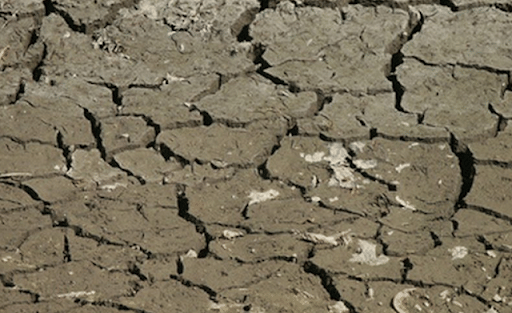
Alakil Soil
Conclusion
Alkaline soils are difficult to work with in agriculture. Rainwater easily stagnates on the soil due to the low infiltration capacity, and cultivation is difficult in dry periods without copious irrigated water and good drainage. Agriculture is restricted to crops that are resistant to surface waterlogging and productivity is low.
FAQs
Question: What is alkalization in the context of agriculture?
Answer: Alkalization in agriculture refers to the process where soil becomes more alkaline, usually due to the accumulation of basic or alkaline substances such as sodium, calcium, or magnesium. This condition results in a higher pH level of the soil, making it less suitable for growing certain crops that thrive in neutral or acidic conditions. Alkalization is typically caused by excessive irrigation, improper use of fertilizers, or high evaporation rates in arid regions.
Question: What are the main causes of soil alkalization?
Answer: Soil alkalization can be caused by several factors, including excessive use of alkaline fertilizers (like calcium carbonate), irrigation with poor quality water containing high amounts of salts, poor drainage leading to salt accumulation, and natural processes in arid and semi-arid regions where evaporation exceeds precipitation. In these areas, salts accumulate on the surface of the soil, increasing its alkalinity over time.
Question: How does alkalization affect crop growth?
Answer: Alkalization can significantly impact crop growth by altering the nutrient availability in the soil. High pH levels prevent the uptake of essential nutrients such as iron, phosphorus, and magnesium, which are required for healthy plant growth. This leads to poor crop yields, stunted growth, and yellowing of leaves (chlorosis). Certain plants, especially those requiring acidic soil like rice or soybeans, may not survive in highly alkaline conditions.
Question: What are the methods to correct soil alkalization?
Answer: To correct soil alkalization, several methods can be applied:
- Adding acidifying agents like sulfur or ammonium sulfate to lower the pH of the soil.
- Improving soil drainage to prevent salt buildup.
- Leaching the soil with large amounts of water to wash away soluble salts.
- Incorporating organic matter to improve soil structure and nutrient availability.
- Crop rotation with legumes to improve soil health and reduce salinity.
Question: How is alkalization different from salinization?
Answer: While both alkalization and salinization result in the accumulation of salts in the soil, they differ in terms of the type of salts present. Alkalization refers to the increase in the pH of the soil due to basic (alkaline) salts like sodium carbonate, while salinization involves the accumulation of neutral salts like sodium chloride. Alkaline soils are more problematic for plant growth because they affect nutrient uptake more than saline soils, although both conditions can significantly reduce agricultural productivity.
MCQs
1. What is the primary cause of soil alkalization?
A) Excessive rainfall
B) High evaporation rates and salt accumulation
C) Use of organic fertilizers
D) Excessive deforestation
Answer: (B) See the Explanation
Explanation: Alkalization is mainly caused by high evaporation rates and salt accumulation, particularly in arid regions where water evaporation exceeds precipitation, leaving salts behind in the soil.
2. Which of the following methods can help reduce soil alkalization?
A) Adding sulfur to the soil
B) Using alkaline fertilizers
C) Reducing irrigation
D) Increasing soil pH with lime
Answer: (A) See the Explanation
Explanation: Adding sulfur to the soil can help reduce alkalization by lowering the pH level, making the soil more suitable for plants that prefer acidic or neutral conditions.
3. How does alkalization affect the availability of nutrients in soil?
A) Increases phosphorus availability
B) Enhances nitrogen uptake
C) Decreases micronutrient uptake
D) Improves potassium levels
Answer: (C) See the Explanation
Explanation: Alkalization decreases the availability of essential micronutrients like iron, magnesium, and phosphorus, making them less available for plant uptake and leading to poor crop growth.
4. Which crops are most sensitive to alkaline soils?
A) Rice and wheat
B) Rice and soybeans
C) Barley and maize
D) Cotton and millet
Answer: (B) See the Explanation
Explanation: Crops like rice and soybeans are highly sensitive to alkaline soils, as they require slightly acidic or neutral soil conditions for optimal growth.
5. What is one way to reduce salt accumulation in soil?
A) Improve soil drainage
B) Use less water for irrigation
C) Increase the frequency of irrigation
D) Use chemical fertilizers
Answer: (A) See the Explanation
Explanation: Improving soil drainage helps reduce salt accumulation by allowing excess water to flow through the soil, carrying away soluble salts in the process.
GS Mains Questions and Model Answers
Q1: Discuss the impact of soil alkalization on agricultural productivity in India. What measures can be taken to mitigate its effects?
Answer: Soil alkalization is a significant issue in India, particularly in arid and semi-arid regions where irrigation and evaporation lead to salt accumulation. This results in higher soil pH, limiting the availability of essential nutrients like phosphorus and iron, which hampers crop growth and reduces agricultural productivity. To mitigate its effects, India can implement measures such as leaching the soil with large amounts of water to wash away salts, applying acidifying agents like sulfur, improving soil drainage, and using organic amendments like compost to improve soil structure. Additionally, crop rotation with salt-tolerant crops can help improve soil health and prevent further alkalization.
Q2: How does alkalization affect the sustainable development of agriculture in India, and what are the policy interventions required to address it?
Answer: Alkalization threatens the sustainability of agriculture in India by reducing crop yields and affecting food security. Regions suffering from high alkalinity face challenges in cultivating crops like rice and wheat, which are essential for India’s food supply. Policy interventions are required to improve water management, reduce the overuse of alkaline fertilizers, and promote agricultural practices that maintain soil health. Programs that focus on enhancing irrigation systems, promoting rainwater harvesting, and providing education on soil management practices will be essential to address the issue of alkalization and ensure the long-term viability of agriculture.
Q3: Analyze the role of organic farming practices in managing soil alkalization and improving soil health in India.
Answer: Organic farming practices play a crucial role in managing soil alkalization and improving soil health. By reducing the reliance on chemical fertilizers, organic farming encourages the use of natural amendments such as compost, manure, and organic mulch, which help restore the natural balance of nutrients in the soil. These practices also improve soil structure, enhance water retention, and reduce salinization and alkalization. Furthermore, organic farming promotes biodiversity, which can naturally mitigate the effects of soil degradation. As organic farming practices gain momentum in India, they could play a pivotal role in reversing the trend of soil alkalization in affected regions.
Previous Year Questions on Alkalization
1. UPSC CSE Prelims 2020:
Question: Which of the following is a common cause of soil alkalization?
A) Excessive rainfall
B) Overuse of alkaline fertilizers
C) Excessive deforestation
D) Low evaporation rate
Answer: (B)
Explanation: Overuse of alkaline fertilizers like calcium carbonate contributes to soil alkalization by increasing the pH level of the soil.
2. UPSC CSE Mains 2019 (GS Paper 3):
Question: "How does soil alkalization affect agricultural productivity and what measures can be adopted to manage it?"
Answer: Soil alkalization reduces the availability of nutrients to plants, affecting crop productivity. Measures such as applying sulfur to lower soil pH, improving drainage, and practicing crop rotation with salt-tolerant species can help mitigate its impact.
Download the PREPP App and attempt FREE IAS Exam Mock Tests and get complete study material!

Full Test - 04: UPSC CSE Prelims CSAT (Paper-II)
Full Test - 03: UPSC CSE Prelims CSAT (Paper-II)
UPSC CSE Prelims 2026 GS Paper 1 Question Paper (24-May-2026)
UPSC CSE Prelims 2026 CSAT Paper 2 Question Paper (24-May-2026)

17 February 2025 | The Hindu Must Read Articles | Current Affairs

16 February 2026 | The Hindu Must Read Articles | Current Affairs

13 February 2026 | The Hindu Must Read Articles | Current Affairs









Comments