Salinization - Agriculture Notes
The salt content of the soil determines its salinity, and the process of raising the salt content is known as salinization. Salts are present in water and soils naturally. Natural processes like mineral weathering or the slow retreat of an ocean can also result in salination. It may also result from man-made activities like irrigation and salting of the roads. This article will explain to you about Salinization which will be helpful in preparing the Agriculture Syllabus for the UPSC Civil Service exam.
|
Table of Contents |
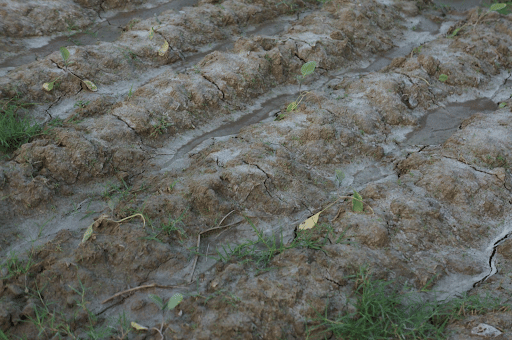
Salt affected Soil
What is Salinization?
- Soil salinization is the excessive buildup of salts that are soluble in water. Usually, it is NaCl from table salt.
- There are several sodium, potassium, calcium, magnesium, sulphate, chloride, carbohydrate, and bicarbonate chemicals on the list, which is much longer.
- According to the content, salt-affected earths are often divided into three categories: saline, sodic, and saline-sodic.
- Water absorption is negatively impacted, which is the main consequence of soil salinity on plant development.
- Crops wade and die even though the soil is sufficiently moist because they can't absorb enough water.
- Early stages of salinity impact the metabolism of soil organisms and lower soil production, while later stages completely eradicate all vegetation and other soil-dwelling species, turning rich and productive land into desertified and barren areas.
- Magnesium, potassium, and sodium are present in greater concentrations in saline soil.
- It has low calcium and nitrogen levels. Infertile soils cannot sustain the growth of plants as a result.
Distribution of Saline soil
- Areas of western Gujarat and Kachchh: The southwest monsoon facilitates the introduction of seawater into the soil.
- Seawater intrusion in the delta area of the east coast and the Sundarbans encourages salinity in the soil.
- In the Punjab and Haryana region, poor drainage and excessive irrigation have turned alluvial soil into salty soil.
- When excessive irrigation is used in dryland areas, salt is accumulated in the top horizon of the soil, making the soil saline.
Causes of Salinization
- Excessive irrigation in dry weather encourages capillary actions that cause salt to build up in the top layer of soils.
- Alluvial soil and other types of soil can become saline due to inadequate drainage, waterlogging, or marshy places where soluble salt in water accumulates in the soil.
- Excessive irrigation and intensive farming results in salinization of alluvial soils.
- Due to the infiltration of seawater into the soil, soils in the delta area or coastal region become salty.
- When soluble salts are held in the soil, salinization develops. Either natural causes or incorrect human activity, notably in farming, contribute to it.
- The following factors also contribute to soil salinization:
- Dry weather and low precipitation, which prevents the earth's excess salts from being washed away;
- High evaporation rates, which add salt to the ground surface;
- Poor drainage or waterlogging;
- Irrigation with salt-rich water, which increases the salt content of the earth; and, finally, high evaporation rates.
- Removal of deeply rooted vegetation, which raises the water table;
- Seepage of sea salts into lower areas, which causes the sea level to rise; leakage into groundwater from geological deposits;
- Seawater submersion followed by salt evaporation, coastal winds that transport salty air masses to neighbouring locations, improper fertiliser application when excessive nitrification speeds up soil salinization, and more are all contributing factors.
Indicators of Salinization
- By examining the soil surface, rate of water infiltration, and plant condition, salinization may be seen visually.
- The indications worsen as the salinization process continues. For instance, a minor surface whitening transforms into discrete salt crystals.
- There are indirect signs of increased salt content in addition to visible changes such as poorer water quality or animal behaviour such as cattle not drinking water because it tastes salty are examples of this.
- In addition to eye assessment, there are more accurate ways to evaluate soil salinity, such as using specialised equipment to test the earth's electric conductivity.
- The conductivity of the solution increases together with the concentration of salt in the solution.
| Early Signs | Advanced Signs |
|---|---|
|
|
Consequences of Salinization
Production of Agriculture
- The amount of salts in the groundwater and the plant itself determine how much water is absorbed by plants.
- Osmosis is the mechanism by which water moves from locations with less salt concentration to those with greater concentration by being absorbed.
- The soil's osmotic potential is essentially negative when the salt content is too high.
- Osmotic stress occurs when plants are unable to absorb water, even though it is present in the soil.
- Because the earth is dry, the process essentially resembles drought stress.
- Ionic stress brought on by unfavourable ions in soil salts, such as chloride or sodium, is another way that soil salinity affects agriculture.
- These positively charged ions are poisonous in and of themselves, but they also prevent the uptake of other positively charged ions necessary for crop development (particularly potassium and calcium).
- Vegetation dies as a result, which is the same outcome as osmotic stress brought on by salinization.
Water Quality
- The issue with salinization is that salts not only build up in the ground but also seep into initially fresh water bodies, causing them to become salinized.
- It worsens irrigation and drinking water quality and contributes to the increasing salinization of drylands.
- One of the most severely impacted regions in the globe is the Colorado River basin.
- In the previous 60 years, the salinity of rivers in Colorado, Arizona, Utah, California, Wyoming, and New Mexico doubled.
- Other effects on water quality include:
- ruins the taste of drinking water for people and domestic animals
- pollutes farmlands
- robs river species of their natural habitats
- restricts access to fresh water for grazing cattle
- deteriorates adjusting structures (concrete, wood, metal, etc.)
Biodiversity
- Strongly salinized soils are only suited for salt-tolerant species and halophytes, whereas non-saline soils have little effect on crops.
- Salinization thereby decreases ecological variety and jeopardises their ability to function normally.
- By reducing food chains and habitat sizes, a decrease in flora variety eventually results in a decrease in fauna as well.
- In freshwater lakes or rivers, salinization lowers biodiversity, reducing aquatic populations to just salt-tolerant species.
- As a result of farmers being driven to cultivate plants that can last in saline soils, soil salinization impacts agricultural diversity and consequently, food variety.
Soil Erosion
- Although soil salinization is a major issue in and of itself, it seldom occurs by itself.
- Due to the insufficient circumstances for plant growth, salinity results in a constant wetting of the ground surface and a lack of cover.
- These increase the likelihood of erosion in areas.
Flood Risk
- The earth's capacity for water infiltration is reduced by the rise in water table caused by salinization.
- Soils are unable to withstand significant water flows during torrential downpours or river flooding.
- Runoffs and flooding are the result of inadequate absorption.
- Strong water currents degrade aquatic environments, destroy agriculture, and destroy buildings.
Soil Salinity - Control and Prevention Methods
Reduced severity and extent of soil salinity is primarily a water management issue. There are two approaches to water management:
- by managing the area that contributes too much water to the soil (recharge area)
- by controlling the area where excess water rises to the surface (discharge area).
Recharge Management
- Reduce excess water infiltration into the soil in seep recharge areas by diverting surface water to downslope ponds.
- Keep the water table at a safe, low level. Over irrigation and a lack of natural drainage have raised water tables in some areas, necessitating the use of an artificial drainage system. The discharge of salty water from these drains may contribute to other problems offsite.
- Irrigate to keep soil salts at a level below the root zone.
- Cropping and tillage systems that promote adequate infiltration and permeability are recommended. This includes increasing organic matter in the soil and avoiding compaction.
- Plant crops that take advantage of the available soil moisture. Shallow-rooted crops may not be able to extract excess subsoil moisture, which can cause salinity.
- Using actively growing, deep-rooted plants, remove excess water from seep recharge areas.
- Perennial plants and forages, particularly alfalfa, are useful for this purpose because they have a longer growing season and can absorb more water from a deeper layer of soil than annual plants.
- Return crop residue and manure to the soil to improve soilwater retention.
- Continuous cropping reduces summer fallow.
- Snow should be distributed evenly and not pond when it thaws.
Discharge Management
- Plant salt-tolerant crops.
- In high-risk areas, convert to permanent soil cover with salt-tolerant crops.
- Reduce deep tillage, which may bring salts from deeper soil horizons to the surface.
- To increase water use, plant forage crops or trees near bodies of water.
- Only install artificial drainage systems in the most severely affected areas.
- Remove seepage from irrigation canals, dugouts, and ponds.
Conclusion
Seawater submersion followed by salt evaporation, coastal winds that transport salty air masses to neighbouring locations, improper fertiliser application when excessive nitrification speeds up soil salinization, and more are all contributing factors to salinization. The effects of soil salinization on a variety of ecological and human elements of life are not good. It has an impact on the water supply and crop production sectors, increases the danger of flooding and soil erosion, and reduces biodiversity. The removal of soil salinity's detrimental impacts on the ecology and biodiversity would enable India to produce more crops from the same amount of fertile land.
FAQs
Question: What is salinization in agriculture?
Answer: Salinization in agriculture refers to the accumulation of water-soluble salts in the soil, which can adversely affect plant growth and agricultural productivity. This process occurs when irrigation water containing dissolved salts is applied to the soil over time. As the water evaporates, the salts remain in the soil, leading to the deterioration of soil quality. Salinization can also be caused by the natural process of waterlogging, where excessive irrigation causes the groundwater table to rise, bringing dissolved salts to the surface. Over time, this can render the land unproductive, especially in areas with limited rainfall and poor drainage.
Question: What are the primary causes of salinization in agricultural soils?
Answer: The primary causes of salinization in agricultural soils are:
- Excessive irrigation: Overuse of irrigation without proper drainage leads to the accumulation of salts in the soil.
- Poor water quality: Irrigation water with high salt content contributes to salinization.
- Waterlogging: When the groundwater level rises, it brings dissolved salts to the surface, especially in areas with poor drainage systems.
- Evaporation: In hot climates, high evaporation rates leave salts behind as the water evaporates, concentrating them in the soil.
These factors collectively contribute to the buildup of salts in the soil, leading to reduced soil fertility and crop productivity.
Question: What are the effects of salinization on agricultural productivity?
Answer: Salinization negatively impacts agricultural productivity in several ways:
- Reduced water availability: High salt concentrations in the soil reduce the water available to plants by making it harder for them to absorb water through their roots.
- Soil structure degradation: Excess salts can affect soil structure, leading to poor aeration, compacted soil, and reduced root penetration.
- Plant toxicity: Some salts, such as sodium chloride, can be toxic to plants, leading to reduced growth and even plant death in severe cases.
- Loss of soil fertility: Over time, salinization decreases the nutrient availability in the soil, which affects plant growth and crop yield.
Overall, salinization reduces agricultural output and can make soil unsuitable for crop production, leading to significant economic losses, particularly in regions heavily dependent on irrigation for farming.
Question: How can salinization be managed in agricultural lands?
Answer: There are several strategies to manage and mitigate salinization in agricultural lands:
- Improved irrigation practices: Using efficient irrigation methods like drip or sprinkler irrigation reduces water wastage and prevents waterlogging, minimizing salt accumulation.
- Leaching: This process involves applying large amounts of water to flush excess salts from the soil and carry them away through drainage systems.
- Use of salt-tolerant crops: Growing crops that can tolerate saline conditions, such as barley or certain varieties of rice, helps in areas affected by salinization.
- Soil amendments: Adding organic matter, gypsum, or other soil conditioners can improve soil structure and reduce the impact of salinity.
- Proper drainage: Installing effective drainage systems prevents waterlogging and helps control the rise of the groundwater table, thus preventing the salts from being brought to the surface.
These techniques, when combined, can help manage salinization and improve the sustainability of agricultural practices in affected areas.
Question: What are the economic implications of salinization on agriculture?
Answer: Salinization has significant economic implications on agriculture, including:
- Loss of arable land: Salinized soils become unfit for crop production, reducing the total area available for farming.
- Lower crop yields: The decrease in soil fertility and plant productivity leads to lower yields, which directly impacts food production and farmers’ income.
- Increased costs: Managing salinization through irrigation improvements, soil amendments, and crop substitution adds to the cost of production for farmers.
- Decreased water availability: In water-scarce regions, the salinization of water resources can limit the availability of usable water for irrigation, further reducing agricultural output.
Ultimately, the economic costs of salinization can lead to increased poverty among rural populations, especially in regions where agriculture is the primary source of livelihood.
MCQs
1. What is the primary cause of salinization in agriculture?
A) High evaporation rates
B) Overgrazing of land
C) Excessive irrigation without proper drainage
D) Low rainfall
Answer: (C) See the Explanation
Explanation: Excessive irrigation without proper drainage leads to the accumulation of salts in the soil, a primary cause of salinization in agriculture.
2. Which of the following is an effective way to manage salinization in agricultural lands?
A) Increasing the use of chemical fertilizers
B) Practicing monoculture
C) Implementing efficient irrigation systems
D) Reducing the use of organic matter
Answer: (C) See the Explanation
Explanation: Implementing efficient irrigation systems, such as drip irrigation, helps prevent waterlogging and reduces the risk of salinization.
3. What is the process of leaching in managing salinization?
A) Applying fertilizers to the soil
B) Flushing excess salts from the soil with large amounts of water
C) Planting salt-tolerant crops
D) Removing the topsoil from the affected land
Answer: (B) See the Explanation
Explanation: Leaching is the process of applying large amounts of water to flush excess salts from the soil, helping to mitigate salinization.
4. How does salinization impact agricultural productivity?
A) It improves crop yield
B) It leads to increased soil fertility
C) It reduces water availability to plants
D) It increases the availability of nutrients in the soil
Answer: (C) See the Explanation
Explanation: Salinization reduces the water availability to plants by making it difficult for them to absorb water through their roots, which ultimately hampers crop growth and reduces yields.
5. What is a common crop tolerance strategy in salinized agricultural areas?
A) Using drought-resistant crops
B) Growing salt-tolerant crops
C) Reducing the use of irrigation
D) Avoiding the use of chemical fertilizers
Answer: (B) See the Explanation
Explanation: Growing salt-tolerant crops, such as barley or certain varieties of rice, is an effective strategy to manage the impact of salinization in affected agricultural areas.
GS Mains Questions and Model Answers
Q1: Discuss the major causes and impacts of salinization in agriculture. How can it be mitigated effectively?
Answer: Salinization in agriculture is primarily caused by excessive irrigation without proper drainage, waterlogging, and the use of poor-quality irrigation water. As water evaporates from the soil, it leaves behind dissolved salts, which accumulate and degrade soil quality over time. The impacts of salinization include reduced soil fertility, lower crop yields, and water stress for plants, as high salt concentrations make it difficult for crops to absorb water. To mitigate salinization, efficient irrigation methods such as drip irrigation can be employed, leaching can be done to flush out salts, and salt-tolerant crops can be introduced. Additionally, proper drainage systems and soil amendments can improve soil structure and reduce salinity levels.
Q2: Analyze the economic consequences of salinization in agriculture. How can it affect farmers and rural communities?
Answer: The economic consequences of salinization in agriculture are far-reaching, especially for farmers and rural communities dependent on irrigation. Salinization reduces soil fertility and water availability, leading to lower agricultural productivity. This results in reduced crop yields, loss of income, and economic hardship for farmers. Furthermore, the cost of mitigating salinization, such as implementing irrigation improvements or switching to salt-tolerant crops, adds to the financial burden. In regions heavily affected by salinization, rural communities may face poverty, unemployment, and migration as agricultural activities become unsustainable. This underscores the need for integrated water management strategies and rural development initiatives to address salinization's economic impact.
Q3: Evaluate the role of technological innovations in combating the problem of salinization in agriculture. What are the challenges and opportunities?
Answer: Technological innovations play a crucial role in combating salinization by providing solutions for efficient water use, improving soil health, and enhancing crop resilience. Innovations such as precision irrigation, soil moisture sensors, and saline-tolerant crops can help minimize water wastage and reduce the accumulation of salts in the soil. Challenges include the high initial cost of implementing these technologies, the need for adequate training for farmers, and the adaptation of these solutions to different agricultural regions. However, the opportunities include the potential for increased crop yields, improved water conservation, and the sustainability of agricultural practices in saline-affected areas. Technological advancements can also contribute to long-term soil health and the economic stability of rural communities.
Previous Year Questions on Salinization in Agriculture
1. UPSC CSE Prelims 2020:
Question: Which of the following practices can help mitigate soil salinization?
A) Increasing irrigation frequency
B) Reducing water usage in agriculture
C) Using salt-tolerant crops
D) Avoiding water drainage
Answer: (C)
Explanation: Using salt-tolerant crops is an effective strategy to manage soil salinization, as these crops can withstand higher levels of salinity in the soil.
2. UPSC CSE Mains 2019 (GS Paper 3):
Question: "Discuss the causes and effects of salinization in agriculture and suggest measures for its management."
Answer: Salinization in agriculture is caused by over-irrigation, poor drainage, and the use of saline water. It leads to decreased soil fertility, reduced crop yields, and water scarcity. To manage salinization, efficient irrigation methods, leaching, growing salt-tolerant crops, and improving soil health through organic amendments can be implemented. These measures help restore soil fertility, improve crop production, and ensure sustainable agricultural practices.
Download the PREPP App and attempt FREE IAS Exam Mock Tests and get complete study material!

Full Test - 04: UPSC CSE Prelims CSAT (Paper-II)
Full Test - 03: UPSC CSE Prelims CSAT (Paper-II)
UPSC CSE Prelims 2026 CSAT Paper 2 Question Paper (24-May-2026)
UPSC CSE Prelims 2026 GS Paper 1 Question Paper (24-May-2026)

17 February 2025 | The Hindu Must Read Articles | Current Affairs

16 February 2026 | The Hindu Must Read Articles | Current Affairs

13 February 2026 | The Hindu Must Read Articles | Current Affairs









Comments