Water Logging - Agriculture Notes
Waterlogging is simply the temporary or permanent soaking of soil with water. When there is an excess of water in a region, the soil is unable to absorb it as it should. It can also occur when the water table rises to the point that the soil pores in the crop root zone get clogged. Anaerobiosis develops in extreme circumstances of persistent waterlogging, mesophyte roots suffer, and the subsurface reducing atmosphere promotes processes such as denitrification. This article will explain to you about water logging which will be helpful in preparing the Agriculture Syllabus for the UPSC Civil Service exam.
|
Table of Contents |
What is Water Logging?
- Waterlogging occurs when the soil in a certain area becomes totally saturated with water resulting in a rise in the water table.
- Waterlogging can induce soil displacement, restrict air supply that typically passes via soil pores, and inhibit plant development.
- The limitation of airflow in the soil can cause its oxygen levels to fall while its carbon dioxide and ethylene levels to rise.
- Waterlogging can be caused by a variety of factors, including:
- Over-irrigation
- Excessive precipitation
- Flooding
- Inadequate drainage
- Waterlogging limits plant growth and production in anaerobic conditions, causing certain crops and plants to die.
- Furthermore, as a result of the excess water in the soil profile, plant roots become weak and die or fall.
- Waterlogging is dangerous because it does not have to be defined by excess water on the surface, implying that it might be an ongoing issue even if the water on the surface is not visible.
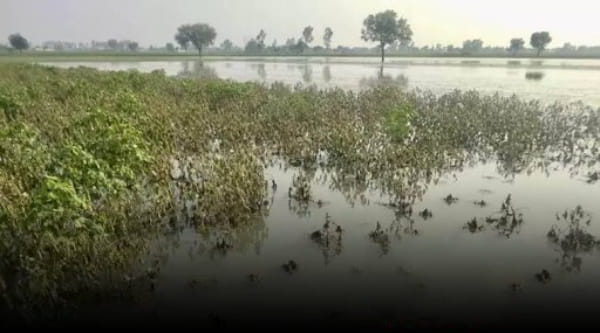
Water Logging
Causes of Water Logging
Physiography
- Waterlogging can be caused by a location's terrain, slope, form, and drainage patterns.
- Physiography controls the speed of surface runoff and the time it takes for the soil to drain surface water.
- Low-lying places, such as valleys, depressions, and flat lowlands, naturally experience higher waterlogging because surface flows concentrate on the lowlands, resulting in natural swamps and other waterlogged lands.
- Water cannot easily travel under the pull of gravity in such regions, causing it to amass over time.
Weather Conditions
- Weather is another natural source of waterlogging, which means that places that get continuous or extended rainfall are more likely to become waterlogged, either temporarily or permanently.
- Water logging is caused by heavy and continuous rainfall that raises the water table.
Soil Type
- Heavy clay soils, such as black cotton soils, and soils prone to surface sealing retain rainwater for lengthy periods of time, causing them to become waterlogged quickly.
Geology
- An impermeable layer under the topsoil obstructs rainwater penetration, resulting in a false water table or perched water table.
- Water logging is more frequent in areas with thin soils, a hardpan at the surface, and high water tables, especially if there is severe rainfall.
Seepage Inflows
- Water logging might be caused by interflows and seepage from neighbouring water sources such as lakes, shallow aquifers, canals, and rivers.
- Furthermore, subsurface flows from higher to lower places may cause water logging.
Excessive Irrigation and Poor Drainage System
- This is a man-made source of waterlogging and if irrigation is not effectively managed, drainage difficulties might further compound the situation.
- Irrigation brings water to the soil profile in addition to naturally existing rainfall.
- Irrigation may cause waterlogging if there is excessive irrigation, insufficient drainage, poor irrigation management, obstruction of natural drainages, seepages from canals.
Types of Water Logging
Waterlogging is classified into following categories:
- Riverine Flood Waterlogging
- Oceanic Flood Waterlogging
- Seasonal Waterlogging
- Perennial Waterlogging
- Sub-soil Waterlogging
Riverine Flood Water Logging
- It is a sort of waterlogging that happens during the rainy season, when floods from the river reach surrounding regions because it carries surplus water.
- Waterlogging occurs in the land, resulting in the demise of a number of plants or crops.
Oceanic Flood Water Logging
- Oceanic flood waterlogging, as the name implies, is characterised by oceanic waters flowing onto surrounding lands and creating waterlogging.
- This is especially true when there are significant weather events affecting the waters, such as hurricanes and tsunamis.
Seasonal Water Logging
- During the rainy season, runoff water may build in lowlands and depressions, causing waterlogging.
Perennial Water Logging
- This occurs when rain falls over deep water or swamps, and the runoff and seepage water spreads into nearby fields, producing persistent waterlogging.
Sub-soil Water Logging
- This sort of waterlogging happens when water tables increase significantly, particularly during rainy seasons, creating waterlogging.
Effects of Water Logging
Poor Soil Aeration
- Waterlogging causes air within the soil to escape into the atmosphere, where it is replaced by more water.
- An insufficient supply of oxygen slows or stops plant development, while accumulated carbon dioxide impedes the growth of the plant's roots.
- Inadequate aeration also promotes the development of poisons and other harmful chemicals.
- Such wet soil also decreases microbial activity which is necessary for the synthesis of plant food.
Change in the pH of the Soil
- The pH of the inundated soils changes and becomes more acidic.
- The soil, then, diminishes in its alkalinity and makes the development of plants more difficult.
- Plant life cannot survive in the increasingly acidic soil.
Change in Soil Temperatures
- Waterlogging causes the soil temperature to drop.
- Low temperatures of the damp soil impact the microorganisms and their activity, thus reducing the rate of nitrogen-fixation.
Affecting Soil Nutrients
- Nitrogen is essential to the soil, and waterlogged soils are deficient in nitrogen.
- Waterlogging affects not just the nitrogen nutrients, but also other minerals such as sulphur, zinc, iron, manganese, phosphorus, and potassium.
- Some minerals are abundant, leading plant toxicity to increase and, as a result, the plants cannot live.
Retard Cultivation
- Cultivating in soggy soils is challenging.
- Because of the underlying conditions, all crops fail to survive, and crops suffer as a result.
- Only rice can thrive under such conditions.
Harmful Salt Accumulation
- Waterlogging generates an environment which transports hazardous salts to the crop root-zone.
- Accumulating salts can make the soil more alkaline, limiting crop development.
Expansion of Water-loving Wild Plants
- Waterlogging encourages the growth of wild plants that thrive in wet settings.
- These weeds effectively kill beneficial crops and getting rid of them is an extra cost, especially in extreme wet circumstances.
Loss of Cash Crops
- Most cash crops cannot survive or be grown on wet soils. It, therefore, makes farmers starve and lose out on the cash they would otherwise get from selling their crops.
- It also forces them to switch to rice, assuming that it can grow in such conditions.
Effects on Human Health
- Waterlogging has an effect on the environment by the fact that it harbours disease vectors like mosquitoes, slugs, and snails.
- They, in turn, bring illnesses like malaria, bilharzia, typhoid, and others, which impact the human population, animals, and plants, effectively altering the ecosystem.
Preventive Methods of Water Logging
- It is possible to implement artificial open and subterranean drainage grids. Similarly, improving the flow conditions of existing natural drainages can help.
- Rainwater should be quickly removed from the soil’s surface, thereby preventing a rise in the level of the water table and subsequent waterlogging.
- Percolation loss can be avoided by using water more efficiently. It can also be accomplished by keeping irrigation intensity low.
- Only a small portion of the irrigable land becomes flooded and the only loss in percolation happens in the limited area. This also keeps the water table sufficiently low.
- Alkaline water used in irrigation affects the soil and makes it more prone to waterlogging in the future. For this reason, alkaline water should not be utilised for irrigation purposes.
- The mineral Alkali salts can accumulate on top of the soil – creating a crust on the surface that prevents the surface water from draining as required.
- Draining water includes both surface and subsurface waters. It eliminates the water in a regulated manner and in a rapid pace.
- Before and during draining the water, be mindful not to severely harm the environment or adjoining fields which could also be affected by the waterlogging.
- It is not a prevention step but a therapy measure that can help a plant flourish even in damp soil.
- Mulching involves the addition of either organic or inorganic materials that are spread on top of the soil.
- The mulch covers the affected land by covering the soil and helping reduce evaporation losses.
Water Logging in India
- In India, water logging is a major worry. The entire amount of flooded land is projected to be 86.92 lakh hectares.
- It encompasses both areas inside irrigation commands and areas outside of the command.
- While the lands in the irrigation command are waterlogged owing to rise in water table as a direct consequence of poor drainage, other places get waterlogged due to inundation, as result of floods for lengthy durations.
Conclusion
Waterlogging occurs when roots are unable to breathe due to an excess of water in the soil profile. Waterlogging does not have to be visible on the surface to be a problem. Improving drainage from inundated paddocks can reduce the amount of time crop roots are exposed to anaerobic conditions. While raised beds require the most attention, they are also the most effective at improving drainage. Waterlogged soils produce more nitrous oxide (N2O), a particularly harmful greenhouse gas.
FAQs
Question: What is water logging in agriculture?
Answer: Water logging in agriculture refers to the saturation of soil with water to a depth that is detrimental to crop growth. It occurs when water accumulates in the soil faster than it can drain away, leading to an excess of water in the root zone. This condition limits oxygen availability for plants, causing damage to plant roots, and may result in the stunted growth of crops, reduced yields, and sometimes complete crop failure. Water logging is particularly harmful in poorly drained areas and can be exacerbated by excessive irrigation or poor drainage systems.
Question: What are the main causes of water logging in agriculture?
Answer: The main causes of water logging in agriculture include: 1. Poor Drainage Systems: Inefficient or absent drainage systems prevent excess water from draining out of the soil, leading to water accumulation. 2. Excessive Irrigation: Over-irrigating fields without proper consideration of soil moisture can result in water logging, especially in areas where natural drainage is limited. 3. High Water Table: When the water table is high, there is less space for water to be absorbed, leading to surface water logging. 4. Soil Compaction: Compacted soil reduces water infiltration and increases runoff, which can lead to water accumulation on the surface.
Question: How does water logging affect agricultural productivity?
Answer: Water logging adversely affects agricultural productivity in several ways: 1. Reduced Root Oxygen: The excess water reduces the oxygen available to plant roots, hindering their ability to absorb nutrients. 2. Increased Risk of Diseases: Water logging creates conditions favorable for root rot and other soil-borne diseases. 3. Soil Salinization: Persistent water logging can lead to the accumulation of salts in the soil, further decreasing its fertility. 4. Crop Stagnation: It can cause crops to stagnate, resulting in poor growth, reduced yields, or even death of the plants.
Question: What are the solutions to combat water logging in agriculture?
Answer: There are several solutions to combat water logging in agriculture: 1. Improved Drainage Systems: Installing proper drainage systems to facilitate the outflow of excess water and prevent its accumulation in the soil. 2. Water Management: Implementing efficient irrigation practices such as drip irrigation or sprinkler systems to avoid excessive water usage. 3. Soil Aeration: Practices like deep plowing can help improve soil aeration, allowing better water infiltration and root development. 4. Raised Beds: Planting crops on raised beds can prevent water from accumulating around plant roots, especially in low-lying areas. 5. Crop Selection: Growing crops that are more tolerant to waterlogged conditions, such as rice, in areas prone to water logging.
Question: How does water logging contribute to soil degradation?
Answer: Water logging contributes to soil degradation in several ways: 1. Soil Compaction: Prolonged water logging can lead to soil compaction, reducing pore spaces and affecting water and air movement within the soil. 2. Salinization: As water accumulates on the surface, salts in the soil may rise to the surface, causing soil salinization and making it less fertile. 3. Loss of Soil Nutrients: Excessive water can leach away essential soil nutrients, making the soil less fertile and suitable for crop production. 4. Reduction in Soil Structure: The excessive water alters the soil structure, making it difficult for plants to establish deep roots, further affecting crop growth.
MCQs
1. Which of the following is the primary cause of water logging in agriculture?
A) High rainfall
B) Poor irrigation practices
C) Excessive tilling
D) Soil erosion
Answer: (B) See the Explanation
Explanation: Poor irrigation practices, such as over-irrigating fields without proper drainage, are the primary cause of water logging in agriculture.
2. Which crop is most susceptible to damage from water logging?
A) Rice
B) Wheat
C) Barley
D) Sunflower
Answer: (B) See the Explanation
Explanation: Wheat is particularly sensitive to water logging as it does not tolerate excess water around its roots, which affects its growth and yield.
3. Which of the following is NOT a recommended solution for water logging?
A) Installing drainage systems
B) Practicing efficient irrigation techniques
C) Growing salt-tolerant crops
D) Over-irrigating fields
Answer: (D) See the Explanation
Explanation: Over-irrigating fields exacerbates water logging. Efficient irrigation practices should be implemented instead to avoid excess water accumulation.
4. What role does soil compaction play in water logging?
A) It improves water drainage
B) It prevents water absorption
C) It allows better oxygen flow to plant roots
D) It helps in root development
Answer: (B) See the Explanation
Explanation: Soil compaction reduces the permeability of the soil, preventing water from being absorbed properly and leading to water logging.
5. How does water logging affect plant root development?
A) Encourages deep root growth
B) Reduces oxygen availability to roots
C) Promotes healthy root systems
D) Increases nutrient uptake by roots
Answer: (B) See the Explanation
Explanation: Water logging reduces the availability of oxygen to plant roots, which hinders their ability to grow and absorb nutrients.
GS Mains Questions and Model Answers
Q1: Analyze the effects of water logging on crop production and agricultural sustainability in India.
Answer: Water logging severely impacts crop production and agricultural sustainability in India by disrupting the root system, reducing oxygen availability, and promoting soil salinization. In India, areas that rely on surface irrigation are particularly vulnerable to water logging. Crops like wheat, maize, and vegetables are most affected, as they require well-drained soils for optimal growth. Prolonged water logging results in a decrease in soil fertility, making it less conducive to plant growth. Moreover, the overuse of irrigation, combined with inadequate drainage systems, further exacerbates the problem. To ensure agricultural sustainability, water management practices, including the use of drip and sprinkler systems, should be adopted. Additionally, farmers should be encouraged to use drought-resistant and water-tolerant crops that can withstand suboptimal soil conditions.
Q2: What are the long-term environmental consequences of water logging, and how can they be mitigated?
Answer: The long-term environmental consequences of water logging include soil degradation, reduced agricultural productivity, and increased salinization of the soil. As water accumulates on the surface, it leads to the leaching of essential nutrients, making the soil less fertile. The stagnation of water also encourages the rise of salts from the subsoil to the surface, which further reduces soil fertility. Additionally, water logging contributes to the loss of biodiversity as certain plant species and soil organisms may not survive in waterlogged conditions. Mitigation strategies include improving drainage infrastructure, practicing crop rotation, and promoting water-efficient irrigation techniques. Raising awareness about sustainable land management practices among farmers is also crucial in addressing this issue in the long run.
Q3: Discuss the role of proper irrigation techniques in preventing water logging in agriculture.
Answer: Proper irrigation techniques are essential in preventing water logging, which can occur due to excessive or inefficient watering practices. Over-irrigation is a leading cause of water logging, as it saturates the soil and restricts root oxygen. Techniques such as drip irrigation and sprinkler systems ensure that water is delivered directly to the root zone in controlled amounts, preventing excess moisture from accumulating in the soil. These methods not only conserve water but also enhance crop yield by ensuring that the plants receive optimal hydration without the risk of water logging. In areas prone to water logging, farmers should be encouraged to use these technologies along with proper drainage systems to manage water efficiently and sustain agricultural productivity.
Previous Year Questions on Water Logging
1. UPSC CSE Prelims 2020:
Question: Water logging in agriculture mainly occurs due to:
A) Excessive use of pesticides
B) Poor drainage and over-irrigation
C) Soil erosion
D) Low soil fertility
Answer: (B)
Explanation: Water logging primarily occurs due to poor drainage and over-irrigation, which results in excess water accumulating in the soil.
2. UPSC CSE Mains 2021 (GS Paper 3):
Question: "Evaluate the impact of water logging on Indian agriculture and suggest measures to address this issue."
Answer: Water logging adversely affects Indian agriculture by reducing soil fertility, causing crop damage, and increasing salinization. The impact is particularly severe in flood-prone areas and regions dependent on surface irrigation. The loss of crop productivity and soil degradation are among the most significant consequences of water logging. To mitigate these effects, it is essential to implement proper drainage systems, promote water-efficient irrigation practices such as drip and sprinkler irrigation, and adopt crop rotation techniques. Educating farmers about these practices and providing access to modern irrigation technologies will help reduce water logging and improve agricultural sustainability.
Download the PREPP App and attempt FREE IAS Exam Mock Tests and get complete study material!

Full Test - 04: UPSC CSE Prelims CSAT (Paper-II)
Full Test - 03: UPSC CSE Prelims CSAT (Paper-II)
UPSC CSE Prelims 2026 GS Paper 1 Question Paper (24-May-2026)
UPSC CSE Prelims 2026 CSAT Paper 2 Question Paper (24-May-2026)

17 February 2025 | The Hindu Must Read Articles | Current Affairs

16 February 2026 | The Hindu Must Read Articles | Current Affairs

13 February 2026 | The Hindu Must Read Articles | Current Affairs









Comments