Loam Soil Texture - Agriculture Notes
Soil texture is the "feel" of soil when handled between the thumb and fingers. It is one of the most helpful tests for assessing soil. Loam soils include sand, silt, and clay in proportions that balance stickiness and non-adhesiveness, resulting in soils that are mouldable but not sticky. Loams are the most "user-friendly" soils. This article will explain to you about Loam soil texture which will be helpful in preparing the Agriculture Syllabus for the UPSC Civil Service exam.
|
Table of Contents
|
What is Soil Texture?
- Soil texture is the relative proportion of particles or the relative percentage by weight of the three soil separates, namely sand, silt, and clay, or simply the size of soil particles.
- The texture of soil is determined by the interaction of mineral fractions (gravel, sand, silt, and clay particles) and organic matter fractions.
- The amount of clay, sand, silt, and organic matter present determines the texture grade.
- The largest particles are sand, and the smallest are clay particles. Although soil can be entirely composed of sand, clay, or silt, this is uncommon. Instead, the majority of soils are a mix of the three.
What is Loam Soil Texture?
- Loamy soil is sometimes referred to as "gardening soil" since it has excellent water retention, air circulation, and fertility.
- Loam soil is made up of clay, sand, and silt particles. Based on its primary composition, it is classified as 'clay loam,"sand loam,' or silt loam.'
- Loam is a soil texture that contains a moderate quantity of sand, silt, and clay.
- A loamy soil texture is one that has approximate proportions of all three types of particles. Loam is composed of 7 to 27% clay, 28 to 50% silt, and 50% sand.
- The structural management of soils is governed by whether the soil has a coarse texture or a fine texture.
- When the soil is dry and gritty, it will flow loosely between your fingertips.
- When moist, it is impossible to make a ball with your hands because the ball will crumble apart.
- Sandy soil does not store water, but it does allow for lots of oxygen. When moist, clay soil becomes slippery and may be formed into a tight hard ball.
- When dry, clay soil becomes exceedingly hard and compacted.
- Silt is a sandy and clay soil combination. When moist, silt soil feels squishy and may be moulded into a loose ball.
- Loamy soil is suitable for most garden plants because it retains moisture while still allowing adequate air to reach the roots.
Types of Soil
Loam Soil
- Loam soil is composed of sand, silt, and clay particles.
- Loam soil with a higher sand percentage and a lower organic content offers better drainage capacities.
- It holds water quite efficiently due to the clay particles in the soil.
- Loam with a greater organic matter concentration dries up faster.
- Loam soil with more clay is also more compact, making it appropriate for usage on surfaces that require compacted sand, such as roadways.
- Loam has a high amount of aeration. As a result, it is great for the survival of soil organisms that are helpful to plant growth.
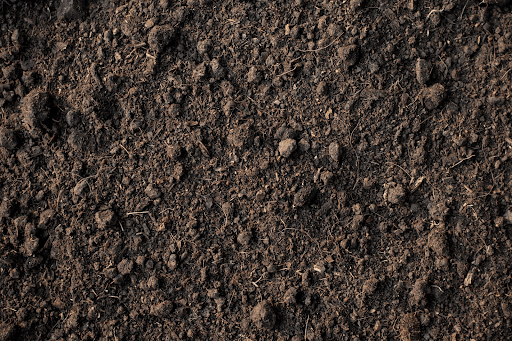
Loam Soil
Clay Loam
- A clay loam is a type of soil that has more clay than other forms of rock or minerals. This soil contains smaller and finer particles.
- Because smaller particles are present, the particles are tightly packed, leaving less room for air.
- They can hold more water because there is no space for air, making the soil heavy.
- While this soil type might be challenging to deal with, it can also be enhanced to be an excellent growth medium.
- Clay loam often contains a high concentration of plant nutrients and may sustain a wide range of plants and crops.
- Without too much trouble, clay loams may be upgraded to generate better drainage.
- Drainage issues may be more difficult to solve in wet weather or regions.
- This type of soil is ideal for growing wheat and gram because it can retain a large amount of water.
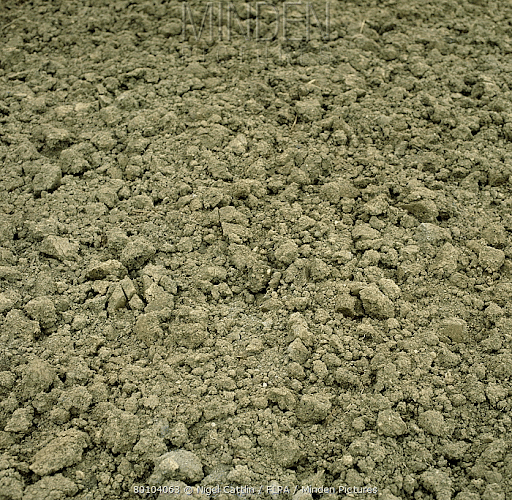
Clay Loam
Sandy Loam
- Sandy loam is a type of gardening soil. This soil type is often composed of sand with various proportions of silt and clay.
- Many people like sandy loam soil for gardening since it usually provides for adequate drainage.
- Sand particles are often bigger and more solid than other types of particles present in soil, and as a result, there is usually more area for water to flow easily through them.
- If water cannot drain well, plants are more likely to get oversaturated, increasing the possibility that they may rot and acquire illnesses or fungus.
- The type of soil is best suited for cotton cultivation because it can hold a lot of air.
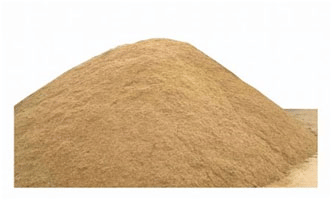
Sandy Loam
Silt Loam
- Silty loam soil nutrients lay the groundwork for a productive garden.
- Silt particles, which are intermediate in size between sand and clay, contribute to form the texture of loam soil.
- Silt is just extremely worn rock.
- Plants growing in silty loam require more water than plants growing in clay soil, but considerably less than plants growing in sandy soil.
- Although the amount of organic matter is likely to be enough, annual compost additions simply increase the already outstanding soil quality and level of silty loam soil nutrients.
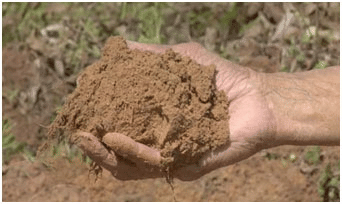
Silt Loam
Conclusion
The "texture" of soil when touched between the thumb and fingers is referred to as soil texture. It is one of the most useful assays for determining soil quality. Loam is a soil texture with a moderate amount of sand, silt, and clay. A loamy soil texture comprises almost equal quantities of all three types of particles. Aeration is abundant in loam. As a result, it is beneficial to the survival of soil organisms that aid in plant development.
FAQs
Question: What is loam soil?
Answer: Loam soil is a mixture of sand, silt, and clay, typically in nearly equal proportions, making it an ideal growing medium for plants due to its balance of moisture retention, drainage, and nutrient content.
Question: Why is loam considered good for agriculture?
Answer: Loam is fertile, well-draining yet moisture-retentive, and easy to work with. Its balanced texture provides aeration and supports root growth, making it suitable for a wide variety of crops.
Question: What are the types of loam soil?
Answer: The main types include sandy loam, silty loam, and clay loam, each with varying proportions of sand, silt, and clay, affecting drainage and fertility properties.
Question: How can the fertility of loam soil be maintained?
Answer: Fertility can be maintained through regular addition of organic matter, crop rotation, and appropriate fertilization practices to ensure balanced nutrient availability.
Question: What crops thrive best in loam soil?
Answer: A variety of crops thrive, including vegetables, fruits, grains, and ornamental plants, due to loam’s ideal structure for water retention and nutrient availability.
MCQs
- What is the primary characteristic of loam soil?
A) High clay content
B) Balanced mixture of sand, silt, and clay
C) Only sand and clay
D) Mostly silt
Answer: (B) See the Explanation
Loam is defined by its balanced composition, providing an ideal growing medium due to its texture and moisture retention.
- Which type of loam soil has the highest drainage capacity?
A) Silty loam
B) Sandy loam
C) Clay loam
D) None of the above
Answer: (B) See the Explanation
Sandy loam contains a higher proportion of sand, allowing water to drain quickly while still retaining some moisture.
- Why is loam soil preferred for gardening?
A) Poor nutrient content
B) Compacted structure
C) High water retention and good aeration
D) Exclusively sandy texture
Answer: (C) See the Explanation
Loam soil’s structure balances moisture retention with drainage and allows sufficient air circulation for roots.
- How can loam soil fertility be improved?
A) Adding sand only
B) Removing all silt
C) Incorporating organic matter
D) Overwatering the soil
Answer: (C) See the Explanation
Adding compost or organic matter enhances soil fertility and structure, maintaining nutrients for crops.
- Which crop is most likely to benefit from loam soil?
A) Desert cacti
B) Paddy rice in waterlogged conditions
C) Vegetable crops
D) None of the above
Answer: (C) See the Explanation
Vegetable crops thrive in loam soil due to its balance of water retention, drainage, and nutrient availability.
GS Mains Questions and Model Answers
Q1: Discuss the significance of loam soil for agriculture.
Answer: Loam soil, with its balanced mixture of sand, silt, and clay, is ideal for agriculture. Its structure supports moisture retention and drainage, making it suitable for a wide range of crops, from grains and vegetables to fruits. It is easy to work with and highly fertile, providing essential nutrients for plant growth. The versatility and productivity of loam soil contribute significantly to food security and agricultural sustainability.
Q2: Explain the role of loam soil in maintaining soil health and fertility.
Answer: Loam soil plays a crucial role in maintaining soil health through its balanced texture, which promotes proper drainage, moisture retention, and aeration. This supports root development and microbial activity. By incorporating organic matter and practicing crop rotation, farmers can enhance and sustain loam soil's fertility, ensuring consistent crop productivity and reducing dependency on chemical fertilizers.
Q3: Compare and contrast the characteristics of sandy loam, silty loam, and clay loam.
Answer: Sandy loam has higher sand content, offering excellent drainage and lower water retention. Silty loam contains more silt, making it more moisture-retentive and nutrient-rich, but prone to compaction. Clay loam, with a higher clay content, holds more water but can be dense and less aerated. All types of loam provide unique benefits but require management for optimal crop growth.
Previous Year Questions on Loam Soil Texture
1. UPSC CSE 2019
Question: Assess the importance of loam soil for sustainable agricultural practices in India.
Answer: Loam soil’s balanced texture makes it ideal for sustainable agriculture, as it retains water while draining excess moisture, providing a nutrient-rich medium for various crops. Its structure supports microbial activity, reducing the need for chemical inputs. By integrating organic matter and adopting sustainable practices, loam soil enhances productivity, contributing to food security and environmental conservation.
2. UPSC CSE 2020
Question: Explain how different types of loam soils affect crop selection and yield.
Answer: Sandy loam supports crops that require good drainage, while silty loam, being nutrient-rich, suits high-demand crops. Clay loam retains water, beneficial for crops needing consistent moisture. Choosing crops based on soil characteristics maximizes yield and optimizes water use, enhancing productivity. Soil management practices, like adding organic matter, further improve crop adaptability.
Download the PREPP App and attempt FREE IAS Exam Mock Tests and get complete study material!

Full Test - 04: UPSC CSE Prelims CSAT (Paper-II)
Full Test - 03: UPSC CSE Prelims CSAT (Paper-II)
UPSC CSE Prelims 2026 GS Paper 1 Question Paper (24-May-2026)
UPSC CSE Prelims 2026 CSAT Paper 2 Question Paper (24-May-2026)

17 February 2025 | The Hindu Must Read Articles | Current Affairs

16 February 2026 | The Hindu Must Read Articles | Current Affairs

13 February 2026 | The Hindu Must Read Articles | Current Affairs









Comments