Acid Soils - Agriculture Notes
Acid soils have a pH value of less than 7 for the most of the year. They are linked to a variety of toxins (Aluminium), deficiencies (Molybdenum), and other plant-restricting situations. Many acid soils are members of the Acrisols, Alisols, Podzols, and Dystric subgroups of other soils. Acid soils are caused by a combination of variables. Climate, hydrologic cycle, vegetation, parent rocks, and human intervention all play major roles in the formation and evolution of acid soils. This article will explain to you about Acid soils which will be helpful in preparing the Agriculture Syllabus for the UPSC Civil Service exam.
|
Table of Contents |
What is Acid Soils?
- If the pH number is less than 7, the soil is considered acidic, and if the pH value is less than 5.5, the soil is considered severely acidic.
- Soils in heavy rainfall areas are acidic because soluble basic salts such as Calcium, Magnesium, Potassium, Sodium are leached away by drainage water, leaving insoluble acidic residues made mostly of oxides and silicates of iron, silicon, and aluminium, which accumulate in significant amounts.
- Soil acidification is caused by the accumulation of hydrogen cations, which lowers the pH of the soil.
- This occurs chemically when a proton donor is introduced to the soil.
- An acid, such as nitric acid, sulfuric acid, or carbonic acid, can serve as the donor.
- It might potentially be a substance like aluminium sulphate, which interacts with soil to release protons.
- Acidification can also occur when base cations from the soil, such as calcium, magnesium, potassium, and sodium, are leached.
- Soil acidity happens naturally as lichens and algae begin to erode rock surfaces. Acids continue to dissolve as soil forms.
- Soils in natural ecosystems grow increasingly acidic with time and weathering.
- Acid rain, agriculture, and pollution can all contribute to increased soil acidification rates.
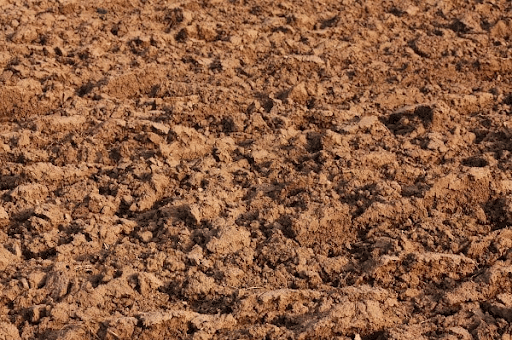
Acidic Soil
|
|
|
|---|---|
| Types of soil | Sodic soils |
| Saline soils | Sandy soils |
Causes of Acid Soils
- The organic matter and minerals that decompose in soil over time are acidic and contribute to the soil's acidity. This occurs frequently in pine forests and peat bogs.
- Through leaching caused by excessive rainfall or irrigation. When there is too much water, key nutrients such as potassium, magnesium, and calcium are washed out (leached) from the soil.
- Because these elements all prevent soil from becoming acidic, when they are leached out, the pH of the soil begins to fall, resulting in acidic soil.
- The use of high-nitrogen synthetic fertilisers is another source of soil acidification. These fertilisers are typically ammonia-based, which causes soil acidity to rise.
Formation of Acid Soils
- Acid soils are the result of several circumstances.
- Generally speaking, the genesis and evolution of acid soils depend heavily on the hydrologic cycle, flora, parent rocks, and human intervention.
- In humid areas with frequent, intense rainfall, acid soils are more common. Acid soils are absent from dry areas.
Climate
- Acid soils are more likely to form in humid areas when evaporation is less than precipitation.
- Water trickling down the soil profiles must reach the water table for acid soils to form.
- In India, it is thought that areas with acidic soils require more than 750 mm of annual precipitation.
- Regions with an average annual rainfall of 1350 mm may have acidic soils with pH values as low as 5.
- Even with little rainfall, acid soils may grow in temperate areas.
- Although there is little rainfall there, the circumstances for the development of acid soils are particularly favourable in steep areas where water loss through evaporation is very slow due to relatively low temperatures.
Vegetation Cover
- Acid soils may easily develop in temperate zones or steep places covered with conifers.
- Conifer leaf has very slow mineralization because it lacks alkali elements.
- Organic acids are generated during the breakdown of leaf litter, eventually causing the soils to become acidic.
- After dying and decaying, plants in marshy and coastal areas release acids that make the soil acidic.
Parental Rocks
- Even though all types of rocks and parental rock materials can support the formation of acid soils in the presence of a favourable environment and vegetation, the development of acid soils on alkaline rocks takes longer than the development of acid soils on acidic parental rocks.
- When compared to parental rock materials with complicated composition, simple composition parental rock materials promote the development of acid soils more quickly.
- This is due to the existence of fewer adsorbed cations, a lacklustre capacity for buffering, and the rapid percolation of water through them.
Topography
- The growth of acid soils is thought to benefit from muddy areas with adequate drainage.
- Acid soils may easily form on slopes of hills.
- In river basins, acid soils often do not form.
- In time, acid soils may also form on plains with sufficient drainage.
Human Interference
- Ongoing human attempts to convert permanently flooded regions into arable land, to improve drainage in permanently submerged or salty fields, and frequent use of nitrogen fertilisers like ammonium sulphate that promote soil acidity are to blame for the pH decline.
- Industrial wastes containing sulphur or sulphur dioxide have a significant role in the formation of acidic soils in metropolitan areas.
Effects of Soil Acidity
- In addition to increasing the availability of some elements to dangerous levels, especially aluminium and manganese, it reduces the availability of plant nutrients like phosphorus and molybdenum.
- Below the rooting zone, vital plant nutrients can also be leached.
- The favourable environment for bacteria, earthworms, and other soil organisms can be damaged by acidity.
- Strongly acidic soils can prevent beneficial bacteria from surviving, including the rhizobia bacteria that fix nitrogen for legumes.
- The generation of organic acid, which results from the breakdown of organic matter or via root secretion, has an impact on plant development.
- Because it severely affects the growth of meristematic tissues near the root tip, where the majority of water and nutrients occur, soil acidity inhibits cell elongation.
- The root permeability was impacted by the accumulation of aluminium on the plant root's surface.
- Root permeability will be negatively impacted, and the cortex will accumulate more nuclei and cell protoplasm (it is colloidal in nature).
Management of Acid Soils
The management of acid soils should be focused on increasing crop yield, either by adjusting agronomic procedures based on the climatic and edaphic conditions or by adding amendments to rectify soil irregularities.
Soil Amelioration
- Lime has been identified as an excellent soil ameliorant because it decreases the toxicity of aluminium, iron, and manganese while increasing base saturation, phosphorus, and molybdenum availability in acid soils.
- Liming also improves atmospheric nitrogen fixation and nitrogen mineralization in acid soils by increasing microbial activity.
- However, the economic feasibility of liming must be determined before making any recommendations.
Liming Materials
- Commercial limestone and dolomite limestone are the most extensively utilised additives.
- Agricultural lime is composed of calcium and magnesium carbonates, oxides, and hydroxides.
- Calcitic and dolomitic carbonates are major naturally occurring lime sources.
- Other liming sources include marl, oyster shells, and a variety of industrial wastes such as steel mill slag, blast furnace slag, lime sludge from paper mills, pressmud from sugar mills, cement wastes, precipitated calcium carbonate, and others that are just as effective as ground limestone and less expensive.
Crop Choice
- Choosing acidity-tolerant crops is a useful technique for combating this soil issue, and developing such varieties is especially important for increasing production, especially in locations where liming is not an economically viable option.
- Crops may be classified based on how well they function in various soil pH ranges.
Conclusion
Acid sulphate soils are typically left to grow naturally or used for mangrove forestry. Rice, cassava, mango, cashew, citrus, pineapple, cowpeas, blueberries, and certain grasses are some of the other crops grown on acidic soils around the world. A spatially variable liming strategy, the use of acid-tolerant species, efficient fertiliser use, appropriate crop rotations, and crop diversification are all part of an integrated approach to acid soil management.
FAQs
Question: What are acid soils?
Answer: Acid soils are those that have a pH level lower than 7, indicating an acidic environment. These soils are typically rich in hydrogen ions, which can be harmful to plant growth if not managed properly. Acidic soils are often found in areas with high rainfall, where the leaching of basic nutrients occurs, leading to an accumulation of acidic compounds. In such soils, the availability of essential nutrients like calcium, magnesium, and potassium is reduced, while elements like aluminum and iron become more soluble and potentially toxic to plants.
Question: What causes soil to become acidic?
Answer: Soil can become acidic due to a variety of natural and human-induced factors: 1. Heavy rainfall: High rainfall can lead to the leaching of basic cations (calcium, magnesium) from the soil, increasing acidity. 2. Decomposition of organic matter: The decomposition of organic material releases organic acids, which can acidify the soil. 3. Fertilizer use: The excessive use of nitrogenous fertilizers (such as ammonium nitrate) can lower soil pH over time. 4. Soil parent material: Soils derived from parent materials such as granite or shale are naturally more acidic. 5. Mining activities: Industrial processes like mining and coal burning release sulfur compounds, which can form sulfuric acid when combined with rainwater, acidifying the soil.
Question: How does acid soil affect plant growth?
Answer: Acid soils can negatively affect plant growth in several ways: 1. Reduced nutrient availability: In acidic soils, essential nutrients like phosphorus, calcium, and magnesium are less available to plants, which can result in stunted growth and poor yields. 2. Toxicity: High concentrations of soluble aluminum and manganese can be toxic to plant roots, inhibiting their ability to absorb water and nutrients. 3. Decreased microbial activity: The acidity in the soil can reduce the activity of beneficial soil microbes that play a key role in nutrient cycling, further reducing soil fertility. 4. Root damage: The excess hydrogen ions can damage plant roots, leading to poor root development and impaired nutrient uptake.
Question: What are the methods to neutralize acidic soils?
Answer: There are several methods to neutralize acidic soils: 1. Liming: The most common method to neutralize acid soils is the application of lime (calcium carbonate), which raises the pH and reduces acidity. 2. Organic amendments: Adding organic materials such as compost or manure can help improve soil structure, reduce acidity, and increase microbial activity. 3. Alkaline fertilizers: Fertilizers like potassium carbonate and calcium phosphate can help increase the pH of the soil and neutralize acidity. 4. Crop rotation: Planting crops that tolerate acidic conditions can help manage pH levels, but this is more of a long-term strategy. 5. Gypsum application: For soils with high aluminum content, gypsum can be used to reduce aluminum toxicity and improve soil pH.
Question: Which crops are suitable for acid soils?
Answer: Certain crops are more tolerant of acidic soils and can thrive in these conditions: 1. Rice: Rice is well-suited for acidic soils, especially in regions with high rainfall. 2. Tea and coffee: These crops grow well in slightly acidic soils, with a pH range of 5.5 to 6.5. 3. Potatoes: Potatoes prefer slightly acidic to neutral soils, making them suitable for regions with naturally acidic soils. 4. Citrus fruits: Citrus crops like oranges and lemons also thrive in mildly acidic soils. 5. Legumes: Some legumes, such as soybeans and peas, are more tolerant to acidic conditions and can fix nitrogen in these soils.
MCQs
1. Which of the following is the primary cause of soil acidity?
A) Excessive rainfall
B) Overuse of phosphorus fertilizers
C) Overgrazing by livestock
D) Use of lime fertilizers
Answer: (A) See the Explanation
Explanation: Excessive rainfall leads to leaching of basic nutrients and cations, which increases the acidity of the soil over time.
2. Which of the following methods is most commonly used to neutralize acidic soils?
A) Application of nitrogenous fertilizers
B) Application of organic manure
C) Application of lime
D) Application of gypsum
Answer: (C) See the Explanation
Explanation: Lime is the most common and effective method for neutralizing acidic soils by raising the pH and reducing soil acidity.
3. What is the main effect of soil acidity on plant growth?
A) Increased nutrient availability
B) Enhanced microbial activity
C) Toxicity to roots and poor nutrient uptake
D) Increased yield production
Answer: (C) See the Explanation
Explanation: Acidic soils often lead to toxic levels of aluminum and manganese, which inhibit root growth and reduce nutrient uptake, stunting plant growth.
4. Which of the following crops is most suitable for acidic soils?
A) Barley
B) Wheat
C) Rice
D) Soybeans
Answer: (C) See the Explanation
Explanation: Rice is well-suited to acidic soils, particularly in areas with high rainfall, as it thrives in low-pH conditions.
5. What is the main consequence of high soil acidity in agriculture?
A) Increased soil fertility
B) Increased water retention
C) Reduced availability of essential nutrients
D) Increased crop resistance to pests
Answer: (C) See the Explanation
Explanation: High soil acidity reduces the availability of key nutrients such as calcium, magnesium, and phosphorus, leading to poor crop growth and reduced yields.
GS Mains Questions and Model Answers
Q1: Discuss the impact of acid soils on agricultural productivity and suggest strategies for mitigating their adverse effects.
Answer: Acid soils can significantly hamper agricultural productivity by reducing the availability of essential nutrients such as calcium, phosphorus, and potassium, while increasing the solubility of toxic elements like aluminum. These conditions lead to poor root development, stunted growth, and reduced crop yields. Strategies to mitigate the effects of acidic soils include: 1. Liming: The most effective and widely used method to neutralize acidic soils is the application of lime, which raises the soil pH and improves nutrient availability. 2. Use of organic amendments: Adding organic matter, such as compost or farmyard manure, can improve soil structure and enhance microbial activity, which helps in reducing soil acidity. 3. Crop rotation: Growing acid-tolerant crops such as rice, tea, and certain legumes can help improve soil conditions over time and reduce the impact of acidity. 4. Application of alkaline fertilizers: Fertilizers like calcium phosphate can be used to increase soil pH and neutralize acidity. By implementing these methods, agricultural productivity in acidic soil regions can be significantly improved.
Q2: Analyze the causes and consequences of soil acidity on crop yield and suggest remedial measures.
Answer: Soil acidity is caused by factors such as excessive rainfall, the use of nitrogen-based fertilizers, and the natural parent material of the soil. The consequences of soil acidity include poor nutrient availability, increased toxicity of metals like aluminum, and reduced microbial activity, all of which hinder crop growth and lead to decreased yields. Remedial measures include: 1. Liming the soil: Applying lime helps neutralize excess acidity, improving the availability of nutrients. 2. Use of organic materials: Organic amendments like compost help improve soil structure and increase the pH, thereby promoting better plant growth. 3. Alkaline fertilizers: Fertilizers like potassium carbonate and calcium phosphate can also help reduce soil acidity and provide essential nutrients to crops. With these interventions, soil health can be restored, leading to higher agricultural productivity and improved food security.
Q3: Explain the role of acid-tolerant crops in managing acid soils and discuss their benefits.
Answer: Acid-tolerant crops play a critical role in managing acid soils by maintaining soil fertility and ensuring continued agricultural production. These crops are capable of growing in lower pH conditions where other crops might fail, thus offering a viable solution for acid-affected regions. For example, crops like rice, tea, and certain legumes can thrive in acidic soils. The benefits of acid-tolerant crops include: 1. Improved yield: By selecting acid-tolerant varieties, farmers can still produce high yields despite challenging soil conditions. 2. Soil management: These crops help to stabilize soil pH and prevent further degradation, contributing to long-term soil health. 3. Economic benefits: Growing crops that are suited to acidic soils helps improve food security and farmer incomes in regions affected by soil acidity. Incorporating acid-tolerant crops into farming systems is a sustainable approach to managing acid soils while ensuring continuous agricultural output.
Previous Year Questions on Acid Soils
1. UPSC CSE Prelims 2019:
Question: Which of the following crops is best suited for acidic soils?
A) Rice
B) Wheat
C) Cotton
D) Barley
Answer: (A)
Explanation: Rice is well-suited for acidic soils, especially in regions with high rainfall, making it ideal for cultivation in acidic conditions.
2. UPSC CSE Mains 2020 (GS Paper 3):
Question: "Examine the causes and effects of acid soils on agriculture in India. Suggest appropriate remedial measures."
Answer: Acid soils in India are caused by factors like heavy rainfall, excessive use of nitrogenous fertilizers, and the natural characteristics of the soil. These soils lead to poor crop yields by reducing nutrient availability and increasing the toxicity of elements like aluminum. Remedial measures such as liming, organic amendments, and the use of alkaline fertilizers can help neutralize acidity, improving soil fertility and agricultural productivity. Additionally, the introduction of acid-tolerant crops can provide an immediate solution for farmers in affected regions, ensuring food security and sustainable agriculture.
Download the PREPP App and attempt FREE IAS Exam Mock Tests and get complete study material!

Full Test - 04: UPSC CSE Prelims CSAT (Paper-II)
Full Test - 03: UPSC CSE Prelims CSAT (Paper-II)
UPSC CSE Prelims 2026 CSAT Paper 2 Question Paper (24-May-2026)
UPSC CSE Prelims 2026 GS Paper 1 Question Paper (24-May-2026)

17 February 2025 | The Hindu Must Read Articles | Current Affairs

16 February 2026 | The Hindu Must Read Articles | Current Affairs

13 February 2026 | The Hindu Must Read Articles | Current Affairs









Comments