Oil Cakes - Concentrated Organic Manures - Agriculture Notes
Oil Cake, also known as Press Cake is a coarse byproduct of oil extraction from a variety of oilseeds and it is beneficial as a fertilizer, for chicken, and as other animal feed because it is high in protein and minerals. Mustard cakes, Neem Cakes, and Groundnut Cakes are excellent examples of oil cakes. It could be sold in chunks or processed into an oil meal. Certain oil cakes made from seeds like castor beans and tung nuts are poisonous and are used as fertilizers instead of animal feed. This article will explain to you about Oil Cakes which will be helpful in preparing the Agriculture Syllabus for the UPSC Civil Service exam.
|
Table of Contents |
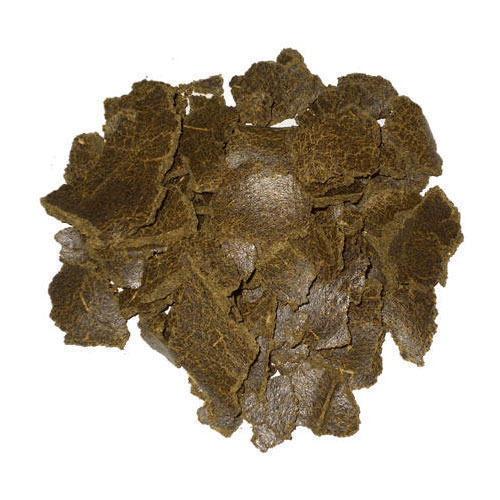
Compressed Mustard Oil Cakes
What are Concentrated Organic Manures?
- Concentrated organic manures are those that are naturally organic and have higher concentrations of important plant nutrients like N, P2O5, and K2O than bulky organic manures.
- These concentrated manures are made from basic materials that are either plant- or animal-derived.
- These are also referred to as organic nitrogen fertilizers. Before their organic nitrogen is utilized by the crops, it is transformed by bacterial action into easily available ammoniacal nitrogen and nitrate nitrogen.
- As a result, these organic fertilisers are relatively slow acting, but they provide available nitrogen for a longer period of time.
What is an Oil Cake?
- Following the extraction of oil from oilseeds, the remaining solid portion is dried as cake and can be used as manure. There are two kinds of oil cakes:
- Edible oil cakes that can be safely fed to livestock, such as groundnut cake and coconut cake.
- Non-edible oil cakes that are not suitable for feeding livestock, such as Castor cake, Neem cake, Mahua cake, and so on.
- Manures can be made from both edible and non-edible oil cakes.
- Edible oil cakes, on the other hand, are fed to cattle, while non-edible oil cakes are used as manures, particularly for horticultural crops.
- After mineralization, nutrients in oil cakes become available to crops 7 to 10 days after application.
- Oilcakes must be thoroughly powdered before use to ensure even distribution and faster decomposition.
- Oil cake, which is made up of the leftovers from the oil extraction process at the processing plant and contains a high nitrogen content, is one of the natural organic fertilizers.
- Among the products whose processing results in oil cakes are olives for olive oil, peanuts for peanut oil, coconut flesh for coconut cream and milk (sapal), grapes for wine, apples for cider, and soybeans for soy milk.
- Other frequent oil cakes are made from sunflower, cottonseed, and flax seed (also known as linseed).
- Some specific varieties, however, may be poisonous and are instead utilized as fertilizer. For instance, cottonseed includes the toxic pigment gossypol, which must be removed before processing.
How is Oil Cake used for Plants?
- A compressed mixture of the leftover meal from the extraction of vegetable oils from seeds like cotton and groundnuts, etc. is known as an oil-seed cake.
- These are excellent particularly as fertilizers for plants as they are high in protein and minerals.
- Food and vegetable growers frequently utilize oil cakes as a source of plant nutrients and as a nematode control method.
- Oil cakes can be sprinkled or placed in pellet form on the soil, watered, and let to break down. Their nematicidal effect grows as the decomposition time grows.
- Before planting, plant seeds can also be treated with oil-cake extracts to nematode-proof the crop.
Importance of Oil Cakes
- Many non-edible oil cakes, such as castor, neem, madhuca, karanja, linseed, rape seed, and cotton seed, can be used as organic manure because they contain high levels of plant nutrients.
- The majority of non-edible oil cakes are highly valued for their alkaloid content, which inhibits the nitrification process in soils.
- The alkaloids nimbin and nimbicidine found in neem cake effectively inhibit the nitrification process.
- Similarly, Karanjin (Pongamia pinnata) and (Madhuca butyracea) are potent nitrification inhibitors with the same efficiency as nitropyrin in retarding ammoniacal nitrogen nitrification and increasing rice yield, nitrogen uptake, and grain protein content.
- Madhuca cake has been successfully used for rice cultivation in coastal saline soils.
Oil Cake - Nematode Suppression in Soil
- According to earlier findings, using oil cakes has been quite effective at nematode control in the soil.
- Additionally, it has been claimed that the decomposition of groundnut, mahua, mustard, karanj, and neem oil-cake products has an impact on M. incognita mortality.
- Even in the first week, the mustard cake was revealed to be the most nematotoxic food.
- Additionally, it demonstrated that mortality increased up to 20 days into the neem cake's decomposition process before starting to decline.
- It's interesting to note that the reduction level rises with greater dosages and longer treatment times.
- When inorganic fertilizers like nitrogen, phosphorus, and potassium are added to neem oil cakes, it will have an additive effect on mycelial growth and sporulation, boosting the antagonistic potential of nematodes.
Conclusion
It has been discovered that oil cakes are the best substrate for the rapid growth of beneficial microorganisms, which in turn benefits plants in a variety of ways. In recent years, research on oil-cake supplements has followed the same investigational pathways, but with a greater focus on understanding the real processes underlying the effects of integrating bio-control agents with oil cakes. The oil cake is also utilized as boiler fuel in some areas to cut energy expenses, an usage for which it is extremely suitable.
FAQs
Question: What are oil cakes in agriculture?
Answer: Oil cakes are the by-products of oil extraction from seeds like groundnut, mustard, soybean, and cotton. After extracting oil from the seeds, the remaining solid residue is known as the oil cake. Oil cakes are rich in essential nutrients such as nitrogen, phosphorus, potassium, and organic matter, making them an excellent source of organic manure for improving soil fertility. They are widely used as a natural fertilizer in agriculture to promote plant growth and enhance crop yield.
Question: How are oil cakes used in agriculture?
Answer: Oil cakes are primarily used as concentrated organic manures in agriculture. They are applied to soil to enrich it with nutrients and organic matter, improving soil structure and enhancing microbial activity. Oil cakes can be directly mixed into the soil or used in composting to improve the overall quality of the soil. Additionally, some oil cakes, such as neem cake, are also used as natural pest repellents, helping in integrated pest management (IPM) systems.
Question: What are the benefits of using oil cakes as fertilizers?
Answer: The benefits of using oil cakes as fertilizers include:
- Organic Matter: Oil cakes improve the organic content of the soil, enhancing its structure, aeration, and water-holding capacity.
- Rich in Nutrients: Oil cakes are rich in macronutrients like nitrogen, phosphorus, and potassium, essential for plant growth.
- Slow Release of Nutrients: Oil cakes release nutrients gradually, providing continuous nourishment to plants.
- Environmentally Friendly: As organic fertilizers, oil cakes are sustainable and reduce dependency on synthetic chemical fertilizers.
- Pest Control: Some oil cakes, like neem cake, have pesticidal properties, helping control soil-borne pests and diseases.
Question: What are some common types of oil cakes used in agriculture?
Answer: Some common types of oil cakes used in agriculture include:
- Groundnut Cake: Derived from groundnut oil, it is rich in nitrogen and is a popular organic fertilizer.
- Mustard Cake: A by-product of mustard oil extraction, it is a good source of organic matter and nutrients like phosphorus.
- Neem Cake: Made from the seeds of the neem tree, it has pesticidal properties and is used to control soil pests.
- Sesame Cake: Produced from sesame seeds, it contains both macronutrients and micronutrients beneficial for plant growth.
Question: Can oil cakes be harmful to plants or soil?
Answer: While oil cakes offer many benefits, excessive use can sometimes be harmful to plants and soil. Over-application can lead to an imbalance in nutrient levels, particularly excess nitrogen, which may cause nutrient toxicity or poor plant growth. Additionally, oil cakes like neem cake, while effective against pests, can have an inhibitory effect on the growth of certain plants if used in excess. Therefore, it is essential to apply oil cakes in appropriate quantities based on the soil's nutrient requirements and the specific needs of the crops.
MCQs
1. What is the main component of oil cakes that makes them suitable for use as organic manure?
A) Organic matter
B) Protein
C) Vitamins
D) Fiber
Answer: (A) See the Explanation
Explanation: The main component of oil cakes that makes them suitable for use as organic manure is their organic matter content, which enriches the soil and improves its fertility.
2. Which oil cake is known for its pesticidal properties and is used to control soil-borne pests?
A) Groundnut Cake
B) Mustard Cake
C) Neem Cake
D) Sesame Cake
Answer: (C) See the Explanation
Explanation: Neem cake is known for its pesticidal properties and is widely used to control soil-borne pests and diseases in agricultural fields.
3. Oil cakes are a source of which of the following nutrients?
A) Nitrogen
B) Potassium
C) Phosphorus
D) All of the above
Answer: (D) See the Explanation
Explanation: Oil cakes are rich in macronutrients like nitrogen, phosphorus, and potassium, making them highly beneficial as organic fertilizers for soil enrichment.
4. Which of the following oil cakes is commonly used for improving soil fertility in organic farming?
A) Cotton Cake
B) Olive Cake
C) Mustard Cake
D) Sunflower Cake
Answer: (C) See the Explanation
Explanation: Mustard cake is commonly used in organic farming as it is rich in organic matter and nutrients that help improve soil fertility.
5. What is one potential drawback of using oil cakes excessively in agriculture?
A) Nutrient deficiency
B) Excessive nitrogen leading to toxicity
C) Soil erosion
D) Loss of soil biodiversity
Answer: (B) See the Explanation
Explanation: Excessive use of oil cakes, particularly those rich in nitrogen, can lead to an imbalance in the soil nutrient content, causing nitrogen toxicity and affecting plant growth.
GS Mains Questions and Model Answers
Q1: Discuss the role of oil cakes in sustainable agriculture. How do they contribute to soil health and crop productivity?
Answer: Oil cakes play a vital role in sustainable agriculture by providing a natural source of nutrients to the soil without the harmful side effects of synthetic fertilizers. They contribute to soil health by adding organic matter, which improves soil structure, water retention, and aeration. Oil cakes are rich in essential nutrients like nitrogen, phosphorus, and potassium, which are essential for plant growth. The gradual release of these nutrients ensures that crops receive steady nourishment, leading to improved crop productivity. Additionally, oil cakes like neem cake have pesticidal properties, contributing to pest control and reducing the need for chemical pesticides. Overall, oil cakes are an eco-friendly and effective method of maintaining soil fertility and promoting sustainable agricultural practices.
Q2: How does the use of oil cakes as organic fertilizers benefit the environment compared to synthetic fertilizers?
Answer: The use of oil cakes as organic fertilizers offers several environmental benefits over synthetic fertilizers. Firstly, oil cakes are derived from natural, renewable resources, making them more sustainable. Unlike chemical fertilizers, which can lead to soil degradation, nutrient imbalances, and water pollution through runoff, oil cakes improve soil structure and microbial activity, enhancing long-term soil health. Moreover, the slow release of nutrients from oil cakes reduces the risk of nutrient leaching into groundwater, thus protecting water bodies. The use of organic fertilizers also reduces the environmental impact associated with the production and transportation of synthetic fertilizers, leading to a lower carbon footprint in agriculture.
Q3: Analyze the economic advantages of using oil cakes in agriculture for small-scale farmers in India.
Answer: For small-scale farmers in India, the use of oil cakes presents several economic advantages. Since oil cakes are relatively inexpensive compared to synthetic fertilizers, they provide an affordable option for improving soil fertility. Oil cakes also reduce the dependency on chemical pesticides and fertilizers, leading to cost savings in the long run. Furthermore, by improving soil health and increasing crop yield, the use of oil cakes enhances the overall productivity of small farms, contributing to higher income for farmers. Oil cakes are also readily available as by-products of oil extraction in rural areas, making them easily accessible for small-scale farmers without the need for extensive transportation or logistics.
Previous Year Questions on Oil Cakes and Organic Manures
1. UPSC CSE Prelims 2021:
Question: Which of the following is used as an organic manure in agriculture?
A) Urea
B) Ammonium nitrate
C) Oil Cake
D) Superphosphate
Answer: (C)
Explanation: Oil cakes, such as mustard cake and neem cake, are used as organic manure in agriculture due to their rich nutrient content.
2. UPSC CSE Mains 2020 (GS Paper 3):
Question: "What is the role of organic manures, such as oil cakes, in sustainable agricultural practices in India?"
Answer: Organic manures, like oil cakes, play a critical role in sustainable agriculture by improving soil health, enhancing nutrient availability, and reducing reliance on chemical fertilizers. Oil cakes add organic matter to the soil, improving its structure, moisture retention, and microbial activity. They provide essential nutrients gradually, promoting healthy plant growth and reducing environmental impact. In India, where small-scale farming is predominant, the use of oil cakes as organic manures helps increase productivity while maintaining ecological balance and reducing input costs.
Download the PREPP App and attempt FREE IAS Exam Mock Tests and get complete study material!

Full Test - 04: UPSC CSE Prelims CSAT (Paper-II)
Full Test - 03: UPSC CSE Prelims CSAT (Paper-II)
UPSC CSE Prelims 2026 GS Paper 1 Question Paper (24-May-2026)
UPSC CSE Prelims 2026 CSAT Paper 2 Question Paper (24-May-2026)

17 February 2025 | The Hindu Must Read Articles | Current Affairs

16 February 2026 | The Hindu Must Read Articles | Current Affairs

13 February 2026 | The Hindu Must Read Articles | Current Affairs









Comments