Bone Meal - Concentrated Organic Manure - Agriculture Notes
A bone meal is an organic manure manufactured from heating animal bones that are then ground into a fine powder or granules for use on plants or crops. The plants will benefit from the nutrients and minerals found in bones, especially calcium and phosphorous which will help them grow stronger and healthier. On the other hand, not every circumstance calls for bone meal fertilizer. This article will explain to you about Bone Meal which will be helpful in preparing the Agriculture Syllabus for the UPSC Civil Service exam.
|
Table of Contents |
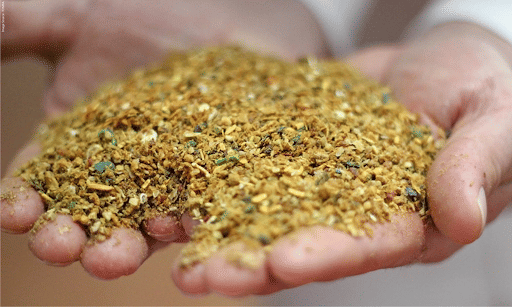
Bone Meal Manure for Plants
What are Concentrated Organic Manures?
- Concentrated organic manures are those that are naturally organic and have higher concentrations of important plant nutrients like N, P2O5, and K2O than bulky organic manures.
- These concentrated manures are made from basic materials that are either plant- or animal-derived.
- These are also referred to as organic nitrogen fertilizers. Before their organic nitrogen is utilized by the crops, it is transformed by bacterial action into easily available ammoniacal nitrogen and nitrate nitrogen.
- As a result, these organic fertilizers are relatively slow acting, but they provide available nitrogen for a longer period of time.
What is Bone Meal?
- Animal bones, slaughterhouse waste, and finely and coarsely ground waste constitute a bone meal.
- Steamed animal bones are ground into a fine powder or granules for use on plants or crops to make bone meal fertiliser.
- Bones contain nutrients and minerals that benefit your plants, making them healthier and stronger.
- Hydroxyapatite is used as a dietary supplement to give monogastric animals calcium (Ca) and phosphorus (P).
- It provides plants with Phosphorus, Calcium, and a small quantity of Nitrogen as a slow-release organic fertilizer.
- Phosphorus is increased in the garden with bone meal fertilizer. The NPK of most bone meal is 3-15-0. Phosphorus is required by plants in order for them to flower.
- Plants readily absorb phosphorus from bone meal. Using bone meal will help flowering plants, such as roses or bulbs, grow larger, more abundant flowers.
Bone Meal - Background
- Justus von Liebig first proposed the method—which involved dissolving animal bones in sulphuric acid—around 1840, and Rev. James Robertson used it for the first time in Britain in Ellon, Aberdeenshire, in 1841.
- The spread of agriculture prior to Liebig had caused the soil to become devoid of vital nutrients.
- Farmers gathered the bones from famous battles like the Battle of Waterloo and the Battle of Austerlitz out of hopelessness in order to crush them and nourish the soil.
- In the 19th century, Europe saw the large-scale manufacture and worldwide trading of bone meal as crucial to the advancement of agriculture.
Bone Meal - Directions for Use
- A soil test must be done before bone meal fertilizer is applied to the garden. If it is the best option for the soil, this will help to determine that.
- Bone meal application is easy and doesn't require frequent repetition.
- The usual recommendation for using bone meal fertilizer is 3 cups for every 100 square feet of soil.
- It is important to stir the soil thoroughly and evenly mix the bone meal into the ground while incorporating it into the soil to ensure that there are no unmixed clumps or deposits of the fertilizer.
- As a result, it will be more evenly distributed throughout the soil and less prone to being consumed by animals.
- It should not be reapplied within this time frame because it takes around four months for bone meal fertilizer to completely decompose in the soil.
Bone Meal - Benefits
- Rich in Calcium: In addition to being good for humans, calcium is also good for plants. This crucial mineral is abundant in bone meal fertilizer. It encourages sturdy development and keeps the plants' cell walls firm and healthy.
- Rich in Phosphorus: Another essential component present in bone meal fertilizer is phosphorus which is crucial for photosynthesis, the growth of roots, flowers, and seeds, and the transfer of energy inside plants, among other essential processes. It also increases pest and disease resistance.
- Doesn't Need Frequent Applications: Bone meal fertilizer only needs to be applied once a year and decomposes gradually, making it the ideal long-term fertilizer. The bone meal will keep feeding the plants throughout the season as it gradually decomposes.
- Fully Organic: Bone meal fertilizer is a fantastic choice when using organic gardening practices.
- Acts as Balance for other Soil Amendments: Although compost and manure are beneficial soil amendments, they are frequently high in nitrogen and low in other nutrients. Bone meal can also be used to balance out other organic soil amendments that are high in nitrogen.
- Enriches Soil Bacteria: In addition to being entirely chemical-free, the natural breakdown process supports the soil's bacteria.
- Micronutrients: Bone Meal has micronutrients like magnesium, zinc, and iron that improve plant health and aid in the development of soil microorganisms. This enhances the soil's general composition and quality, which benefits the plants and produce in turn.
- No Burning of Plants on Excessive Application: In addition, even if too much is unintentionally applied, plants are not burned.
Bone Meal - Disadvantages
- May Attract Animals: The smell of bones might invite unwelcome attention from animals that might try to dig up the garden.
- Given that all dogs enjoy chewing on a good bone, this can also be a concern for dog owners.
- Not Suitable for All Soil pH Levels: Research reports indicate that plants can only access phosphorus from organic fertilizers like a bone meal in acidic soil with a pH of 7 or lower.
- Bone meal fertilizer won't have much of an effect if the soil is already leaning towards alkalinity.
- If not thoroughly mixed, this phosphorus-rich fertiliser can enter water systems and cause an algae bloom.
- Too much bone meal fertiliser can be detrimental to your plants. Overfertilization can cause other nutrients that your plant requires to be pushed out.
Conclusion
In order to provide the plants with vital nutrients such as calcium and phosphorus and to support strong, healthy plants, bone meal fertilizer is a fantastic organic fertilizer. It might not, however, be appropriate for all gardens. Before selecting a fertilizer for a garden, it is also mandatory to conduct a soil test.
FAQs
Question: What is bone meal and how is it used in agriculture?
Answer: Bone meal is a natural fertilizer made from finely ground animal bones. It is rich in phosphorus and calcium, enhancing soil fertility and promoting root development in plants.
Question: What are the primary benefits of using bone meal as a fertilizer?
Answer: Bone meal provides essential nutrients like phosphorus and calcium, improving soil structure, promoting strong root growth, and enhancing flower and fruit production.
Question: Can bone meal be used for all types of plants?
Answer: Bone meal is ideal for phosphorus-loving plants such as vegetables, flowers, and fruits. However, it should be used carefully for nitrogen-sensitive crops.
Question: How does bone meal contribute to soil health?
Answer: Bone meal enhances soil health by adding organic matter, improving soil structure, and increasing its capacity to hold nutrients and water for plants.
Question: Is bone meal an environmentally sustainable fertilizer?
Answer: Bone meal is considered environmentally sustainable as it is made from animal by-products, reducing waste, and offering a natural alternative to chemical fertilizers.
MCQs
1. Which nutrient is bone meal primarily rich in?
A) Nitrogen
B) Potassium
C) Phosphorus
D) Magnesium
Answer: (C) See the Explanation
Bone meal is primarily rich in phosphorus, which is essential for root development, flowering, and fruit production in plants.
2. What is the main advantage of using bone meal over synthetic fertilizers?
A) Faster results
B) Higher nitrogen content
C) Slow-release nutrients
D) Lower cost
Answer: (C) See the Explanation
Bone meal provides slow-release nutrients, ensuring a steady supply of phosphorus and calcium to plants over an extended period, unlike synthetic fertilizers that release nutrients quickly.
3. How does bone meal improve soil structure?
A) By increasing soil acidity
B) By reducing soil compaction
C) By promoting microbial activity
D) By adding organic matter
Answer: (D) See the Explanation
Bone meal adds organic matter to the soil, which improves its structure by increasing aeration, water retention, and nutrient-holding capacity.
4. Which of the following crops benefit most from bone meal?
A) Legumes
B) Root vegetables
C) Cereal crops
D) Flowering plants and fruits
Answer: (D) See the Explanation
Flowering plants and fruits benefit greatly from bone meal due to its high phosphorus content, which promotes strong root growth and improves flower and fruit production.
5. How long does it take for bone meal to break down in the soil?
A) 1-2 weeks
B) 1-3 months
C) 6 months to a year
D) More than a year
Answer: (C) See the Explanation
Bone meal is a slow-release fertilizer, taking about 6 months to a year to fully break down and release its nutrients into the soil.
GS Mains Questions and Model Answers
Q1: Discuss the role of organic fertilizers like bone meal in sustainable agriculture. How do they compare with synthetic fertilizers?
Answer: Organic fertilizers, such as bone meal, promote long-term soil health by improving soil structure, enhancing microbial activity, and providing essential nutrients. Unlike synthetic fertilizers, which offer quick fixes, organic fertilizers release nutrients slowly, reducing the risk of nutrient leaching and pollution. They are key to sustainable farming practices as they improve soil fertility without depleting its natural resources.
Q2: Explain the importance of phosphorus for plant growth and how bone meal contributes to it. What are the environmental implications of phosphorus use in agriculture?
Answer: Phosphorus is a vital nutrient for plant growth, promoting root development, flowering, and fruiting. Bone meal is an excellent source of phosphorus, providing plants with a steady supply. However, excessive phosphorus use can lead to eutrophication, causing water pollution and loss of biodiversity. Therefore, it is essential to use phosphorus-rich fertilizers like bone meal judiciously to avoid environmental degradation.
Q3: Evaluate the economic and environmental sustainability of bone meal as a fertilizer in India. What challenges does its widespread use pose?
Answer: Bone meal is an economically sustainable alternative to chemical fertilizers, especially for phosphorus-deficient soils in India. It is an organic product, reducing dependency on synthetic fertilizers and promoting sustainable agriculture. However, challenges include its availability, high cost, and the potential environmental impact of overusing animal-based products. A balanced approach with other organic fertilizers can help mitigate these issues.
Previous Year Questions on Bone Meal
1. UPSC CSE 2018
Question: Discuss the role of organic fertilizers in sustainable farming. What are the limitations of using organic fertilizers like bone meal?
Answer: Organic fertilizers improve soil health, enhance nutrient availability, and reduce dependency on chemical fertilizers. However, their limitations include slower nutrient release rates and potential high costs. Bone meal, for example, is rich in phosphorus but can be expensive, and its breakdown in the soil takes time. Additionally, the overuse of organic fertilizers can lead to the depletion of other nutrients like nitrogen and potassium.
2. UPSC CSE 2017
Question: Evaluate the environmental impacts of excessive use of chemical fertilizers and suggest organic alternatives like bone meal.
Answer: Excessive use of chemical fertilizers leads to soil degradation, water pollution, and loss of biodiversity. Organic alternatives like bone meal provide sustainable nutrient replenishment, improving soil structure and promoting long-term fertility. However, they should be used alongside other organic materials to ensure a balanced nutrient profile for the soil.
Download the PREPP App and attempt FREE IAS Exam Mock Tests and get complete study material!

Full Test - 04: UPSC CSE Prelims CSAT (Paper-II)
Full Test - 03: UPSC CSE Prelims CSAT (Paper-II)
UPSC CSE Prelims 2026 GS Paper 1 Question Paper (24-May-2026)
UPSC CSE Prelims 2026 CSAT Paper 2 Question Paper (24-May-2026)

17 February 2025 | The Hindu Must Read Articles | Current Affairs

16 February 2026 | The Hindu Must Read Articles | Current Affairs

13 February 2026 | The Hindu Must Read Articles | Current Affairs









Comments