Drip Irrigation - Agriculture Notes
Drip irrigation, also known as trickle irrigation, is a type of micro-irrigation system that allows water to drip slowly to plant roots, either above the soil surface or buried below the soil surface. The goal is to direct water into the root zone while minimizing evaporation. Drip irrigation systems use a network of valves, pipes, tubing, and emitters to distribute water. A drip irrigation system may be more efficient than other types of irrigation systems, such as surface irrigation or sprinkler irrigation, depending on how well it is designed, installed, maintained, and operated. In this article, we will discuss Drip Irrigation which will be helpful for UPSC exam preparation.
|
Table of Contents |
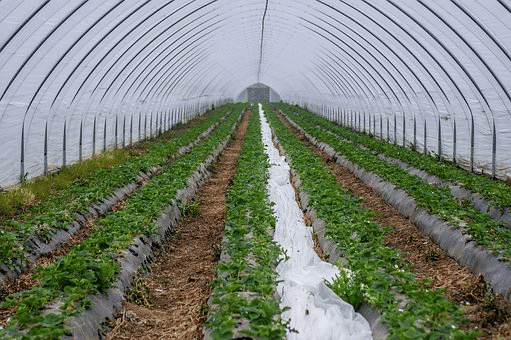
Drip Irrigation
What is Irrigation & Irrigation System?
- Irrigation is the process of artificially applying water to crops in order to meet their water requirements.
- Irrigation can also be used to provide nutrients to crops.
- Irrigation is typically used in areas where rainfall is irregular, dry periods are expected, or drought is predicted.
- There are various types of irrigation systems that supply water uniformly to the entire field.
- Groundwater, from springs or wells, surface water, from rivers, lakes, or reservoirs, and even treated wastewater or desalinated water can be used for irrigation.
- Irrigation provides the necessary moisture for growth and development, germination, and other related functions.
- The frequency, rate, amount, and time of irrigation differ for different crops, as well as depending on soil type and season.
- Summer crops, for example, require significantly more water than winter crops.
- Farmers must protect their agricultural water source to reduce the risk of contamination.
- As with any groundwater removal, irrigation water users must exercise caution to avoid pumping groundwater out of an aquifer faster than it is being recharged.
- It is regarded as a basic infrastructure and a necessary input for agricultural production.
- The primary goal is to maintain agricultural output while using as little water as possible, as well as to maintain landscapes and re-vegetate disturbed soils.
- Irrigation is frequently studied in conjunction with drainage, which is the natural or artificial removal of surface and subsurface water from a specific area.
What is Drip irrigation?
- Drip irrigation, also known as 'trickle irrigation,' is a method of applying the required amount of water directly to the root zones of plants at regular intervals via drippers or emitters.
- It was developed in Israel in the early 1960s and became popular in water-stressed areas.
- Drip irrigation is the most effective and can be used on a variety of crops, particularly vegetables, orchard crops, flowers, and plantation crops.
- Tree crops occupy the greatest percentage of the total area under drip irrigation in India, followed by vine crops, vegetables, field crops, flowers, and other crops.
- Water is applied near the plant root via emitters or drippers on or below the soil surface at a low rate ranging from 2 to 20 litres per hour in drip irrigation. With frequent irrigation, soil moisture is kept at an optimal level.
- Drip irrigation is the most efficient irrigation method and can be used on a wide range of crops, particularly vegetables, orchard crops, flowers, and plantation crops.
Major Components of Drip Irrigation
- Pump Station: It collects water from the source and regulates the pressure for delivery into the pipe system.
- Control Valves: The discharge and pressure in the entire system are controlled by control valves.
- Filtration System: The water is cleaned by a filtration system. Screen filters and graded sand filters are common types of filters that remove fine material suspended in water.
- Fertilizer Tank: During irrigation, the fertiliser tank/venturi slowly adds a measured dose of fertiliser to the water. One of the primary advantages of drip irrigation over other methods is this.
- Mainlines, Submains & Laterals: Water is delivered to the fields via mainlines, submains, and laterals from the control head.
- Emitters: Also known as drippers, they are devices that control the flow of water from the lateral to the plants. They are typically more than one metre apart, with one or more emitters dedicated to a single plant, such as a tree.
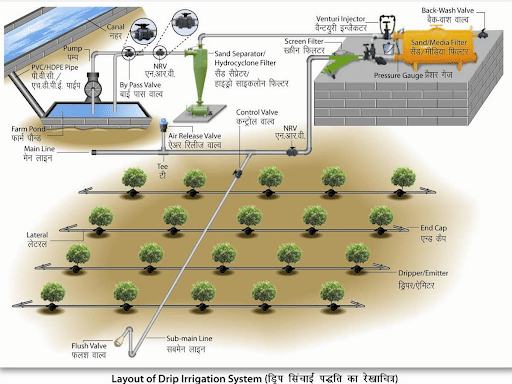
Layout of Drip Irrigation System
Working of Drip Irrigation
- Water is applied to the soil surface or subsurface at a rate lower than the soil's infiltration rate in this system, drop by drop or by a micro jet.
- The emitters dissipate pressure from the distribution system via orifices, vortexes, and tortuous or long flow paths, allowing for the discharge of a limited volume of water.
- The majority of emitters are placed on the ground, but they can also be buried.
- The emitted water travels primarily through the soil system via unsaturated flow.
- Water percolates into the soil and wets the root zones of plants both vertically and laterally via capillary action.
- In the medium to heavy soil, lateral movement of water beneath the surface is greater than in sandy soil.
- For widely spaced emitters, the wetted soil area is typically elliptical in shape. On windy days and during various land operations, drip irrigation can be used.
Types of Drip Irrigation System
Surface Drip Irrigation
- Surface drip irrigation is used to water perennial crops (plants that live for more than two years) as well as annual crops (plants that germinate, produce seeds, flower, and die in a single year).
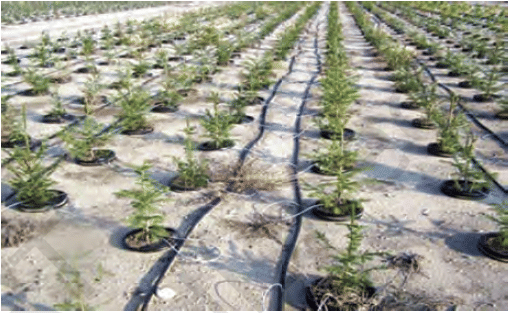
Surface Drip Irrigation
Sub-surface Drip Irrigation
- Subsurface drip irrigation is a method of irrigating crops using buried plastic tubes with embedded emitters spaced at regular intervals.
- Sub-surface drip irrigation reduces evaporation and uses water more efficiently than surface irrigation.
- Subsurface irrigation eliminates the effects of surface infiltration such as crusting, evaporation, and surface run-off.
- In contrast to surface irrigation, which allows most weed seeds to hibernate, water is applied directly to the root zone of a crop.
- In this system, water is applied efficiently and uniformly.
- Subsurface drip irrigation aids in water conservation in open field agriculture, often saving up to 25-50 percent of the water used by flood irrigation.
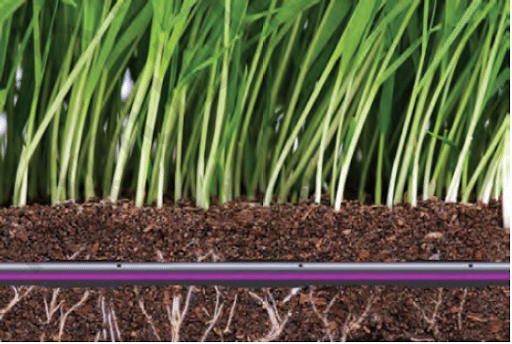
Sub-surface Drip Irrigation
Family Drip
- A family drip irrigation system, also known as a 'gravity fed drip irrigation system,' is a low-cost irrigation system designed for small family plots.
- It is appropriate for indoor gardening and peri-urban agriculture.
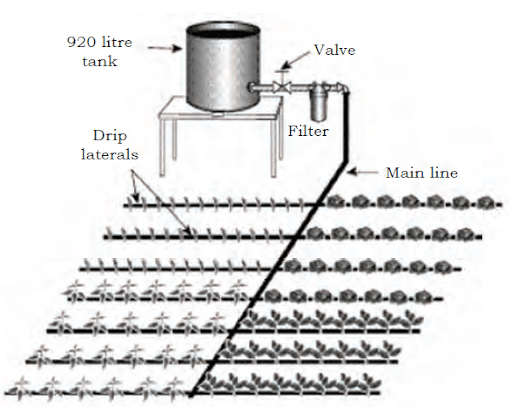
Family Drip Irrigation
Online Drip
- Emitters or drippers are fixed externally on the laterals at predetermined spacings in this system. As a result, clogged drippers can be easily checked and cleaned.
- The dripper spacing can be changed at any time to cover a plant's expanded root zone.
- In orchards, vineyards, artificial landscapes, and nurseries, online dripper systems are used.
- It is commonly used to water horticultural plants such as mango, coconut, orange, lemon, banana, grapes, pomegranate, papaya, sapota, guava, teakwood, bamboo, amla (Indian gooseberry), and so on.
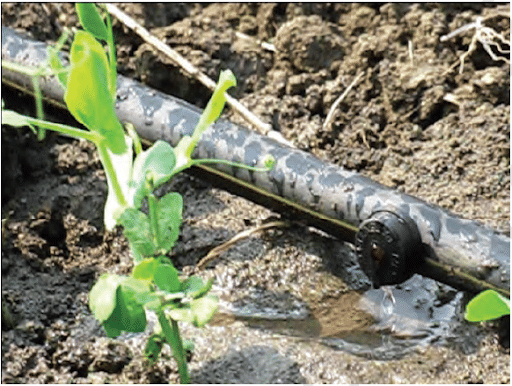
Online Drip Irrigation
In-line Drip
- Drippers are installed in the lateral tube at predetermined spacings in this system to meet the needs of various crops.
- It works well on row crops such as cotton, sugarcane, groundnuts, vegetables, and flowering crops.
- Dripper spacing is determined by a crop's water requirement and the soil's waterholding capacity.
- The dripper spacing cannot be changed once installed.
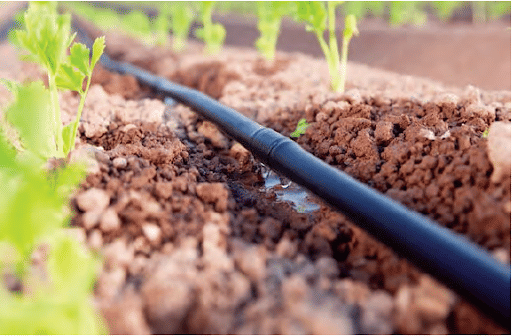
In-line Drip Irrigation
Advantages of Drip Irrigation
- It is possible to use soluble fertilizers and chemicals.
- Because of the localized application and reduced leaching, fertilizer and nutrient loss is minimized.
- The application of water is highly efficient.
- Field leveling is not required; fields with irregular shapes can be accommodated easily.
- Non-potable recycled water can be used safely.
- The frequency of irrigation is less affected by soil type.
- Soil erosion has been reduced.
- Weed growth is reduced.
- The output of each nozzle controls the water distribution, which is highly uniform.
- The labor cost is lower than that of other irrigation methods.
- Supply variations can be controlled by adjusting the valves and drippers.
- Plants remain dry, reducing disease risk.
- Operating at a lower pressure than other types of pressurized irrigation, it saves energy.
Disadvantages of Drip Irrigation
- Expensive initial costs can exceed overhead systems (commercial system)
- The sun can damage drip irrigation tubes, reducing their useful life.
- Clogging can occur if the water is not properly filtered and the equipment is not properly maintained.
- Drip irrigation may be ineffective if herbicides or top-dressed fertilizers require sprinkler irrigation to be activated.
- If not installed properly, there will be a waste of water, time, and harvest.
- Systems necessitate a thorough examination of all relevant factors such as land topography, soil, water, crop and agro-climatic conditions, and the suitability of drip irrigation systems and their components.
- Salts applied with irrigation water may accumulate in the root zone if there is insufficient leaching (most drip systems are designed for high efficiency, which means little or no leaching fraction).
Conclusion
Drip irrigation is the most efficient method of delivering water and nutrients to crops. It delivers water and nutrients directly to the root zone of the plant in the right amounts and at the right time, ensuring that each plant receives exactly what it requires, when it requires it, to grow optimally. Farmers can increase yields while saving water, fertiliser, energy, and even crop protection products by using drip irrigation.
|
|
|
|---|---|
| Agriculture Notes | Different Types of Irrigation and Irrigation Systems |
| Crop Rotation | Watershed Management |
| Crop and its Classifications | Cropping |
| Farming Systems | Organic Farming |
| Sustainable Agriculture | Integrated Farming System |
| Important Cropping Patterns in India | Major Crops of India |
| Weeds | Soil |
FAQs
Question: What is drip irrigation?
Answer: Drip irrigation is an efficient method of watering crops by delivering water directly to the plant’s root zone through a network of valves, pipes, and emitters. This system minimizes water wastage and allows for precise water application, making it ideal for water-scarce regions.
Question: How does drip irrigation benefit farmers?
Answer: Drip irrigation benefits farmers by conserving water, reducing labor costs, and improving crop yield. The system delivers water directly to the roots, reducing evaporation and runoff, leading to efficient water use. It also allows for the uniform application of fertilizers and nutrients, enhancing crop health and productivity.
Question: What types of crops are suitable for drip irrigation?
Answer: Drip irrigation is suitable for a wide variety of crops, including vegetables, fruits, and field crops such as sugarcane, cotton, and maize. It is particularly effective for high-value crops like grapes, tomatoes, and melons, where water management is crucial for optimal yield.
Question: What are the main components of a drip irrigation system?
Answer: A typical drip irrigation system includes a water source, filters to remove impurities, pipes and tubes for water distribution, emitters or drippers for precise water delivery, and valves to control water flow. Additional components may include pressure regulators and timers for automated watering.
Question: How does drip irrigation contribute to sustainable agriculture?
Answer: Drip irrigation contributes to sustainable agriculture by optimizing water use, minimizing soil erosion, and reducing waterlogging and salinization issues. This method supports higher water use efficiency, promotes conservation of natural resources, and helps maintain soil health, making it a key practice in sustainable farming.
MCQs
1. Which of the following best describes drip irrigation?
A) Spraying water over the entire field
B) Delivering water directly to plant roots
C) Using flood irrigation for crops
D) Watering plants by manual labor
Answer: (B) See the Explanation
Explanation: Drip irrigation involves delivering water directly to the root zone of plants through a network of pipes and emitters, ensuring efficient water use and minimal wastage.
2. What is a key advantage of using drip irrigation?
A) High water wastage
B) Reduced crop yield
C) Efficient water use
D) Increased labor costs
Answer: (C) See the Explanation
Explanation: One of the main advantages of drip irrigation is its ability to use water efficiently, minimizing wastage by applying water directly to the plant roots and reducing evaporation and runoff.
3. Which component is essential for filtering impurities in a drip irrigation system?
A) Emitters
B) Valves
C) Filters
D) Timers
Answer: (C) See the Explanation
Explanation: Filters are essential in a drip irrigation system to remove impurities from the water source, preventing clogging of the emitters and ensuring efficient water flow.
4. Drip irrigation is particularly effective for which type of crops?
A) Low-value field crops
B) High-value crops like grapes and tomatoes
C) Crops requiring minimal water
D) Only root vegetables
Answer: (B) See the Explanation
Explanation: Drip irrigation is highly effective for high-value crops like grapes and tomatoes, where precise water management can significantly enhance yield and quality.
5. How does drip irrigation support sustainable farming?
A) By increasing water usage
B) By causing soil erosion
C) By optimizing water use and conserving resources
D) By requiring excessive energy
Answer: (C) See the Explanation
Explanation: Drip irrigation supports sustainable farming by optimizing water use, reducing waste, and conserving water resources, which contributes to long-term environmental sustainability.
GS Mains Questions and Model Answers
Q1: Assess the significance of drip irrigation in addressing water scarcity in Indian agriculture. What are the main benefits and limitations of this method?
Answer: Drip irrigation is highly significant in addressing water scarcity in Indian agriculture by providing an efficient way to use water resources. By delivering water directly to plant roots, this method reduces water wastage, enhances water use efficiency, and minimizes evaporation and runoff. Key benefits include improved crop yield, better nutrient management, and reduced labor costs. However, the limitations include high initial setup costs, potential clogging of emitters due to impurities, and the need for regular maintenance. To make this method more accessible, government support and subsidies are essential for farmers, especially in water-scarce regions.
Q2: Discuss how drip irrigation contributes to sustainable agricultural practices. What steps can be taken to encourage its adoption among farmers?
Answer: Drip irrigation contributes to sustainable agricultural practices by optimizing water use, conserving resources, and preventing soil erosion. This system promotes healthier plant growth by providing precise amounts of water and nutrients directly to the root zone. It reduces the environmental impact of farming and supports long-term soil health. To encourage adoption among farmers, steps such as government subsidies, training programs, and awareness campaigns should be implemented. Additionally, providing technical support and easy access to equipment can help farmers overcome the barriers to adoption and integrate drip irrigation into their farming practices.
Q3: Evaluate the impact of modern irrigation techniques like drip irrigation on crop productivity and resource management. How does it compare to traditional irrigation methods?
Answer: Modern irrigation techniques like drip irrigation have significantly improved crop productivity and resource management compared to traditional methods such as flood irrigation. Drip irrigation reduces water use by up to 50% while increasing crop yields through targeted water delivery. It minimizes water loss due to evaporation and runoff, ensuring that plants receive the required moisture for optimal growth. In contrast, traditional methods often lead to overwatering, nutrient leaching, and increased soil salinity. Drip irrigation also allows for the efficient use of fertilizers, promoting healthier crops and reducing environmental pollution. Although the initial investment is higher, the long-term benefits include better resource management and sustainable farming practices.
Previous Year Questions on Drip Irrigation
1. UPSC CSE Prelims 2021:
Question: Which of the following is a major benefit of using drip irrigation?
A) High water wastage
B) Direct water delivery to plant roots
C) Increased soil erosion
D) Limited crop yield improvement
Answer: (B)
Explanation: Drip irrigation delivers water directly to the root zone of plants, ensuring efficient use of water and minimal wastage, thus enhancing crop productivity and reducing water usage.
2. UPSC CSE Mains 2020 (GS Paper 3):
Question: "Critically analyze the role of drip irrigation in enhancing water use efficiency in Indian agriculture. What challenges hinder its widespread adoption?"
Answer: Drip irrigation plays a crucial role in enhancing water use efficiency by supplying water directly to the roots of crops, thus minimizing water loss through evaporation and runoff. It is especially beneficial in arid and semi-arid regions where water scarcity is a major concern. Despite its advantages, challenges hindering its widespread adoption include high initial installation costs, limited awareness among farmers, and the need for regular maintenance. Addressing these challenges requires government initiatives such as subsidies, farmer training programs, and public-private partnerships to make drip irrigation more accessible and sustainable in the long term.
Download the PREPP App and attempt FREE IAS Exam Mock Tests and get complete study material!

Full Test - 04: UPSC CSE Prelims CSAT (Paper-II)
Full Test - 03: UPSC CSE Prelims CSAT (Paper-II)
UPSC CSE Prelims 2026 CSAT Paper 2 Question Paper (24-May-2026)
UPSC CSE Prelims 2026 GS Paper 1 Question Paper (24-May-2026)

17 February 2025 | The Hindu Must Read Articles | Current Affairs

16 February 2026 | The Hindu Must Read Articles | Current Affairs

13 February 2026 | The Hindu Must Read Articles | Current Affairs









Comments