Fertigation - Agriculture Notes
Fertigation refers to the application of fertilisers used to make soil amendments in order to improve plant growth. Because the fertilizers are applied directly to the root zones of the plants, the total amount of fertiliser applied can be reduced, saving an average of 25-50% of the total cost. Chemigation, or the injection of chemicals into an irrigation system, is also related to fertilization. The two terms are sometimes used interchangeably, but due to the nature of the chemicals used, chemigation is generally a more controlled and regulated process. It frequently involves the use of insecticides, herbicides, and fungicides, some of which are harmful to humans, animals, and the environment. In this article, we will discuss Fertigation which will be helpful for UPSC exam preparation.
|
Table of Contents |
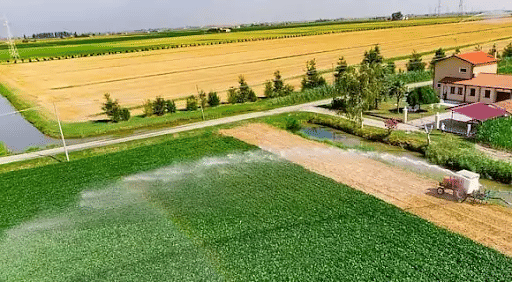
Fertigation Process
What is Fertigation?
- The fertigation method combines irrigation and fertilization techniques.
- Fertigation is the injection of fertilizers into an irrigation system for soil amendments, water amendments, and other water-soluble products.
- Fertigation is a common farming practice. Growers can save time, resources, and effort by completing two events at once: fertilization and irrigation, using the fertigation technique.
- Drip fertigation, which reduces inputs while delivering nutrients to the root zone, is the most efficient method.
- Liquid fertilizers are delivered to plants via irrigation in fertigation. The fertigation technique is more efficient than traditional fertilization methods.
- Ammonium nitrate, urea ammonium nitrate, calcium nitrate, ammonium thiosulfate, potassium chloride, potassium sulfate, potassium nitrate, phosphoric acid, sulfuric acid, and other water-soluble fertilizers are commonly used for fertigation.
- Aside from providing nutrients, some fertilizers can also act as acidifiers and improve soil properties.
- There are two methods for fertigation. These are as follows:
- Proportional fertigation: In this method, a farmer injects a predetermined amount of fertilizer stock solution into each water unit of the irrigation system.
- Quantitative fertigation: In this method, a farmer determines the amount of fertilizer required before beginning the fertigation technique.
How Does Fertigation System Works?
- Fertigation technology suggests sprinkling water-soluble fertilizers into irrigation systems from reservoirs.
- In most cases, injectors and a pressure-controlled valve are used.
- Several parameters distinguish fertilization systems:
- Application size and scale: a large-scale fertigation system is used in a large enterprise. Small-scale fertigation systems, on the other hand, are appropriate for smaller farms or greenhouses.
- Management: It includes both manual and automated fertigation control systems. Timers can be integrated into the irrigation system, allowing fertigation to occur at predetermined times.
- Irrigation Methods: Flood irrigation, nozzle, and head sprinkling, and drip fertigation are all irrigation methods.
Uses of Fertigation
- Fertigation is widely used in commercial agriculture and horticulture.
- Fertigation is also increasingly being used in landscaping as dispenser units become more reliable and user-friendly.
- Fertigation is used to supplement nutrients or to correct nutrient deficiencies discovered in plant tissue analysis.
- It is typically used on high-value crops such as vegetables, turf, fruit trees, and ornamentals.
Advantages of Fertigation
- Fertilizer application is more precise and consistent.
- Fertilizers are applied to specific areas that require them.
- Nutrients are immediately available to plants, and root uptake is improved.
- Nutrients and water are supplied near the active root zone via fertigation, resulting in greater crop absorption.
- It reduces fertilizer usage and nutrient losses. Fertigation efficiency ranges between 80% to 90%, saving at least 25% of nutrients.
- It aids in water conservation because plants develop a healthier root system.
- It helps you save time, labor, and energy.
- It reduces soil erosion and water use.
- Since fertigation evenly distributes water and fertilizer to all crops, a 25-50% increase in yield is possible.
Disadvantages of Fertigation
- When the irrigation system fails, it causes uneven nutrient distribution.
- When too much water is applied to crops, it causes over-fertilization or nutrient leaching.
- Fertilizer waste from leaking can pollute the soil and water. This can harm flora and fauna.
- Fertilizer chemical reactions may pose a risk. Calcium and magnesium, for example, react with fertilizers to form bicarbonates in the water which causes severe chemical clogging.
- In micro-irrigation systems, some micronutrients and phosphatic fertilizers may precipitate.
- Farmers must purchase costly corrosion-resistant fertigation equipment.
- There is a possibility of chemical backflow into the water supply.
Conclusion
Fertigation enables farmers to provide nutrients to crops in the appropriate amount and at the appropriate time, proving to be the most efficient method. Delivering nutrients to the root zone is even more beneficial. Fertigation encourages root growth in this manner. Smaller fertilizer amounts also save farmers money and prevent unjustified soil salinization caused by saline water or when fertilizers salt out. Applying small amounts of nutrients to trees at regular intervals throughout the growing season has significant advantages over traditional fertilizer practices.
|
|
|
|---|---|
| Agriculture Notes | Different Types of Irrigation and Irrigation Systems |
| Crop Rotation | Watershed Management |
| Crop and its Classifications | Cropping |
| Farming Systems | Organic Farming |
| Sustainable Agriculture | Integrated Farming System |
| Important Cropping Patterns in India | Major Crops of India |
| WEEDS | Soil |
FAQs
Question. What is fertigation in agriculture?
Answer: Fertigation is a method of delivering fertilizers and irrigation water simultaneously to plants through an irrigation system. It is commonly used in modern agriculture to improve the efficiency of fertilizer application by providing nutrients directly to the plant roots. Fertigation ensures that fertilizers are applied in precise quantities and at the right time, which can lead to improved crop yield and resource efficiency. This method is typically used in drip irrigation systems but can also be applied in other forms of irrigation.
Question. What are the advantages of using fertigation in agriculture?
Answer: Fertigation offers several advantages in agricultural practices:
- Improved Nutrient Uptake: By directly applying nutrients to the root zone, fertigation enhances the uptake of essential elements, resulting in better growth and productivity.
- Increased Efficiency: Fertigation allows for the precise application of fertilizers, reducing waste and the need for excess chemicals.
- Reduced Leaching: Fertilizers are applied in controlled amounts, reducing the risk of nutrient leaching and environmental pollution.
- Cost-Effective: Fertigation can reduce labor costs and the need for manual application of fertilizers.
- Improved Crop Yield: With better access to nutrients, crops generally experience improved growth and higher yields.
Question. What types of fertilizers can be used in fertigation?
Answer: A variety of fertilizers can be used in fertigation, including:
- Water-soluble fertilizers: These fertilizers dissolve easily in water and are ideal for fertigation systems. They include products like urea, ammonium nitrate, and phosphate fertilizers.
- Micronutrients: Fertigation can also deliver essential micronutrients such as iron, zinc, copper, and manganese, which are necessary for plant health.
- Organic fertilizers: Organic options, such as compost tea or liquid manure, can also be used in fertigation, though they need to be diluted and filtered to prevent clogging in the irrigation system.
Question. How does fertigation improve water and fertilizer use efficiency?
Answer: Fertigation improves water efficiency by ensuring that water is applied directly to the root zone, minimizing evaporation and runoff. By combining irrigation and fertilization, it ensures that plants receive nutrients when they are most available. This method also improves fertilizer efficiency by delivering nutrients more precisely, reducing the amount of fertilizer lost to the environment through leaching or volatilization. By applying smaller amounts of fertilizers more frequently, fertigation allows for better synchronization between nutrient availability and plant demand.
Question. What are the challenges associated with fertigation?
Answer: While fertigation has many benefits, there are some challenges that farmers may face:
- System Maintenance: Fertigation systems require regular maintenance to prevent clogging, especially when using high-nutrient or organic fertilizers.
- Initial Investment: Setting up a fertigation system involves a higher upfront cost compared to traditional methods of fertilization and irrigation.
- Water Quality: The quality of water used for fertigation must be monitored to avoid issues like high salinity, which could damage plants or clog irrigation lines.
- Technical Knowledge: Effective use of fertigation requires knowledge about the nutrient needs of plants and how to manage the irrigation system for optimal results.
MCQs
- Which of the following is the primary advantage of using fertigation in agriculture?
A) Increased water wastage
B) Improved nutrient uptake by plants
C) Decreased crop yield
D) Increased labor costs
Answer: (B) See the Explanation
Fertigation ensures that nutrients are delivered directly to the plant’s root zone, improving the uptake of essential nutrients and thus promoting better crop growth.
- What type of fertilizers are most commonly used in fertigation?
A) Slow-release fertilizers
B) Water-soluble fertilizers
C) Granular fertilizers
D) Organic fertilizers
Answer: (B) See the Explanation
Water-soluble fertilizers are ideal for fertigation systems because they dissolve easily in water, allowing for efficient nutrient delivery through the irrigation system.
- Which of the following is a potential challenge of using fertigation?
A) Reduced water efficiency
B) Clogging of the irrigation system
C) Increased fertilizer efficiency
D) Better crop yield without additional costs
Answer: (B) See the Explanation
Fertigation systems require regular maintenance, as clogging can occur, particularly when high-nutrient or organic fertilizers are used. This can reduce system efficiency.
- Which irrigation system is most commonly used for fertigation?
A) Flood irrigation
B) Drip irrigation
C) Sprinkler irrigation
D) Surface irrigation
Answer: (B) See the Explanation
Drip irrigation is the most common system for fertigation because it delivers water and nutrients directly to the plant’s root zone with minimal water wastage.
- Which of the following benefits is associated with fertigation in agriculture?
A) Increased chemical runoff
B) Increased water wastage
C) Reduced fertilizer leaching
D) Reduced crop yield
Answer: (C) See the Explanation
Fertigation minimizes nutrient leaching by applying fertilizers directly to the plant roots, reducing excess fertilizer runoff that might otherwise contaminate groundwater.
GS Mains Questions and Model Answers
Q1: Discuss the role of fertigation in enhancing agricultural sustainability and productivity.
Answer: Fertigation is a key method for enhancing both sustainability and productivity in agriculture. By combining fertilization and irrigation, fertigation ensures that plants receive the right amount of nutrients and water at the right time, which reduces waste and promotes optimal growth. This method significantly improves water use efficiency by delivering water directly to the root zone, minimizing evaporation and runoff. Fertigation also allows for precise application of fertilizers, reducing nutrient loss to the environment and preventing issues like soil salinity and water contamination. The use of fertigation can lead to higher crop yields with less environmental impact, making it an important tool for sustainable farming practices in modern agriculture.
Q2: Examine the challenges and solutions associated with the implementation of fertigation in Indian agriculture.
Answer: Fertigation holds great potential for enhancing agricultural productivity in India, but several challenges need to be addressed for its widespread adoption. Some of the key challenges include:
- High Initial Investment: Setting up a fertigation system requires significant investment in equipment such as drip irrigation systems and fertigation units, which may not be affordable for small-scale farmers.
- Water Quality: Fertigation requires clean water free from high levels of salinity or other contaminants, which may not be available in some regions.
- Technical Expertise: Proper use of fertigation requires technical knowledge of plant nutrition, irrigation techniques, and system management. To address these challenges, the government can offer subsidies or low-interest loans for farmers to set up fertigation systems. Additionally, training programs can be introduced to enhance farmers' understanding of fertigation and improve water quality monitoring.
Q3: Evaluate the impact of fertigation on environmental sustainability and resource conservation in agriculture.
Answer: Fertigation plays a crucial role in promoting environmental sustainability and resource conservation in agriculture. By ensuring that water and fertilizers are applied directly to the plant’s root zone, fertigation reduces the wastage of both water and chemicals. This minimizes water runoff, which can lead to the contamination of nearby water bodies, and prevents nutrient leaching, which can degrade soil and water quality. Fertigation also reduces the need for frequent fertilizer application, thus lowering the overall usage of chemicals and reducing their environmental impact. With the global focus on sustainable farming practices, fertigation provides a solution to enhance resource efficiency, reduce pollution, and improve the long-term viability of agricultural land.
Previous Year Questions on Fertigation
1. UPSC 2020
Question: Discuss the significance of fertigation in the context of water and fertilizer management in Indian agriculture.
Answer: This question requires a detailed discussion of how fertigation contributes to effective water and fertilizer management in Indian agriculture, focusing on its role in improving resource efficiency, reducing leaching, and boosting crop productivity.
2. UPSC 2019
Question: Analyze the potential of fertigation in addressing the challenges of water scarcity and fertilizer inefficiency in Indian agriculture.
Answer: This question calls for an analysis of how fertigation can mitigate water scarcity and fertilizer inefficiency in India, emphasizing its role in sustainable agriculture, resource conservation, and improving yield while minimizing environmental impact.
Download the PREPP App and attempt FREE IAS Exam Mock Tests and get complete study material!

Full Test - 04: UPSC CSE Prelims CSAT (Paper-II)
Full Test - 03: UPSC CSE Prelims CSAT (Paper-II)
UPSC CSE Prelims 2026 GS Paper 1 Question Paper (24-May-2026)
UPSC CSE Prelims 2026 CSAT Paper 2 Question Paper (24-May-2026)

17 February 2025 | The Hindu Must Read Articles | Current Affairs

16 February 2026 | The Hindu Must Read Articles | Current Affairs

13 February 2026 | The Hindu Must Read Articles | Current Affairs









Comments