Starch Crops - Agriculture Notes
Starch is one of the three most important human foods (along with fat and protein), providing the majority of the energy required to keep the body running. Most plants produce starch as a byproduct of the photosynthesis process. It can be stored in seeds, fruit, stems, or roots, but the plants that are grown for food and store starch in their seeds, roots, or tubers. Cereals are plants that store starch in their seeds, whereas root and tuber crops store starch in swollen roots or tubers. In this article, we will discuss Starch Crops which will be helpful for UPSC exam preparation.
|
Table of Contents |
Starch Crops
- Starch-producing crops are the world's primary source of dietary energy. The starchy staple food in the human diet is cereals and root crops, but various types of plant tissues from various plant species are consumed to meet the calorie requirement.
- The starch content of cereal grains, root and tuber crops, and, briefly, shoots and fruits are reviewed according to origin. The properties of a crop's starch determine its suitability for processing and the quality of the final product.
- Gelatinisation, viscosity, tackiness, retrogradability, granule size distribution, and non-starch constituents are all important properties.
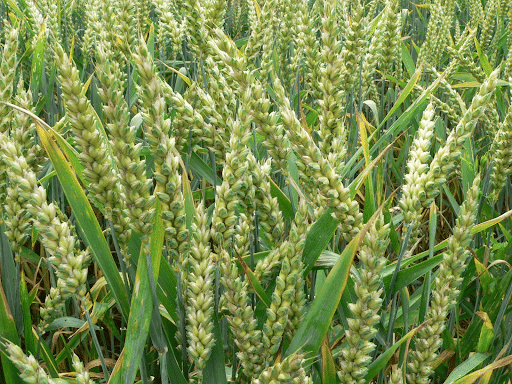
Starch crop
|
|
|
|---|---|
| Cereals | Cotton |
| Millets | Stem Fibres |
| Grain Legumes | Narcotics |
| Sugar Crops | Forage Crops |
| Spices and Condiments | Grasses |
| Fibre Crops | Plantation Crops |
Starch in various Crops
Starch in Cereal
- Wheat, maize, and rice starch products are the most important in the economy.
- International market for both food and non-food applications Sorghum and millets are grown and consumed primarily in Africa and the Indian subcontinent.
- While the majority of wheat, maize, and a portion of rice produced are processed and transformed into convenience products, sorghum and millets are basic food cereals used primarily without pre-processing.
- The resistant starch is an important issue in the nutritional value of cereals, particularly starch. The digestibility of starch, which is determined by hydrolysis by pancreatic enzymes, determines the available energy content of cereal grains. This must be considered when assessing nutritive value.
- The amount of partially or completely resistant starch can range between 15% and 20%. Steaming, pressure cooking, flaking, puffing, or micronization of the starch increases its digestibility.
Starch in Wheat
- The starchy endosperm cells in the grain vary in size and shape. The cells are packed with starch and embedded in a protein matrix.
- The wheat kernel contains a high concentration of starch, which is deposited as discrete granules in the endosperm cells.
- Flattened starch granules can be 40 m in diameter, whereas spherical ones are 2-8 m in diameter.
- Wheat starch cannot be used in special industrial applications where granule size uniformity is required due to the bimodal distribution of granules (e.g. in carbonless paper production).
- Wheat varieties vary in starch content from 60% to 75%.
- Soft wheat varieties contain more starch than hard wheat varieties, which contain more proteins. Wheat's amylose content ranges from 17 to 29%, with an average of 22-25%.
- It appears to have a limited range of genetic variation. However, amylose content in waxy wheat varieties is very low (1.2-2.0%).
Starch in Maize
- Starch is the most abundant carbohydrate component of maize kernel, accounting for 65 to 80 percent of the total, depending on the variety.
- The maize kernel contains horny (hard, translucent) and floury (soft) starchy endosperm.
- The amylose content of maize starch ranges from 25 to 30%, but it varies between cultivars, especially in cultivars with mutant genes. In these genotypes, the starch contains intermediate polymers between amylose and amylopectin.
Starch in Rice
- Endosperm cells in the grain are densely packed, with polygonal compound starch granules and protein bodies.
- Starch plays an important role in determining the cooking and eating quality of rice. The ratio of amylose to amylopectin in starch has a strong correlation with rice quality.
- Starch in waxy rice varieties contains 0.8-1.3 percent amylose, which is most likely located in the centre of the starch granule. Amylose content of starch in non waxy genotypes ranges from 8% to 37%.
Starch in Sorghum
- Sorghum is a savannah crop that does not thrive in high rainfall or forest zones.
- Sorghum starch content ranges from 56 to 73%, with an average starch content of 69.5 percent.
- Amylose accounts for about 20-30% of the starch, while amylopectin accounts for the remaining 70-80%.
- The starch in waxy sorghum genotypes is almost entirely amylopectin. In contrast, the starch in sugary sorghum contains 5-15% more amylose than regular varieties.
Starch Crops for biofuel production
- Grains such as corn and wheat, as well as tubers such as (sweet) potatoes and cassava, are examples of starch-based feedstocks.
- Long, complex chains of sugar molecules make up these feedstocks.
- Starch is easily converted into fermentable sugars. After that, the sugar can be converted into ethanol or drop-in fuels.
- Plant fibres (such as wheat straw or corn stover) can be converted into advanced biofuels (see cellulosic ethanol).
The food-bioenergy potential of starch crops
- Starch crops have been proposed as an ideal biofuel feedstock that could address arable land constraints in commercial biofuel production, because of their high carbohydrate yields and cultivation efficiencies when compared to most crops,
- However, food security concerns are a major detriment to the proposed biofuel uses.
Conclusion
The starch and sugar industries are two of the most important agricultural-based industries. Both industries also produce raw materials for the food industry. Aside from that, it's a product used in industries like starch, paper, corrugated cardboard, textiles, and glue. As a result, the production of plants used in starch and sugar production is critical to the economy. Starch sugar crops play an important role in the nutrition of the countries' growing populations.
FAQs
Question. What are starch crops?
Answer: Starch crops are plants that are grown for the purpose of extracting starch, a carbohydrate that is used in a variety of industrial, food, and pharmaceutical applications. These crops are rich in starch, which is stored in their roots, tubers, or seeds. Examples of starch crops include maize, potatoes, cassava, and sweet potatoes.
Question. Why are starch crops important?
Answer: Starch crops play a vital role in the agricultural economy due to their high carbohydrate content, which serves as a staple food source for millions of people globally. In addition to food, starch extracted from these crops is used in industries such as textiles, paper, and pharmaceuticals. The versatility of starch makes these crops an essential part of both food security and industrial production.
Question. What are some examples of starch crops?
Answer: Some of the primary starch crops include:
- Maize (corn): A major source of starch used in both food products and industrial applications.
- Potatoes: Starch is extracted from potatoes for use in various processed foods and products.
- Cassava: A root crop that is widely used for starch extraction, particularly in tropical regions.
- Sweet Potatoes: Another root crop high in starch, often used in food processing.
- Rice: The grain is also a significant source of starch, particularly in Asian countries.
Question. What are the uses of starch extracted from these crops?
Answer: Starch extracted from crops is widely used in the food industry for making various products such as pasta, sauces, and baked goods. It is also used in non-food industries for purposes such as paper production, textiles, adhesives, and pharmaceuticals. Additionally, starch is used to produce bioethanol, a renewable energy source.
Question. What are the challenges in growing starch crops?
Answer: The cultivation of starch crops faces several challenges, including susceptibility to pests and diseases, dependence on specific climatic conditions, and the impact of changing weather patterns due to climate change. Moreover, certain starch crops, like cassava, require specific soil types and adequate water supply to thrive. In some regions, land degradation and improper farming practices can also impact crop yields.
MCQs
- Which of the following is NOT a starch crop?
a) Maize
b) Potato
c) Wheat
d) Cassava
Answer: (C) See the Explanation
While wheat contains starch, it is primarily grown for its gluten content and is not considered a major starch crop like maize, potato, or cassava, which are specifically cultivated for starch extraction.
- What is the main carbohydrate stored in starch crops?
a) Glucose
b) Sucrose
c) Starch
d) Fructose
Answer: (C) See the Explanation
Starch crops are rich in starch, which is the main carbohydrate stored in their roots, tubers, or seeds.
- Which starch crop is most commonly used for industrial purposes like paper and textiles?
a) Sweet potato
b) Maize
c) Cassava
d) Potato
Answer: (B) See the Explanation
Maize is widely used for extracting starch, which has applications in industries such as paper, textiles, and pharmaceuticals.
- What is one of the environmental challenges faced in the cultivation of starch crops?
a) Over-fertilization
b) Dependence on specific climatic conditions
c) High labor costs
d) Increased crop yields
Answer: (B) See the Explanation
Starch crops often require specific climatic conditions and can be adversely affected by changing weather patterns due to climate change.
- Which of the following is a primary use of starch extracted from crops like cassava and maize?
a) Production of bioethanol
b) Making fruit juices
c) Meat preservation
d) Pesticide production
Answer: (A) See the Explanation
Starch extracted from crops like maize and cassava is used to produce bioethanol, a renewable energy source.
GS Mains Questions and Model Answers
Q1: Discuss the economic importance of starch crops in global agriculture.
Answer: Starch crops play a critical role in global agriculture due to their versatility and wide range of uses. They serve as a primary food source for many populations around the world, providing essential carbohydrates in the form of staple foods such as maize, potatoes, and cassava. Beyond their use in food, starch extracted from these crops has significant industrial applications in sectors such as paper, textiles, pharmaceuticals, and biofuel production. The economic importance of these crops extends to the creation of jobs, particularly in rural areas where many of these crops are cultivated. The demand for starch crops continues to grow, driven by increasing global food and industrial needs. However, the cultivation of starch crops must be carefully managed to address challenges such as climate change, pests, and diseases, ensuring sustainable production practices that balance economic needs with environmental considerations.
Q2: Evaluate the challenges and opportunities in the cultivation of starch crops in India.
Answer: India, with its diverse agro-climatic zones, provides an ideal environment for the cultivation of starch crops such as maize, potatoes, and sweet potatoes. However, there are several challenges in growing these crops, including fluctuating monsoon patterns, water scarcity, and soil degradation. Additionally, pests and diseases like late blight in potatoes and stem borers in maize can significantly reduce crop yields. On the other hand, there are several opportunities for improving starch crop production in India. The government’s focus on agricultural reforms and promoting sustainable farming practices can help address some of these challenges. Advancements in crop breeding techniques, better pest management, and the use of technology for monitoring crop health can boost yields and ensure food security. Furthermore, increasing the demand for starch-based products in industries such as bioethanol production presents a significant opportunity for the growth of starch crops in India.
Q3: Analyze the role of starch crops in addressing food security and sustainable agriculture.
Answer: Starch crops are integral to food security in many developing countries, particularly in regions where they serve as the primary source of calories. Crops like maize, potatoes, and cassava are easy to grow in various climatic conditions and provide a high energy yield per hectare. As global populations increase, the demand for starch crops will likely rise, making them central to the global food supply. In terms of sustainable agriculture, starch crops offer opportunities to diversify agricultural systems, reduce dependence on single crops, and ensure resilience to climate variability. However, sustainability must be achieved through proper soil management, efficient water use, and the adoption of climate-resilient varieties. Additionally, the use of starch crops in biofuels and other industrial applications can contribute to a more sustainable agricultural system by providing renewable alternatives to fossil fuels. Thus, starch crops play a vital role in achieving both food security and sustainability in agriculture.
Previous Year Questions on Starch Crops
1. UPSC CSE (IAS) Prelims 2021
Question: Which of the following is the main component of starch crops?
Answer: The main component of starch crops is starch, which is stored in their tubers, roots, or seeds and is used for food and industrial purposes.
2. UPSC CSE (IAS) Mains 2020
Question: Evaluate the role of starch crops in the global economy, with a focus on their industrial and food uses.
Answer: Starch crops are crucial to the global economy, providing both a major source of food and key raw materials for industries such as textiles, pharmaceuticals, and biofuels. The versatility of starch from crops like maize, potatoes, and cassava makes them indispensable in various sectors, supporting rural economies and contributing to global food security.
Download the PREPP App and attempt FREE IAS Exam Mock Tests and get complete study material!

Full Test - 04: UPSC CSE Prelims CSAT (Paper-II)
Full Test - 03: UPSC CSE Prelims CSAT (Paper-II)
UPSC CSE Prelims 2026 GS Paper 1 Question Paper (24-May-2026)
UPSC CSE Prelims 2026 CSAT Paper 2 Question Paper (24-May-2026)

17 February 2025 | The Hindu Must Read Articles | Current Affairs

16 February 2026 | The Hindu Must Read Articles | Current Affairs

13 February 2026 | The Hindu Must Read Articles | Current Affairs









Comments