Spices and Condiments - Agriculture Notes
India is known as the "Home of Spices." Spices and condiments are substances such as any part of a plant or their whole mixture that add flavours and aroma to food products. Spices are food ingredients that are primarily used to season a food dish during its preparation. Condiments, on the other hand, are primarily used at the dining table to enhance the flavours of a dish. This is the primary distinction between spices and condiments. According to a report by the International Organization for Standardization (ISO), there are approximately 109 spices grown in various parts of the world. More than 60 spices are grown in India. In this article, we will discuss Spices and Condiments which will be helpful for UPSC exam preparation.
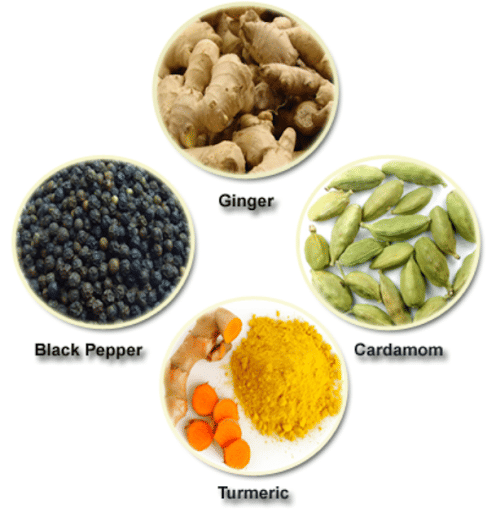
Major Spices in India
|
Table of Contents |
What are Spices?
- Spices are aromatic flavourings derived from plants' seeds, fruits, bark, rhizomes, and other parts.
- They are used to season and preserve food, as well as to make medicines, dyes, and perfumes.
- For thousands of years, spices have been highly valued as trade goods.
- Spice is derived from the Latin species, which means merchandise or wares.
- Spice demand has skyrocketed as a result of the recognition of spices as a health supplement, particularly during the pandemic period.
- This is evident from the increasing export of spices such as turmeric, ginger, cumin, and chilli.
- The export of spices accounts for 41% of total export earnings from all horticulture crops in the country.
- It ranks fourth among agricultural commodities, trailing only marine products, non-basmati rice, and basmati rice.
|
|
|
|---|---|
| Cereals | Cotton |
| Millets | Stem Fibres |
| Grain Legumes | Narcotics |
| Sugar Crops | Forage Crops |
| Starch Crops | Grasses |
| Fibre Crops | Plantation Crops |
What are Condiments?
- Condiments are substances or preparations that are added to foods after they have been cooked to enhance the flavour and taste.
- It can be either a thick sauce or a powder.
- A condiment's primary function is to add flavour to a meal.
- It also serves as a garnish and adds colour to the dish.
- Soy sauce, chilly sauce, pickles, mustards, are some examples.
- Condiments are not considered food. However, they are used as garnishes and are made from food ingredients.
- Condiments are high in iron, mineral salts, fat, proteins, carbohydrates, calcium, fibre, and phosphorus.
- They also have antioxidant properties.
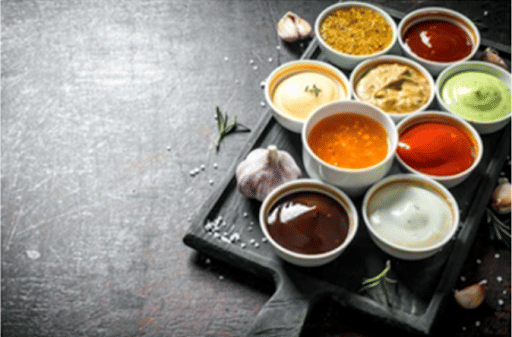
Condiments
Spices Categorization
- There are approximately 35 spices and condiments that can be broadly classified into six groups based on the parts of the plants from which they are obtained:
- Rhizomes and root spices: ginger, turmeric, and garlic
- Seed spices: Nutmeg, coriander, fennel, cumin, fenugreek, dill, aniseed, celery, and bishopweed
- Bark spices: Cinnamon
- Fruit spices: Cardamom, black pepper, vanilla, cassia, tamarind, and so on.
- Leaf spices: Bay leaf, curry leaf, and so on.
- Flower spices: Clove, saffron, asafetida, and so on.
Spices Production in India
- India is the world's largest producer, consumer, and exporter of spices.
- Almost all spices thrive in India due to the diverse climates, which range from tropical to subtropical to temperate.
- In reality, almost all of India's states and union territories cultivate one or more spices.
- The Spices Board is given authority over 52 spices under a Parliamentary act.
- The Spices Board (Ministry of Commerce and Industry) is the lead organisation responsible for the development and international promotion of Indian spices.
- The Spices Board Act, 1986, established it.
- Some states in India grow spices that are extremely valuable in both national and international markets.
- The best example is Kashmiri saffron, which is the best saffron in the world.
- The Kashmir saffron has been designated as a Geographical Indication (GI).
Examples of Common Spices
| Spices | Features |
|---|---|
| Coriander |
|
| Fennel |
|
| Fenugreek |
|
| Ginger |
|
| Turmeric |
|
Significance of Spices and Condiments
- Essential oils and oleoresins are widely used in food seasoning and imparting aroma, flavour, and taste.
- These items are also utilised in the cosmetic and pharmaceutical industries.
- Cotton textiles, tobacco industries, bakery products, condiments, and meat and fish products all use them as colourants or dyes.
- It is still widely used in the preparation of Ayurvedic medicines.
- In the food industry, value-added products are in high demand.
- It is a high-value, low-volume crop.
- India has a diverse soil and climate, as well as several agro-ecological regions, which allows for the cultivation of a variety of spice crops.
- Spice crops play a unique role in the Indian economy by increasing rural income.
- These crops require a lot of labour to grow, which creates a lot of job opportunities for the rural population.
- Other countries have a high demand for Indian spices. As a result, we have a lot of room to meet that demand through massive production.
Related Government Initiatives
- The Food Safety and Standards Authority of India (FSSAI) recently inaugurated the fifth session of the Codex Committee on Spices and Culinary Herbs (CCSCH), which is part of the Codex Alimentarius Commission (CAC).
- The Codex Committee on Spices and Culinary Herbs (CCSCH) was founded in 2013 with the following objectives:
- To create global standards for dried and dehydrated spices and culinary herbs in whole, ground, cracked, or crushed form.
- To avoid duplication, consult with other international organisations in the standards development process as needed.
Conclusion
Spices and condiments are both essential culinary ingredients that we must consume on a daily basis. We must include them in our meals to improve their flavour, colour, and nutritional value. India accounts for 75% of global spice production, and the global spice market is expanding. Indian spices are renowned for their exceptional aroma, flavour, and pungency, which no other country can match. After cheese, the condiment trade is the second largest market in specialty foods. Almost every country used spices in ancient times, and the spice trade developed throughout South Asia and the Middle East around 2000 BCE, primarily with cinnamon and pepper.
FAQs
Question: What are spices and condiments, and how do they differ?
Answer: Spices and condiments are both plant-derived products used to enhance the flavor, aroma, and color of food. However, there is a subtle difference between the two. Spices are typically derived from the non-leafy parts of plants, such as seeds, bark, roots, or fruits, and include products like pepper, cinnamon, cardamom, and turmeric. Condiments, on the other hand, are substances used to add flavor to food, such as mustard, vinegar, sauces, and salt, and are often liquid or semi-liquid. Both are integral components of culinary practices around the world and play a significant role in food preservation and health benefits.
Question: What is the economic significance of spices in Indian agriculture?
Answer: Spices are of great economic significance in Indian agriculture, as India is one of the largest producers and exporters of spices in the world. The cultivation of spices provides employment to millions of farmers, particularly in regions with tropical and subtropical climates. Major spices like pepper, cardamom, ginger, turmeric, and chili are grown extensively across states such as Kerala, Tamil Nadu, Andhra Pradesh, and Karnataka. The global demand for Indian spices boosts foreign exchange earnings and contributes significantly to the country’s agricultural GDP. Additionally, the spice industry supports various processing and packaging industries, further enhancing its economic role.
Question: Which are the major spices grown in India?
Answer: India is known for its diverse and rich variety of spices. Some of the major spices grown in India include:
- Black Pepper - Often referred to as the "king of spices," it is grown predominantly in Kerala, Karnataka, and Tamil Nadu.
- Cardamom - Known as the "queen of spices," it is primarily grown in Kerala, Tamil Nadu, and Karnataka.
- Turmeric - Mainly produced in Andhra Pradesh, Tamil Nadu, and Odisha, it is used extensively for its flavor and medicinal properties.
- Chili - India is one of the largest producers of chili, with major cultivation in Andhra Pradesh, Karnataka, and Madhya Pradesh.
- Ginger - Grown in the hilly regions of Kerala, Assam, and Odisha, it is widely used both in culinary and medicinal preparations.
Question: How does climate affect the cultivation of spices?
Answer: Climate plays a crucial role in the cultivation of spices. Spices typically thrive in tropical and subtropical climates, with a combination of high temperatures, humidity, and adequate rainfall. For instance, black pepper and cardamom require a warm, humid climate with well-distributed rainfall, making states like Kerala and Karnataka ideal for their cultivation. Similarly, turmeric and ginger require a hot, wet climate with well-drained soils. Climate change, however, can pose challenges to spice production, as extreme temperatures, erratic rainfall, and droughts can negatively affect crop yields. Adaptation measures such as improved irrigation, crop rotation, and the use of resistant varieties are essential to mitigate climate-related risks to spice cultivation.
Question: What are the health benefits of spices?
Answer: Spices are not only valued for their culinary uses but also for their numerous health benefits. Many spices, such as turmeric, ginger, and cardamom, are known for their anti-inflammatory, antioxidant, and antimicrobial properties. Turmeric, for example, contains curcumin, which has been shown to have therapeutic effects in conditions such as arthritis and cancer prevention. Ginger is commonly used to relieve digestive issues and nausea. Black pepper and chili contain compounds that enhance metabolism and improve digestion. Spices are an integral part of traditional medicine systems like Ayurveda, contributing to overall health and wellness.
MCQs
1. Which of the following is known as the "king of spices"?
A) Cardamom
B) Turmeric
C) Black Pepper
D) Ginger
Answer: (C) See the Explanation
Explanation: Black pepper is known as the "king of spices." It is one of the most widely used and traded spices globally, prized for its sharp and aromatic flavor.
2. Which state in India is the largest producer of cardamom?
A) Kerala
B) Tamil Nadu
C) Karnataka
D) Andhra Pradesh
Answer: (A) See the Explanation
Explanation: Kerala is the largest producer of cardamom in India, which thrives in the tropical climate and hilly terrains of the state.
3. What is the main use of spices in Indian agriculture?
A) Decoration
B) Preserving food
C) Food flavoring
D) Industrial use
Answer: (C) See the Explanation
Explanation: Spices are primarily used for flavoring food. They are integral to Indian cuisine, providing unique tastes and aromas, and are also used in medicinal and cultural applications.
4. Which spice is considered a staple in the preparation of curry in India?
A) Cinnamon
B) Cardamom
C) Turmeric
D) Saffron
Answer: (C) See the Explanation
Explanation: Turmeric is a staple spice in Indian cooking, especially in curry preparations. It imparts a distinctive yellow color and flavor to dishes and has medicinal properties as well.
5. What role does climate change play in the production of spices?
A) It improves crop yield
B) It reduces the quality of spices
C) It affects water availability for irrigation
D) It has no effect on spice production
Answer: (C) See the Explanation
Explanation: Climate change can negatively affect the production of spices by altering rainfall patterns, reducing water availability, and affecting temperature conditions, which are essential for spice crops like cardamom, black pepper, and turmeric.
GS Mains Questions and Model Answers
Q1: Discuss the economic importance of spices in Indian agriculture and their impact on global trade.
Answer: Spices hold immense economic importance in Indian agriculture, as India is one of the largest producers and exporters of spices globally. Major spices like pepper, cardamom, turmeric, and ginger are cultivated in various regions, supporting millions of farmers and agricultural workers. The global demand for these spices contributes significantly to India’s export earnings, making spices a major agricultural export product. The spice industry also supports ancillary sectors, including processing, packaging, and transportation, boosting employment and regional economies. Additionally, spices play a role in enhancing India's soft power, as their inclusion in global culinary traditions strengthens India’s cultural footprint worldwide.
Q2: Analyze the role of spices in India’s food security and health systems.
Answer: Spices play a dual role in India’s food security and health systems. From a food security perspective, spices are essential ingredients in Indian cuisine, providing not only flavor but also a means of food preservation. Additionally, many spices, such as turmeric and ginger, have proven antimicrobial and antioxidant properties that can contribute to public health. Turmeric, for example, is widely used in traditional medicine for its anti-inflammatory effects, while ginger helps with digestion and nausea. The health benefits of spices complement their culinary importance, contributing to a healthier diet. However, ensuring the sustainable production of spices is crucial for their continued role in food security and public health.
Q3: How does the government of India support the cultivation and export of spices?
Answer: The government of India supports the cultivation and export of spices through various schemes and policies aimed at enhancing production, improving quality, and promoting exports. The Spices Board of India plays a key role in regulating the spice industry, providing market support, and ensuring the quality of spices for export. The government also promotes the use of modern agricultural practices, such as the introduction of hybrid varieties, better irrigation techniques, and post-harvest processing technologies to boost productivity. Additionally, policies like export subsidies, promotion of spice parks, and participation in international trade fairs help increase India’s share in the global spice market.
Previous Year Questions on Spices and Agriculture
1. UPSC CSE Prelims 2021:
Question: Which Indian state is the largest producer of turmeric?
A) Tamil Nadu
B) Andhra Pradesh
C) Kerala
D) Odisha
Answer: (A)
Explanation: Tamil Nadu is the largest producer of turmeric in India, followed by Andhra Pradesh and Odisha. The state's climate is ideal for turmeric cultivation.
2. UPSC CSE Mains 2020 (GS Paper 3):
Question: Discuss the challenges and opportunities in the spice industry in India.
Answer: The spice industry in India faces several challenges, including climatic changes, pest attacks, fluctuating market prices, and inadequate infrastructure for processing and storage. However, the industry also presents numerous opportunities. India’s vast agricultural land, coupled with the growing global demand for Indian spices, offers significant export potential. The promotion of organic farming, improvements in quality control, and advancements in spice processing technology can enhance production and market access. Additionally, the increasing health-consciousness worldwide and the demand for organic spices create growth prospects for India’s spice sector.
Download the PREPP App and attempt FREE IAS Exam Mock Tests and get complete study material!

Full Test - 04: UPSC CSE Prelims CSAT (Paper-II)
Full Test - 03: UPSC CSE Prelims CSAT (Paper-II)
UPSC CSE Prelims 2026 CSAT Paper 2 Question Paper (24-May-2026)
UPSC CSE Prelims 2026 GS Paper 1 Question Paper (24-May-2026)

17 February 2025 | The Hindu Must Read Articles | Current Affairs

16 February 2026 | The Hindu Must Read Articles | Current Affairs

13 February 2026 | The Hindu Must Read Articles | Current Affairs









Comments