Deputy Chairman of Rajya Sabha - Indian Polity notes
Deputy Chairman of Rajya Sabha is a constitutional position established under Article 89 of the Constitution. He/She is elected by the Rajya Sabha itself from amongst its members. The Deputy Chairman performs the duty of the Chairman’s office when it is vacant or when the Vice-President acts as a President. Harivansh Narayan Singh is the current Deputy Chairperson of the Rajya Sabha. This article explains about the Deputy Chairman of Rajya Sabha which is important for UPSC IAS exam preparation.
Table of Contents
- Deputy Chairman of Rajya Sabha
- Election of Deputy Chairman of the Rajya Sabha
- Tenure of the Deputy Chairman of the Rajya Sabha
- Powers and Duties of the Deputy Chairman of the Rajya Sabha
- Salary and Allowances of the Deputy Chairman of the Rajya Sabha
- Process of Removal of Deputy Chairman of the Rajya Sabha
- Conclusion
- FAQs
- MCQs
Deputy Chairman of Rajya Sabha
- Article 89 of the Constitution prescribes for position of Deputy Chairman of Rajya Sabha.
- He/she plays a crucial role in the functioning of the upper house of the Parliament of India.
- Deputy Chairman is not subordinate to the Chairman. He is directly responsible to the Rajya Sabha.
|
Deputy Chairman is a constitutional position created under Article 89 of the Constitution, which specifies that the Rajya Sabha shall choose one of its MPs to be the Deputy Chairman as often as the position becomes vacant. |
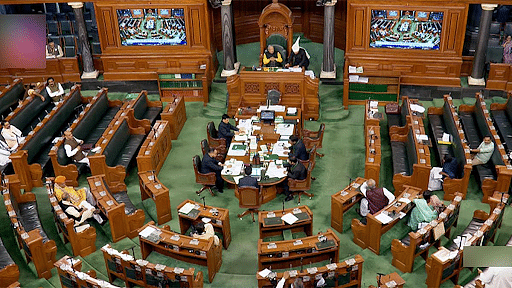
Election of Deputy Chairman of the Rajya Sabha
- Any Rajya Sabha MP can submit a motion that proposes the name of a person to be elected as the Deputy Chairman.
- The motion has to be seconded by another MP. Also, the member moving the motion has to submit a declaration signed by the MP whose name she/he is proposing, indicating his/her willingness to serve if elected.
- Only one motion is allowed to move or second by one MP. The Deputy Chairman is elected by a majority vote of the House unless political parties agree on a candidate, in which case that candidate is elected unanimously.
Tenure of the Deputy Chairman of the Rajya Sabha
- The tenure of Deputy Chairman of Rajya Sabha is 6 years.
- According to the Article 90, Deputy Chairman can vacate the office in any of the following three cases:
- if he ceases to be a member of the Rajya Sabha;
- if he resigns by writing to the Chairman;
- if he is removed by a resolution.
- Whenever the office of Deputy Chairman falls vacant, the Rajya Sabha elects another member to fill the vacancy.
Powers and Duties of the Deputy Chairman of the Rajya Sabha
- The Deputy Chairman of Rajya Sabha performs the duty of the Chairman’s office when it is vacant or when the Vice-President acts as a President or discharges the functions of the President.
- He/She also performs the duty of the Chairman’s office when the latter is absent from the sitting of the House. In both the cases, he/she has all the powers of the Chairman of Rajya Sabha.
- Deputy Chairman presides over the sessions of the Rajya Sabha in the absence of the Chairman (Vice President of India), maintain order, ensure that debates proceed smoothly, and rule on procedural matters.
- In the event of a tie during voting, the Deputy Chairman has the casting vote. This vote can be crucial in determining the outcome of legislative decisions.
- Like the Chairman, the Deputy Chairman is expected to maintain impartiality and fairness while presiding over the sessions. They must ensure that all members have an opportunity to voice their opinions and participate in debates regardless of their political affiliations.
Salary and Allowances of the Deputy Chairman of the Rajya Sabha
- The Deputy Chairman is entitled to a regular salary and allowance.
- They are fixed by Parliament and are charged on the Consolidated Fund of India.
Process of Removal of Deputy Chairman of the Rajya Sabha
- If a resolution for removal is passed by an effective majority of the house (majority of the then membership of Rajya Sabha)
- Such resolution can be moved only after giving 14 days advance notice.
- When a resolution of removal of the Deputy Chairman is under consideration, he can not preside over a House meeting, even if he is present.
Conclusion
Deputy Chairman of the Rajya Sabha holds significant responsibilities, including presiding over sessions in the absence of the Chairman and representing their interests.The Deputy Chairman often chairs various committees of the Rajya Sabha which play a significant role in scrutinizing legislation, examining government policies, and conducting inquiries into various issues.
FAQs
Question: What is the role of the Deputy Chairman of the Rajya Sabha?
Answer: The Deputy Chairman of the Rajya Sabha is responsible for assisting the Chairman, who is the Vice President of India, in conducting the proceedings of the House. The Deputy Chairman presides over the sessions of the Rajya Sabha in the absence of the Chairman, ensuring the orderly conduct of debates, maintaining decorum, and making rulings on points of order. Additionally, the Deputy Chairman plays a key role in managing the legislative agenda and facilitating discussions among members.
Question: How is the Deputy Chairman of the Rajya Sabha elected?
Answer: The Deputy Chairman of the Rajya Sabha is elected by the members of the Rajya Sabha itself from among its members. The election takes place immediately after the general elections for the Rajya Sabha or when there is a vacancy in the position. The Deputy Chairman is usually nominated by the ruling party or coalition, but must be elected through a majority vote of the members present and voting in the House.
Question: What powers does the Deputy Chairman hold?
Answer: The Deputy Chairman holds several important powers, including:
- Presiding Over Sessions: They preside over the sessions of the Rajya Sabha in the absence of the Chairman.
- Maintaining Order: The Deputy Chairman has the authority to maintain order during debates and can reprimand or expel members for misconduct.
- Deciding on Points of Order: They make rulings on points of order raised by members regarding the conduct of proceedings.
- Voting Rights: The Deputy Chairman has a vote in the House but typically does not vote unless there is a tie, in which case they cast the deciding vote.
- Facilitating Discussions: They play a key role in managing the legislative agenda and ensuring that discussions proceed smoothly.
Question: What is the significance of the Deputy Chairman's position in the legislative process?
Answer: The Deputy Chairman's position is significant in the legislative process as they ensure that the Rajya Sabha functions efficiently and effectively. By presiding over sessions, they facilitate discussions and debates, allowing diverse viewpoints to be heard. Their ability to maintain decorum and manage the proceedings helps uphold the dignity of the House. Additionally, the Deputy Chairman's role in decision-making and legislative management is crucial for the smooth passage of bills and resolutions, thereby contributing to the overall functioning of India's parliamentary democracy.
Question: What challenges does the Deputy Chairman face while performing their duties?
Answer: The Deputy Chairman faces several challenges, including managing a diverse range of opinions and political dynamics within the House. Balancing the interests of different parties while maintaining order can be difficult, especially during heated debates. Additionally, they must navigate procedural complexities and ensure adherence to parliamentary rules. The Deputy Chairman also has to be vigilant against disruptions and maintain an atmosphere conducive to constructive dialogue. These challenges require strong leadership skills and impartiality to uphold the integrity of the Rajya Sabha.
MCQs
1. Who elects the Deputy Chairman of the Rajya Sabha?
A) The President of India
B) The members of Rajya Sabha
C) The Prime Minister
D) The Lok Sabha
Answer: See the Explanation
Explanation: The Deputy Chairman of the Rajya Sabha is elected by the members of Rajya Sabha from among its members.
2. What is one of the key responsibilities of the Deputy Chairman?
A) Formulating policies
B) Conducting House proceedings
C) Voting on all bills
D) Appointing members
Answer: See the Explanation
Explanation: One of the key responsibilities of the Deputy Chairman is to conduct the proceedings of the Rajya Sabha in the absence of the Chairman.
3. In what situation does the Deputy Chairman cast a vote?
A) Always
B) Only in case of a tie
C) Never
D) At the beginning of the session
Answer: See the Explanation
Explanation: The Deputy Chairman casts a vote only in case of a tie, otherwise, they do not typically vote.
4. What is the term of the Deputy Chairman of the Rajya Sabha?
A) 5 years
B) 6 years
C) Until the next election
D) No fixed term
Answer: See the Explanation
Explanation: The Deputy Chairman has no fixed term and continues in office as long as they enjoy the confidence of the members of Rajya Sabha and until a new Deputy Chairman is elected.
5. Which article of the Indian Constitution pertains to the Deputy Chairman of the Rajya Sabha?
A) Article 80
B) Article 84
C) Article 75
D) Article 86
Answer: See the Explanation
Explanation: Article 89 of the Indian Constitution pertains to the Deputy Chairman of the Rajya Sabha.
GS Mains Questions and Model Answers
Q1: Examine the role of the Deputy Chairman of the Rajya Sabha in maintaining parliamentary democracy in India.
Answer: The Deputy Chairman of the Rajya Sabha plays a crucial role in maintaining parliamentary democracy in India by ensuring that the legislative process functions smoothly and effectively. By presiding over sessions, the Deputy Chairman facilitates debates, allowing diverse perspectives to be expressed while maintaining decorum and order in the House. This role is essential for fostering constructive dialogue among members, enabling democratic decision-making. Additionally, the Deputy Chairman's responsibility to rule on points of order and manage legislative business underscores the importance of impartiality and fairness in governance. Through these functions, the Deputy Chairman contributes significantly to the overall health of parliamentary democracy in India.
Q2: Discuss the significance of the Deputy Chairman's position in the context of the Rajya Sabha's legislative functions.
Answer: The position of the Deputy Chairman is significant in the context of the Rajya Sabha's legislative functions as it ensures continuity and stability in the proceedings of the House. The Deputy Chairman's authority to preside over sessions allows for the orderly conduct of legislative debates and the efficient passage of bills. By maintaining order and enforcing rules, the Deputy Chairman facilitates an environment where members can engage in meaningful discussions. Furthermore, the Deputy Chairman's role in addressing points of order and managing the legislative agenda is vital for the timely and effective functioning of the House, ultimately enhancing the legislative process in the Indian parliamentary system.
Q3: Evaluate the challenges faced by the Deputy Chairman in executing their responsibilities.
Answer: The Deputy Chairman faces several challenges in executing their responsibilities, including managing a diverse array of political opinions and ensuring that all members have an opportunity to voice their concerns. This can be particularly challenging during heated debates, where maintaining decorum is essential. The Deputy Chairman must also navigate procedural complexities and ensure adherence to parliamentary rules while being impartial. Additionally, the Deputy Chairman may encounter difficulties in dealing with disruptions or dissent from members, which can hinder the legislative process. Addressing these challenges requires strong leadership skills, diplomacy, and an in-depth understanding of parliamentary procedures to uphold the integrity and efficiency of the Rajya Sabha.
Previous Year Questions on Deputy Chairman of Rajya Sabha
1. UPSC CSE Prelims 2021:
Question: Who is responsible for conducting the proceedings of the Rajya Sabha in the absence of the Chairman?
A) The Speaker of Lok Sabha
B) The Deputy Chairman
C) The Prime Minister
D) The President
Answer: (B)
Explanation: The Deputy Chairman is responsible for conducting the proceedings of the Rajya Sabha in the absence of the Chairman.
2. UPSC CSE Mains 2019 (GS Paper 1):
Question: "Analyze the constitutional provisions related to the Deputy Chairman of the Rajya Sabha and their impact on legislative procedures." Discuss the significance of this role.
Answer: The constitutional provisions related to the Deputy Chairman of the Rajya Sabha, primarily found in Article 89, outline the role's significance in legislative procedures. The Deputy Chairman presides over sessions, maintains order, and ensures that debates proceed smoothly, which is crucial for effective legislative functioning. This role enhances the accountability and transparency of parliamentary proceedings, as the Deputy Chairman ensures that all voices are heard and that rules are upheld. By providing stability and continuity in the legislative process, the Deputy Chairman's position is integral to the functioning of a robust democratic framework in India.
*email: contactus@prepp.in
Download the PREPP App and attempt FREE IAS Exam Mock Tests and get complete study material!

Full Test - 04: UPSC CSE Prelims CSAT (Paper-II)
Full Test - 03: UPSC CSE Prelims CSAT (Paper-II)
UPSC CSE Prelims 2026 GS Paper 1 Question Paper (24-May-2026)
UPSC CSE Prelims 2026 CSAT Paper 2 Question Paper (24-May-2026)

17 February 2025 | The Hindu Must Read Articles | Current Affairs

16 February 2026 | The Hindu Must Read Articles | Current Affairs

13 February 2026 | The Hindu Must Read Articles | Current Affairs









Comments