White Revolution (Operation Flood) - Agriculture Notes
The Indian government launched Operation Flood, often known as the White Revolution, in response to the Green Revolution's enormous success in boosting the output of rice and wheat. The goal of India's "white revolution" was to increase milk production and turn it into one of the largest milk-producing nations in the world. By removing the intermediaries, it established a national milk grid that connected farmers all across India to consumers in more than 700 towns and cities, decreasing seasonal and regional price differences while ensuring that farmers receive a significant portion of the profits. This article will explain to you about White Revolution which will help prepare the Agriculture Syllabus for the UPSC Civil Service exam.
|
Table of Contents |
What is White Revolution in India?
- On January 13, 1970, India's National Dairy began Operation Flood, the greatest dairy development initiative in the world.
- It made India, a country with a milk shortage, the world's top producer of milk, surpassing the United States of America in 1998.
- It was started to aid farmers in development by allowing them to manage the resources they produce.
- All of this was made possible by mass production, which has come to be known as the "White Revolution."
- The technology that completely transformed India's organized dairy industry was the production of skim milk powder from buffalo milk. Harichand Megha Dalaya was the one responsible for making this happen.
- The dairy cooperative Amul's Anand Pattern Experiment was the key to the program's success.
- Dr. Verghese Kurien, the chairman of the National Dairy Development Board, was in charge when Operation Flood began.
- Dr. Kurien advanced the cooperatives to support the revolution with his exemplary management abilities.
- He is credited with being the "Father of the White Revolution" in India.
- Every year on November 26th, India observes National Milk Day, which is the birth anniversary of Dr. Varghese Kurien.

Dr. Verghese Kurien - Father of the White Revolution
White Revolution - Objectives
- The operation flood was founded on the cooperatives of local milk farmers.
- They obtained milk and offered the services while making the most use of contemporary technology and management.
- The following are the objectives of the White Revolution:
- Increasing production to produce a flood of milk;
- Increase in rural incomes;
- Reasonable costs for customers; and
- A consistent supply of milk in exchange for a rise in income and a decline in poverty among participating farmers.
White Revolution - Phases
Phase I
- Phase 1 of the white revolution (aka Operation Flood) began in July 1970 to establish dairy cooperatives in 18 milk sheds across ten states and connect them to the four best metropolitan markets.
- By 1981, India had 13,000 village dairy cooperatives covering 15,000 farmers.
Phase II
- The second phase of the operation, based on the designs of phase 1, aided dairy development programs in Karnataka, Rajasthan, and Madhya Pradesh.
- Urban markets also boosted the number of milk outlets to 290 during Phase II (1981–1985), which saw a rise in the milk shed numbers from 18 to 136.
- A self-sustaining network of 43,000 village co-operatives with 4,250,000 milk producers was in place by the end of 1985.
- Along with direct milk marketing by producers' cooperatives, domestic milk powder production increased.
Phase III
- Phase III gave dairy cooperatives the opportunity to build and develop the infrastructure needed to acquire and market rising milk quantities.
- Co-operative members' access to feed, artificial insemination, and veterinary first-aid services were increased, along with member education efforts.
- Phase III of Operation Flood consolidated India's dairy cooperative movement, adding 30,000 new cooperatives to the 42,000 already established during Phase II.
- Milksheds peaked at 173 in 1988-89, with the number of female members and Women's Dairy Cooperative Societies significantly increasing.
- Phase III placed a greater emphasis on animal health and nutrition research and development.
- Innovations such as the Theileriosis vaccine, bypass protein feed, and urea-molasses mineral blocks all contributed to increased milch animal productivity.
White Revolution - Role of Amul
- Verghese Kurien, Shri Tribhuvandas Kishibhai Patel, and Harichand Megha Dalaya, collectively known as the Amul trinity, were instrumental in the success of this venture.
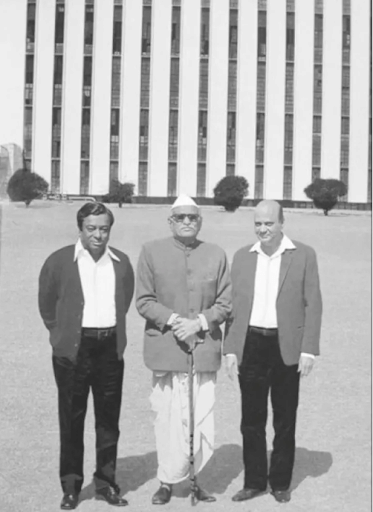
Amul Trinity - Kurien, TK Patel and HM Dalaya
- Operation Flood was a success in part thanks to Amul.
- Amul is an Indian dairy cooperative association with headquarters in the Gujarat city of Anand.
- It was established in 1946 and is a cooperative brand run by the Gujarat Co-operative Milk Marketing Federation Ltd. (GCMMF).
- India's "White Revolution," sparked by Amul, made it the world's top producer of milk and dairy products.
- Prime Minister Lal Bahadur Shastri appointed Verghese Kurien, the CEO, and founder of Amul, to lead NDDB.
- The success of Amul has inspired comparable movements in other Indian agricultural products.
- These industries create standards for businesses around the world to follow and adapt, excelling in fields like branding, marketing, and management.
- Amul has gradually developed itself as a laboratory, producing significant inventions and developing its own technologies, increasing its competitiveness against multinational corporations.
- Building on the solid basis its visionary leader laid, Amul Cooperative Model has progressively increased the number of products in its lineup while also adding new ones.
- Other dairy cooperatives like Nandini in Karnataka, Aavin in Tamil Nadu, and Verka in Punjab look forward to Amul as one of India's most well-known food brands for inspiration.
White Revolution - Significance
- In India, the White Revolution contributed to a decline in business fraud.
- In addition, it made India the world's top producer of milk and milk products and contributed to the eradication of poverty.
- The dairy farmers were given authority over the resource they had produced thanks to Operation Flood. They were able to guide their own development as a result.
- A "National Milk Grid" was established to link milk producers with customers in more than 700 cities and villages across the nation.
- The revolution simultaneously increased customer satisfaction and decreased regional and seasonal price variances.
- Additionally, it made sure that the producers receive a sizable portion of the price that consumers pay.
- It increased the standard of living for rural residents and advanced the rural economy.
Conclusion
Since its inception, Operation Flood or the "white revolution" has transformed India, which previously imported milk, into the third-largest producer and exporter of milk globally. The Amul cooperative helped growers receive higher prices while creating thousands of direct jobs and acting as a catalyst for social and economic transformation. Therefore, the successes of the white revolution far outweigh the few drawbacks when taking into account the impact it had on rural India as a whole as well as the dairy industry.
FAQs
Question: What was the White Revolution in India, and what was its primary objective?
Answer: The White Revolution in India, also known as Operation Flood, was a landmark initiative launched in 1970 aimed at increasing milk production and transforming India into one of the largest milk producers in the world. The primary objective of the revolution was to create a nationwide milk grid that would provide fair prices to both consumers and dairy farmers, thus improving the livelihoods of rural milk producers. It focused on enhancing milk production through cooperative societies, ensuring better infrastructure for milk processing and distribution, and establishing a reliable supply chain from producers to consumers.
Question: How did the White Revolution impact the dairy industry in India?
Answer: The White Revolution had a transformative impact on the dairy industry in India by significantly boosting milk production and establishing a structured cooperative system. Initiatives under Operation Flood led to the formation of dairy cooperatives, which empowered farmers by providing them with direct access to markets and better prices for their milk. As a result, milk production increased from around 22 million tons in 1970 to over 200 million tons by 2020. This revolution not only enhanced the availability of milk and milk products in the country but also played a crucial role in improving the nutritional status of millions of people, especially in rural areas.
Question: What were the key strategies employed during the White Revolution?
Answer: Key strategies employed during the White Revolution included the establishment of dairy cooperatives, which allowed farmers to collectively manage milk production and marketing. The program also focused on the development of infrastructure for milk processing, storage, and transportation to ensure a steady supply of quality milk. Additionally, it included measures to improve cattle breeding through artificial insemination and veterinary care, enhancing the productivity of dairy animals. Public awareness campaigns were launched to promote the nutritional benefits of milk, thereby increasing consumer demand.
Question: How did the White Revolution contribute to rural development?
Answer: The White Revolution contributed significantly to rural development by providing a stable source of income for millions of dairy farmers across India. By promoting cooperative societies, it empowered farmers economically and socially, enabling them to take control of their production and marketing. The increased milk production not only improved household incomes but also created job opportunities in various sectors associated with the dairy industry, such as transportation, processing, and retail. Furthermore, the initiative encouraged better animal husbandry practices, leading to enhanced livelihoods and improved living standards in rural areas.
Question: What are some challenges faced by the dairy sector post-White Revolution?
Answer: Despite the success of the White Revolution, the dairy sector in India faces several challenges today. These include fluctuations in milk prices due to market volatility, the need for technological advancements in dairy farming practices, and issues related to the quality and safety of milk products. Additionally, the increasing competition from private dairy players poses challenges for cooperative societies. There are also concerns regarding the sustainability of dairy farming practices in the context of environmental impact, necessitating the adoption of more sustainable and eco-friendly practices in the sector.
MCQs
1. What was the primary aim of the White Revolution in India?
A) To increase rice production
B) To enhance milk production and create a dairy cooperative system
C) To promote organic farming
D) To improve grain storage facilities
Answer: (B) See the Explanation
Explanation: The primary aim of the White Revolution was to enhance milk production and establish a cooperative system to benefit dairy farmers.
2. Which organization was pivotal in implementing the White Revolution?
A) National Dairy Development Board (NDDB)
B) Food Corporation of India (FCI)
C) Agricultural and Processed Food Products Export Development Authority (APEDA)
D) Indian Council of Agricultural Research (ICAR)
Answer: (A) See the Explanation
Explanation: The National Dairy Development Board (NDDB) was pivotal in implementing the White Revolution through its initiatives and programs.
3. What impact did the White Revolution have on milk production in India?
A) Decreased production
B) Stagnation in growth
C) Significant increase in production
D) Exclusive production for export
Answer: (C) See the Explanation
Explanation: The White Revolution led to a significant increase in milk production, making India one of the largest producers of milk globally.
4. Which strategy was NOT part of the White Revolution?
A) Establishment of dairy cooperatives
B) Development of cold storage
C) Promotion of rice cultivation
D) Veterinary care for cattle
Answer: (C) See the Explanation
Explanation: Promotion of rice cultivation was not part of the White Revolution, which focused specifically on enhancing milk production and dairy farming.
5. What are some challenges faced by the dairy sector after the White Revolution?
A) Improved technology adoption
B) Market volatility and quality concerns
C) Decreased consumer demand
D) Lack of government support
Answer: (B) See the Explanation
Explanation: The dairy sector faces challenges such as market volatility and concerns about the quality and safety of milk products post-White Revolution.
GS Mains Questions and Model Answers
Q1: Evaluate the impact of the White Revolution on India's economy and rural development.
Answer: The White Revolution, also known as Operation Flood, has had a transformative impact on India's economy and rural development. By significantly increasing milk production, it has positioned India as the largest producer of milk in the world, contributing substantially to the agricultural GDP. The establishment of dairy cooperatives has empowered millions of rural farmers, providing them with a steady source of income and reducing poverty levels in agrarian communities. The initiative has also led to the creation of numerous jobs in processing, transportation, and marketing, fostering economic growth in rural areas. Moreover, the increased availability of milk and dairy products has improved nutrition and food security for millions, underscoring the revolution's role in enhancing the overall quality of life in rural India. Overall, the White Revolution serves as a model for agricultural transformation, illustrating how targeted interventions can lead to sustainable economic development.
Q2: Discuss the role of government policies in facilitating the success of the White Revolution.
Answer: Government policies played a critical role in facilitating the success of the White Revolution through strategic initiatives aimed at promoting dairy development. The establishment of the National Dairy Development Board (NDDB) was pivotal in orchestrating the revolution, as it provided the necessary framework for forming dairy cooperatives that empowered farmers. Policies focused on enhancing veterinary services, providing financial support for infrastructure development, and facilitating access to modern technologies were essential in boosting milk production. The government also implemented marketing strategies that helped stabilize milk prices, ensuring fair compensation for farmers. By fostering an environment conducive to growth and investment in the dairy sector, government policies have significantly contributed to the sustainability and success of the White Revolution, making it a landmark achievement in India's agricultural history.
Q3: Analyze the sustainability challenges faced by the dairy sector in the context of the White Revolution.
Answer: While the White Revolution has achieved remarkable success in transforming the dairy sector, it also faces significant sustainability challenges. The intensification of dairy farming has raised concerns regarding environmental impacts, including greenhouse gas emissions, water usage, and land degradation. The reliance on high-input production systems can lead to soil health deterioration and biodiversity loss. Additionally, issues related to animal welfare and the overuse of antibiotics in livestock farming pose risks to public health and food safety. To address these challenges, it is essential to adopt sustainable practices, such as improving feed efficiency, enhancing waste management systems, and promoting organic dairy farming. By integrating sustainability into the framework of dairy production, the sector can continue to thrive while minimizing its environmental footprint and ensuring the health and welfare of livestock.
Previous Year Questions on White Revolution
1. UPSC CSE Prelims 2021:
Question: What is the primary focus of the White Revolution in India?
A) Increasing crop production
B) Enhancing milk production and creating dairy cooperatives
C) Promoting organic farming
D) Expanding the fishing industry
Answer: (B)
Explanation: The primary focus of the White Revolution is to enhance milk production and establish a cooperative system to benefit dairy farmers across India.
2. UPSC CSE Mains 2019 (GS Paper 3):
Question: "Critically assess the role of the White Revolution in promoting rural livelihoods and enhancing food security in India." Discuss its implications for sustainable agricultural practices.
Answer: The White Revolution has played a pivotal role in promoting rural livelihoods by providing a steady source of income for millions of dairy farmers, significantly contributing to poverty alleviation in agrarian communities. The establishment of dairy cooperatives empowered farmers economically, allowing them to gain better control over production and marketing. Additionally, the increased availability of milk and dairy products has improved nutrition and food security for many households. However, the revolution also raises questions about sustainability, particularly concerning environmental impacts associated with intensive dairy farming practices. It is crucial to ensure that the gains from the White Revolution are coupled with sustainable agricultural practices that protect natural resources and promote animal welfare. Balancing economic growth with ecological responsibility will be key to the long-term success of the dairy sector in India.
Download the PREPP App and attempt FREE IAS Exam Mock Tests and get complete study material!

Full Test - 04: UPSC CSE Prelims CSAT (Paper-II)
Full Test - 03: UPSC CSE Prelims CSAT (Paper-II)
UPSC CSE Prelims 2026 GS Paper 1 Question Paper (24-May-2026)
UPSC CSE Prelims 2026 CSAT Paper 2 Question Paper (24-May-2026)

17 February 2025 | The Hindu Must Read Articles | Current Affairs

16 February 2026 | The Hindu Must Read Articles | Current Affairs

13 February 2026 | The Hindu Must Read Articles | Current Affairs









Comments