Silver Revolution - Agriculture Notes
The massive increase in egg production is attributed to the "Silver Revolution," which was supported by both public and private organisations. It took place between 1969 and 1978 while Indira Gandhi was Prime Minister. The late Dr BV Rao, the founder of Venkys (famous Indian Poultry Company), was the inspiration behind this revolution in the poultry industry. This article will explain to you about Silver Revolution which will be helpful in preparing the Agriculture Syllabus for the UPSC Civil Service exam.
|
Table of Contents |
Silver Revolution
What is Silver Revolution?
- The Silver Revolution is related to the enormous increase in egg production in India as a result of the use of cutting-edge techniques and technology to promote effective growth in the poultry industry.
- The Silver Revolution, which lasted from 1969 to 1978, was greatly influenced by medical advancements and science.
- It lasted for nine years and helped India become the world's third-largest producer of eggs after China and the United States.
- The policies of the Indian government, private businesses like Venkys, scientists, and veterinarians all played a significant part in increasing egg production in India.
- The spectacular Silver Revolution was started by scientists who created cock-hen hybrids that increased poultry productivity.
- The silver revolution set forward several goals to boost egg production for the consumption of safe and wholesome foods.
Father of Silver Insurgency in India
- Mrs Indira Gandhi initiated and led the 1970s silver insurgency, earning her the title of "father of the silver revolt" in India.
- Later, Telangana-based poultry rancher and plant growth expert Banda Vasudev Rao revolutionized and promoted India's chicken farming industry.
- He is referred to as the father of Indian poultry farming.
- In 1990, the Indian government recognized his contributions to the biological system of poultry and awarded him the Padma Shri.
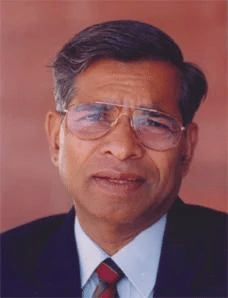
Dr. Banda Vasudev Rao - Father of Indian Poultry Farming
Silver Revolution - Salient Features
The main features of Silver Revolution are as follows:
- To stop illnesses, larger businesses must use cutting-edge technology and follow biosecurity guidelines.
- Advancing medical applied technologies to produce cock and hen hybrids.
- Raising the quality standards for egg products to satisfy the demands of markets for poultry in the Middle East and Japan, among other nations.
- To increase demand and provide sustainable food for all, egg products should be promoted in mid-day meal programs and hospitals.
- The eggs must be packaged neatly and labelled with their nutritional content and expiration date.
- Due to the commodity's fragility, long-distance supplies and exports must be carefully arranged with large production.
- The use of applied science to acquire chickens was pioneered by the Silver Revolution.
- This uproar further confirmed the need to expand the nature of egg product regulations in order to satisfy the needs of other countries with viable poultry business sectors.
- The early afternoon dinner plans progressed by increasing egg creations and ensuring affordable food for everyone in order to boost interest in usage.
- The Poultry Development Index was created for the important poultry-creating conditions of the Indian Union and organized the states in accordance with WPDI's expanding request (Walking Permeability Distance Index).
Silver Revolution - Challenges
- There were a few challenges encountered throughout the implementation of the silver revolution, despite the enormous efforts. They are:
- Due to countries starting their own chicken production, exports in the northern and southern parts of the world have halted.
- A constraint on the poultry industry is brought on by social problems around the huge farm units.
- Pollution of the environment is caused by untreated chicken waste. It causes the release of harmful gases and bacteria.
Silver Revolution - Significance
- The Silver Revolution in India produced a wave of social advancement. This upheaval not only increased egg production but also gave individuals in rural areas employment options.
- The poultry industry has helped over 100,000 individuals find direct and indirect jobs.
- Up until this point, egg production has been highly efficient, but now that it is slowing down, there is a huge rise in demand, which has led to fantastic prices.
- This technique has increased egg output to 90 billion eggs every 25 years.
- India produces the highest-quality eggs, which has increased exports to African nations.
- Punjab, Andhra Pradesh, South India, West Bengal, Bihar, and Maharashtra are the primary producers of poultry.
- The silver revolution resulted in the successful development of India's poultry sector.
- Aside from increasing egg production, it also helped women in rural areas find work.
Development of Poultry in India
- The stage of poultry farming in various Indian states was elevated by developing developmental indices based on factors such as the ratio of improved birds to total population and poultry, layer parent stock, total number of hatcheries, and their performance.
- During the development of the Poultry Development Index, states with lower WPDI were the first to establish poultry farming operations.
- Assam and other Northeastern states were ranked lower, while Telangana was ranked highest in terms of poultry production development.
- Domestic economic growth and consumption dynamics have nearly doubled India's meat consumption over the last decade.
- Nonetheless, the average Indian consumes only about 4.5 kg (10 pounds) of meat per year, owing to the country's low income and preference for non-animal protein sources.
- Poultry is important in India, and chicken is the most widely accepted meat, aided by religious taboos against beef and pork.
- Many urban Indian families have begun to accept eggs as a regular supplement to their vegetarian diet.
- Domestic demand for poultry meat and eggs in India is expected to grow at a rapid pace. The availability of animal feed, particularly maize, is a critical factor supporting India's poultry industry.
- In response to the expansion of the poultry industry, maize production in India is rapidly expanding and changing.
- Meanwhile, maize value chains are becoming more sophisticated, and their changing structure provides opportunities for both public and private sector actors to invest.
- Maize thus contributes to India's agricultural and economic growth, particularly as feed for the thriving poultry industry.
Poultry Production in India
- India is regarded as the fourth-largest producer of chicken after China, Brazil, and the United States and the third-largest producer of eggs after the United States and China.
- Given the chicken industry's remarkably rapid expansion when compared to other industries, such as agriculture, numerous significant advances have been made to support this.
- Since it is advised to consume 180 eggs and 10 kg of chicken annually, there is a significant opportunity for growth and production improvement in this industry.
- India's poultry industry is divided into three categories:
- Layers Industry (Eggs): Larger, more bird-filled units are currently being erected.
- While the eggs were carried to the other states, primarily 70% of the layer birdhouses were installed in Tamilnadu, Andhra Pradesh, Maharashtra, Karnataka, and Punjab.
- States like West Bengal, Uttar Pradesh, and Bihar are now developing superior production facilities.
- Broilers: Before the 1975 discovery of the broiler bird in India, chickens were exclusively male or "spent hens." But now the 60-day-old commotion broiler bird, which has more soft meat, is ready.
- In order to improve the genetics and nutritional value of the chickens, the broiler business has undergone extensive technical development.
- With the aid of technological innovations, the broiler bird's development time has decreased from 60 days to less than 40 days.
- It is clear that poultry has been a part of many Indian households and their backyards.
- Backyard/ Family Production (Both Eggs and Chicken): Additionally, it has been noted that at one point, 30% of all eggs were produced in backyards, but neither the birds nor the eggs were productive enough to produce quality eggs.
- Therefore, the government has begun to promote backyard poultry in an effort to get better results.
Conclusion
With due consideration for feed market development and the environment, an appropriate institutional and policy environment should allow India's poultry revolution to continue into the future. The poultry revolution in India has already had an impact on global poultry production and trade. The vast majority of demand in India has been and will continue to be met by domestic production, resulting in traditional poultry exporters such as the United States and Brazil missing out on India's burgeoning poultry market. Furthermore, India is likely to become a more important export market player, particularly in the Middle East, and thus represents an emerging competitor in the global poultry trade arena.
FAQs
Question: What is the Silver Revolution in Indian agriculture?
Answer: The Silver Revolution refers to the massive increase in egg production in India during the period from 1969 to 1978. This revolution was driven by advancements in poultry farming techniques, including the use of hybrid poultry breeds and improved farming methods. It led India to become the third-largest producer of eggs globally, following China and the United States. The revolution was supported by both public and private sector initiatives and played a crucial role in improving food security and nutrition in India.
Question: Who is known as the father of the Silver Revolution in India?
Answer: Dr. B.V. Rao, the founder of Venkys, is often referred to as the father of the Silver Revolution in India. He played a key role in transforming the Indian poultry industry by introducing innovative techniques in poultry farming and promoting hybrid chicken breeds, which significantly boosted egg production.
Question: What were the key features of the Silver Revolution?
Answer: Key features of the Silver Revolution include the introduction of hybrid poultry breeds, the adoption of modern poultry farming techniques, and the establishment of a structured poultry industry in India. The revolution also involved the development of the Poultry Development Index to track and enhance production. Additionally, there was a focus on improving egg quality, increasing egg exports, and ensuring biosecurity measures in large-scale poultry farming.
Question: What were the challenges faced during the Silver Revolution?
Answer: The challenges during the Silver Revolution included the rise in poultry production leading to market saturation, environmental pollution from chicken waste, and socio-economic concerns regarding large-scale poultry farming. The industry also faced competition from international poultry producers, which hindered export growth in certain markets.
Question: How has the Silver Revolution impacted rural employment in India?
Answer: The Silver Revolution significantly contributed to rural employment by providing direct and indirect job opportunities in the poultry sector. It created jobs in poultry farming, feed production, and egg distribution, benefiting thousands of rural families. The revolution also empowered women, who became more involved in poultry farming, improving their socio-economic status.
MCQs
1. What is the primary impact of the Silver Revolution on India's poultry industry?
A) Reduction in poultry farming
B) Increase in egg production
C) Decrease in chicken consumption
D) Increase in chicken exports
Answer: (B) See the Explanation
Explanation: The Silver Revolution led to a massive increase in egg production in India, making it one of the largest producers of eggs globally. It transformed the poultry industry through advanced farming techniques and hybrid poultry breeds.
2. Who was the key figure behind the success of the Silver Revolution in India?
A) Dr. B.V. Rao
B) Mrs. Indira Gandhi
C) Dr. M.S. Swaminathan
D) Dr. Manohar Bapat
Answer: (A) See the Explanation
Explanation: Dr. B.V. Rao, the founder of Venkys, is considered the father of the Silver Revolution in India for his contribution to the development of the poultry industry and hybrid poultry breeds.
3. What was the role of the Indian government in the Silver Revolution?
A) It provided financial support for the poultry industry
B) It restricted poultry farming in rural areas
C) It regulated egg production and exports
D) It promoted the use of traditional farming methods
Answer: (A) See the Explanation
Explanation: The Indian government played an essential role by providing financial support and creating policies that encouraged large-scale poultry farming and the establishment of poultry development indices to monitor and enhance production.
4. In which period did the Silver Revolution take place?
A) 1959-1969
B) 1969-1978
C) 1980-1990
D) 1995-2005
Answer: (B) See the Explanation
Explanation: The Silver Revolution took place from 1969 to 1978, resulting in a significant increase in egg production and transforming India's poultry industry.
5. What is the main challenge faced by the poultry industry after the Silver Revolution?
A) High demand for poultry products
B) Environmental pollution from chicken waste
C) Low chicken prices
D) Decline in poultry farming practices
Answer: (B) See the Explanation
Explanation: A significant challenge faced by the poultry industry post-Silver Revolution is environmental pollution caused by untreated chicken waste, which releases harmful gases and bacteria.
GS Mains Questions and Model Answers
Q1: Analyze the impact of the Silver Revolution on the agricultural sector in India. How has it contributed to food security and rural development?
Answer: The Silver Revolution had a profound impact on India’s agricultural sector, particularly in the poultry industry. By increasing egg production, it significantly contributed to food security, providing a rich source of protein to meet the nutritional demands of the growing population. The revolution also facilitated rural development by creating thousands of jobs in rural areas, especially for women. The success of the poultry industry also led to improvements in related sectors such as animal feed production, veterinary care, and egg distribution, thereby benefiting the rural economy.
Q2: Discuss the challenges faced by the poultry industry in India after the Silver Revolution. How can these challenges be addressed?
Answer: Despite the success of the Silver Revolution, the poultry industry in India faces several challenges, including environmental pollution caused by untreated poultry waste and market competition from international producers. To address these issues, the industry needs to adopt more sustainable farming practices, including better waste management techniques, and invest in cleaner technologies. Additionally, increasing domestic production efficiency and reducing dependency on imports will help strengthen the industry. The government should continue to support research and development to improve poultry farming technologies and practices.
Q3: Evaluate the role of Dr. B.V. Rao in the development of India's poultry industry. What were his contributions to the Silver Revolution?
Answer: Dr. B.V. Rao was a pivotal figure in the development of India’s poultry industry and the Silver Revolution. He introduced hybrid poultry breeds, which significantly boosted egg production and transformed poultry farming in India. His company, Venkys, played a crucial role in setting up modern poultry farming operations, and he helped establish the Indian poultry industry as a significant contributor to food security and rural employment. Dr. Rao’s contributions to poultry farming helped improve the quality and quantity of egg production, benefiting both domestic consumption and exports.
Previous Year Questions on Silver Revolution
1. UPSC CSE Prelims 2020:
Question: What was the primary goal of the Silver Revolution in India?
A) To increase poultry meat production
B) To improve dairy farming
C) To increase egg production
D) To promote crop diversification
Answer: (C)
Explanation: The primary goal of the Silver Revolution was to increase egg production in India, thereby contributing to food security and improving nutritional standards.
2. UPSC CSE Mains 2019 (GS Paper 3):
Question: "Discuss the significance of the Silver Revolution in India's poultry industry. How did it contribute to rural employment?"
Answer: The Silver Revolution was significant in transforming India’s poultry industry by increasing egg production through the introduction of hybrid poultry breeds and modern farming techniques. It contributed to rural employment by creating jobs in poultry farming, feed production, and distribution. Women in rural areas also found employment opportunities, improving their socio-economic status. The growth of the poultry sector led to better livelihoods for rural communities, enhancing their economic stability.
Download the PREPP App and attempt FREE IAS Exam Mock Tests and get complete study material!

Full Test - 04: UPSC CSE Prelims CSAT (Paper-II)
Full Test - 03: UPSC CSE Prelims CSAT (Paper-II)
UPSC CSE Prelims 2026 GS Paper 1 Question Paper (24-May-2026)
UPSC CSE Prelims 2026 CSAT Paper 2 Question Paper (24-May-2026)

17 February 2025 | The Hindu Must Read Articles | Current Affairs

16 February 2026 | The Hindu Must Read Articles | Current Affairs

13 February 2026 | The Hindu Must Read Articles | Current Affairs









Comments