Grey Revolution - Agriculture Notes
The Indian agricultural revolution created the groundwork for the grey revolution, which has become apparent among the greenery. The grey revolution concentrated on the use of fertilizer to accelerate development after India was successful in expanding the higher-yielding seed varieties. The grey revolution assisted in resolving several issues that the green revolution's aftermath brought forth. To boost agricultural profits, the grey revolution also increased wool production. This article will explain to you about Grey Revolution which will be helpful in preparing the Agriculture Syllabus for the UPSC Civil Service exam.
|
Table of Contents |
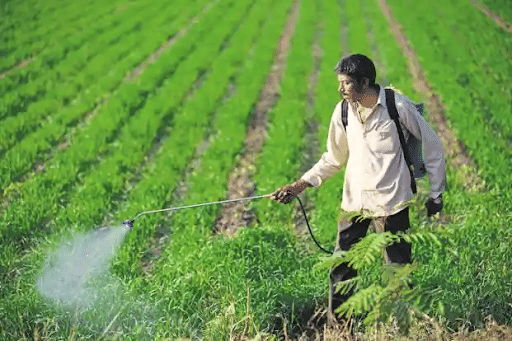
Grey Revolution
What is Grey Revolution?
- The beginning of the "grey revolution" occurred after the 1960s. The start of the grey revolution was triggered by the setbacks of the green revolution.
- It sought to be a better version of the green revolution and address its failings.
- Sustainable food system solutions are being developed by the agritech startup Grey Revolution.
- In order to feed the world, it is creating a platform that enables smallholder farmers to boost yield and profitability.
- With the help of this solution, farmers will be able to focus on what they do best: growing food.
- By providing tools to support farmers, we can create a food system that is less dependent on expensive inputs and more sustainable for farmers.
- India focused on using fertilizer to stimulate growth after years of successfully raising the productivity of its seeds.
Grey Revolution - Objectives
- The primary objectives of the grey revolution were to address the following shortcomings of the green revolution. They are:
- A significant disadvantage was the fact that Punjab's rice production growth rate declined to 1.13% in 1995-96 from 9% between 1965 and 1974.
- The region under pulses experienced a considerable reduction.
- Rice farming during the summer months required an excessive amount of energy and water.
- Diseases, pests, and weeds were now more common. Biodiversity suffered significantly as a result of this.
- Urban areas now contain higher concentrations of aero-solution.
- Groundwater has been overused, which has increased the cost of pumping water and reduced profitability.
- A significant contributor to the green revolution was a decline in sanitation and related conditions.
Grey Revolution - Strategies
- The grey revolution employs the following ways to get over the aforementioned limitations.
- It's crucial to remember that these techniques are currently being used and introduced and that the process is ongoing:
- To diversify the production of pulses, oilseeds, horticulture, aquaculture, and cattle.
- This revolution increased productivity and growth while bridging yield gaps.
- Implementing Climate Smart Agriculture is another focus of this revolution.
- Along with biotechnology, genetic engineering is used.
- The examination of the risk factors for food safety is a component of the integrated biosecurity approach that has been put into practice.
- In India, UNICEF's social policy and protection efforts are helping to advance children's rights.
- It was put into effect as the National Food Security Act of 2013 (Right to Food Act).
- It seeks to give food grains at reduced prices to around two-thirds of India's 1.2 billion people.
- Through the farmer field school method, farmers received an education.
- The agricultural industry should provide facilities for farmers to access contemporary technologies and professional management.
- Implementation of impact evaluation, which comprised impact assessment and impact monitoring, in the sphere of agriculture.
Grey Revolution - Challenges
- When it comes to farmers and their demands, there are still significant challenges to overcome despite the use of these strategies.
- The following are the challenges encountered throughout the implementation of this revolution's strategies in India:
- The primary challenge was to sustainably increase output in order to meet the world's need for food in both quantity and quality.
- Another problem was adopting a professional approach to agriculture in order to boost its profitability and social allure.
- Ecosystem services, which enhanced soil health, biodiversity, carbon sequestration, and wildlife habitat, posed another difficulty.
- It was challenging to anticipate and meet the differences in future food, agricultural, and demand demands.
Conclusion
After the 1960s, the "grey revolution" began which was primarily concerned with fixing the mistakes made during the "green revolution. To boost the productivity of the land, it began to increase fertilizer output. There were several flaws in the green revolution, but they could be fixed with the aid of the grey revolution. By bridging the gap between the yields we observe in scientific research and what we observe in the actual world, this revolution has sped up production and growth.
FAQs
Question. What is the Grey Revolution in agriculture?
Answer: The Grey Revolution refers to the increased use of chemical inputs such as fertilizers, pesticides, and herbicides to boost agricultural productivity. The term is often used in the context of the transformation of Indian agriculture after the Green Revolution in the 1960s. While the Green Revolution focused on increasing agricultural production through high-yielding varieties (HYVs) of seeds, the Grey Revolution primarily relied on the widespread use of chemical inputs to enhance crop yields. The Grey Revolution was significant in intensifying agriculture, especially in India, but it also raised concerns about environmental sustainability, soil degradation, and health risks due to the overuse of chemicals.
Question. What were the main drivers of the Grey Revolution in India?
Answer: The main drivers of the Grey Revolution in India were:
- Increased use of chemical fertilizers: The use of chemical fertilizers such as urea, superphosphate, and potash significantly increased crop yields.
- Pesticide and herbicide use: The adoption of pesticides and herbicides helped control pest attacks and weeds, ensuring better crop protection.
- Government support: The Indian government provided subsidies and incentives for the use of chemical inputs in agriculture, encouraging farmers to adopt these technologies.
- Technological advancements: Improvements in irrigation techniques, farm machinery, and crop management practices also contributed to the success of the Grey Revolution.
- Private sector involvement: The role of the private sector in providing chemicals and fertilizers played a significant part in expanding their use.
Question. How did the Grey Revolution impact agricultural productivity in India?
Answer: The Grey Revolution led to a significant increase in agricultural productivity in India, especially in states like Punjab, Haryana, and Uttar Pradesh. The use of chemical fertilizers and pesticides resulted in enhanced crop yields, particularly for cereal crops like wheat and rice, contributing to India’s food self-sufficiency. It helped the country become less dependent on imports for staple foods and provided a foundation for India’s agricultural growth. However, the overuse of chemicals also led to several adverse impacts, such as soil degradation, water contamination, and the development of pest resistance, which have posed challenges for the sustainability of this revolution.
Question. What are the environmental consequences of the Grey Revolution?
Answer: While the Grey Revolution helped increase agricultural output, it also caused several environmental issues:
- Soil degradation: Excessive use of chemical fertilizers has led to the depletion of essential soil nutrients, causing long-term damage to soil fertility.
- Water pollution: Runoff from fields treated with pesticides and fertilizers has led to water contamination in rivers, lakes, and groundwater sources.
- Pest resistance: Over-reliance on pesticides has resulted in the development of pest resistance, reducing the effectiveness of chemicals over time and requiring higher doses for pest control.
- Biodiversity loss: The widespread use of chemical inputs has adversely affected non-target species, including beneficial insects, birds, and aquatic life, leading to a loss in biodiversity.
Question. How does the Grey Revolution compare with the Green Revolution?
Answer: The Green Revolution primarily focused on the introduction of high-yielding varieties (HYVs) of crops and improved irrigation techniques to increase agricultural output. On the other hand, the Grey Revolution focused more on the use of chemical inputs such as fertilizers and pesticides to enhance crop productivity. While both revolutions significantly increased agricultural production in India, the Green Revolution was more about improving crop varieties and irrigation, whereas the Grey Revolution relied heavily on chemical applications. The environmental impacts of the Grey Revolution, such as soil depletion and water contamination, were more pronounced compared to the Green Revolution.
MCQs
- Which of the following is primarily associated with the Grey Revolution in India?
A) Development of high-yielding varieties (HYVs)
B) Increased use of chemical fertilizers and pesticides
C) Introduction of genetically modified crops
D) Expansion of organic farming
Answer: (B) See the Explanation
The Grey Revolution is primarily associated with the widespread use of chemical fertilizers and pesticides to increase agricultural productivity.
- What is a major negative impact of the Grey Revolution on Indian agriculture?
A) Improved soil fertility
B) Depletion of water resources
C) Soil degradation and water pollution
D) Increase in agricultural biodiversity
Answer: (C) See the Explanation
The Grey Revolution led to soil degradation due to overuse of fertilizers and pesticides, as well as water pollution from chemical runoff.
- Which Indian states saw the highest impact of the Grey Revolution?
A) Tamil Nadu, Maharashtra, Gujarat
B) Punjab, Haryana, Uttar Pradesh
C) Rajasthan, Madhya Pradesh, Odisha
D) Kerala, Andhra Pradesh, West Bengal
Answer: (B) See the Explanation
The Grey Revolution had the most significant impact on states like Punjab, Haryana, and Uttar Pradesh, which saw higher productivity due to increased chemical input use.
- How did the Grey Revolution impact pest management in India?
A) It encouraged organic pest control methods
B) It resulted in the development of pest resistance to chemicals
C) It led to a decrease in the use of pesticides
D) It reduced the need for pesticide application
Answer: (B) See the Explanation
The overuse of pesticides during the Grey Revolution led to the development of pest resistance, making pest management more difficult.
- What is the main difference between the Green Revolution and the Grey Revolution?
A) The Green Revolution focused on fertilizer use, while the Grey Revolution focused on crop varieties
B) The Green Revolution focused on crop varieties and irrigation, while the Grey Revolution focused on fertilizer and pesticide use
C) The Green Revolution focused on organic farming, while the Grey Revolution focused on industrial farming
D) There is no difference; both revolutions focused on the same aspects
Answer: (B) See the Explanation
The Green Revolution introduced high-yielding varieties and irrigation techniques, whereas the Grey Revolution focused on the increased use of fertilizers and pesticides.
GS Mains Questions and Model Answers
Q1: Analyze the environmental consequences of the Grey Revolution in India.
Answer: The Grey Revolution in India, which emphasized the use of chemical fertilizers, pesticides, and herbicides, had significant environmental consequences. While it successfully increased agricultural production, particularly in the Green Revolution states such as Punjab, Haryana, and Uttar Pradesh, it led to a range of environmental issues:
- Soil Degradation: The overuse of chemical fertilizers depleted essential soil nutrients, leading to the decline in soil fertility over time, affecting crop productivity in the long run.
- Water Pollution: Runoff from fields treated with pesticides and fertilizers polluted nearby rivers, lakes, and groundwater, impacting both aquatic life and the availability of safe drinking water.
- Pest Resistance: The excessive reliance on pesticides led to the development of pest resistance, reducing the effectiveness of chemicals and causing higher costs for pest management.
- Biodiversity Loss: The use of chemical pesticides affected non-target species, including beneficial insects and wildlife, leading to biodiversity loss and ecological imbalances.
These environmental issues have made it necessary to rethink the agricultural practices introduced during the Grey Revolution and move towards more sustainable farming techniques, including organic farming and integrated pest management (IPM).
Q2: What are the socio-economic implications of the Grey Revolution on Indian farmers?
Answer: The Grey Revolution had several socio-economic implications for Indian farmers, both positive and negative. On the positive side, the use of chemical fertilizers and pesticides led to an increase in crop yields, particularly in states like Punjab, Haryana, and Uttar Pradesh, ensuring food security and helping India achieve self-sufficiency in staple crops like wheat and rice. The increase in production also led to higher incomes for farmers, particularly those who could afford the chemical inputs.
However, the revolution also had several negative socio-economic impacts:
- Cost of Inputs: Small-scale farmers faced challenges in affording the high cost of chemical fertilizers and pesticides, leading to debt and financial stress.
- Inequality: Wealthier farmers were able to benefit more from the Grey Revolution, as they had the resources to invest in expensive chemicals, while poorer farmers remained excluded from the benefits.
- Health Concerns: The overuse of chemicals raised concerns about the health impacts on farmers and consumers, as residues of pesticides and fertilizers in food and water led to health problems.
- Unsustainable Practices: The dependence on chemical inputs led to unsustainable farming practices, as soil quality and long-term productivity were compromised, leading to increased reliance on external inputs and perpetuating a cycle of debt for farmers.
Thus, while the Grey Revolution boosted agricultural productivity in the short term, it highlighted the need for sustainable agricultural practices that focus on long-term soil health and equitable access to resources.
Q3: Evaluate the impact of the Grey Revolution on the sustainability of Indian agriculture.
Answer: The Grey Revolution, which heavily relied on the increased use of chemical fertilizers, pesticides, and herbicides, led to short-term gains in agricultural productivity. However, its long-term impact on the sustainability of Indian agriculture has been concerning due to several environmental and socio-economic factors:
- Soil Fertility Decline: Over-reliance on chemical fertilizers depleted essential soil nutrients, leading to a decline in soil fertility and long-term crop productivity. As soil health deteriorated, the need for increasingly higher doses of fertilizers emerged, resulting in diminishing returns on investment.
- Water Contamination: The extensive use of pesticides and fertilizers led to water contamination, as chemicals leached into groundwater and rivers. This affected water quality and posed risks to both human health and biodiversity.
- Pest Resistance: Continuous pesticide use led to the development of pest resistance, making it harder for farmers to control pest infestations. This in turn led to greater chemical dependence, escalating costs, and a vicious cycle of unsustainable practices.
- Increased Costs and Debt: For small farmers, the cost of inputs such as fertilizers and pesticides was often unaffordable, leading to increased borrowing and debt, undermining the economic sustainability of their farms.
In conclusion, while the Grey Revolution improved agricultural yields, its unsustainable reliance on chemical inputs undermined the long-term health of the agricultural sector, requiring a shift towards more sustainable and eco-friendly agricultural practices like organic farming and integrated pest management (IPM).
Previous Year Questions on Grey Revolution in Indian Agriculture
1. UPSC 2020
Question: "Analyze the socio-economic impact of the Grey Revolution on Indian farmers."
Answer: This question focused on evaluating the socio-economic implications of the Grey Revolution, particularly its effects on farmer incomes, debt, and access to agricultural resources.
2. UPSC 2019
Question: "Discuss the environmental consequences of the Grey Revolution in India."
Answer: This question required an in-depth analysis of the environmental consequences of the Grey Revolution, especially in terms of soil degradation, water pollution, and biodiversity loss.
Download the PREPP App and attempt FREE IAS Exam Mock Tests and get complete study material!

Full Test - 04: UPSC CSE Prelims CSAT (Paper-II)
Full Test - 03: UPSC CSE Prelims CSAT (Paper-II)
UPSC CSE Prelims 2026 GS Paper 1 Question Paper (24-May-2026)
UPSC CSE Prelims 2026 CSAT Paper 2 Question Paper (24-May-2026)

17 February 2025 | The Hindu Must Read Articles | Current Affairs

16 February 2026 | The Hindu Must Read Articles | Current Affairs

13 February 2026 | The Hindu Must Read Articles | Current Affairs









Comments