Silver Fiber Revolution (Technology Mission on Cotton) - Agriculture Notes
The Silver Fiber Revolution or Technology Mission on Cotton (TMC) is linked to a sharp increase in cotton production in India. Its name is derived from cotton fiber's silvery, wasplike appearance. Similarly, the golden fiber revolution is related to jute. This article will explain to you about Silver Fiber Revolution which will help prepare the Agriculture Syllabus for the UPSC Civil Service exam.
|
Table of Contents |
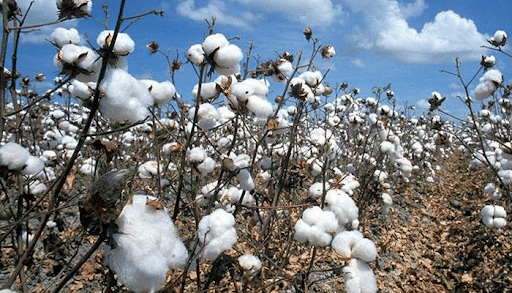
Silver Fibre Revolution
What is Silver Fiber Revolution/ Technology Mission on Cotton?
- Cotton manufacturing is associated with the Silver Fibre Revolution.
- The Technology Mission on Cotton, Mini Mission-I, was launched in February 2000, along with three other Mini Missions, with the goal of improving cotton production and productivity while maintaining internationally competitive fiber quality.
- The Technology Mission on Cotton, Mini Mission-I, was funded by the Department of Agriculture and Cooperation, Ministry of Agriculture, Government of India, and was carried out by the Indian Council of Agricultural Research through the National Agricultural Research System.
- The Mini Mission-I Programmes are designed to conduct work on basic, applied, and strategic aspects of cotton research to produce tangible results in a mission-mode that cotton growers in all three cotton growing zones of India can immediately implement.
- Nine of India's most important cotton-growing states are implementing the program.
- They are Madhya Pradesh, Tamil Nadu, Punjab, Andhra Pradesh, Maharashtra, Haryana, Karnataka, Gujarat and Rajasthan.
Mini Missions
- Mini Mission I: Improve cotton production and productivity by developing cotton research and technology - ICAR.
- Mini Mission II: Technology transfer and development - Department of Agriculture and Cooperation, Ministry of Agriculture.
- Mini Mission III: Improvement of marketing infrastructure - Ministry of Textiles.
- Mini Mission IV: Quality enhancement through upgrading and modernization of the ginning and pressing industries- Ministry of Textiles
Technology Mission on Cotton - Goals
- Increase cotton productivity per hectare from 300 kg lint/ha to 450 kg/ha, and increase production from 16.3 million bales to 24.0 million bales by the end of the tenth plan period.
- Development of new technologies and varieties that can perform better under water stress and high pest incidence conditions while producing a high yield of high-quality cotton.
- Transfer of new technology and financial assistance to farmers to reduce production costs and increase farm income.
- Improve marketing infrastructure to ensure proper grading and auction at regulated markets, ensure growers receive full price for their produce and improve physical facilities at regulated markets.
- Improve seed cotton (kapas) processing to reduce contamination and thus improve raw cotton quality for future end users.
Silver Fiber Revolution - Objectives
The silver fiber revolution's objectives are to:
- Increase the production of cotton and its output.
- Provide farmers with high-quality hybrid seeds from superior types.
- Farmers may replace manufacturing technologies through front-line demonstrations.
- Educate farmers and workers.
- Deliver a sizable area under irrigation and effective water utilization by promoting drip and sprinkler irrigation
- Reduce pest-related losses to cotton plants by promoting the IRM tactics and the IPM module.
- Pest monitoring.
- Promote the use of bio-gent, biopesticides, and premium inputs in cotton using a well-liked combination of techniques.
Indian Cotton Sector
- With over 25% of the world's total cotton production, cotton is one of the most significant commercial crops grown in India.
- It contributes majorly to the livelihoods of 40–50 million workers in allied industries, including the estimated 6 million cotton producers.
- The fabric industry, which accounts for around 70% of India's total fiber production, is dominated by cotton.
- 38% of India's exports are reported. The exchequer receives more than 80,000 crores of Indian rupees annually from it.
- Along with the business it supports, it has an impact on India's economy in a number of ways, including employment and export revenues.
- India is the only country where one out of every four acres is sown with cotton. Around 4 million farmers cultivate the crop across 13 States.
Silver Fiber Revolution - Impact
- The Silver Fibre Revolution's impact on increasing manufacturing and productivity, production technology advancement, reducing contamination, and improving quality has been thoroughly documented in recent years.
- Our country's farmers are currently producing higher-quality cotton using cutting-edge manufacturing equipment and receiving education through Farmers Field School (FFS).
- Some of the Silver Fibre Revolution's noteworthy outcomes are listed below.
1) Rise in Yield, Production & Area
- Before the silver fiber revolution, in 1999–2000, our country's cotton area reached a size of 87.30 lakh ha.
- From there, it decreased to 77.85 lakh ha in 2003–04, before increasing once again to 87.86 lakh ha in 2004–05.
- Due to favorable monsoon conditions in India's key cotton-growing regions, higher prices obtained by farmers, and widespread use of Bt hybrids, more acreages have been protected by employing cotton; in 2007–08, this number even increased to 95.55 lakh ha.
- The states of Tamil Nadu (142%), Gujarat (140%), Punjab (119%), Madhya Pradesh, and Andhra Pradesh (102%) had the largest productivity growth over the national average.
2) Increased Growth Measure
- Manufacturing's compound annual growth rate from 1990 to 2000 was 2.17%, with a terrifying rising fee of -0.40% in yield.
- The increased consignment of production during the Silver Fibre Revolution period grew to 17.36%, illustrating the influence of TMC implementation.
3) Improved Seed Production and Distribution
- In Gujarat, the quick increase in hybrids reached 40.90%; in Madhya Pradesh, it reached 30%; and in Maharashtra, it reached 36%.
- Orissa, West Bengal, Tripura, and Uttar Pradesh are among the states that purchase authorized seeds from other states.
4) Reduction in Pesticide Consumption
- Pesticide consumption has fallen by more than 30–40% as a result of the IPM and IRM techniques' increased popularity, particularly in the States of Andhra Pradesh, Haryana, Maharashtra, Gujarat, and Tamil Nadu.
5) Export/ Import
- During the 2007–08 fiscal year, cotton exports increased to 85 lakh sales, up from 60 thousand during the period just prior to the Silver Fibre Revolution.
- Prior to the TMC, imports were approximately 25.26 lakh sales at one point, but by 2007–08, they had only reached 6.5 lakh sales.
- Over the past few years, cotton exports have increased dramatically while imports have barely changed.
Conclusion
Cotton is the most important component of the fabric industry, accounting for roughly 70% of total fibre production in India. It reports 38% of India’s exports. It also generates over 80,000 crores INR in revenue for the government each year. Along with the business that it supports, it has an impact on India's economy in a variety of ways, including employment and export earnings. India produces approximately 9 million ha per year, making it the largest in the world. Cotton is planted on one out of every four hectares in India. Around 4 million farmers cultivate the crop in 13 states. It is expected that approximately 60 million people will rely on it in some way to make a living.
FAQs
Q1: What is the Silver Fiber Revolution?
Answer: The Silver Fiber Revolution refers to the significant advancements in cotton farming in India, aimed at increasing cotton production, improving its quality, and making India self-reliant in cotton production. The term "Silver Fiber" symbolizes cotton, as it is one of the most important cash crops in India. This revolution was driven by a series of technological interventions, including the development of high-yielding cotton varieties, better pest management practices, and improvements in irrigation and farming techniques.
Q2: What is the Technology Mission on Cotton (TMC)?
Answer: The Technology Mission on Cotton (TMC) was launched by the Government of India in 2000 to promote the Silver Fiber Revolution. The mission aimed at enhancing the overall productivity of cotton in India through the introduction of advanced agricultural technologies, efficient pest management systems, and better quality control. The TMC involved multiple stakeholders, including government agencies, research institutions, and cotton growers, to make cotton farming more productive and economically viable.
Q3: What were the objectives of the Technology Mission on Cotton?
Answer: The Technology Mission on Cotton (TMC) had several key objectives:
- Increase cotton production: The mission aimed to increase the overall cotton yield in India through better crop management practices and the use of high-yielding cotton varieties.
- Improve the quality of cotton: The TMC focused on improving the quality of cotton grown in India, which would help in enhancing its competitiveness in both domestic and international markets.
- Pest management: The mission emphasized integrated pest management (IPM) techniques to control cotton pests and diseases more effectively, reducing the need for chemical pesticides.
- Research and development: The mission promoted R&D in developing new cotton varieties resistant to pests and diseases, as well as those suited to India’s diverse agro-climatic conditions.
- Irrigation and soil management: Improving irrigation facilities and promoting efficient water management practices were also part of the mission to boost cotton production.
Q4: What impact did the Technology Mission on Cotton have on Indian cotton production?
Answer: The Technology Mission on Cotton had a significant impact on cotton production in India. Key outcomes include:
- Increase in cotton yield: The adoption of high-yielding cotton varieties and improved farming practices led to increased cotton production in the country.
- Pest and disease management: The introduction of integrated pest management (IPM) reduced the dependency on chemical pesticides, improving the sustainability of cotton farming.
- Improved cotton quality: The quality of cotton produced improved, making it more competitive in the global market.
- Research and innovation: The mission stimulated innovation in cotton farming, contributing to the development of disease-resistant and high-yielding cotton varieties.
- Economic benefits: The overall improvement in cotton production benefited farmers economically and contributed to India’s status as one of the leading cotton producers globally.
Q5: What challenges are associated with the Silver Fiber Revolution and the Technology Mission on Cotton?
Answer: Despite the success of the Silver Fiber Revolution and the Technology Mission on Cotton, there have been several challenges:
- Climate vulnerability: Cotton farming is highly vulnerable to climate change, with factors such as unpredictable rainfall, temperature fluctuations, and droughts affecting yields.
- Pest resistance: While IPM has reduced the use of chemical pesticides, resistance to pests and diseases continues to be a challenge for cotton farmers.
- Market fluctuations: Cotton prices in both the domestic and international markets can be volatile, affecting the profitability of cotton farming.
- Water usage: Cotton is a water-intensive crop, and water scarcity in some regions has posed a significant challenge to the sustainability of cotton farming in India.
- Farmer education: Inadequate access to training and technology for farmers, especially in rural areas, has limited the full potential of the mission.
MCQs
- What was the primary aim of the Technology Mission on Cotton (TMC)?
a) To promote organic farming in India
b) To improve cotton yield, quality, and pest management
c) To introduce new cash crops for Indian farmers
d) To reduce water consumption in cotton farming
Answer: (b) See the Explanation
- In which year was the Technology Mission on Cotton launched?
a) 1995
b) 2000
c) 2005
d) 2010
Answer: (b) See the Explanation
- Which of the following was NOT a focus of the Technology Mission on Cotton?
a) Pest management
b) Irrigation and water management
c) Promotion of genetically modified (GM) crops
d) Research and development in cotton varieties
Answer: (c) See the Explanation
- What is the significance of the term “Silver Fiber” in the context of Indian agriculture?
a) It refers to cotton as a valuable cash crop
b) It refers to silver as a symbol of economic growth
c) It refers to the fiber used in textile manufacturing
d) It refers to the introduction of new cash crops
Answer: (a) See the Explanation
- Which of the following is a challenge faced by the Silver Fiber Revolution in India?
a) Lack of government support
b) Decreasing demand for cotton globally
c) Vulnerability to climate change and pests
d) Insufficient cotton production technologies
Answer: (c) See the Explanation
GS Mains Questions and Model Answers
Q1: Discuss the impact of the Technology Mission on Cotton on India’s cotton production and global standing.
Answer: The Technology Mission on Cotton (TMC), launched in 2000, significantly boosted India’s cotton production and global competitiveness. The mission aimed at improving cotton yield, quality, and pest management, and had several major impacts:
- Increased cotton yield: Through the introduction of high-yielding cotton varieties, better farming practices, and advanced technologies, India’s cotton production saw a significant rise, making the country one of the leading producers globally.
- Improved cotton quality: The mission focused on improving the quality of cotton, making Indian cotton more competitive in both domestic and international markets. By enhancing the fiber’s strength and length, the mission ensured better quality cotton for the textile industry.
- Sustainability and pest management: The mission promoted integrated pest management (IPM), reducing dependence on chemical pesticides and promoting environmentally sustainable farming practices.
- Research and innovation: The TMC fostered research in developing disease-resistant and high-yielding cotton varieties, which contributed to increasing productivity in both traditional and new cotton-growing regions.
- Global standing: The improvements in production and quality enhanced India’s standing in the global cotton market, making it a key exporter. India became the second-largest producer and exporter of cotton, improving its share in international markets.
In conclusion, the Technology Mission on Cotton helped India become a leader in cotton production, with better-quality cotton and improved productivity. It also contributed to the global competitiveness of Indian cotton and made cotton farming more sustainable and economically viable for farmers.
Q2: Analyze the role of the Silver Fiber Revolution in improving the economic condition of cotton farmers in India.
Answer: The Silver Fiber Revolution played a crucial role in improving the economic condition of cotton farmers in India by addressing key challenges in cotton farming, including low productivity, poor quality, and pest management issues. Through initiatives like the Technology Mission on Cotton (TMC), the following improvements were made:
- Increased productivity: The adoption of high-yielding cotton varieties and better farming practices helped farmers increase their cotton yield per hectare, improving their income and reducing the cost of cultivation.
- Quality enhancement: The TMC focused on improving the quality of cotton, which made Indian cotton more attractive to both domestic and international buyers. Higher-quality cotton fetched better prices in the market, directly benefiting farmers.
- Pest management: The introduction of integrated pest management (IPM) reduced farmers' dependency on chemical pesticides, lowering costs and improving sustainability. Farmers who adopted IPM techniques experienced fewer crop losses due to pest attacks, further boosting their income.
- Economic sustainability: The mission helped cotton farmers diversify their practices by improving irrigation techniques and soil management, which made cotton farming more sustainable in the long term, especially in areas prone to water scarcity.
While the Silver Fiber Revolution significantly improved the economic conditions of cotton farmers, challenges such as climate change, water scarcity, and market volatility still remain. However, the TMC’s efforts laid the foundation for a more prosperous and sustainable future for cotton farmers in India, allowing them to compete effectively in the global market.
Q3: What are the challenges that still need to be addressed to sustain the benefits of the Silver Fiber Revolution in India?
Answer: Despite the significant achievements of the Silver Fiber Revolution, several challenges remain that need to be addressed to sustain the benefits of the revolution in India’s cotton farming sector:
- Climate change: Climate variability, including droughts, flooding, and temperature fluctuations, continues to pose a threat to cotton production. The increased frequency of unpredictable weather events can drastically affect cotton yields and the sustainability of cotton farming.
- Water scarcity: Cotton is a water-intensive crop, and many cotton-growing regions in India face water shortages. Ensuring the sustainable use of water resources through efficient irrigation systems is crucial for the long-term success of cotton farming.
- Pest resistance: While integrated pest management has helped reduce pesticide usage, resistance to pests and diseases remains a significant issue. There is a need for continuous innovation in pest control technologies to prevent damage to cotton crops.
- Market volatility: Cotton prices can be volatile, influenced by global demand, weather conditions, and international trade policies. Farmers often face economic uncertainty due to fluctuations in market prices, making it difficult for them to sustain a steady income.
- Farmer education: Many farmers still lack access to training on advanced agricultural techniques, technology adoption, and market dynamics. Ensuring that farmers are equipped with the knowledge and resources to take full advantage of the advancements made during the Silver Fiber Revolution is critical.
In conclusion, while the Silver Fiber Revolution has brought significant progress to India’s cotton sector, addressing the challenges of climate change, water usage, pest management, market instability, and farmer education is essential to sustain these benefits in the long term.
Previous Year Questions on Silver Fiber Revolution
1. UPSC CSE 2020
Question: Discuss the role of the Technology Mission on Cotton in enhancing cotton production and quality in India.
Answer: The Technology Mission on Cotton (TMC) has played a pivotal role in improving cotton production and quality in India by introducing high-yielding cotton varieties, enhancing pest management, and improving irrigation practices. The TMC contributed to India’s growth as a major cotton producer by addressing challenges such as low productivity and poor quality, and helped India compete effectively in the global cotton market.
2. UPSC CSE 2018
Question: Analyze the economic impact of the Silver Fiber Revolution on cotton farmers in India.
Answer: The Silver Fiber Revolution has significantly improved the economic conditions of cotton farmers in India by increasing productivity, enhancing cotton quality, and promoting sustainable farming practices. Through the Technology Mission on Cotton, farmers have benefited from higher yields, better quality cotton, and improved pest management, leading to increased income and improved livelihoods.
Download the PREPP App and attempt FREE IAS Exam Mock Tests and get complete study material!

Full Test - 04: UPSC CSE Prelims CSAT (Paper-II)
Full Test - 03: UPSC CSE Prelims CSAT (Paper-II)
UPSC CSE Prelims 2026 GS Paper 1 Question Paper (24-May-2026)
UPSC CSE Prelims 2026 CSAT Paper 2 Question Paper (24-May-2026)

17 February 2025 | The Hindu Must Read Articles | Current Affairs

16 February 2026 | The Hindu Must Read Articles | Current Affairs

13 February 2026 | The Hindu Must Read Articles | Current Affairs









Comments