Ecological Farming (Eco-farming) - Agriculture Notes
Among proponents of sustainable agriculture, ecological farming or eco farming is regarded as the ultimate goal. Ecological farming is not the same as organic farming, but there are many similarities and they are not necessarily incompatible. Ecological farming encompasses all methods, including organic, that regenerate ecosystem services such as soil erosion prevention, water infiltration and retention, carbon sequestration in the form of humus, and increased biodiversity. Many techniques are used, such as no-till farming, multispecies cover crops, strip cropping, terrace cultivation, shelter belts, pasture cropping, etc. In this article, we will discuss Eco-farming of organic farming which will be helpful for UPSC exam preparation.
|
Table of Contents |
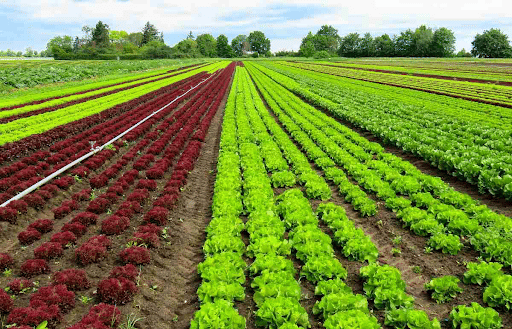
Ecological Farming
What is Organic Farming?
- Organic farming, also known as ecological farming or biological farming, is an agricultural system that uses organic fertilisers such as compost manure, green manure, and bone meal and emphasises techniques such as crop rotation and companion planting.
- Organic farming is an agricultural practice that makes use of biological pesticides and fertilizers derived from plant or animal waste.
- The goal of organic farming is to create foods that are of the highest quality, have a high nutritional value, and are free of chemicals.
- It strives to develop a sustainable system that conserves energy, soil, and water; while at the same time providing general care for the environment.
- In fact, the use of chemical pesticides and synthetic fertilizers was the cause of the environmental harm that organic farming was intended to address.
- Or to put it another way, organic farming is a new type of agriculture or farming that improves, maintains, and repairs the ecological balance.
- Organic standards are intended to allow the use of naturally occurring substances while prohibiting or strictly limiting the use of synthetic substances.
- For example, naturally occurring pesticides such as pyrethrin are permitted, whereas synthetic fertilisers and pesticides are generally prohibited.
- Copper sulphate, elemental sulphur, and Ivermectin are examples of permitted synthetic substances.
- Genetically modified organisms, nanomaterials, human sewage sludge, plant growth regulators, hormones, and antibiotic use in livestock husbandry are all prohibited.
- Organic farming advocates benefits such as sustainability, openness, self-sufficiency, autonomy and independence, health, food security, and food safety.
What is Eco-farming?
- Ecological farming is based on the premise that crops use natural resources to fight pests, maintain or increase soil fertility, and so on, without the use of synthetic chemicals such as fertilisers, pesticides, antibiotics, or organisms that have been genetically modified.
- This results in more natural, healthy, and nutritious foods. Furthermore, it contributes to greater environmental sustainability while having a low environmental impact.
- Biodynamic agriculture, natural agriculture or Fukuoka, synergistic agriculture, messianic agriculture, permaculture, and other types of ecological farming are based on balance and respect for the environment.
- Ecological farming is similar to organic farming, but it goes a step further by considering the entire ecosystem and acting only in accordance with the natural life cycle.
- Ecological farming is founded on a number of goals and principles, as well as good practises designed to reduce man's impact on the environment:
- Crop rotation is required for efficient use of farm resources.
- Due to their potentially harmful effects on the environment, fertilisers and synthetic chemical pesticides must be strictly limited in their use.
- The use of genetically modified organisms is prohibited.
- Encourage a diverse ecosystem to maintain soil fertility and pest control naturally (for example, by using animal manure and farm feed as fertiliser).
- Choosing plant species and animal breeds that are better suited to local conditions and potential pest and disease problems.
- Animals raised in the open and in shelters are fed organic feed.
- Using animal breeding practises that are specific to each breed.
- Farmers who practise ecological farming aren't just trying to keep the soil healthy, fertile, and natural. They also try to improve it by using appropriate nutrients, improving its structure, and managing water effectively.
- Many farmers currently maintain or plant hedges to prevent land erosion caused by wind.
- Simultaneously, these hedges and the various natural edges around the land contribute to the creation of ideal habitats for birds, insects, and other wildlife on farm land, thereby contributing to overall biodiversity.
- Ecological methods, such as interstitial crops and crop protection, as well as improving soil humus content, can help prevent nutrient infiltration in groundwater and surface waters and reduce the risk of soil erosion, thereby lowering the risk of water contamination.
Principles of Eco-Farming
-
Food sovereignty
- Food sovereignty is concerned with how and by whom food is produced. Food sovereignty places power in the hands of those who produce, distribute, and consume food.
- It guarantees farmers, communities, and individuals the right to define their own food systems.
- Food sovereignty recognises women as the backbone of rural communities, as well as the historic role women have played in gathering seeds and sowing seeds as biodiversity guardians.
-
Rewarding Rural Livelihoods
- Ecological farming contributes to rural development and poverty alleviation by providing safe, healthy, and economically viable livelihoods in rural communities.
-
Smarter Food Production and Yields
- To increase global food availability and improve livelihoods in poorer regions, we must reduce unsustainable use of what we currently grow, as well as reduce food waste, meat consumption, and land use for bioenergy.
- Higher yields must be achieved through ecological means where they are required.
-
Biodiversity
- Ecological farming is primarily concerned with the diversity of nature from the seed to the plate and throughout the agricultural system.
- It is about improving diets and health by improving the flavour, nutrition, and culture of the food we eat.
- Promoting crop diversity rather than monocultures such as corn and soy is critical to environmental protection.
-
Sustainable Soil
- Soil fertility can be improved by using eco-farming methods and avoiding the use of chemical fertilisers and inputs.
- Soils are protected from erosion, pollution, and acidification by ecological farming.
- We can improve water retention and prevent land degradation by increasing soil organic matter where necessary.
-
Ecological pest control
- Ecological farming allows farmers to control pests without the use of costly chemical pesticides, which can harm our soil, water, and ecosystems, as well as farmers' and consumers' health.
- Toxic chemical pesticides endanger human health and the health of the environment.
- Unfortunately, industrial farming relies on large amounts of herbicides, fungicides, and insecticides to survive.
- Our current food system has entangled farmers in an expensive relationship with the corporations that sell all of these chemicals.
-
Food Resilience
- Ecological farming fosters resilience, which strengthens agriculture and effectively adapts our food system to changing climatic and economic realities.
- Diverse and resilient agriculture, rather than monoculture crops, is the best way to protect communities from climate and food price shocks.
Types of Ecological Farming
- Biodynamic Agriculture
- Rudolf Steiner developed biodynamic agriculture in 1924.
- The farm is treated as a living organism in this system, which takes a holistic approach.
- The goal of biodynamic agriculture is to avoid using any inputs on the farm.
- Other methods of improving soil fertility include the use of cover crops and animal manure.
- Farmers frequently use homoeopathic preparations to treat the soil, plants, and compost.
- They also consider natural rhythms when performing farming tasks such as seeding.
- Permaculture
- It was developed in Australia in the 1970s by David Holmgren and Bill Mollison.
- Farmers use permaculture to create various agricultural areas where they develop productive ecosystems with the same diversity, resilience, and stability as natural ecosystems.
- Permaculture, in practise, mimics plant growth in natural ecosystems while requiring little maintenance.
- Natural farming/Fukuoka farming
- It is based on Masanobu Fukuoka's principles.
- Farmers work with natural cycles and processes rather than using conventional farming techniques.
- Fukuoka farming does not use fertilisers or pesticides, and it is anti-till and weeding.
- The use of clay seed balls, an ancient technique used to mix crop seeds with humus or compost and roll them into clay balls, is one feature of this type of farming.
Methods and Techniques of Eco-farming
When practising ecological farming, a variety of methods and techniques are used, each with their own set of benefits and implementations that lead to more sustainable agriculture.
- Polyculture or Crop Diversity: It is the practise of growing a variety of crop species on the same farm land.
- Each plant species absorbs different nutrients from the soil and excretes different substances.
- This method promotes soil fertility without the use of chemical fertilisers.
- Furthermore, a variety of crops attracts a variety of insects, wild plants, and microorganisms, thereby increasing biodiversity.
- This method is used to reduce the risks associated with monoculture crops, which can be vulnerable to climate change.
- This type of biodiversity makes crops more resilient, increasing food security and field productivity over time.
- Biodigestors: This converts organic waste into a combustible gas that can be used as a fuel source, fertiliser for crops and fish ponds, and a method for removing wastes rich in organic matter.
- Because biodigestors can be used as fertiliser, the amount of industrial fertiliser required to sustain farm yields is reduced.
- Aquaculture integration: This combines fish farming with agricultural farming by diverting waste from animals and crops to fish farms to be used up rather than being leeched into the environment. Fish pond mud can also be used to fertilise crops.
- Organic fertilisers (Animal and Green manure): They can also be used in an ecological farm. This improves and maintains soil fertility, which leads to lower costs and higher yields, reduces the use of non-renewable resources in industrial fertilisers (Nitrogen and Phosphorus), and reduces the environmental pressures posed by intensive agricultural systems.
- Precision Agriculture: This focuses on efficient pest removal using non-chemical techniques and minimises the amount of tilling required to sustain the farm.
- Small Sized Farms: Smaller farms are better suited to ecological farming because they are easier to maintain without the use of chemicals or farm machinery.
- Crop rotation is also more effective when done on smaller farms. This method can also help to increase biodiversity.
- Soil Fertility: Because the primary goal of ecological farming is to use only natural fertilisers, soil fertility is the most important factor.
- Soil fertility is essential for sustainability because it allows the farm to continue serving its function as an organic piece of land for an extended period of time, as opposed to synthetic substances used in traditional farming, which reduce the life span of the soil.
Advantages of Eco-farming
- Eco farming entails the introduction of symbiotic species to support the farm's ecological sustainability. Benefits include reduced ecological debt and the elimination of dead zones.
- Ecological foods do not contain synthetic additives, which can lead to health issues such as heart failure, osteoporosis, migraines, allergies, hyperactivity, and Parkinson's disease, among others.
- Furthermore, the use of synthetic substances in food culture, production, or preservation is not required. There is no need to look for out-of-season products to meet the nutritional needs of the body.
- Ecological products are healthier because they are free of pesticides, insecticides, antibiotics, synthetic fertilisers, additives, and preservatives.
- They contain no artificial substances; the foods from ecological farming are properly assimilated by the organism without interfering with metabolic functions.
- Ecological farming makes economic sense. This modern farming system increases crop yields. Ecological farming can produce 30% more food per hectare globally.
- Another important aspect of ecological farming is organic pest control. Ecological farmers use non-polluting, long-term pest protection instead of chemical pesticides in this system. Beneficial insects can be introduced into the field as one method.
- One of the advantages of ecological products is that they respect the environment. Farmers who grow ecological crops contribute to environmental conservation by avoiding contamination of land, water, and air.
- Ecological farming is the most environmentally friendly because it produces less aerosol pollution, less carbon dioxide, prevents the greenhouse effect, does not generate polluting waste, and aids in energy savings by utilising as many renewable resources as possible in crop cultivation and product production.
- Ecological farming is a pioneering, practical development that aims to create globally sustainable land management systems and promotes reconsideration of the importance of biodiversity in food production and farming end products.
Challenges Faced by Eco-farming
- The challenge for ecological farming science is to develop a mainstream productive food system that is both sustainable and regenerative.
- To enter the field of ecological farming, location relative to the consumer can help reduce the food miles factor, which can help reduce damage to the biosphere caused by combustion engine emissions involved in current food transportation.
- The design of an ecological farm is initially constrained by the same constraints as conventional farming: local climate, the physical properties of the soil, a budget for beneficial soil supplements, manpower, and available automatons.
- However, long-term water management by ecological farming methods is likely to conserve and increase water availability for the location, and require far fewer inputs to maintain fertility.
Difference Between Ecological Farming and Organic Farming
| Ecological Farming | Organic Farming |
|---|---|
| Ecological farming is concerned with the physical treatment of the land (e.g. no till, cover crops, buffer zones). | Organic farming is concerned with the production inputs (e.g., non-GMO, no synthetic fertilizer/pesticides/herbicides), |
| Ecological farming seeks to minimise tillage in order to manage erosion. | Organic farming frequently necessitates additional tillage in order to manage weeds. |
| As the produce is not always organic, ecological farming does not always result in higher market prices but the positive impact on the long-term health of the soil and the environment is enormous. | Organic farming is more expensive to implement, the produce commands a higher price in the market. |
Conclusion
Eco-farming combines cutting-edge science and innovation with a love of nature and biodiversity. It promotes healthy farming and food. It safeguards the soil, water, and climate. It does not use genetically engineered crops or pollute the environment with chemical inputs. And it prioritises people and farmers—consumers and producers—rather than the corporations that currently control our food. It is a vision of sustainability and food sovereignty in which food is grown with health and safety in mind, and control over food and farming is in the hands of local communities rather than transnational corporations.
FAQs
Question: What is ecological farming?
Answer: Ecological farming, also known as eco-farming, is a sustainable agricultural practice that focuses on using environmentally friendly methods to cultivate crops. It emphasizes the health of soil, biodiversity, and ecological balance by avoiding synthetic chemicals, promoting crop rotation, organic manure, biological pest control, and conservation of natural resources.
Question: How does ecological farming benefit the environment?
Answer: Ecological farming benefits the environment by reducing pollution, conserving water, improving soil health, and enhancing biodiversity. By eliminating synthetic chemicals, it helps protect ecosystems, promotes the natural balance of flora and fauna, and reduces greenhouse gas emissions compared to conventional farming.
Question: What are the key principles of ecological farming?
Answer: The key principles of ecological farming include maintaining soil fertility, conserving biodiversity, using natural pest control methods, promoting crop diversity and rotation, minimizing resource consumption, and avoiding synthetic chemicals and genetically modified organisms (GMOs).
Question: How does ecological farming differ from conventional farming?
Answer: Ecological farming differs from conventional farming by prioritizing natural and sustainable practices over the use of synthetic inputs like chemical fertilizers and pesticides. While conventional farming often relies on intensive monoculture and chemical intervention, ecological farming promotes biodiversity, soil health, and eco-friendly practices.
Question: What role does biodiversity play in ecological farming?
Answer: Biodiversity plays a crucial role in ecological farming by enhancing resilience to pests, diseases, and changing climate conditions. By promoting a diverse range of crops and supporting beneficial insects, birds, and other organisms, ecological farming creates a balanced ecosystem that naturally supports crop productivity and health.
MCQs
- Ecological farming primarily avoids the use of:
A) Organic fertilizers
B) Synthetic chemicals and GMOs
C) Crop rotation
D) Biodiversity conservation
Answer: (B) See the Explanation
Ecological farming promotes natural practices and avoids synthetic chemicals and genetically modified organisms (GMOs).
- A key benefit of ecological farming is:
A) Increased use of synthetic pesticides
B) Reduced biodiversity in farmlands
C) Improvement of soil health and biodiversity conservation
D) Exclusive focus on monoculture crops
Answer: (C) See the Explanation
Ecological farming focuses on sustainable practices that enhance soil health and conserve biodiversity.
- One of the main principles of ecological farming is:
A) Maximizing chemical input for higher yields
B) Avoiding crop rotation
C) Conserving soil fertility and promoting biodiversity
D) Relying only on high-yield crop varieties
Answer: (C) See the Explanation
Ecological farming emphasizes practices that conserve soil health and biodiversity, enhancing the sustainability of agriculture.
- How does ecological farming impact greenhouse gas emissions?
A) It increases emissions due to intensive cultivation
B) It has no effect on emissions
C) It reduces emissions through eco-friendly practices
D) It increases emissions through higher fossil fuel use
Answer: (C) See the Explanation
Ecological farming reduces greenhouse gas emissions by minimizing synthetic inputs and promoting sustainable practices.
- Ecological farming supports natural pest control by:
A) Using chemical pesticides
B) Relying on monoculture crops
C) Encouraging beneficial insects and biological methods
D) Avoiding any form of pest control
Answer: (C) See the Explanation
Natural pest control in ecological farming involves using beneficial organisms and biological techniques to manage pests.
GS Mains Questions and Model Answers
Q1: Discuss the principles and benefits of ecological farming in promoting sustainable agriculture.
Answer: Ecological farming focuses on creating a balanced agricultural system that enhances soil health, conserves biodiversity, and minimizes the use of synthetic chemicals. Key principles include crop rotation, organic manure use, biological pest control, and maintaining ecological balance. Benefits include improved soil fertility, reduced environmental pollution, and enhanced resilience to pests and climate change. Ecological farming reduces dependence on non-renewable resources and promotes the conservation of natural ecosystems, making it a viable alternative to conventional methods for sustainable agriculture and food security.
Q2: Analyze the environmental advantages of adopting ecological farming practices over conventional farming methods.
Answer: Ecological farming offers numerous environmental advantages over conventional farming. By eliminating synthetic chemicals and promoting natural soil fertility, it reduces soil and water pollution, enhances biodiversity, and conserves ecosystems. Ecological farming minimizes greenhouse gas emissions, helps combat climate change, and preserves beneficial insects, birds, and microorganisms that support crop health. Unlike conventional methods, which often lead to soil degradation and habitat loss, ecological farming builds long-term resilience and sustainability within the agricultural sector.
Q3: Evaluate the challenges faced by farmers in adopting ecological farming practices in India.
Answer: Farmers in India face several challenges in adopting ecological farming practices, including limited access to organic inputs, lack of knowledge and training, and initial lower yields compared to conventional methods. Ecological farming requires investments in time and resources for soil restoration and biodiversity conservation, which may deter small farmers with limited capital. Additionally, market access for organic produce and government support are often inadequate. Overcoming these challenges requires policies that provide incentives, training, and infrastructure support, making ecological farming more accessible and rewarding for farmers.
Previous Year Questions on Eco-farming of organic farming
1. UPSC CSE 2020
Question: Evaluate the role of ecological farming in addressing climate change and enhancing food security.
Answer: Ecological farming plays a critical role in mitigating climate change and enhancing food security by promoting sustainable agricultural practices. It reduces greenhouse gas emissions through minimal reliance on synthetic inputs and supports carbon sequestration in healthy soils. By fostering biodiversity, ecological farming increases resilience to climate variability, pests, and diseases, ensuring consistent crop yields. This approach conserves water, maintains soil fertility, and reduces environmental pollution, making it an effective strategy for long-term food security in the face of climate change. Widespread adoption of ecological farming can contribute to global climate targets and provide sustainable livelihoods for farmers.
2. UPSC CSE 2019
Question: Discuss the significance of biodiversity conservation in ecological farming practices.
Answer: Biodiversity conservation is a cornerstone of ecological farming, contributing to sustainable agricultural ecosystems. By promoting crop diversity, encouraging beneficial insects, and maintaining natural habitats, ecological farming enhances the resilience of crops to pests, diseases, and climate fluctuations. Biodiversity supports soil fertility through natural nutrient cycling and reduces the need for chemical inputs. It also fosters ecosystem services such as pollination and natural pest control, which are essential for crop productivity. Conservation of biodiversity in farming practices ensures long-term agricultural sustainability and helps protect the environment, benefiting both farmers and society at large.
Download the PREPP App and attempt FREE IAS Exam Mock Tests and get complete study material!

Full Test - 04: UPSC CSE Prelims CSAT (Paper-II)
Full Test - 03: UPSC CSE Prelims CSAT (Paper-II)
UPSC CSE Prelims 2026 GS Paper 1 Question Paper (24-May-2026)
UPSC CSE Prelims 2026 CSAT Paper 2 Question Paper (24-May-2026)

17 February 2025 | The Hindu Must Read Articles | Current Affairs

16 February 2026 | The Hindu Must Read Articles | Current Affairs

13 February 2026 | The Hindu Must Read Articles | Current Affairs









Comments