Citizenship by Descent - Indian Polity Notes
Citizenship by descent means the citizenship given to a person whose parents or grandparents were citizens of India at some point of time. The Citizenship Act of 1955 and its later amendments specify the requirements for the same. For example, If a person was born in the USA in 1995 but his parent was a citizen of India by birth, then the person can acquire Indian citizenship by descent. Citizenship by Descent is popularly known as “jus sanguinis” a Latin term that means ‘law of the blood’.
|
Table of Contents |
|
“Citizenship consists in the service of the country.” -Jawaharlal Nehru |
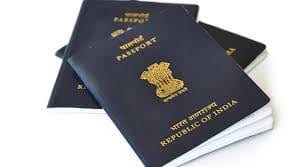
Conditions for Citizenship by Descent
The Indian Constitution provides for citizenship by descent with the following conditions:
- If a person was born outside India on or after January 26, 1950, his or her father was a citizen of India by birth, he or she is a citizen of India by descent.
- If either of his or her parents was an Indian citizen by birth, he or she was born outside India on or after December 10, 1992, but before December 3, 2004.
- If a person born outside India or after December 3, 2004, wants to become a citizen, his or her parents must state that the minor does not have a passport from another country and that his or her birth was registered at an Indian consulate within a year of birth.
Conclusion
The Indian lawmakers considered various scenarios where people of Indian origin are born outside Indian territory due to various reasons. Though that individual is not a citizen of India at birth but can use his descent from his Indian parents or grandparents to attain Indian citizenship.
FAQs
Question: What does citizenship by descent mean in the Indian context?
Answer: Citizenship by descent means that an individual is granted Indian citizenship if their father or mother was an Indian citizen at the time of their birth. According to the Indian Constitution and the Citizenship Act of 1955, a person can claim Indian citizenship if their parents are Indian citizens, irrespective of where the individual is born, as long as the parent was an Indian citizen at the time of their birth.
Question: What is the legal framework for acquiring citizenship by descent in India?
Answer: The legal framework for acquiring citizenship by descent in India is outlined in Section 4 of the Citizenship Act of 1955. According to this section, a person born outside India on or after January 26, 1950, but before December 10, 1992, can acquire Indian citizenship by descent if their father was an Indian citizen at the time of their birth. For those born after December 10, 1992, both parents must be Indian citizens for the individual to claim citizenship by descent.
Question: What are the restrictions for acquiring Indian citizenship by descent?
Answer: While citizenship by descent is a straightforward process, there are certain restrictions. One key restriction is that an individual must not acquire the citizenship of another country, as India does not permit dual citizenship. Moreover, those who are born outside India may not be eligible for Indian citizenship by descent unless they are registered with the Indian consulate within a year of their birth if their birth occurred abroad after the specified date. Another important aspect is that the individual's claim to Indian citizenship must be in compliance with the country’s laws regarding descent-based citizenship.
Question: How does the principle of citizenship by descent apply to individuals born abroad?
Answer: The principle of citizenship by descent applies to individuals born outside India, as long as their parents are Indian citizens. For those born before 1992, only the father needed to be an Indian citizen, while for those born after 1992, both parents must be Indian citizens. The individual must also follow the procedure to register with the Indian authorities to ensure their citizenship is recognized. This applies to children born in countries where India does not automatically grant citizenship at birth.
Question: How does acquiring citizenship by descent differ from acquiring citizenship by birth?
Answer: Citizenship by descent is granted based on the nationality of one’s parents, whereas citizenship by birth is granted to individuals born in India, irrespective of their parents' nationality, as long as certain conditions are met. In India, while those born in the country typically acquire citizenship by birth (with exceptions such as children of foreign diplomats), those born abroad must rely on their parents' nationality for claiming citizenship by descent.
MCQs
1. Under the Citizenship Act, who can acquire Indian citizenship by descent?
A) Only those born in India
B) Individuals whose father or mother was an Indian citizen
C) Individuals born in any country but of Indian parents
D) Both B and C
Answer: (D) See the Explanation
Explanation: Citizenship by descent is granted to those born outside India if either parent was an Indian citizen at the time of their birth. Hence, both conditions apply, making the correct answer D.
2. What is a restriction for an individual applying for Indian citizenship by descent?
A) They must have been born in India
B) They cannot have acquired another country’s citizenship
C) They must have lived in India for at least 5 years
D) They must be at least 18 years old
Answer: (B) See the Explanation
Explanation: A significant restriction for individuals applying for Indian citizenship by descent is that they cannot have acquired the citizenship of another country, as India does not allow dual citizenship.
3. What section of the Citizenship Act governs citizenship by descent in India?
A) Section 2
B) Section 4
C) Section 6
D) Section 9
Answer: (B) See the Explanation
Explanation: Citizenship by descent is governed by Section 4 of the Citizenship Act, 1955, which lays out the specific conditions for acquiring citizenship based on the nationality of one’s parents.
4. Which of the following is true about Indian citizenship by descent?
A) Only those born in India can acquire citizenship by descent
B) Both parents must be Indian citizens for the child to claim citizenship
C) Citizenship by descent applies only to children born in the United States
D) Only children born after 1992 can apply for citizenship by descent
Answer: (B) See the Explanation
Explanation: For those born after 1992, both parents must be Indian citizens for the child to apply for citizenship by descent. Before 1992, only the father’s nationality mattered.
5. What is the requirement for registering a foreign-born individual’s citizenship under Indian law?
A) Registration with the Indian consulate within a year of birth
B) Residency in India for at least 6 months
C) Proof of Indian ancestry for 3 generations
D) A birth certificate from India
Answer: (A) See the Explanation
Explanation: A foreign-born individual must register with the Indian consulate within one year of birth for their citizenship by descent to be recognized under Indian law.
GS Mains Questions and Model Answers
Q1: Evaluate the impact of the concept of citizenship by descent on India's relationship with its diaspora. What challenges does this pose for India's citizenship policy?
Answer: Citizenship by descent allows individuals born outside India to maintain a connection with the country of their ancestors, fostering stronger ties between India and its global diaspora. This policy has enabled millions of people of Indian origin in countries like the United States, the UK, and Canada to maintain their Indian citizenship despite living abroad. However, this policy also presents challenges, such as issues related to dual citizenship, nationality disputes, and the complexity of maintaining ties with those born in countries that may have conflicting nationality laws. The growing number of individuals seeking citizenship based on descent may necessitate reforms in India’s policies to better address these challenges and avoid complications with international laws on citizenship and nationality.
Q2: Discuss the legal procedures involved in acquiring citizenship by descent in India. How does it differ for those born before and after 1992?
Answer: Citizenship by descent is governed by Section 4 of the Citizenship Act of 1955. Individuals born outside India to Indian parents are eligible for citizenship by descent. However, for those born before 1992, only the father’s Indian citizenship was required. After 1992, both parents must be Indian citizens for the child to claim citizenship by descent. The legal process involves proving the parent’s citizenship status at the time of the child’s birth and registering the birth with Indian authorities, particularly in the case of foreign-born individuals. This process ensures that descendants of Indian citizens maintain their ties with India while adhering to its citizenship laws.
Q3: Analyze the concept of citizenship by descent in the broader context of Indian nationality law. How does this principle relate to the principle of citizenship by birth?
Answer: Citizenship by descent reflects the principle of jus sanguinis, which is based on the nationality of one’s parents, rather than the place of birth. This contrasts with citizenship by birth, which is based on the principle of jus soli, granting citizenship to individuals born within a particular territory. India’s nationality laws, as enshrined in the Constitution and the Citizenship Act, allow for both principles, but the concept of citizenship by descent is particularly important for those with familial ties to India who were born abroad. This dual approach helps India maintain connections with its global diaspora while ensuring that its citizens born within the country also enjoy automatic citizenship.
Previous Year Questions on Citizenship by Descent
1. UPSC CSE Prelims 2020:
Question: Which of the following statements regarding Indian citizenship is correct?
A) Citizenship by descent is available only to individuals born within India.
B) Citizenship by descent applies to children born abroad if their parents are Indian citizens.
C) Indian citizens can hold dual citizenship.
D) Citizenship by descent is only available for children born after 1992.
Answer: (B)
Explanation: Indian citizenship by descent applies to individuals born abroad if their parents are Indian citizens, as per the provisions of the Citizenship Act, 1955.
2. UPSC CSE Mains 2019 (GS Paper 2):
Question: "Discuss the legal framework governing citizenship by descent in India. How does it contribute to the nation’s engagement with its diaspora?"
Answer: The Citizenship Act, 1955, allows for citizenship by descent, enabling individuals born abroad to claim Indian citizenship if their parents were Indian citizens. This provision has helped strengthen India’s relationship with its diaspora, as millions of people of Indian origin around the world maintain a legal connection to India. It has contributed to the global reach of Indian culture and commerce, while ensuring that the descendants of Indian citizens retain their ties to the country. However, challenges arise with dual citizenship and complex international nationality laws, which India needs to address through policy reforms.
*email: contactus@prepp.in
Download the PREPP App and attempt FREE IAS Exam Mock Tests and get complete study material!

Live Test : UPSC CSE Prelims CSAT (Paper-II) (Oct 20 - 23)
Full Test - 04: UPSC CSE Prelims CSAT (Paper-II)
Full Test - 03: UPSC CSE Prelims CSAT (Paper-II)
UPSC CSE Prelims 2026 GS Paper 1 Question Paper (24-May-2026)
UPSC CSE Prelims 2026 CSAT Paper 2 Question Paper (24-May-2026)

17 February 2025 | The Hindu Must Read Articles | Current Affairs

16 February 2026 | The Hindu Must Read Articles | Current Affairs

13 February 2026 | The Hindu Must Read Articles | Current Affairs









Comments