Citizenship by Birth - Indian Polity Notes
Citizenship by Birth is popularly referred to as “jus soli” a Latin term which means ‘right of the soil’. A person is considered a citizen of India by birth if he/ she was born within the territory of India at the time of enactment of the Constitution. For people who are born after the enactment of the constitution, necessary conditions are stipulated in the Citizenship Act 1955 and subsequent amendments. The topic “Citizenship by Birth” is an important part of the UPSC/IAS Exam Polity Syllabus which is discussed in this article in detail.
|
Table of Contents |
Conditions for Citizenship by Birth
- Regardless of his or her parents' nationality, anyone born in India on or after 26.01.1950 but before 01.07.1987 is considered an Indian citizen by birth.
- Every person born in India between July 1, 1987, and December 2, 2004, is a citizen of the country if either of his or her parents were a citizen at the time of his or her birth.
- If both parents are Indian citizens or at least one parent is a citizen and the other is not an illegal migrant at the time of birth, a person born in India on or after 3.12.2004 is a citizen of the country.
- Citizenship by birth is not available for children of foreign diplomatic personnel and those of enemy aliens posted in India.
|
“We must all live together as brothers or perish alone as fools.” - Martin Luther King Jr. |
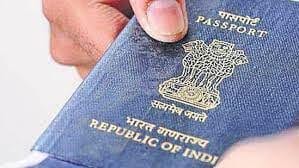
Examples of scenarios for acquiring citizenship by Birth
- A Person born on 01.01.1971 in India whose parents are of Indonesian nationality will be a citizen.
- A person born on 01.01.2000 in India and one of the parents is an Indian citizen on that date will be a citizen.
- A person born on 01.01.2007 in India and one of the parents is an Indian citizen and another parent is a legal immigrant at the time of birth will be a citizen.
- A person born on 01.01.2007 in India and one of the parents is an Indian citizen and another parent is a foreigner will NOT be a citizen by birth.
Note: In some countries like the USA and UK citizenship by Birth is irrespective of the nationality of the parents.
Conclusion
The Indian lawmakers specified certain timelines and nationalities of the parents and their immigrant status to curb the influx of illegal migrants who enter the country due to political instability and violence in the neighboring countries. Though an individual is not a citizen would enjoy the basic rights on par with the citizens including some of the fundamental rights.
FAQs
Question: What is the concept of citizenship by birth in India?
Answer: Citizenship by birth is one of the methods of acquiring Indian citizenship. Under this, any person born in India between January 26, 1950, and July 1, 1987, is considered an Indian citizen regardless of their parents' nationality.
Question: Are children born in India after 2004 automatically citizens?
Answer: No, children born in India after December 3, 2004, are granted citizenship only if at least one parent is an Indian citizen and the other is not an illegal migrant.
Question: How is citizenship by birth governed in India?
Answer: Citizenship by birth is governed under the Citizenship Act, 1955. Amendments in 1986 and 2004 imposed additional conditions to restrict automatic citizenship based on birth alone.
Question: Can a child born to foreign diplomats in India be an Indian citizen?
Answer: No, children born to foreign diplomats or enemy aliens in India are not eligible for Indian citizenship by birth, as per the provisions of the Citizenship Act, 1955.
Question: What is the significance of citizenship by birth in Indian polity?
Answer: Citizenship by birth ensures that individuals born in India have a legal identity, which provides them access to rights and responsibilities under the Constitution, fostering national integration and belonging.
MCQs
1. Between which years is a person born in India automatically considered a citizen regardless of their parents' nationality?
A) 1947 to 1971
B) 1950 to 1987
C) 1950 to 2004
D) 1947 to 1986
Answer: (B) See the Explanation
A person born in India between January 26, 1950, and July 1, 1987, automatically acquires Indian citizenship, regardless of their parents' nationality, as per the Citizenship Act, 1955.
2. What condition was introduced for citizenship by birth in the 1986 amendment?
A) At least one parent must be an Indian citizen
B) Both parents must be Indian citizens
C) One parent must be an Indian citizen and the other must not be an illegal migrant
D) Neither parent must be an illegal migrant
Answer: (A) See the Explanation
The 1986 amendment introduced the condition that at least one parent must be an Indian citizen for a child born in India to acquire citizenship by birth.
3. Under which Act is citizenship by birth governed in India?
A) Indian Constitution
B) Citizenship Act, 1955
C) Immigration Act, 1947
D) Nationality Act, 1955
Answer: (B) See the Explanation
Citizenship by birth in India is governed under the Citizenship Act, 1955, which outlines the criteria and conditions for acquiring Indian citizenship by birth.
4. What restriction was introduced by the 2004 amendment regarding citizenship by birth?
A) Both parents must be Indian citizens
B) One parent must be an Indian citizen, and the other must not be an illegal migrant
C) Citizenship is granted only if both parents are foreign nationals
D) Citizenship is denied to all children born to foreigners
Answer: (B) See the Explanation
The 2004 amendment mandates that a child born in India is granted citizenship by birth only if one parent is an Indian citizen and the other is not an illegal migrant.
5. Who among the following is ineligible for citizenship by birth in India?
A) Children of Indian citizens born in India
B) Children of foreign diplomats born in India
C) Children of an Indian citizen and a foreign national born in India
D) Children born in India between 1950 and 1987
Answer: (B) See the Explanation
Children born to foreign diplomats or enemy aliens in India are not eligible for citizenship by birth under the provisions of the Citizenship Act, 1955.
GS Mains Questions and Model Answers
Q1: Explain the evolution of citizenship by birth in India and its implications on Indian polity.
Answer: The concept of citizenship by birth in India has evolved through amendments to the Citizenship Act, 1955. Initially, anyone born in India was granted citizenship irrespective of their parents' nationality. However, the 1986 amendment introduced the condition that at least one parent must be an Indian citizen. The 2004 amendment further restricted citizenship by birth, mandating that one parent must be an Indian citizen, and the other must not be an illegal migrant. These changes were aimed at addressing concerns about illegal immigration. Citizenship by birth ensures individuals born in India have a legal identity, enabling access to constitutional rights and duties. The evolution reflects India’s efforts to balance inclusion with national security, fostering a sense of belonging while preventing misuse of citizenship provisions.
Q2: Discuss the challenges posed by illegal immigration on citizenship laws in India.
Answer: Illegal immigration poses significant challenges to India’s citizenship laws. It strains resources, affects demographic balance, and creates socio-political tensions. The Citizenship Act, 1955, was amended in 1986 and 2004 to address these issues. The 2004 amendment ensures that a child born in India is granted citizenship by birth only if one parent is an Indian citizen and the other is not an illegal migrant. However, identifying illegal migrants remains a challenge due to inadequate documentation and porous borders. The process can lead to controversies, affecting communal harmony. Balancing the rights of individuals with national security is crucial, requiring comprehensive policies and efficient border management.
Q3: Evaluate the significance of the 2004 amendment to the Citizenship Act, 1955, in addressing illegal migration issues.
Answer: The 2004 amendment to the Citizenship Act, 1955, marked a pivotal step in addressing issues related to illegal migration. By introducing the condition that one parent must be an Indian citizen and the other not an illegal migrant, the amendment aimed to prevent misuse of citizenship by birth provisions. This change was particularly significant for states like Assam and West Bengal, which face high levels of illegal immigration. While the amendment strengthened the legal framework, its implementation poses challenges due to difficulties in verifying the status of parents. Nevertheless, the amendment underscores India’s commitment to safeguarding its sovereignty and addressing demographic concerns, making it a critical development in citizenship law.
Previous Year Questions on Citizenship
1. UPSC CSE Prelims 2021:
Question: Which of the following conditions must be met for citizenship by birth in India after 2004?
A) Both parents must be Indian citizens
B) At least one parent must be an Indian citizen, and the other must not be an illegal migrant
C) Both parents must not be illegal migrants
D) At least one parent must not be an illegal migrant
Answer: (B)
After the 2004 amendment to the Citizenship Act, 1955, a child born in India is granted citizenship by birth only if one parent is an Indian citizen and the other is not an illegal migrant.
2. UPSC CSE Mains 2020:
Question: Analyze the impact of citizenship laws on India’s national security and social cohesion.
Answer: Citizenship laws in India significantly impact national security and social cohesion. Stricter provisions, such as those introduced in the 2004 amendment to the Citizenship Act, address concerns about illegal immigration, particularly in border states like Assam. By preventing misuse of citizenship by birth, these laws safeguard demographic balance and sovereignty. However, their implementation can lead to social tensions, especially during documentation and verification processes. Addressing these issues requires transparent and inclusive mechanisms that balance security needs with individual rights, promoting national unity.
*email: contactus@prepp.in
Download the PREPP App and attempt FREE IAS Exam Mock Tests and get complete study material!

Live Test : UPSC CSE Prelims CSAT (Paper-II) (Oct 20 - 23)
Full Test - 04: UPSC CSE Prelims CSAT (Paper-II)
Full Test - 03: UPSC CSE Prelims CSAT (Paper-II)
UPSC CSE Prelims 2026 GS Paper 1 Question Paper (24-May-2026)
UPSC CSE Prelims 2026 CSAT Paper 2 Question Paper (24-May-2026)

17 February 2025 | The Hindu Must Read Articles | Current Affairs

16 February 2026 | The Hindu Must Read Articles | Current Affairs

13 February 2026 | The Hindu Must Read Articles | Current Affairs









Comments