Difference in NRI, PIO and OCI Cardholder - Indian Polity Notes
Non Resident Indian (NRI), Person of Indian Origin (PIO), and Overseas Citizenship of India (OCI) are frequently used interchangeably. India is the world's second-most populous country, and thanks to technological advancements that have brought the world closer together, the Indian population is present all over the world. Given the large number of people who live in other countries but want to be rooted in India, the Indian government has created provisions such as NRI, PIO, and OCI to help them. This article explains the Difference in NRI, PIO and OCI Cardholder which is important for UPSC Indian Polity Preparation.
|
Table of Contents |
Concept of NRI, PIO and OCI
- Non-Resident Indian (NRI) is a residential status granted to an Indian citizen with an Indian passport who resides in a foreign country for work/business or education.
- Person of Indian Origin (PIO) is defined as a citizen of any country other than Bangladesh or Pakistan who
- held an Indian passport at any time,
- was a citizen of India by virtue of the Indian Constitution or the Citizenship Act, 1955, or
- is the spouse of an Indian citizen or a person referred to in (a) or (b) (b).
- An Overseas Citizen of India (OCI) is a person who is technically a citizen of another country but whose ancestors are Indian.
- They were citizens of India on January 26, 1950, or later, unless they are or were citizens of Pakistan, Bangladesh, or such other country.
- Registered Overseas Citizens of India are granted multi-purpose and life-long visas for visits to India.
- They are also exempt from registration with the Foreign Regional Registration Officer or the Foreign Registration Officer for any length of stay in India.
|
"OCI, PIO, and NRI statuses symbolize the enduring connection of the Indian diaspora to their motherland, each representing a unique blend of heritage, identity, and global presence." |
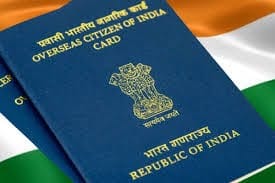
Difference - NRI, PIO and OCI Cardholder
| Elements of Comparison | Non-Resident Indian (NRI) | Person of Indian Origin (PIO) | OCI cardholder |
|---|---|---|---|
| 1. Who? | An Indian citizen who is ordinarily residing outside India and holds an Indian Passport | A person who or whose any of ancestors was an Indian national and who is presently holding another country’s citizenship/ nationality i.e., he/she is holding foreign passport | A person registered as an Overseas Citizen of India (OCI) Cardholder under section 7A of the Citizenship Act, 1955 |
| 2. Who is eligible? | - | - |
Following categories of foreign nationals are eligible for registration as Overseas Citizen of India (OCI) Cardholder:
|
| 3. How can one get? | - | - | Eligible persons to apply online. |
| 4. Which nationals are ineligible? | - | - | No person, who or either of whose parents or grandparents or great grandparents is or had been a citizen of Pakistan, Bangladesh or such other country as the Central Government may, by notification in the Official Gazette, specify, shall be eligible for registration as an Overseas Citizen of India Cardholder. |
| 5. What benefits one is entitled to? | All benefits as available to Indian citizens subject to notifications issued by the Government from time to time | No specific benefits |
|
| 6. Does he/she require visa for visiting India | No | Yes | Can visit India without visa for life long |
| 7. Is he/she required to register with the local police authorities in India? | No | Yes if the period of stay is for more than 180 days | No |
| 8. What activities can be undertaken in India? | All activities | Activity as per the type of visa obtained | All activities except research work for which special permission is required from the Indian Mission/ Post/FRRO concerned |
| 9. How can one acquire Indian citizenship? | He/she is an Indian citizen | As per section 5(1)(a) & 5(1)(c) of the Citizenship Act, 1955, he/she has to be ordinarily resident in India for a period of 7 years before making an application for registration. | As per section 5(1)(g) of the Citizenship Act, 1955, a person registered as an OCI cardholder for 5 years and who is ordinarily resident in India for twelve months before making an application for registration is eligible for grant of Indian citizenship. |
Conclusion
With effect from January 9, 2016, all PIO card holders are 'deemed to be' OCI card holders, according to the Citizenship Amendment Bill 2015. The income earned by cardholders in India is taxable under the Indian tax system. The distinction between PIO and OCI has been reduced by the Government of India in order to simplify residency requirements. After conversion, PIO cardholders receive all of the benefits of OCI cardholders.
FAQs
Question: Who is considered a Non-Resident Indian (NRI)?
Answer: A Non-Resident Indian (NRI) is an Indian citizen who resides outside India for employment, education, or other purposes but retains Indian citizenship. NRIs are governed by specific financial and tax regulations in India, and they maintain rights like voting in Indian elections (under certain conditions) and property ownership.
Question: What is the difference between a PIO and an OCI cardholder?
Answer: PIO (Person of Indian Origin) and OCI (Overseas Citizen of India) cards were once distinct, but now the PIO category has been merged with OCI. An OCI cardholder is granted certain rights and privileges similar to NRIs, such as visa-free entry and residence in India. OCI status, however, does not equate to full Indian citizenship, and it does not allow voting rights.
Question: Can NRIs, OCIs, and PIOs purchase property in India?
Answer: Yes, NRIs, OCIs, and PIOs are permitted to purchase immovable property in India, such as residential or commercial properties. However, they are restricted from purchasing agricultural land, farmhouses, or plantation properties, except under specific conditions approved by the Reserve Bank of India (RBI).
Question: Do OCI cardholders have voting rights in India?
Answer: No, OCI cardholders do not have the right to vote in Indian elections. Only Indian citizens residing within the country are eligible to vote. Although OCIs have several rights similar to NRIs, voting and holding government jobs remain exclusive to Indian citizens.
Question: What are the benefits of having an OCI card over a regular visa?
Answer: An OCI card provides lifelong visa-free travel to India and the right to live and work in the country indefinitely. It also allows access to economic and educational opportunities available to Indian citizens, although OCI holders cannot vote or hold government positions.
MCQs
1. Which category allows individuals of Indian origin to live and work in India without a visa?
A) Non-Resident Indian
B) Overseas Citizen of India
C) Person of Indian Origin
D) Foreign Tourist
Answer: (B) See the Explanation
Explanation: The Overseas Citizen of India (OCI) card allows individuals of Indian origin to live and work in India indefinitely without requiring a visa, though they are not entitled to voting or government employment rights.
2. Who among the following is permitted to vote in Indian elections?
A) NRI residing outside India
B) OCI cardholder
C) Indian citizen residing in India
D) PIO cardholder
Answer: (C) See the Explanation
Explanation: Only Indian citizens residing in India are eligible to vote in Indian elections. NRIs may vote if they are physically present in India during elections, but OCI and PIO cardholders are ineligible to vote.
3. Which type of property cannot be purchased by NRIs, PIOs, or OCIs in India?
A) Commercial property
B) Residential property
C) Agricultural land
D) Office space
Answer: (C) See the Explanation
Explanation: NRIs, PIOs, and OCIs are not permitted to purchase agricultural land, farmhouses, or plantation properties in India unless special approval is granted by the RBI.
4. Which of the following rights is NOT available to OCI cardholders in India?
A) Visa-free travel
B) Right to vote
C) Right to own property
D) Right to reside in India
Answer: (B) See the Explanation
Explanation: OCI cardholders do not have the right to vote in Indian elections. Voting is reserved for Indian citizens, although OCIs enjoy rights like visa-free travel and the ability to live and work in India.
5. Under which category were PIOs merged by the Government of India?
A) Indian Citizen
B) Non-Resident Indian
C) Overseas Citizen of India
D) Indian Foreign Nationals
Answer: (C) See the Explanation
Explanation: The Government of India merged the Person of Indian Origin (PIO) category with the Overseas Citizen of India (OCI) in 2015 to streamline the benefits available to the Indian diaspora.
GS Mains Questions and Model Answers
Q1: Analyze the differences in rights and privileges between NRIs, OCIs, and PIOs in India. How do these categories impact the Indian diaspora?
Answer: Non-Resident Indians (NRIs), Overseas Citizens of India (OCIs), and Persons of Indian Origin (PIOs) represent different categories of the Indian diaspora with varying rights. NRIs are Indian citizens living abroad who retain full citizenship rights, including voting, when in India. OCIs, who now include former PIOs after the 2015 merger, have rights similar to NRIs but lack voting and government employment privileges. These categories enable the Indian diaspora to maintain strong cultural, social, and economic ties to India, promoting foreign investments and a shared cultural heritage.
Q2: Discuss the constitutional implications of granting OCI and NRI statuses in India. How do these classifications benefit India in terms of economic and cultural influence?
Answer: The OCI and NRI classifications allow India to formalize its relationship with the diaspora, fostering economic and cultural benefits. NRIs retain voting rights when in India, promoting political engagement, while OCI status grants long-term visa-free residency, promoting economic contributions and investments. These categories help maintain cultural bonds, increase remittances, and encourage investment from Indians abroad, benefiting India economically while also enhancing India's global influence.
Q3: Evaluate the recent policy changes regarding OCIs and their impact on foreign nationals of Indian origin. What are the key benefits and limitations of these changes?
Answer: The policy to merge PIOs with OCIs has simplified the framework, providing clarity and enhanced benefits for foreign nationals of Indian origin. OCI holders now enjoy visa-free entry, access to economic and educational opportunities, and residency rights, strengthening India’s ties with the diaspora. However, limitations remain as OCIs lack political rights and government job eligibility, which some consider barriers to full integration. These changes nonetheless symbolize India's commitment to fostering a lasting bond with the Indian diaspora, supporting cultural and economic engagement.
Previous Year Questions on NRI, OCI, and PIO
1. UPSC CSE Prelims 2022:
Question: Which category allows visa-free travel and indefinite stay in India for persons of Indian origin?
A) Non-Resident Indian
B) Indian Citizen
C) Overseas Citizen of India
D) Person of Indian Origin
Answer: (C)
Explanation: Overseas Citizen of India (OCI) cardholders are permitted visa-free travel and indefinite stay in India, enjoying various privileges akin to NRIs, except for voting rights and certain government positions.
2. UPSC CSE Mains 2020 (GS Paper 2):
Question: "Compare the rights and privileges granted to NRIs and OCIs. Discuss how these distinctions reflect India's policy towards its diaspora."
Answer: The rights of NRIs and OCIs differ significantly. NRIs, being Indian citizens, have full rights, including voting and government job eligibility, whereas OCIs, though granted visa-free travel and residency, lack these privileges. India’s policy reflects a balance of integrating foreign-origin Indians without extending full citizenship, facilitating economic ties while preserving political sovereignty. This distinction ensures strong diaspora connections while maintaining the integrity of citizenship benefits.
*email: contactus@prepp.in
Download the PREPP App and attempt FREE IAS Exam Mock Tests and get complete study material!

Live Test : UPSC CSE Prelims CSAT (Paper-II) (Oct 20 - 23)
Full Test - 04: UPSC CSE Prelims CSAT (Paper-II)
Full Test - 03: UPSC CSE Prelims CSAT (Paper-II)
UPSC CSE Prelims 2026 GS Paper 1 Question Paper (24-May-2026)
UPSC CSE Prelims 2026 CSAT Paper 2 Question Paper (24-May-2026)

17 February 2025 | The Hindu Must Read Articles | Current Affairs

16 February 2026 | The Hindu Must Read Articles | Current Affairs

13 February 2026 | The Hindu Must Read Articles | Current Affairs









Comments