Cultural and Educational Rights (Article 29 and 30) - Indian Polity Notes
Articles 29 and 30 of the Indian Constitution secure cultural and educational rights of religious and linguistic minorities. Article 29 safeguards the language, script, and culture of a particular section of citizens, while Article 30 caters to the educational and cultural interests of linguistic or religious minorities. The UPSC Indian Polity and Governance Syllabus include The Cultural and Educational Rights (Articles 29 and 30) which is described in this article.
|
Table of Contents |


Article 29 and 30- Cultural and Educational Rights
|
Articles 29 and 30 of the Indian Constitution secure cultural and educational rights of religious and linguistic minorities.
|
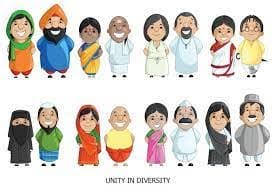
Cultural and Educational Rights - Concept
- Indian society is composite in nature. Diversity is the very nature of it.
- If democracy succeeds, there should be room for everyone. Everyone’s rights should be adequately guarded so that meaningful participation will become a possibility.
- The makers of the Constitution were aware of these facts. Therefore, the constitution of India accords the status of fundamental rights to cultural and educational rights.
- Articles 29 and 30 upheld the individual’s right to protect their distinct language, script, and culture. It also provides protection against state-sponsored discrimination on the ground of religion, race, caste, and language.
Constitutional Provisions
Article 29: Protection of Interests of Minorities
This article protects the rights of minority groups as follows:
- Article 29(1): It states that the citizens of India who reside in India have a distinct culture, language, and script, and shall have the right to conserve their culture and language.
- This right is absolute, having no exception. There can not be any ‘reasonable restrictions on this right.
- Article 29(2): Admission to educational institutions can not be denied based on race, religion, caste, language, etc. if it is a state institution or an institution funded by the state’s aid. This is an individual right, not a community right.
Article 30, Right of Minorities to Establish and Administer Educational Institutions
- Under this right, the minority communities were empowered to establish and govern their own educational institutions.
- This article is also known as the “Charter of Educational Rights”.
- Article 30(1): It provides for all religious and linguistic minorities the right to establish and administer educational institutions of their choice. It is available to religious and linguistic minorities only.
- As per the 42nd Constitutional Amendment. If such institutions have been acquired by the government, then the government is duly bound to give the appropriate compensation to the institution.
- Article 30(2): It provides that, while granting aid to educational institutions, the state can not discriminate on the ground that a particular institution is administered by a religious or linguistic group.
The Right to Education and Minority Rights (a debate) - The Supreme Court Judgement
The Pramati Educational & Cultural Trust vs Union of India (2014): In this case Supreme Court said that the RTE is not applicable to minority institutions, whether state-aided or unaided, under Article 30.
- The Sobha George v. the State of Kerala: The Kerala High Court held that Section 16 of the Right of Children to Free and Compulsory Education Act, 2009 (RTE Act), which obliged schools to not detain any child before s/he completes elementary education, is applicable to minority educational institutions as well.
- So from this judgment so far it is clear that certain provisions of the RTE Act have a universal appeal, even if the Act lacks it. However, it is completely within judicial discretion to determine which provisions are these.
- The Sobha George judgment clears that the different provisions of the RTE Act are applicable on minority educational institutions through Article 21, it also forced us to rethink the role of judicial precedents.
- Recently, the National Commission for Protection of Child Rights made the recommendations to bring all minority-run schools, including madrasas, under the purview of the Right to Education Act and the Sarva Shiksha Abhiyan.
Conclusion
Protection of culture and language is an essential part of respecting diversity. Every child also has the right to get primary education in his own mother tongue. Articles 29 and 30 make this more convenient as it uphold the right to preserve minority institutions. It makes it obligatory for the state to protect minority interests and also provide grants for related institutions.
FAQs
Question: What is the significance of Article 29?
Answer: Article 29 protects the rights of citizens to preserve their language, script, and culture, ensuring cultural diversity in India.
Question: What does Article 30 guarantee?
Answer: Article 30 gives minorities the right to establish and administer educational institutions of their choice.
Question: Can the government interfere in minority educational institutions?
Answer: While the government can regulate these institutions for quality control, it cannot interfere in their administration.
Question: What is the relationship between Articles 29 and 30?
Answer: Both articles work to protect the cultural and educational rights of minorities, ensuring their identity and participation in the nation.
Question: Can the State discriminate in providing aid to minority institutions?
Answer: No, the State cannot discriminate against minority institutions when providing financial aid.
MCQs
1. Which Article protects the right of minorities to preserve their culture?
A. Article 19
B. Article 29
C. Article 32
D. Article 15
Answer: (B) See the Explanation
Article 29 protects the cultural rights of minorities, allowing them to preserve their language, script, and culture.
2. What does Article 30 allow minorities to do?
A. Establish political parties
B. Form labor unions
C. Establish educational institutions
D. Demand reservation in jobs
Answer: (C) See the Explanation
Article 30 guarantees the right of minorities to establish and administer their own educational institutions.
3. Which right is primarily protected under Article 29?
A. Right to employment
B. Right to preserve culture
C. Right to vote
D. Right to freedom of speech
Answer: (B) See the Explanation
Article 29 protects the right of minorities to preserve their culture, language, and script.
4. Article 30 provides the right to establish educational institutions to which groups?
A. Religious minorities only
B. Linguistic minorities only
C. Both religious and linguistic minorities
D. Any individual citizen
Answer: (C) See the Explanation
Article 30 provides the right to both religious and linguistic minorities to establish and administer educational institutions.
5. Which of the following is not a protection provided under Article 29?
A. Protection of language
B. Protection of script
C. Protection of property
D. Protection of culture
Answer: (C) See the Explanation
Article 29 protects language, script, and culture but does not specifically protect property.
GS Mains Questions and Model Answers
Q1: Discuss the significance of Articles 29 and 30 in safeguarding India's cultural diversity.
Answer: Articles 29 and 30 of the Indian Constitution play a crucial role in preserving the cultural and educational rights of religious and linguistic minorities. Article 29 ensures the protection of cultural identity, allowing minorities to maintain their language and traditions. Article 30 guarantees the right to establish and administer educational institutions, ensuring that minorities can educate their children according to their customs. Together, these provisions foster inclusivity and maintain India's pluralistic character.
Q2: Examine the role of Article 30 in promoting the rights of minorities in India.
Answer: Article 30 allows religious and linguistic minorities to establish and administer educational institutions of their choice, ensuring that their cultural and educational needs are met. This provision promotes inclusivity and helps protect the distinct identity of minority groups. The non-discriminatory nature of government aid to these institutions further strengthens minority rights, fostering diversity in India's educational landscape.
Q3: Analyze the judicial interpretation of Articles 29 and 30 concerning minority rights in India.
Answer: Over the years, the judiciary has played a critical role in interpreting Articles 29 and 30 to safeguard minority rights. Courts have upheld the autonomy of minority educational institutions while allowing reasonable regulation for quality control. In several cases, the judiciary has emphasized the balance between minority rights and state interests, ensuring that minority institutions maintain their character while contributing to national education goals.
Previous Year Questions
1. UPSC CSE Prelims 2020
Question: Which Article of the Indian Constitution provides for the protection of the interests of minorities?
A. Article 14
B. Article 19
C. Article 29
D. Article 32
Answer: C
Explanation: Article 29 provides for the protection of the cultural, linguistic, and educational interests of minorities.
2. UPSC CSE Mains 2017 (GS Paper 2)
Question: "Evaluate the significance of Articles 29 and 30 in protecting the cultural rights of minorities in India."
Answer: Articles 29 and 30 of the Indian Constitution are crucial in protecting the cultural and educational rights of religious and linguistic minorities. Article 29 safeguards the right to preserve distinct languages and cultures, while Article 30 empowers minorities to establish and manage educational institutions. Together, these provisions ensure that minority communities can preserve their unique identities, contributing to India's cultural richness and diversity. The judiciary has consistently upheld these rights, ensuring that state regulations do not compromise minority autonomy.
*email: contactus@prepp.in
Download the PREPP App and attempt FREE IAS Exam Mock Tests and get complete study material!

Live Test : UPSC CSE Prelims CSAT (Paper-II) (Oct 08 - 11)
Full Test - 04: UPSC CSE Prelims CSAT (Paper-II)
Full Test - 03: UPSC CSE Prelims CSAT (Paper-II)
UPSC CSE Prelims 2026 GS Paper 1 Question Paper (24-May-2026)
UPSC CSE Prelims 2026 CSAT Paper 2 Question Paper (24-May-2026)

17 February 2025 | The Hindu Must Read Articles | Current Affairs

16 February 2026 | The Hindu Must Read Articles | Current Affairs

13 February 2026 | The Hindu Must Read Articles | Current Affairs









Comments