Gram Nyayalayas - Indian Polity Notes
Gram Nyayalayas are village courts in rural areas that provide quick and easy access to the legal system at grassroot levels in India. Article 39-A of the Indian Constitution mandates that the destitute and weaker sections of society should receive free legal assistance. The UPSC Indian Polity and Governance Syllabus includes Gram Nyayalayas which is discussed in this article.
Table of Contents
Gram Nyayalayas - Historical Background
- Corruption, delays, pendency, rising costs, restricted legal assistance, and a lack of adequately qualified lawyers and judges are all concerns that hamper the judicial system of India.
- To address these issues, Gram Nyayalays was established in 2009 by the Law Ministry with the intention of providing a cost-effective arena at the grass-roots level for the underprivileged living in villages to settle legal disputes.
- Gram Nyayalayas was established by the Gram Nyayalayas Act, 2008.
- The Act came into force on October 2, 2009 i.e. the birth anniversary of Mahatma Gandhi.
- The Gram Nyayalaya Act 2008 is broadly based on the recommendations of the law commission.
|
“Gram Nyayalayas are established at the grass root level for the purpose of providing access to justice to the citizens at their doorsteps to ensure that opportunities for securing justice are not denied to any citizen by reason of social, economic or other disabilities.” |
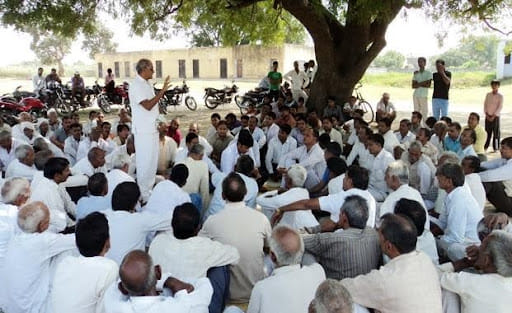
Gram Nyayalayas - Objectives
- Justice to the poor at their doorstep.
- Setting up of Gram Nyayalayas in the rural areas would bring to the people of rural areas speedy, affordable and substantial justice.
- Article 39A of the constitution directs the state to ensure that operation of the legal system promotes justice, on a basis of equal opportunity and shall provide free legal aid to ensure that opportunities for securing justice are not denied to any citizen by reason of economic or other disabilities.
- To strengthen the judicial system by simplifying the procedural laws; incorporating various alternative dispute resolutions mechanisms such as arbitration, conciliation and mediation.
Gram Nyayalayas - Need
- In India, access to justice for the poor and marginalised is a recurring issue.
- Various efforts are being taken in this direction, including the simplification of procedural laws, the establishment of alternative dispute resolution methods, the establishment of fast track courts, and the provision of free legal aid to the needy.
Gram Nyayalayas greatly help in -
- Transferring justice to the fourth level
- Ensuring that all people have equal access to justice
- Decreasing the administrative burden on district courts
- Dispensing justice more quickly
- Lowering the expenses of litigation for the average person
- Minimising reliance on extra-constitutional justice forums
Gram Nyayalayas - Features
- The Gram Nyayalayas shall be the court of Judicial Magistrate of the first class and its presiding officer ( Nyayadhikari ) shall be appointed by the state government in consultation with the High Court.
- The Gram Nyayalaya shall be established for every panchayat or a group of contiguous Panchayats at the intermediate level in a district.
- The Gram Nyayalaya shall be a mobile court and shall exercise the powers of both Criminal and Civil courts.
- The seat of the Gram Nyayalayas will be located at the headquarters of the intermediate panchayat, they will go to villages, work there and dispose of cases.
- The Gram Nyayalaya shall try criminal cases, civil suits, claims or disputes.
- The Gram Nyayalaya shall exercise the powers of a civil court with certain modifications and shall follow the special procedure as provided in the act.
- The Gram Nyayalaya shall try to settle the disputes as far as possible by bringing about conciliation between the parties and for this purpose, it shall make use of the conciliation to be appointed for this purpose.
- Gram Nyayalaya shall be guided by the principles of natural justice and subject to any rule made by the High Court.
- In criminal proceedings, an appeal must be filed with the Court of Session, which must hear and decide the case within six months of the date of filing.
- The appeal in civil matters shall lie to the District Court, which shall be heard and disposed of within six months from the date of filing of the appeal.
- A person charged with committing a crime can apply for plea bargaining.
Gram Nyayalayas - Advantages
- Gram Nyayalayas are a part of the judicial reforms and are seen as a significant measure for reducing backlogs.
- People will not have to go to subordinate or higher courts, which is costly and time-consuming, once Gram Nyayalayas are fully functional across the country.
- Gram Nyayalayas are expected to reduce the number of cases pending in subordinate courts by around half, and to handle fresh litigation that will be resolved within six months.
- To ensure that opportunities for securing justice are not denied to any citizen due to social, economic or other disabilities.
Limitations of Gram Nyayalayas
- Gram Nyayalayas settle a small percentage of conflicts, while the most are appealed to District forums. As a result, they are ineffective in decreasing the administrative burden on District Courts.
- Due to the parallel existence of alternate dispute mechanisms, tribunals, Lok Adalats, labour courts, family courts etc, there are difficulties over jurisdiction.
- Gram Nyayalayas are presided over by First Class Court Magistrates or Civil Judges (grade I or grade II) or, in a few instances, Chief Judicial Magistrates who are already overburdened with their regular judicial work.
- Many stakeholders, including litigants, lawyers, police officers, and others, are unaware about the presence of Gram Nyayalayas. Not enough efforts were made to raise awareness.
- Not all states have established and operationalised the Gram Nyayalayas.
- lack of cooperation from lawyers and Public Prosecutors, non-availability of notaries and stamp vendors.
- Poor infrastructure and insecure locations.
Way forward
- Establishment of permanent Gram Nyayalayas: Gram Nyayalayas should be established at every intermediate-level Panchayat or group of contiguous Panchayats, taking into account the frequency of disputes in the area.
- While determining the location of the Gram Nyayalayas the location of courts having parallel jurisdiction may also be considered.
- Infrastructure and security measures: A dedicated building for Gram Nyayalayas and accommodation for Gram Nyayadhikaris and staff is essential.
- Training for Gram Nyayadhikari: Comprehensive training programs are crucial to equip Gram Nyayadhikaris with the necessary legal, procedural, and language skills relevant to the local communities.
- Redefining Jurisdiction: It's important to clarify and redefine the jurisdiction of Gram Nyayalayas through legislative amendments, removing any ambiguities to ensure effective adjudication of disputes.
- Stakeholder Awareness Campaigns: Initiatives should be implemented to raise awareness among various stakeholders, including revenue and police officers, about the functions and significance of Gram Nyayalayas in local justice administration.
- Proceedings of the Gram Nyayalayas shall take place in local languages.
Conclusion
However, despite the shortcomings, the institution of Gram Nyayalayas has been a positive step.The success of Gram Nyayalayas lies not only in their ability to dispense justice but also in their role as agents of social change. By adjudicating disputes promptly and fairly, they contribute to the consolidation of social harmony and the rule of law in rural India. Moreover, their emphasis on alternative dispute resolution mechanisms fosters a culture of reconciliation and mutual understanding within communities.
FAQs
Question: What are Gram Nyayalayas?
Answer: Gram Nyayalayas are rural courts established in India to provide quick and accessible justice to the rural population. Introduced by the Gram Nyayalayas Act of 2008, these courts aim to enhance the legal system's reach and facilitate the resolution of disputes at the grassroots level. They handle civil and criminal cases, with the objective of making the justice delivery system more efficient and user-friendly for villagers, ensuring that justice is accessible to all, especially those in remote areas.
Question: What is the jurisdiction of Gram Nyayalayas?
Answer: Gram Nyayalayas have a defined jurisdiction that includes:
- Civil Cases: They can adjudicate civil disputes involving amounts up to a specified limit, generally up to ₹5 lakh.
- Criminal Cases: They have the authority to try minor criminal offenses, which do not involve serious punishments.
- Family Matters: They can also address family-related issues such as divorce, maintenance, and custody matters.
- Local Issues: Gram Nyayalayas are particularly focused on resolving disputes that are pertinent to the local community and customary practices.
Question: How are Gram Nyayalayas different from traditional courts?
Answer: Gram Nyayalayas differ from traditional courts in several key ways:
- Accessibility: They are located in rural areas, making it easier for villagers to access justice without traveling long distances.
- Procedural Simplicity: The procedures in Gram Nyayalayas are simplified to expedite the resolution of cases, reducing the complexity often associated with regular courts.
- Community Participation: They emphasize community involvement and understanding of local customs, which can lead to culturally sensitive adjudications.
- Speedy Justice: The focus is on delivering quick justice, often with a mandate to resolve cases within a specified time frame.
Question: Who presides over Gram Nyayalayas?
Answer: Gram Nyayalayas are presided over by a Nyayadhikari, who is typically a judicial officer with the requisite qualifications and training. The Nyayadhikari has the authority to conduct trials, make legal determinations, and deliver judgments in cases brought before the Gram Nyayalaya. The recruitment of Nyayadhikaris is intended to ensure that local issues are adjudicated by knowledgeable individuals who understand the nuances of the community.
Question: What challenges do Gram Nyayalayas face?
Answer: Despite their potential, Gram Nyayalayas face several challenges:
- Lack of Awareness: Many villagers are unaware of the existence and functions of Gram Nyayalayas, limiting their utilization.
- Resource Constraints: Inadequate infrastructure, staff shortages, and lack of legal resources can hinder their functioning.
- Quality of Judgments: Concerns about the experience and training of Nyayadhikaris may affect the quality and consistency of judgments.
- Integration with the Justice System: The relationship and coordination with higher courts and the formal legal system can be problematic, leading to jurisdictional issues.
MCQs
1. What is the primary aim of establishing Gram Nyayalayas?
A) To handle cases related to corporate law
B) To provide quick and accessible justice to rural populations
C) To oversee international disputes
D) To manage family businesses
Answer: (B) See the Explanation
Explanation: The primary aim of establishing Gram Nyayalayas is to provide quick and accessible justice to rural populations, facilitating dispute resolution at the grassroots level.
2. Who is the presiding officer of a Gram Nyayalaya?
A) Judge of the High Court
B) Nyayadhikari
C) Chief Justice of India
D) District Collector
Answer: (B) See the Explanation
Explanation: The presiding officer of a Gram Nyayalaya is called a Nyayadhikari, who is responsible for conducting trials and delivering judgments.
3. What type of cases do Gram Nyayalayas handle?
A) Only civil cases
B) Only criminal cases
C) Both civil and criminal cases
D) International law cases
Answer: (C) See the Explanation
Explanation: Gram Nyayalayas handle both civil and criminal cases, focusing on issues relevant to rural communities.
4. How do Gram Nyayalayas differ from traditional courts?
A) They are more formal
B) They have a faster process and local accessibility
C) They only deal with family law
D) They are located only in urban areas
Answer: (B) See the Explanation
Explanation: Gram Nyayalayas differ from traditional courts in that they provide a faster process and local accessibility, aiming to serve rural populations effectively.
5. What is a significant challenge faced by Gram Nyayalayas?
A) Excessive funding
B) High awareness among villagers
C) Resource constraints and lack of awareness
D) Overstaffing
Answer: (C) See the Explanation
Explanation: A significant challenge faced by Gram Nyayalayas is resource constraints and a lack of awareness among villagers about their existence and functions.
GS Mains Questions and Model Answers
Q1: Discuss the objectives and significance of Gram Nyayalayas in the Indian legal system.
Answer: Gram Nyayalayas were established to enhance access to justice in rural areas, addressing the legal needs of populations that often face barriers to traditional court systems. Their objectives include providing swift resolution of disputes, reducing the backlog of cases in higher courts, and delivering justice in a manner that is culturally sensitive and aligned with local customs. The significance of Gram Nyayalayas lies in their potential to democratize the legal process, empower marginalized communities, and ensure that legal redress is accessible to all, thereby strengthening the foundation of justice in India.
Q2: Analyze the challenges faced by Gram Nyayalayas in effectively delivering justice.
Answer: Despite their noble intentions, Gram Nyayalayas face several challenges that hinder their effectiveness. These include a lack of public awareness regarding their existence and functioning, resulting in underutilization. Resource constraints, such as inadequate staffing, insufficient infrastructure, and limited funding, impede their operations. Additionally, the qualifications and training of Nyayadhikaris may vary, affecting the consistency and quality of judgments. Furthermore, the integration of Gram Nyayalayas within the broader judicial system can lead to jurisdictional conflicts. Addressing these challenges is essential for enhancing the performance and credibility of Gram Nyayalayas in the Indian legal landscape.
Q3: Evaluate the impact of Gram Nyayalayas on rural communities and their access to justice.
Answer: Gram Nyayalayas have the potential to significantly impact rural communities by improving access to justice through localized, timely, and cost-effective dispute resolution. Their establishment aims to remove barriers that rural populations face when accessing traditional courts, such as distance and complexity. By offering a simpler legal process and focusing on issues pertinent to local communities, Gram Nyayalayas can empower villagers, promote legal awareness, and foster confidence in the legal system. However, the realization of these benefits largely depends on addressing the challenges of awareness, resources, and integration with existing judicial frameworks to create a truly effective system for rural justice.
Previous Year Questions on Gram Nyayalayas
1. UPSC CSE Prelims 2021:
Question: What is the primary objective of establishing Gram Nyayalayas in India?
A) To manage corporate disputes
B) To provide quick justice to rural populations
C) To conduct international law cases
D) To oversee elections
Answer: (B)
Explanation: The primary objective of establishing Gram Nyayalayas is to provide quick and accessible justice to rural populations, addressing their specific legal needs.
2. UPSC CSE Mains 2019 (GS Paper 1):
Question: "Assess the significance of Gram Nyayalayas in improving access to justice in rural areas." Discuss the challenges they face.
Answer: Gram Nyayalayas are significant in improving access to justice in rural areas by offering a local and simplified legal forum for resolving disputes. They cater to the unique legal needs of rural populations, ensuring that justice is within reach. However, challenges such as lack of awareness, inadequate resources, and inconsistent quality of judgments can undermine their effectiveness. Addressing these challenges is crucial for maximizing the impact of Gram Nyayalayas in promoting equitable legal access and fostering confidence in the justice system.
*email: contactus@prepp.in
Download the PREPP App and attempt FREE IAS Exam Mock Tests and get complete study material!

Full Test - 04: UPSC CSE Prelims CSAT (Paper-II)
Full Test - 03: UPSC CSE Prelims CSAT (Paper-II)
UPSC CSE Prelims 2026 GS Paper 1 Question Paper (24-May-2026)
UPSC CSE Prelims 2026 CSAT Paper 2 Question Paper (24-May-2026)

17 February 2025 | The Hindu Must Read Articles | Current Affairs

16 February 2026 | The Hindu Must Read Articles | Current Affairs

13 February 2026 | The Hindu Must Read Articles | Current Affairs









Comments