Synergistic Cropping - Agriculture Notes
Synergistic cropping is when two crops are grown on a unit area at the same time and produce more as a whole than they would if they were grown separately on a unit area basis. The concept of synergistic cropping first emerged in the 1980s. This technique is based on agronomic approaches primarily targeted at improving soil fertility and, as a result, the overall health of the soil-microorganism-plant system is focused rather than on production alone. This article will explain to you about Synergistic Cropping which will be helpful in preparing the Agriculture Syllabus for the UPSC Civil Service exam.
|
Table of Contents |
Synergistic Cropping
What is Synergistic Cropping?
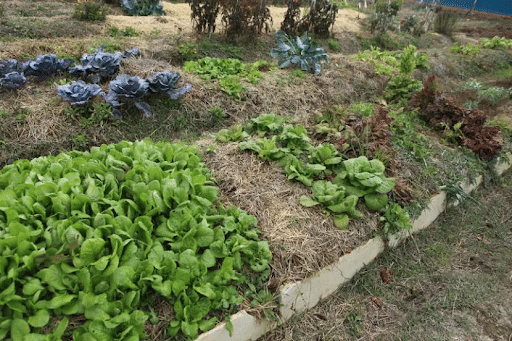
- Synergistic cropping is a farming method based on the principle that plants produce fertile soil through a variety of mechanisms, including organic residues, chemical activity, and the presence of microorganisms, bacteria, fungi, and worms.
- Permaculture has a significant influence on Synergistic Cropping.
- After the field is established, no additional digging, plowing, or tilling is done, and no external inputs such as manures and other fertilizers, insecticides, or other fertilizers are used.
- The choice of plants, mulching, and recycling of plant remains all contribute to maintaining the health of the soil.
- It is a farming method that respects nature while also ensuring healthy and abundant crops.
- Synergistic Agriculture promotes a method of farming that uses the self-fertility of wild soil as fertilizer, and its principles can be applied in both large and small spaces, cities and rural areas, cold and warm climates.
|
|
|
|---|---|
| Types of intercropping | Strip intercropping |
| Multi storey cropping | Parallel cropping |
| Alley cropping | Relay intercropping |
Synergistic Cropping - Principles
The following 4 principles are upheld by synergistic agriculture:
- Do not work the soil: No hoeing or plough work. Turning the soil over disrupts the chemical processes of bacteria, fungus, and worms as well as the coordinated action of plant roots and soil organisms.
- Do not fertilize: The roots of plants and a continuous organic layer feed the soil. In particular, roots should never be uprooted; they stay in the ground, and leaves should be left where they fall.
- No chemical pests or fertilizers: Such compounds are not used in a sustainable or natural way.
- Do not compact the soil: The soil must not be compressed or compacted in order for the soil's micro-ecosystems to have adequate aeration.
Importance of Mulch in Synergistic Cropping
- Mulch is a critical component of Synergistic Agriculture because it prevents soil compaction and protects against the effects of excessive sunlight, rain, and wind.
- Furthermore, it promotes the growth of microorganisms, particularly earthworms.
- Mulch acts as a thermal cover, protecting the soil in both hot and cold weather.
- Obviously, mulch must be a biodegradable material, such as straws, canes, leaves, paper, cardboard, and so on, depending on our needs.
Synergistic Cropping - Planning Process
- First and foremost, the land must be prepared. This step should not be taken lightly, as time and procedures are dependent on the initial state of the ground.
- Regardless of the type of ground, you must ensure that there is no plough pan, which is a compacted layer in cultivated soil caused by repeated ploughing.
- The second step is to construct a wind fence, which will also serve as a great shelter for beneficial insects and parasite predators, as well as for hedgehog and bird nest hibernation.
- The next step is to prepare the raised beds where the plants will be grown. The beds can be straight, curved, or mandala-shaped, and their purpose is to mark the passages where people walk and work so that the cultivated land is not compacted.
- The beds must be built on the same land as the vegetable garden, and drip irrigation must be installed on them.
- Before sowing any plant in the beds, some "permanent tutors" must be fixed to the ground.
- These tutors are arches that cross above the beds, and their function is to guide climbing plants.
- To take advantage of plant synergy, at least three different vegetable families must be planted in the same bed.
Synergistic Cropping - Advantages
- Synergistic Cropping boosts productivity and enhances soil health.
- It is used to improve nutrient content and protect the environment.
- It improves the presence of microorganisms in the field and the fertility of the soil.
- Above all, synergistic agriculture is a sustainable farming method.
Conclusion
Synergistic cropping results in between a 10% and a 40% boost in productivity when compared to organic cropping. In comparison to the same species grown in an organic garden, the species grown via synergistic agriculture include higher levels of chlorophyll and total nitrogen. There will be a roughly 20-day advance in the ripening season. The goal of synergistic cropping was to replicate in agriculture the same soil conditions that produce such perfect crops in nature while also building a new future where life is respected through our synergistic and environmental integration.
FAQs
Question: What is synergistic cropping in agriculture?
Answer: Synergistic cropping in agriculture refers to the practice of growing different crops together that complement each other, enhancing overall productivity and minimizing resource competition. This practice benefits from natural synergies between different plant species, where one crop can help improve the soil quality for another, reduce pest populations, or optimize the use of water and nutrients. The goal is to increase the yield of multiple crops grown in tandem, thereby promoting sustainable and efficient farming systems.
Question: What are the benefits of synergistic cropping systems?
Answer: The benefits of synergistic cropping systems include increased biodiversity, improved soil health, reduced pest and disease incidence, and more efficient use of resources like water and nutrients. Crops in synergistic systems can create a balanced ecosystem that supports the growth of all plants involved. These systems often require fewer chemical inputs, contributing to lower environmental pollution and promoting sustainable farming practices. Furthermore, they can increase the overall productivity of the land, making them ideal for smallholder farmers.
Question: Can synergistic cropping reduce the need for chemical fertilizers and pesticides?
Answer: Yes, synergistic cropping can significantly reduce the need for chemical fertilizers and pesticides. When compatible crops are grown together, they can naturally enhance soil fertility, reduce pest populations, and suppress weeds. For example, legumes can fix nitrogen in the soil, which benefits neighboring crops like cereals. Additionally, plants that repel pests or attract beneficial insects can reduce the reliance on chemical pesticides. This leads to more eco-friendly and cost-effective farming practices.
Question: How does synergistic cropping contribute to soil conservation?
Answer: Synergistic cropping systems contribute to soil conservation by maintaining or enhancing soil structure and fertility. The diversity of crops in such systems reduces soil erosion by providing continuous ground cover. Deep-rooted plants can help break up compacted soils, while other crops may improve organic matter content. This diversity also supports beneficial microorganisms that improve nutrient cycling, which helps maintain the long-term health of the soil. Moreover, practices like crop rotation within synergistic systems further promote soil conservation.
Question: What is the role of crop rotation in synergistic cropping?
Answer: Crop rotation is an integral component of synergistic cropping systems. It involves growing different crops in a sequential manner on the same piece of land. Crop rotation helps prevent soil depletion by ensuring that the same nutrients are not continuously extracted from the soil. For example, nitrogen-fixing legumes are often alternated with cereals that require higher nitrogen levels. This practice reduces pest and disease buildup, improves soil health, and enhances overall productivity by diversifying the crops grown in the system.
MCQs
1. What is the primary advantage of synergistic cropping systems?
A) Increased water usage
B) Reduced soil fertility
C) Increased biodiversity and productivity
D) Greater reliance on chemical fertilizers
Answer: (C) See the Explanation
Explanation: The primary advantage of synergistic cropping systems is the increase in biodiversity and productivity. By growing complementary crops together, farmers can enhance soil health, reduce pest pressures, and optimize resource use, leading to greater overall crop yields.
2. Which of the following is an example of a synergistic cropping system?
A) Wheat with mustard
B) Rice with fish
C) Maize with beans
D) Barley with sugarcane
Answer: (C) See the Explanation
Explanation: Maize and beans form a classic example of a synergistic cropping system. Beans, being legumes, fix nitrogen in the soil, benefiting maize, which is a nitrogen-hungry crop. This complementary relationship improves the productivity of both crops without the need for excessive chemical fertilizers.
3. How does synergistic cropping help in reducing the impact of pests?
A) By using synthetic pesticides
B) By growing monocultures
C) By diversifying crops and attracting beneficial insects
D) By reducing plant diversity
Answer: (C) See the Explanation
Explanation: Synergistic cropping reduces the impact of pests by diversifying crops, which attracts beneficial insects that help control pest populations. Certain plants can also repel pests or act as natural pesticides, reducing the need for chemical interventions.
4. Which of the following crops is often used in synergistic systems to fix nitrogen in the soil?
A) Rice
B) Wheat
C) Legumes
D) Potatoes
Answer: (C) See the Explanation
Explanation: Legumes are commonly used in synergistic cropping systems because they can fix nitrogen in the soil. This helps improve soil fertility for other crops, particularly those that require higher nitrogen levels, such as cereals like maize and wheat.
5. What is a key environmental benefit of synergistic cropping?
A) Increased carbon emissions
B) Soil erosion control
C) Increased water consumption
D) Higher dependence on fossil fuels
Answer: (B) See the Explanation
Explanation: A key environmental benefit of synergistic cropping is soil erosion control. By diversifying crops and using practices like crop rotation, the soil is better protected from erosion, and the ground cover remains intact, reducing the risk of nutrient loss.
GS Mains Questions and Model Answers
Q1: Discuss the role of synergistic cropping in enhancing agricultural sustainability. How can it help mitigate environmental challenges?
Answer: Synergistic cropping plays a critical role in enhancing agricultural sustainability by promoting biodiversity, reducing dependency on chemical inputs, and improving soil health. By growing complementary crops together, such systems help in optimizing resource utilization such as water, sunlight, and nutrients. They also reduce the need for chemical fertilizers and pesticides, mitigating the environmental impact of farming. Furthermore, synergistic systems can improve soil fertility through practices like crop rotation and the use of nitrogen-fixing plants, thus supporting long-term agricultural productivity without degrading the land.
Q2: How can synergistic cropping systems improve food security in developing countries?
Answer: Synergistic cropping systems can enhance food security in developing countries by increasing crop yields while maintaining soil fertility and minimizing environmental degradation. By cultivating multiple crops that complement each other, farmers can ensure a more stable and diverse food supply. These systems reduce the risk of crop failure due to pests, diseases, or adverse weather conditions, as diverse crops are less vulnerable to such threats. Furthermore, by reducing the dependency on expensive chemical inputs, synergistic cropping can make farming more affordable and accessible to smallholder farmers.
Q3: Analyze the economic implications of adopting synergistic cropping practices for smallholder farmers in India.
Answer: The economic implications of adopting synergistic cropping practices for smallholder farmers in India are largely positive. These practices can lead to higher overall yields, reduced input costs (especially for fertilizers and pesticides), and improved soil health, which boosts long-term productivity. Additionally, synergistic systems can increase the resilience of farming systems to climatic and market fluctuations, providing a more stable income. By diversifying the crops grown, farmers can also tap into different markets, enhancing income opportunities. Overall, synergistic cropping supports more sustainable and profitable farming, particularly for smallholder farmers with limited resources.
Previous Year Questions on Synergistic Cropping
1. UPSC CSE Prelims 2022:
Question: Which of the following farming practices is most likely to enhance biodiversity and reduce dependency on chemical inputs?
A) Monoculture farming
B) Synergistic cropping
C) Intensive farming
D) Greenhouse farming
Answer: (B)
Explanation: Synergistic cropping enhances biodiversity and reduces dependency on chemical inputs by growing complementary crops together, promoting natural pest control and improving soil fertility.
2. UPSC CSE Mains 2021 (GS Paper 3):
Question: Discuss the potential of synergistic cropping in improving soil health and increasing agricultural productivity in India.
Answer: Synergistic cropping can significantly improve soil health and agricultural productivity in India by promoting the use of diverse crops that enhance soil fertility, control pests, and optimize nutrient use. This system can reduce the reliance on chemical fertilizers and pesticides, promoting more sustainable agricultural practices. Additionally, it supports soil conservation efforts and improves water use efficiency, which is essential for the long-term viability of farming in India.
Download the PREPP App and attempt FREE IAS Exam Mock Tests and get complete study material!

Full Test - 04: UPSC CSE Prelims CSAT (Paper-II)
Full Test - 03: UPSC CSE Prelims CSAT (Paper-II)
UPSC CSE Prelims 2026 GS Paper 1 Question Paper (24-May-2026)
UPSC CSE Prelims 2026 CSAT Paper 2 Question Paper (24-May-2026)

17 February 2025 | The Hindu Must Read Articles | Current Affairs

16 February 2026 | The Hindu Must Read Articles | Current Affairs

13 February 2026 | The Hindu Must Read Articles | Current Affairs









Comments