Mono Cropping - Agriculture Notes
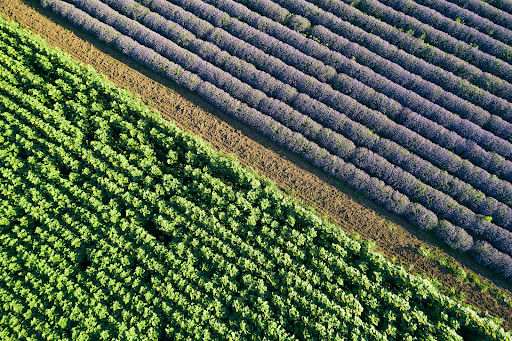
Mono-crop farming is the practice of growing a single crop in large quantities on a single piece of land. This practice was recognised as a very cost-effective way for farmers to earn money by growing large amounts of a staple crop, such as soy, corn, or wheat, and selling these crops to any company willing to use it for food or fuel. The problem with this is that the environmental damage caused by monocropping is far greater than the benefits it provides. This type of farming does not provide the diversity that our diets and ecosystems require. This article will explain to you about Mono Cropping which will be helpful in preparing the Agriculture Syllabus for the UPSC Civil Service exam.
|
Table of Contents |
Practice of Mono Cropping
What is Mono Cropping?
- Monocropping is the agricultural technique of producing a single crop year after year on the same ground without rotating through other crops or growing many crops on the same land, which is known as polyculture.
- Three widely produced crops that are frequently grown using monocropping methods include corn, soybeans, and wheat.
- Monocropping proponents assert that it is a more profitable farming method than changing crops every year.
- Monocropping is sometimes known as continuous cropping. Farmers can have uniform harvests over their entire farm due to monocropping.
- They can boost farm profitability by only planting the most lucrative crops and using the same seed, machinery, pest control, and growth techniques across their entire farm.
- Monocropping can have catastrophic impacts on the environment in the near future.
|
|
|
|---|---|
| Multiple cropping | Monoculture |
| Triple cropping | Double cropping |
| Quadruple cropping | Sole cropping |
Mono Cropping - Strategy
- As an agricultural strategy, monocropping frequently emphasizes the use of expensive, specialized farm equipment, which is crucial to achieving its efficiency objectives.
- As a result, there may be a greater need for expensive machinery that cannot be produced locally and may require financing.
- The economics of farming in areas accustomed to self-sufficiency in agricultural production may change significantly as a result of this.
- In addition, if these dependencies span international borders, political issues may result.
Mono Cropping - Benefits
- With increased food production, the farmers chose to grow the one crop that would yield the highest returns given their land and environment.
- Another advantage of monoculture for farmers was the appearance of simplicity, which, at least initially, allowed them to save time and money.
- Focusing only on one crop resulted in reduced expenses for seeds, tools, fertilizer, and other supplies.
- Farmers did not have to constantly seek out new suppliers because monocropping remained relatively constant over time.
Mono Cropping - Disadvantages
- Crop failure is an unavoidable part of farming. Not all plants thrive and produce a bountiful and profitable harvest every year for a variety of reasons that farmers cannot control (weather, pests, and disease).
- In a biodiverse ecosystem, a threat to one crop may not be a threat to others.
- Summer squash can be destroyed by stem borers, but eggplant can survive.
- Unexpected hail may crush corn but not bother beets.
- When a field contains only one crop grown from genetically identical stock, every plant is equally vulnerable to threat.
- A pest population can easily jump from one plant to the next, especially if there are no other plant species in between and crops are planted close together for efficiency.
Impact of Mono Cropping
On Soil Ecology
- While monocropping is an extremely effective technique from an economic standpoint, allowing for specialization in both equipment and crop production, it is also contentious since it harms the ecology of the soil (including depleting or reducing the diversity of soil nutrients).
- Additionally, it creates an unbuffered niche for parasite species, making crops more susceptible to opportunistic insects, plants, and microbes.
- As a result, the environment becomes more vulnerable and is dependent more on pesticides and synthetic fertilizers.
- A whole crop could be quickly destroyed by a single opportunistic species due to the concentrated presence of a single cultivar that is genetically equipped with a single resistance strategy.
- Impoverished monocropped soil is less able to absorb rainwater, resulting in more flooding and increased reliance on irrigation.
- Fertilizers, pesticides, and factory farm waste all degrade the soil's ability to support life.
- Monocrops continue to add and deplete the same resources, resulting in less biodiverse, resilient, and mineral-rich soil (and more dependence on external inputs such as chemical fertilizers).
- The Great Famine in Ireland between 1845 and 1849 serves as an illustration of this.
Deforestation
- In some cases, monocropping might result in deforestation or the eviction of native populations.
- The Amazon Rainforest, for instance, has lost around 5% of its forest cover since 1970.
- Local farmers clearing land for more crops is a major contributor to this deforestation.
- Large numbers of peasants will also be displaced due to the lack of available farmland due to monocropping.
On Human Health
- There is evidence from studies linking the decline in dietary variety to a decline in the diversity of the human microbiome, which results in associated health issues.
- Additionally, there's a chance that a particular strain of advantageous bacteria will never reappear once it becomes extinct in a population.
- Furthermore, monocropping makes it more difficult for farm workers to live lives of dignity, liberty, and security.
- The number and toxicity of chemical treatments have increased as pests get resistant to pesticides and weeds become resistant to herbicides.
- There is no question that farmworker exposure to biocides is exceedingly dangerous, even though there is some disagreement over how much exposure to these substances impacts consumers.
On Environment
- By reducing the land's capacity to hold soil and water, the practice of monocropping increases the planet's susceptibility to the effects of climate change.
- Pesticide usage and monoculture go hand in hand. But the most extensively used pesticides are rapidly losing their efficacy against pests and insects, creating a vicious cycle.
- According to a 2019 research by the Food and Agriculture Organization (FAO) of the United Nations, monocropping and the pesticide use that goes along with it now endanger not only the diversity of plants but also that of pollinators.
- Monocropping also jeopardises our limited water supply.
- Fertilizers introduce nitrates, nitrites, and phosphates into our drinking water and other bodies of water.
- Nutrients leach out of our food and into water, which not only does not benefit the ecology of rivers, lakes, and ponds, but can also harm them by fostering algal blooms, which starve aquatic creatures of oxygen.
- The same elements are continuously added and depleted by mono-crops, resulting in less biologically varied, robust, and mineral-rich soil (and more dependence on external inputs such as chemical fertilizers).
- Monocropping depletes soil organic matter and can lead to significant erosion.
- This reduces the diversity and abundance of bacterial communities in soil, threatening plant health and, ultimately, the health of humans who consume the plants.
Alternatives to Mono Cropping
Regenerative Agriculture
- The health of the soil is prioritised in regenerative farming.
- Unlike monocropping, which sacrifices long-term soil health for short-term crop production, responsible land stewards treat the soil as their primary asset, producing wealth in the form of food year after year.
- Regenerative practises have been shown to improve soil health, increase soil-based carbon stores, improve the physical structure of the soil so that it can hold more carbon, water, and oxygen, and increase soil biodiversity.
Intercrops, Cover Crops, Polyculture
- Intercropping (planting more than one crop in a field) and polycultures (planting multiple crops together that all help each other grow) are two other examples of sustainable growing.
- The "3 Sisters" of South and Central America are a well-known example of such a polyculture: corn, beans, and squash.
- When planted together, all three perform far better than when planted separately.
- After the corn and beans have grown taller than the squash leaves, the squash produces large leaves that outcompete weeds.
- The corn serves as a framework for the beans to climb. And, like all legumes, the beans fix nitrogen in the soil for the other two sisters.
- As a result, plants are healthier and yields are higher, without the need for as many (or any) chemical fertilisers and herbicides.
- Planting cover crops on a portion of the land to act as "green manure" for other crops adds nutrients and reduces the need to import fertility from outside the farm.
Agroforestry
- Agroforestry is a crop-growing method that mimics the design and function of a grove by interplanting crops and trees.
- For millennia, indigenous farmers have refined these techniques to protect their crops from extreme weather events, maximise the resources that can be harvested from a single location, increase soil fertility, and store carbon.
- Indigenous farmers also save and treasure many varieties of each crop, increasing the likelihood that any disease that attacks a specific strain will not be able to wipe out the entire crop.
- Furthermore, genetic variability provides nutritional and usage variability, allowing the community to get far more from its arable land than a single crop could.
- Rather than cash crops for a few seasons, this approach provides farmers with land for life.
Conclusion
Monocropping debates are complicated, but typically the main concerns center on how to balance its benefits for increasing short-term food production especially in areas where there is a high rate of hunger and its drawbacks for long-term land stewardship, the promotion of local economic independence, and ecological sustainability. Monocropping, or the repeated cultivation of a single crop on the same plot of land, was invented to increase food supply and combat hunger. Unfortunately, its unintended consequences threaten to exacerbate global food insecurity and exacerbate climate change.
|
|
|
|---|---|
| Agriculture Notes | Cropping |
| Cropping system | Mixed cropping |
| Sequential cropping | Cropping intensity |
| Intercropping | Ratoon cropping |
FAQs
Question: What is mono-cropping in agriculture?
Answer: Mono-cropping is the agricultural practice of growing the same crop on the same field year after year. This method focuses on cultivating a single crop in a large area, which can lead to higher yields if managed properly. However, it also poses risks, such as depletion of specific nutrients from the soil, an increase in pest and disease problems, and the eventual decline in soil fertility if proper crop rotation or soil management practices are not followed.
Question: What are the advantages of mono-cropping?
Answer: The advantages of mono-cropping include efficient management of resources, specialized machinery use, and reduced labor costs. It allows farmers to focus on one crop type, which can lead to increased expertise in its cultivation. In some cases, mono-cropping can lead to higher productivity if the crop is suited to the local climate and conditions. It is also beneficial for economies of scale, especially in large-scale commercial farming.
Question: What are the environmental impacts of mono-cropping?
Answer: Mono-cropping can have several negative environmental impacts. The depletion of soil nutrients is a significant issue, as repeated planting of the same crop exhausts specific nutrients in the soil. This can lead to soil degradation and a need for synthetic fertilizers. Mono-cropping also encourages the spread of pests and diseases that target a single crop species, increasing the need for chemical pesticides. Additionally, it can reduce biodiversity, making ecosystems more vulnerable to environmental stresses.
Question: How does mono-cropping affect soil health?
Answer: Mono-cropping adversely affects soil health by reducing the diversity of microorganisms in the soil. Continuous cultivation of the same crop results in the depletion of specific nutrients, particularly those that the crop heavily relies on. Over time, this practice can lead to soil erosion, decreased soil organic matter, and poor soil structure. Furthermore, mono-cropping increases the likelihood of nutrient imbalances, which may necessitate the use of chemical fertilizers to replenish the soil.
Question: What are alternatives to mono-cropping?
Answer: Alternatives to mono-cropping include crop rotation, intercropping, and polyculture. Crop rotation involves growing different crops in a sequential manner to prevent soil depletion and break pest cycles. Intercropping is the practice of planting two or more crops together in the same space to increase biodiversity and reduce pest damage. Polyculture involves growing multiple types of crops simultaneously in the same field, which can enhance soil fertility, reduce the risk of pest outbreaks, and improve biodiversity.
MCQs
1. What is the primary disadvantage of mono-cropping?
A) Increased biodiversity
B) Soil nutrient depletion
C) Increased water retention
D) Reduced pesticide use
Answer: (B) See the Explanation
Explanation: The primary disadvantage of mono-cropping is soil nutrient depletion. Continuous cultivation of the same crop can exhaust specific nutrients in the soil, making it less fertile over time.
2. Which of the following practices is considered an alternative to mono-cropping?
A) Planting the same crop every year
B) Crop rotation
C) Continuous irrigation
D) Use of chemical fertilizers
Answer: (B) See the Explanation
Explanation: Crop rotation is a sustainable farming practice that alternates the types of crops grown on the same land to maintain soil health and reduce pest buildup, unlike mono-cropping.
3. How does mono-cropping impact pest and disease control?
A) Reduces pest outbreaks
B) Increases pest and disease vulnerability
C) Helps in natural pest control
D) Does not impact pest control
Answer: (B) See the Explanation
Explanation: Mono-cropping increases pest and disease vulnerability as pests and diseases specific to the crop are allowed to proliferate without interruption, leading to more frequent outbreaks.
4. Which of the following is a potential benefit of mono-cropping?
A) Increased biodiversity
B) Efficient use of machinery
C) Improved soil structure
D) Reduced need for fertilizers
Answer: (B) See the Explanation
Explanation: Mono-cropping allows for the efficient use of machinery since all plants are the same species, making the farming process more streamlined and cost-effective for large-scale operations.
5. Which method can reduce the negative effects of mono-cropping on soil health?
A) Increased use of pesticides
B) Crop rotation
C) Continuous use of the same crop
D) Use of synthetic fertilizers
Answer: (B) See the Explanation
Explanation: Crop rotation can reduce the negative effects of mono-cropping by replenishing soil nutrients, breaking pest cycles, and improving soil structure.
GS Mains Questions and Model Answers
Q1: Assess the impact of mono-cropping on the sustainability of agriculture in India. What are the challenges and solutions associated with this practice?
Answer: Mono-cropping in India, especially for crops like rice and wheat, has led to increased agricultural productivity in the short term. However, in the long term, it has contributed to soil degradation, nutrient depletion, and greater vulnerability to pests and diseases. Over-reliance on mono-cropping also results in reduced biodiversity, making ecosystems more fragile. The challenges posed by mono-cropping include soil erosion, increased use of chemical fertilizers and pesticides, and loss of agricultural diversity. Solutions include adopting crop rotation, improving soil management practices, and promoting organic farming to reduce dependency on synthetic chemicals. Farmers can also benefit from adopting polyculture and intercropping to enhance soil fertility and increase resilience against pests.
Q2: How can the Indian government promote sustainable agricultural practices to reduce the dependence on mono-cropping?
Answer: The Indian government can promote sustainable agricultural practices by encouraging crop diversification through subsidies and financial incentives for farmers who adopt crop rotation and polyculture. Programs like "Pradhan Mantri Krishi Sinchayee Yojana" can help improve irrigation infrastructure and reduce water scarcity, which is often a driver of mono-cropping. Additionally, the government can invest in research to develop drought-resistant and soil-improving crops that reduce the need for monoculture practices. Education and extension services should be provided to farmers to help them transition to more sustainable farming methods, while offering better access to organic inputs and promoting market linkages for diversified crops.
Q3: Evaluate the role of organic farming in mitigating the adverse effects of mono-cropping on soil health in India.
Answer: Organic farming can play a significant role in mitigating the adverse effects of mono-cropping on soil health by reducing the need for chemical fertilizers and promoting soil biodiversity. By focusing on crop rotation, the use of organic fertilizers, and composting, organic farming helps restore the natural nutrient balance in the soil. Furthermore, organic farming encourages the use of cover crops, green manure, and other soil-enhancing practices that improve soil structure, retain moisture, and prevent erosion. By adopting organic farming methods, farmers can reduce the environmental impact of mono-cropping while maintaining long-term soil fertility.
Previous Year Questions on Mono-cropping
1. UPSC CSE Prelims 2021:
Question: Which of the following practices is commonly associated with mono-cropping?
A) Crop rotation
B) Polyculture
C) Continuous cultivation of a single crop
D) Agroforestry
Answer: (C)
Explanation: Mono-cropping involves the continuous cultivation of a single crop, often resulting in soil depletion and reduced biodiversity.
2. UPSC CSE Mains 2020 (GS Paper 3):
Question: "Discuss the implications of mono-cropping for soil fertility and agricultural sustainability. What measures can be adopted to counter its adverse effects?"
Answer: Mono-cropping leads to soil nutrient depletion and increased vulnerability to pests, which can degrade soil health and reduce long-term agricultural productivity. To counter these effects, crop rotation, the use of organic fertilizers, and soil conservation techniques like mulching and cover cropping can be implemented. These measures help replenish the soil, reduce the need for synthetic chemicals, and promote biodiversity, ensuring sustainable agriculture practices.
Download the PREPP App and attempt FREE IAS Exam Mock Tests and get complete study material!

Full Test - 04: UPSC CSE Prelims CSAT (Paper-II)
Full Test - 03: UPSC CSE Prelims CSAT (Paper-II)
UPSC CSE Prelims 2026 GS Paper 1 Question Paper (24-May-2026)
UPSC CSE Prelims 2026 CSAT Paper 2 Question Paper (24-May-2026)

17 February 2025 | The Hindu Must Read Articles | Current Affairs

16 February 2026 | The Hindu Must Read Articles | Current Affairs

13 February 2026 | The Hindu Must Read Articles | Current Affairs









Comments