Epicureanism - Ethics Notes
Epicureanism is a philosophical system based on Epicurus' beliefs, and it was one of the most popular schools of Hellenistic philosophy (together with Platonism and Stoicism). It was established approximately 307 B.C.E., when Epicurus began teaching. He claimed that happiness was the ultimate objective of human life, and that the highest good was to pursue small pleasures in order to achieve a condition of tranquillity and freedom from anxiety via knowledge as well as the absence of pain.
This article will explain Epicureanism which will be helpful in Ethics preparation for the UPSC Civil service Mains exam.
Table of Contents
Epicureanism - Concept
- Epicureanism teaches that the highest good is to pursue simple pleasures in order to achieve a condition of calm, freedom from fear ("ataraxia"), and absence of physiological suffering ("aponia").
- This combination of moods is seen to be the ultimate kind of happiness, and so Epicureanism might be regarded as a version of Hedonism, albeit it varies in its definition of happiness as the absence of suffering and its promotion of a simple existence.
- Epicureanism was popular for ages but never made it into the mainstream of intellectual thought.
- One explanation for this is that it was resisted by conservatives and was eventually repressed by the Christian religion.
- Some of its principles would subsequently play a role in the Renaissance and impact modern thinkers, notably in the fields of civic justice and physics.
- Epicureanism has made significant contributions to modern philosophy in numerous ways.
- One of these was the "atomism" theory, which was adopted by early physicists and chemists as they attempted to develop contemporary atomic theory.
| Other Relevant Links | |
|---|---|
| Ethical Ideals in Life | Virtue ethics |
| Stoicism | Moral subjectivism |
| Cultural relativism | Sceptical doctrines |
| Utilitarianism | Character in Ethics |
| Psychological egosim | Socrates |
| Western Moral Thinkers | Plato |
History of Epicureanism
- Epicureanism was first created by Epicurus as a response to Platonism, however Democritus may have proposed a very similar philosophy about a century before.
- Epicureanism, together with Stoicism and Scepticism, subsequently became one of the three prominent schools of Hellenistic philosophy, continuing firmly until the later Roman Empire.
- Its members during Epicurus' lifetime were Hermarchus, Idomeneus, Colotes, Polyaenus, and Metrodorus.
Epicureanism and Religion
- Despite certain Atheistic inclinations, Epicureanism stresses the neutrality of the gods and their non-interference with human life.
- It saw gods as joyful and everlasting, yet material entities composed of atoms, dwelling the empty gaps between worlds in the immensity of limitless space, too far away from the earth to care about what man was doing.
- It denied the notion of a hereafter while maintaining that death need not be feared.
- It might be claimed that the philosophy is atheistic on a practical level, but avoids the accusation of Atheism on a theoretical level, so escaping the tragedy of Socrates, who was tried and killed for his views' Atheism.
- There are fascinating connections to Buddhism, which emphasises a lack of supernatural intervention and contains elements of Atomism.
- Buddhism, like Epicureanism, is moderate, with the conviction that large excesses lead to tremendous discontent.
Epicureanism in Modern Living
- Life is unpredictable, and we can never escape suffering or vulnerability. Both will be encountered as part of our human experience.
- Living positively and attempting to retain a sense of peace, contentment, and tranquillity may still be a motivating ambition as we progress through our lives.
- While the Epicurean philosophy says that happiness is the purpose of life, it also understands that pleasure can lead to misery and that pain is sometimes required in order to reach happiness.
- We may combine Epicurean principles into our way of life and personal decision-making in order to live more positively.
- A recurring problem among Epicurus' concepts articulated and detailed in his time is connected to personal choice.
- We cannot always escape suffering and fear, but he may imply that we may choose to (or not choose to) stay in pain and fear.
- This might imply that we clean our living space, let go of expectations, cease equating pleasure with things like status, riches, or celebrity, and rethink our limiting beliefs.
Epicureanism and Personal Finances
- The Epicurean philosophy may be applied to financial matters as well. Because this ideology emphasises that happiness may often be found in modest pleasures, it is possible to experience delight without spending a lot of money.
- According to the Epicurean viewpoint, anything delightful may become less pleasurable if it comes at a high expense.
- For example, you could like driving a brand-new luxury SUV, but the high price tag may wind up wiping out most of your enjoyment.
- Instead than focusing your efforts on accumulating expensive material items, an Epicurean strategy would lead to more pleasure and contentment by:
- Having fun in moderation.
- Living modestly and within your financial means.
- savouring the most essential goods and events in your life.
- Saving money for retirement to help manage fears for the future.
Epicurus (341 BCE - 270 BCE)
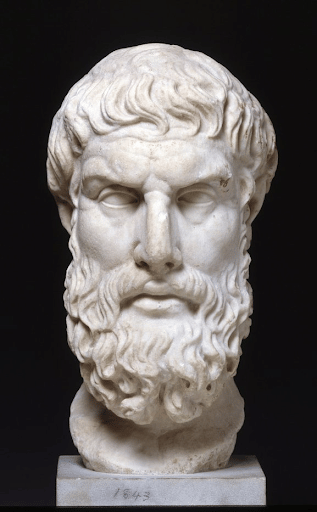
- Epicurus (341 BCE - 270 BCE) was an ancient Greek philosopher who founded the Epicurean school of thought in Athens and argued that "pleasure is the principle and aim of a happy existence."
- He was a prolific writer, amassing 37 volumes, but only fragments and four letters have survived.
- Epicurus began to establish his own, distinct philosophy at this point. According to accounts, he became disillusioned with his professors when he was 14 years old.
- He was an empiricist, like Aristotle, and thought that all knowledge originates from one's senses.
- His ideology was essentially based on the concept of pursuing pleasure and avoiding misery.
- Although his name and ideas have been misinterpreted and associated with hedonism, his early teachings were far from it.
- Epicurus' thinking was clearly affected by Plato's, Aristotle's, and, most notably, Democritus' theories as a result of his early schooling.
Conclusion
Epicureanism takes its name from its founder, Epicurus, who established his school on the outskirts of Athens and famously referred to it as the Garden of Athens (307 BC). The highest good, according to Epicureanism, is to pursue small pleasures in order to achieve a condition of serenity, freedom from fear ("ataraxia"), and lack of bodily discomfort ("aponia"). Epicureanism is an old philosophy, yet it may also be applied to current living. Minimalism, moderation, simple pleasures, cognitive reframing, and positive thinking are all methods for incorporating an Epicurean attitude into your daily life.
| Other Relevant Links | |
|---|---|
| Post Aristotelian Philosophers | Western Moral Thinkers |
| Epicureanism | Stoicism |
| Utilitarianism | Ethical Ideas in Indian Philosophical Tradition |
| Lessons From The Lives Of Great Indian Leaders, Reformers And Administration | Moral Thinkers of the Twentieth Century |
FAQs
Question: What is Epicureanism?
Answer: Epicureanism is a philosophical system founded by Epicurus, emphasizing the pursuit of happiness through the avoidance of pain, the cultivation of pleasure, and the development of friendships.
Question: What is the ultimate goal of Epicureanism?
Answer: The ultimate goal of Epicureanism is achieving ataraxia, or mental tranquility, by minimizing pain and maximizing pleasure through simple living, self-reflection, and the pursuit of knowledge.
Question: How does Epicureanism view pleasure?
Answer: Epicureanism views pleasure as the highest good, but it emphasizes intellectual pleasures over physical ones, advocating for the moderation of desires to achieve lasting contentment.
Question: What role does friendship play in Epicureanism?
Answer: Friendship is central in Epicureanism, as it is considered one of the greatest sources of happiness, providing emotional support and the opportunity for shared intellectual pleasures.
Question: How does Epicureanism differ from hedonism?
Answer: While both focus on pleasure as the ultimate good, Epicureanism advocates for intellectual pleasure and the moderation of desires, whereas hedonism often emphasizes physical pleasure and indulgence.
MCQs
1. Who founded the philosophy of Epicureanism?
A) Socrates
B) Plato
C) Aristotle
D) Epicurus
Answer: (D) See the Explanation
Explanation: Epicureanism was founded by the Greek philosopher Epicurus, who taught that the pursuit of pleasure and the avoidance of pain were the key to a happy life.
2. What is the central focus of Epicurean philosophy?
A) Wealth accumulation
B) Pursuit of intellectual pleasures
C) The cultivation of virtues
D) Political power
Answer: (B) See the Explanation
Explanation: The central focus of Epicurean philosophy is the pursuit of intellectual pleasures and mental tranquility, achieved by minimizing pain and avoiding unnecessary desires.
3. According to Epicureanism, what is the highest form of pleasure?
A) Physical pleasure
B) Intellectual pleasure
C) Material wealth
D) Sensory gratification
Answer: (B) See the Explanation
Explanation: In Epicureanism, intellectual pleasures are considered the highest form of pleasure, as they lead to lasting happiness and mental tranquility.
4. How does Epicureanism view friendship?
A) As an unnecessary burden
B) As a source of happiness
C) As a form of competition
D) As a source of wealth
Answer: (B) See the Explanation
Explanation: Epicureanism considers friendship one of the greatest sources of happiness, providing emotional support and shared intellectual pleasures.
5. How does Epicureanism differ from Hedonism?
A) Epicureanism advocates for indulgence in all pleasures
B) Hedonism emphasizes intellectual pleasure
C) Epicureanism emphasizes intellectual pleasures and moderation
D) Hedonism advocates for the avoidance of pain
Answer: (C) See the Explanation
Explanation: Epicureanism emphasizes intellectual pleasures and moderation of desires, whereas hedonism typically focuses on physical pleasure and indulgence without restraint.
GS Mains Questions and Model Answers
Q1: Evaluate the philosophy of Epicureanism. How does it contribute to the understanding of happiness and human nature?
Answer: Epicureanism teaches that happiness is achieved through the pursuit of pleasure and the avoidance of pain. It emphasizes intellectual pleasures, simple living, and moderation. By advocating for the cultivation of friendships and the development of self-awareness, Epicureanism offers valuable insights into human nature and the pursuit of contentment. The philosophy challenges hedonistic views by highlighting that long-term happiness comes from the moderation of desires and the focus on mental tranquility (ataraxia) rather than physical indulgence. The emphasis on intellectual pleasures fosters a deeper understanding of the self and human interactions, making it relevant in both personal development and ethical thought.
Q2: How does Epicureanism propose to achieve tranquility of mind and emotional well-being? Discuss its ethical implications.
Answer: Epicureanism advocates for achieving tranquility (ataraxia) by minimizing desires, avoiding unnecessary pain, and cultivating intellectual pleasures. The philosophy emphasizes self-reflection, moderation, and the importance of friendships. By reducing fear, especially the fear of gods and death, Epicureans believe individuals can achieve emotional well-being. The ethical implications are significant, as the philosophy encourages living a life focused on personal happiness, ethical conduct, and emotional resilience, free from excessive attachment to material or physical pursuits. This approach promotes a balanced and harmonious lifestyle, prioritizing mental peace over transient pleasures.
Q3: Critically analyze the relevance of Epicureanism in contemporary society. How can its principles guide modern individuals in seeking happiness?
Answer: In contemporary society, Epicureanism remains relevant as it emphasizes the importance of intellectual fulfillment, mental tranquility, and moderation, values often overlooked in a consumer-driven world. In an age of constant distractions and material pursuits, the philosophy's focus on cultivating meaningful relationships, reducing desires, and prioritizing inner peace offers a guide for modern individuals to navigate stress, anxiety, and dissatisfaction. By encouraging people to seek contentment through intellectual pleasures, self-awareness, and personal connections, Epicureanism offers a timeless path to happiness and emotional well-being in a complex, fast-paced world.
Previous Year Questions on Epicureanism
1. UPSC CSE Prelims 2021:
Question: Epicureanism primarily focuses on:
A) Physical pleasures
B) Intellectual pleasures and simplicity
C) Power and wealth accumulation
D) Social and political equality
Answer: (B)
Explanation: Epicureanism focuses on achieving happiness through the pursuit of intellectual pleasures, simplicity in life, and the moderation of desires, with a primary emphasis on mental tranquility.
2. UPSC CSE Mains 2020 (GS Paper 4):
Question: "Analyze the philosophical underpinnings of Epicureanism. How can its principles be applied to modern ethical challenges?"
Answer: Epicureanism emphasizes the pursuit of intellectual pleasures and mental tranquility, focusing on moderation of desires and ethical conduct. Its principles can be applied to modern ethical challenges by encouraging individuals to seek contentment through self-awareness, reducing materialistic pursuits, and fostering meaningful relationships. In a society driven by consumerism, Epicureanism offers a blueprint for personal happiness through emotional resilience, intellectual development, and ethical simplicity. It advocates for reducing unnecessary desires and finding peace through introspection, making it highly relevant in addressing modern-day stress and dissatisfaction.
Download the PREPP App and attempt FREE IAS Exam Mock Tests and get complete study material!

Full Test - 04: UPSC CSE Prelims CSAT (Paper-II)
Full Test - 03: UPSC CSE Prelims CSAT (Paper-II)
UPSC CSE Prelims 2026 GS Paper 1 Question Paper (24-May-2026)
UPSC CSE Prelims 2026 CSAT Paper 2 Question Paper (24-May-2026)

17 February 2025 | The Hindu Must Read Articles | Current Affairs

16 February 2026 | The Hindu Must Read Articles | Current Affairs

13 February 2026 | The Hindu Must Read Articles | Current Affairs









Comments