Biennial Crops - Agriculture Notes
Biennials are plants that take two years to complete their biological life cycle in a temperate climate. In the first year, they germinate and grow a root system, stem, and leaves. During the second season, stem elongation, flowering, and seed formation occur, followed by the death of the entire plant. They produce flowers and fruit later in their second year. A few herbs, such as spinach, are also classified as biennials. Biennials, in addition to spinach and other herbs, include carrots, cabbage, petunias, radish, onions, and other vegetables. In this article, we will discuss Biennial Crops which will be hel[ful for UPSC exam preparation.
|
Table of Contents |
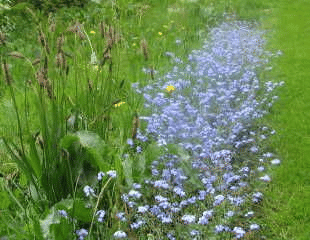
Biennial Flower - Forget Me Not
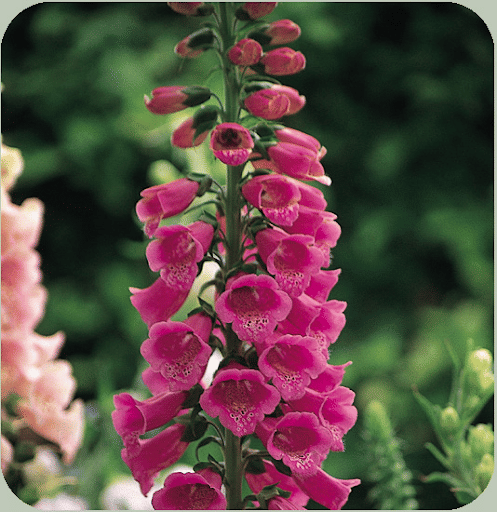
Biennial Flower - Foxglove
What are Biennials?
- Biennials have a two-year life cycle. They spend their first year establishing roots, foliage, and food structures, and their second year flowering, producing fruit, and releasing seeds before dying.
- Biennials are typically more cold-hardy than annuals. In fact, the winter chill activates their ability to bloom the following season.
- Many vegetables, such as kale, are biennials, which means you'll harvest leaves in the first and second seasons before letting the plant go to seed.
- Biennial plants can be tricky: some may not survive the first winter, others may bolt (complete their life cycle in a single growing season), and still others may live for more than two years.
- In general, plants will die in the fall of the second year and new seeds will germinate the following spring.
- Plant biennials in early spring to allow their roots to establish before they are exposed to the hot summer sun.
|
|
|
|---|---|
| Seasonal crops | Perennial crops |
| Annual crops | Plantation Crops |
Life Cycle of Biennial Crops
- The plant goes through primary growth in the first year, during which its leaves, stems, and roots (vegetative structures) develop.
- Typically, the plant's stem is short and the leaves are low to the ground, forming a rosette.
- After the first year, the plant goes into dormancy for the winter months. Many biennials require a cold treatment, known as vernalization, before flowering.
- The biennial plant's stem elongates significantly the following spring or summer, or "bolts." The plant then blooms, producing fruits and seeds before dying.
- Biennial plants are far less common than perennial or annual plants.
- Biennials do not always have a strict two-year life cycle, and the majority of plants in the wild can take three or more years to fully mature.
- Alternatively, under extreme climatic conditions, a biennial plant may complete its life cycle quickly (e.g., in three months instead of two years). This is quite common in vegetable or flower seedlings that have been vernalized before being planted in the ground.
- Because of this behavior, many normally biennial plants are treated as annuals in some areas.
- In contrast, an annual grown in extremely favorable conditions may have highly successful seed propagation, giving it the appearance of being biennial or perennial.
- Some short-lived perennials may appear to be biennial rather than perennial.
- True biennials flower only once, whereas many perennials flower every year once they mature.
Examples of Biennial Crops
- Biennials must be grown for two years in order to produce flowers, fruits, or seeds.
- Biennials that are grown for edible leaves or roots are only grown for one year (and not grown on a second year to run to seed).
- Biennial plants include members of the onion family, such as leeks, cabbage family members, common mullein, parsley, fennel, lunaria, silverbeet, black-eyed susan, sweet william, colic weed, carrot, and some hollyhocks.
- Plant breeders have created annual cultivars of several biennials that flower the first year from seed, such as foxglove and stock.
- Some popular biennials include:
- Canterbury bells
- Beets
- Evening primrose
- Forget-me-not
- Kale
- Parsley
- Swiss chard
Conclusion
There are far fewer biennials than perennial or annual plants, with the majority of them being vegetable varieties. Keep in mind that biennials, which are grown for flowers, fruits, or seeds, must be grown for two years. Unseasonably cold weather in a particular area, with prolonged periods of frost or cold snaps, affects whether the plant is a biennial or an annual, or even whether a perennial appears to be a biennial.
FAQs
Question. What are biennial crops?
Answer: Biennial crops are plants that require two years to complete their life cycle. In the first year, they grow vegetatively, and in the second year, they flower, produce seeds, and die. These crops are often grown for their seeds, roots, or tubers, and they are harvested in the second year.
Question. Can you give examples of biennial crops?
Answer: Some common examples of biennial crops include onions, carrots, cabbage, and parsley. These plants take two growing seasons to complete their life cycle, with the first year focusing on vegetative growth and the second year on reproductive growth, producing flowers and seeds.
Question. What is the significance of biennial crops in agriculture?
Answer: Biennial crops play an important role in agriculture by providing farmers with crops that can be harvested in the second year. They often produce higher yields in the second year compared to annual crops, and they are suitable for farmers looking for crops that require a longer growing period and produce seeds for future planting.
Question. How are biennial crops different from annual crops?
Answer: Biennial crops differ from annual crops in that annuals complete their life cycle in one year, while biennial crops require two years. In the first year, biennial crops grow vegetatively, while in the second year, they focus on reproduction, flowering, and seed production. Annuals grow, flower, and produce seeds all within one season.
Question. What are the challenges associated with growing biennial crops?
Answer: Growing biennial crops can be challenging due to the longer cultivation period required. They need to be carefully managed during both years, and farmers must ensure that the crops are not affected by environmental factors like frost or pests. Additionally, farmers must have enough space and resources for crops to grow for two years before harvest.
MCQs
- Which of the following is a biennial crop?
A) Wheat
B) Carrot
C) Rice
D) Maize
Answer: B) See the Explanation
Carrot is a biennial crop. It takes two years to complete its life cycle, with vegetative growth occurring in the first year and flowering and seed production in the second year.
- What is the primary characteristic of biennial crops?
A) They complete their life cycle in one year.
B) They require three years to grow.
C) They require two years to complete their life cycle.
D) They are perennial crops.
Answer: C) See the Explanation
Biennial crops take two growing seasons to complete their life cycle, with the first year focused on vegetative growth and the second year on flowering and seed production.
- Which of the following crops is NOT typically a biennial crop?
A) Cabbage
B) Parsley
C) Onion
D) Tomato
Answer: D) See the Explanation
Tomato is an annual crop, meaning it completes its life cycle in one year, unlike biennial crops like cabbage, parsley, and onion, which require two years to mature.
- Why are biennial crops important in agriculture?
A) They provide food for animals.
B) They can produce seeds for future planting.
C) They grow quickly.
D) They are immune to diseases.
Answer: B) See the Explanation
Biennial crops are important because they produce seeds in the second year, which can be used for future planting, making them valuable for farmers focused on seed production.
- Which factor is crucial for the successful cultivation of biennial crops?
A) Short growth periods
B) Consistent environmental conditions over two years
C) Use of synthetic fertilizers
D) Immediate harvest after one year
Answer: B) See the Explanation
Biennial crops require stable environmental conditions over two growing seasons, including proper temperatures and care throughout both years, for successful cultivation.
GS Mains Questions and Model Answers
Q1: Discuss the advantages and challenges of cultivating biennial crops in modern agriculture.
Answer: Biennial crops offer several advantages to farmers, especially in terms of seed production and higher yields in the second year. These crops often produce better quality seeds and a higher yield compared to annual crops, making them economically valuable. Additionally, biennial crops like onions, carrots, and cabbage can be used for long-term cultivation cycles, allowing farmers to plan harvests for specific times of the year. The production of seeds in the second year also makes biennials important for sustaining agricultural practices.
However, there are challenges associated with growing biennial crops. The longer cultivation period means that these crops require more time and resources, including water, land, and care for two full growing seasons. Additionally, the risk of environmental factors such as frost or pest infestations during the second year of growth can impact yields. Biennial crops are also more susceptible to disease over an extended growing period, making pest and disease management crucial.
In conclusion, while biennial crops offer valuable advantages for certain agricultural practices, they require careful management and attention to environmental and seasonal factors to ensure successful cultivation.
Q2: How do biennial crops contribute to food security and sustainable agriculture?
Answer: Biennial crops play a significant role in food security and sustainable agriculture by providing a stable supply of high-quality seeds and produce over two growing seasons. These crops, including onions, carrots, and cabbage, help diversify agricultural output and reduce reliance on annual crops, which can be vulnerable to seasonal variations and pest outbreaks.In terms of food security, biennial crops can improve resilience to food shortages because they can be stored for longer periods, particularly root crops like carrots. These crops also offer economic benefits by reducing the need for purchasing seeds each year, as the seeds from biennial crops can be saved for future planting.
Sustainability is enhanced by the longer growing cycles of biennial crops, which allow for soil enrichment during the first year of vegetative growth and minimize the need for annual soil disruption. However, the successful cultivation of biennial crops depends on maintaining soil health, reducing the use of chemical fertilizers, and employing crop rotation to avoid depletion of soil nutrients.
Overall, biennial crops are an important component of sustainable agricultural practices that contribute to food security by providing reliable, high-yield crops and seeds while promoting soil health and reducing environmental impacts.
Q3: Evaluate the role of biennial crops in promoting agricultural diversity and economic stability.
Answer: Biennial crops play a crucial role in promoting agricultural diversity and economic stability by adding variety to crop rotations and ensuring a stable supply of produce over two growing seasons. By cultivating crops that take two years to mature, farmers can diversify their farming systems, reducing their dependence on annual crops and spreading risks associated with climate variability, pest outbreaks, and market fluctuations. This diversity is essential for sustainable farming systems that are resilient to changing environmental conditions. Economically, biennial crops contribute to stability by providing long-term yield potential and a steady supply of seeds and produce for markets. For example, crops like onions and cabbage can be stored for extended periods, giving farmers more flexibility in terms of when to sell their products. The ability to produce seeds in the second year also allows farmers to engage in seed-saving practices, reducing the need to buy seeds annually and providing additional income from seed sales.
Additionally, biennial crops can offer higher yields in the second year, increasing the profitability of farming operations. This is particularly important in areas where land and resources are limited, as biennial crops can maximize land use efficiency and help farmers achieve better financial returns over time.
Previous Year Questions on Biennial crops
1. UPSC CSE 2023
Question: What are the advantages of cultivating biennial crops in agriculture, and what challenges might farmers face while growing them?
Answer: Biennial crops provide several advantages, including higher yields in the second year, better seed quality, and the ability to plan long-term harvests. However, challenges include the longer cultivation period, increased susceptibility to pests and diseases, and the requirement for stable environmental conditions over two years. Additionally, managing these crops requires more land and resources.
2. UPSC CSE 2021
Question: How do biennial crops contribute to sustainable agricultural practices, and what role do they play in ensuring food security?
Answer: Biennial crops contribute to sustainability by reducing soil disturbance and supporting crop rotation. They offer reliable yields and seed production over two years, helping to ensure food security by providing a steady supply of produce and seeds. Their longer growing cycle allows farmers to save seeds for future planting, reducing dependence on external seed sources and ensuring long-term agricultural stability.
Download the PREPP App and attempt FREE IAS Exam Mock Tests and get complete study material!

Full Test - 04: UPSC CSE Prelims CSAT (Paper-II)
Full Test - 03: UPSC CSE Prelims CSAT (Paper-II)
UPSC CSE Prelims 2026 GS Paper 1 Question Paper (24-May-2026)
UPSC CSE Prelims 2026 CSAT Paper 2 Question Paper (24-May-2026)

17 February 2025 | The Hindu Must Read Articles | Current Affairs

16 February 2026 | The Hindu Must Read Articles | Current Affairs

13 February 2026 | The Hindu Must Read Articles | Current Affairs









Comments