Cash Crops - Agriculture Notes
Cash crops, also known as commercial crops, are those that are grown to be sold in the market in order to profit from their sale. Cash crops, in contrast to staple food crops, are primarily grown for commercial purposes and sold in national and international markets. This article will explain to you about the Cash crops which will be helpful in preparing the Agriculture Syllabus for the UPSC Civil Service exam.
|
Table of Contents |
What are Cash Crops?
- India is one of the world's leading crop producers.
- Crops grown in the country are classified as food, cash, plantation, or horticulture.
- Cash crops are agricultural crops grown for the purpose of selling on the market or exporting for profit, as opposed to subsistence crops grown for the farmer's self-supply (like livestock feeding or food for the family).
- The majority of cash crops grown in developing countries are sold to developed countries at a higher price.
- Coffee, tea, cocoa, cotton, and sugarcane are all well-known cash crops.
- These are grown for market sale or as raw materials for industries.
- With increased productivity of certain crops, particularly sugar, the government assists agriculture by providing incentives.
- These occupy only 15% of the country's total cropped area but account for more than 40% of agricultural production by value.
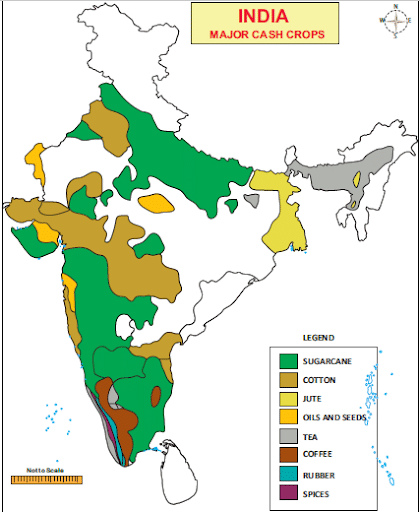
Cash Crops in India
Major Cash Crops
Sugarcane
- It is both a tropical and a subtropical crop.
- It grows well in hot and humid climates with temperatures ranging from 21°C to 27°C and yearly rainfall ranging from 75cm to 100cm.
- Irrigation is essential in low-rainfall areas. It grows well in a range of soils and requires physical labour from planting through harvesting.
- After Brazil, India is the world's second-largest producer of sugarcane.
- Sugar, gur (jaggery), khandsari, and molasses are the primary products.
- Uttar Pradesh, Maharashtra, Karnataka, Tamil Nadu, Andhra Pradesh, Telangana, Bihar, Punjab, and Haryana are the major sugarcane producing states.
- The Scheme for Extending Financial Assistance to Sugar Undertakings (SEFASU) and the National Policy on Biofuels are two government initiatives to support sugarcane production and the sugar industry.
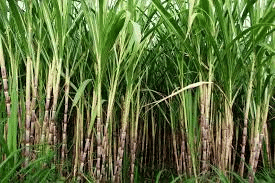
Sugarcane
Oil Seeds
- Temperature: 15-30°C
- Rainfall: 30-75 cm.
- Soil Type: Loam to clayey loam and well-drained sandy loams.
- Top Oilseed Producing States: Madhya Pradesh > Rajasthan > Gujarat > Maharashtra > Uttar Pradesh
- Various oil seeds are planted, accounting for around 12% of the country's total cropped area.
- The majority of these are edible and can be used as cooking media.
- Some of these, however, are also utilised as raw materials in the manufacture of soap, cosmetics, and ointments.
- Groundnut, mustard, coconut, sesamum (til), soyabean, castor seeds, cotton seeds, linseed, and sunflower are the most common oil-seeds produced in India.
- Government programmes for oilseeds include the Yellow Revolution and the Integrated Scheme on Oilseeds, Pulses, Oil Palm, and Maize (ISOPOM).
- Groundnut is a kharif crop that accounts for over half of the country's principal oilseed production.
- Rabi crops include linseed and mustard.
- Sesamum is a kharif crop in the north and a rabi crop in the south.
- Castor seed is grown in both the rabi and kharif seasons.
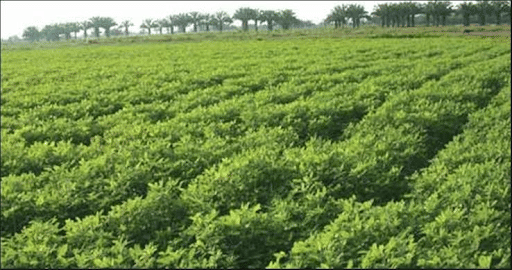
Groundnut
Cotton
- It is a tropical and subtropical crop that requires high temperatures ranging from 21 to 30 degrees Celsius and an annual rainfall of 50 to 100 centimetres.
- Punjab, Haryana, Gujarat, and Rajasthan account for approximately 80% of total cotton irrigated area.
- A high amount of rainfall in the beginning and sunny and dry weather during the ripening period are beneficial for a good crop.
- It is primarily a Kharif crop, but it is also grown as a Rabi crop in Tamil Nadu.
- It grows well in deep black (regur) soils of the Deccan Plateau, as well as alluvial soils of the Satluj-ganga plain.
- After the United States and China, India is the world's third largest producer of cotton.
- Gujarat is India's largest cotton-producing state.
- It is grown in Punjab, Haryana, Rajasthan, Gujarat, Maharashtra, Madhya Pradesh, Andhra Pradesh, Tamil Nadu, and Karnataka, among other places.
- The government initiatives for increasing cotton production in India are the Silver Fibre Revolution and the Technology Mission on Cotton.
- Cotton has been genetically modified into BT Cotton to combat environmental stress and pest attacks.
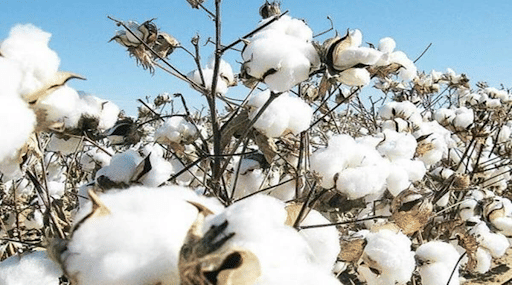
Cotton
Jute
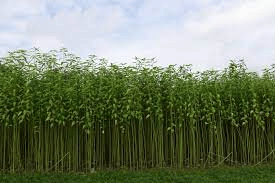
- It is known as the golden fibre.
- It is a hot and humid climate crop.
- It necessitates high temperatures ranging from 24℃ to 35℃, as well as heavy rainfall of 120-150 cm and relative humidity of 80-90%.
- A large amount of water is required not only for crop growth but also for fibre processing after the crop is harvested.
- Light sandy or clayey loams are thought to be the best for jute.
- Growing and processing jute requires a large supply of cheap labour.
- India is the world's leading jute producer.
- Over 99% of India's total jute is produced in just five states: West Bengal, Bihar, Assam, Andhra Pradesh, and Odisha, with West Bengal being the largest producer.
- It is used to make gunny bags, mats, ropes, yarn, carpets, and other items.
- Because of its high cost, it is losing market share to synthetic fibres and packing materials, particularly nylon.
- Two government initiatives to increase jute production in India are the Golden Fibre Revolution and the Technology Mission on Jute and Mesta.
Jute
Tea
- Temperature: 20-30°C
- Rainfall: 150-300 cm.
- Soil Type: Deep, fertile, well-drained soil rich in humus and organic matter.
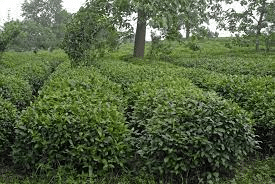
- Tea, introduced by the British and produced in India, is one of the most important beverage crops.
- Tea is an evergreen tropical and subtropical plant that grows in tropical and subtropical climates.
- India is both the world's second-largest producer and its largest consumer.
- To avoid waterlogging in the roots, tea is frequently grown on the slopes of hillsides.
- Its leaves must be harvested several times per year, necessitating the availability of plentiful and cheap labour.
- Tea bushes require a warm, frost-free climate all year.
- Frequent rainfall, evenly distributed throughout the year, ensures that the delicate leaves continue to thrive.
- Assam, the hills of Darjeeling and Jalpaiguri districts, West Bengal, Tamil Nadu, and Kerala are the top tea-producing states.
- Other tea-producing states in the country include Himachal Pradesh, Uttaranchal, Meghalaya, Andhra Pradesh, and Tripura.
- Tea Development and Promotion Scheme, Wage Compensation Scheme, and Tea Boutiques are a few of the government tea schemes.
Tea
Coffee
- Temperatures ranging from 16° to 28° C, rainfall ranging from 150-250cm, and well-drained slopes are all required for its establishment.
- It grows on mountain slopes between 900 and 1800 metres above sea level. India produces about 4% of the world's total coffee production.
- Plants are harmed by low temperatures, frost, extended periods of dry weather, and direct sunlight.
- Soil Type: Well-drained, deep friable loamy soil.
- India is the world's seventh-largest producer of coffee.
- Karnataka, Kerala and Tamil Nadu are the top coffee-producing states.
- Karnataka's laterite soils are ideal for growing coffee plants.
- Coffee was first introduced on the Baba Budan Hills after it was brought from Yemen.
- Coffee is an export product with a high employment rate and a low import intensity.
- It is demonstrated by the fact that the sector, directly and indirectly, employs approximately six lakh people.
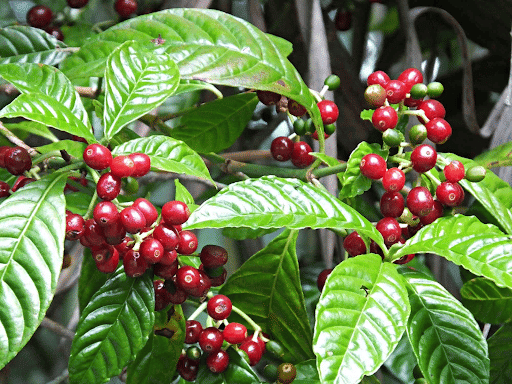
- Arabica and Robusta are the two main coffee varieties grown in India.
- Arabica coffee has a higher market value than Robusta coffee because the beans are more aromatic.
- Robusta, on the other hand, has higher strength and is used in a wide range of blends.
Coffee
Tobacco
- Tobacco was introduced to India by the Portuguese.
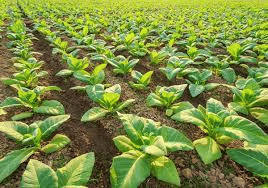
- Its leaves, among other things, are used to make cigarettes, cigars, and beedi.
- Its stem is used in the production of potash fertiliser, and its powder is used to kill insects.
- Temperatures ranging from 15°C to 40°C are required, as well as 50cm of rainfall or irrigation infrastructure.
- More than 100cm of annual rainfall and frost damage the crop.
- It is a labour-intensive crop that thrives in fertile soils with good drainage.
- Gujarat, Andhra Pradesh, Karnataka, Tamil Nadu, and Bihar are the top tobacco-producing states in India.
- Andhra Pradesh produces more than one-third of all tobacco in India.
- Nicotine Rustics and Nicotine Tabacum are two Nicotine species.
- Andhra Pradesh cultivates Virginia tobacco, which is used in the production of cigarettes, as well as DaleCrest varieties.
Tobacco
Rubber
- Temperature: above 25°C in a humid and moist climate.
- Rainfall: Over 200 cm.
- Soil type: Rich, well-drained alluvial soil.
- Kerala is the leading producer of rubber, followed by Tamil Nadu and Karnataka.
- It is an equatorial crop, but it is also grown in tropical and subtropical areas under special conditions.
- Rubber is a vital raw material in the industry.
- Government-led rubber initiatives include the Rubber Plantation Development Scheme and the Rubber Group Planting Scheme.
Significance of Cash Crops
- Cash crop cultivation is critical in developing countries like India for ensuring economic sustainability for farmers and food security for society as a whole.
- Farmers benefit from increased profits from cash crop farming, which raises their standard of living.
- It also contributes to the creation of more job opportunities in the agricultural and agro-based sectors, thereby boosting the overall economy.
- This stimulates agricultural innovation by increasing capital available for agricultural investment and rural development.
- As the human population grows, so will the demand for food. It is then necessary to find ways to meet that demand.
- Because farming such crops focuses on increasing yields as well as product quality, it is an important step toward achieving global food security.
- The concept of sustainable agricultural intensification, which aims to combine increased agricultural production with environmental protection, underpins the future of cash crop farming.
- This entails preserving soil fertility, biodiversity, and other ecosystem services through techniques such as micro-dosing fertiliser, intercropping, genetic crop improvements, and so on.
- The only way to ensure long-term food security is to reduce one's environmental footprint.
Conclusion
A cash crop is exactly what its name implies: a crop of plants grown solely for profit. A farmer may grow grains, legumes, and vegetables to feed his family and livestock, but anything else is a cash crop. Cash crops, as opposed to subsistence crops, are agricultural crops grown for the purpose of selling on the market or exporting for profit. The majority of cash crops grown in developing countries are sold at a higher price to developed countries. As a result, cash crop cultivation is critical in developing countries like India for ensuring farmers' economic sustainability and societal food security.
FAQs
Question: What are cash crops?
Answer: Cash crops are crops grown primarily for sale in the market rather than for personal consumption. These crops are cultivated to generate revenue and are often used as raw materials in industries. Common examples of cash crops include cotton, sugarcane, coffee, tea, tobacco, and spices. Cash crops play a significant role in the economy of many developing countries, providing income to farmers and contributing to foreign exchange earnings. The choice of cash crops depends on various factors such as climate, soil conditions, and market demand.
Question: How do cash crops contribute to the economy of a country?
Answer: Cash crops contribute significantly to the economy by generating income for farmers and providing raw materials for industries. They also help in earning foreign exchange through exports. The production and export of cash crops like tea, coffee, and cotton contribute to job creation in both rural and urban areas. Cash crops often form the backbone of rural economies, providing livelihoods for millions of farmers. Additionally, the tax revenue generated from cash crop industries also adds to the government’s income, which can be invested in further development.
Question: What are the environmental concerns related to the cultivation of cash crops?
Answer: The cultivation of cash crops can have several negative environmental impacts. These include:
- Deforestation: Large-scale monoculture farming of cash crops like palm oil, sugarcane, and rubber can lead to deforestation, disrupting ecosystems and biodiversity.
- Soil Degradation: Intensive farming of cash crops often leads to soil erosion and depletion of essential nutrients.
- Pesticide Use: The heavy use of pesticides and fertilizers in cash crop farming can contaminate water sources and harm local wildlife.
- Water Scarcity: Cash crops like sugarcane and cotton are water-intensive, which can lead to water shortages in regions already facing water scarcity.
Question: What are the factors that influence the cultivation of cash crops?
Answer: Several factors influence the cultivation of cash crops, including:
- Climate: Certain cash crops require specific climatic conditions, such as temperature, rainfall, and humidity. For example, tea and coffee thrive in tropical climates, while cotton requires a warm, dry climate.
- Soil Fertility: The fertility of the soil impacts the productivity of cash crops. Crops like coffee and sugarcane require fertile, well-drained soil for optimum growth.
- Market Demand: The demand for cash crops in domestic and international markets greatly influences their cultivation. High demand leads to greater production.
- Government Policies: Subsidies, trade policies, and regulations related to exports can also impact the cultivation of cash crops.
- Access to Resources: Access to water, technology, labor, and capital affects the scale of cash crop farming.
Question: Can the cultivation of cash crops lead to food insecurity?
Answer: Yes, the overemphasis on cash crops for export can lead to food insecurity in some regions. When land is devoted solely to cash crops, it reduces the area available for food crops, which can lead to food shortages. Additionally, farmers may prioritize cash crops due to higher profitability, neglecting the cultivation of essential food grains. This can result in price fluctuations and food scarcity, especially in developing countries where cash crop production is heavily relied upon for economic gains. To address food insecurity, it is important to maintain a balance between the cultivation of cash crops and food crops.
MCQs
1. Which of the following is a common example of a cash crop?
A) Rice
B) Wheat
C) Cotton
D) Maize
Answer: (C) See the Explanation
Explanation: Cotton is a classic example of a cash crop, grown primarily for export and industrial use.
2. What is the main characteristic of a cash crop?
A) Grown for domestic consumption
B) Grown primarily for sale in the market
C) Grown in non-arable lands
D) Grown without fertilizers
Answer: (B) See the Explanation
Explanation: The primary characteristic of a cash crop is that it is grown for sale in the market, not for personal consumption.
3. Which of the following is NOT a typical cash crop?
A) Tea
B) Coffee
C) Rice
D) Rubber
Answer: (C) See the Explanation
Explanation: Rice is a staple food crop, whereas tea, coffee, and rubber are examples of cash crops grown for commercial purposes.
4. Which of the following factors has the least impact on the cultivation of cash crops?
A) Climate
B) Market Demand
C) Soil Fertility
D) Population Growth
Answer: (D) See the Explanation
Explanation: While climate, market demand, and soil fertility are crucial factors for growing cash crops, population growth is less directly related to the cultivation of specific cash crops.
5. Which of the following is a common environmental concern related to cash crop farming?
A) Soil Erosion
B) Water Conservation
C) Crop Diversification
D) Reduced Biodiversity
Answer: (A) See the Explanation
Explanation: Soil erosion is a common environmental concern due to intensive farming practices associated with cash crops like cotton and sugarcane.
GS Mains Questions and Model Answers
Q1: Discuss the impact of cash crop cultivation on food security in developing countries.
Answer: The cultivation of cash crops in developing countries can have both positive and negative impacts on food security. On the one hand, cash crops provide income for farmers, generate foreign exchange, and contribute to economic growth. However, the overemphasis on cash crops can reduce the area available for growing food crops, potentially leading to food shortages and increased vulnerability to price fluctuations. In some cases, this imbalance may lead to food insecurity, especially in regions where subsistence farming is replaced by large-scale production of cash crops for export. Balancing cash crop production with food crop cultivation is essential to ensure food security and sustainable agriculture.
Q2: What are the key challenges faced by the cash crop farming sector in India?
Answer: Cash crop farming in India faces several challenges:
- Climate Vulnerability: Cash crops like cotton and sugarcane are highly susceptible to changing climatic conditions such as droughts or excessive rainfall, which can impact yields.
- Market Fluctuations: Prices of cash crops are volatile, and farmers may face financial losses due to price crashes or overproduction.
- Lack of Irrigation: Many cash crops require substantial water, but the lack of adequate irrigation facilities in certain regions affects productivity.
- Soil Degradation: Intensive farming of cash crops can lead to soil degradation and a loss of fertility, necessitating expensive soil management practices.
These challenges demand comprehensive policies to ensure sustainable cash crop production and to minimize its negative impacts on the environment and food security.
Q3: How can the government promote sustainable cash crop farming in India?
Answer: The government can promote sustainable cash crop farming by:
- Providing financial support: Subsidies for sustainable farming practices, access to credit, and insurance schemes can help farmers transition to eco-friendly methods.
- Encouraging crop diversification: Promoting a mix of cash crops and food crops can reduce the risk of food insecurity and stabilize farmers' income.
- Enhancing irrigation facilities: Investment in efficient water management and irrigation infrastructure can increase crop yields and reduce dependence on rainfall.
- Promoting organic farming: Encouraging organic farming practices can reduce the environmental impact of cash crop cultivation while maintaining soil health.
Such measures can enhance the sustainability of the cash crop sector, benefiting both farmers and the broader economy.
Previous Year Questions on Cash Crops
1. UPSC CSE Prelims 2020:
Question: Which of the following is an example of a cash crop in India?
A) Maize
B) Barley
C) Cotton
D) Rice
Answer: (C)
Explanation: Cotton is a classic example of a cash crop, grown primarily for industrial use and export.
2. UPSC CSE Mains 2021 (GS Paper 3):
Question: "Examine the challenges and opportunities of cash crop farming in India and suggest measures for its sustainable development."
Answer: The challenges faced by cash crop farming in India include climate vulnerability, market price fluctuations, lack of irrigation, and soil degradation. These challenges can be addressed through crop diversification, improved irrigation infrastructure, financial support for sustainable practices, and promoting organic farming. By addressing these issues, the government can ensure that cash crop farming becomes more sustainable and beneficial to both farmers and the national economy.
Download the PREPP App and attempt FREE IAS Exam Mock Tests and get complete study material!

Full Test - 04: UPSC CSE Prelims CSAT (Paper-II)
Full Test - 03: UPSC CSE Prelims CSAT (Paper-II)
UPSC CSE Prelims 2026 CSAT Paper 2 Question Paper (24-May-2026)
UPSC CSE Prelims 2026 GS Paper 1 Question Paper (24-May-2026)

17 February 2025 | The Hindu Must Read Articles | Current Affairs

16 February 2026 | The Hindu Must Read Articles | Current Affairs

13 February 2026 | The Hindu Must Read Articles | Current Affairs









Comments