Improving The Compatibility Of Pig Organs For Transplantation Into Humans
Relevance: GS3 - Science & Technology, Biotechnology
(Source: The Hindu, 10/09/2023)
Click here for Daily Current Affairs
Why in the news?
- A recent study published in Nature, has described the successfully designed and transplanted kidney grafts from genetically modified pigs into non-human primates, marking a significant milestone in the field of transplantation.
- Xenotransplantation, which involves transplanting animal organs into humans, holds promise as a potential solution to the global shortage of organs for transplantation.
Table of Contents
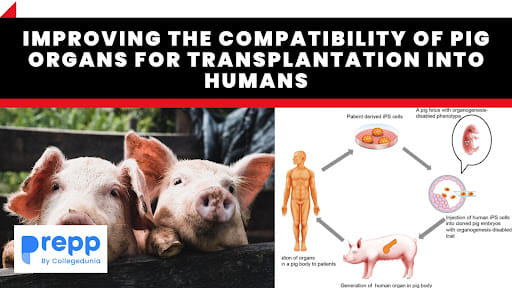
What is Xenotransplantation?
- Xenotransplantation involves transplanting organs from one species to another and was initially attempted in humans during the 1980s.
- One notable case involved Baby Fae, who received a baboon heart but faced significant challenges and ultimately led to the abandonment of such experiments.
- Nonetheless, pig heart valves have been successfully used in humans for over half a century.
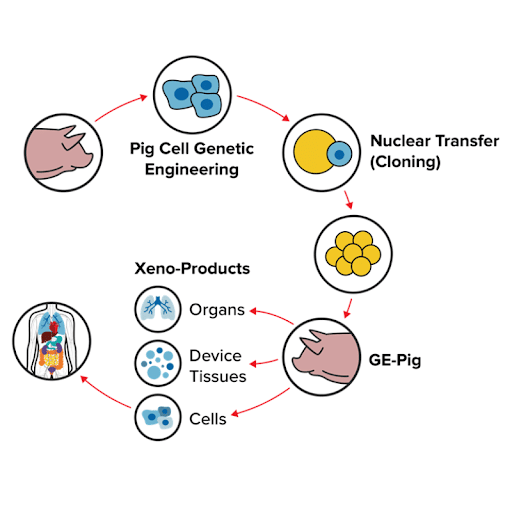
- Today, the focus has shifted to genetically engineered pigs as a potential solution to the organ shortage crisis, with the hope of providing a sustainable source of organs for transplantation.
Why are pigs most used for xenotransplantation?
- Rapid Growth: Pigs can reach adult human size in just six months, making them a practical source of organs.
- High Reproductive Rate: Pigs have large litters, which ensures a potentially unlimited supply of organs, tissues, and cells.
- Anatomical and Physiological Similarities: Pigs share significant similarities with humans in terms of organ anatomy and physiology, making them a suitable match for transplantation.
- Comparable Cardiac Function: Pig hearts exhibit cardiac output and stroke volume similar to those of humans, making them suitable for heart transplantation.
- Genetic Modifiability: Pigs can be genetically engineered to reduce the risk of rejection by the human immune system, increasing the likelihood of successful transplantation.
- Ethical Acceptance: Pigs are primarily raised for food, which raises fewer ethical concerns compared to using primates or other animals for organ procurement.
Issues with Xenotransplantation
- Animal Rights: Many individuals, including animal rights groups, oppose the idea of killing animals for the sole purpose of harvesting their organs for human use. This raises questions about the ethical treatment of animals and the potential for harm to them.
- Threats of Zoonosis: Xenotransplantation carries the potential risk of zoonotic diseases, which are diseases that can be transmitted from animals to humans.
- Immune Response: While genetic modifications can reduce the risk of organ rejection, the long-term effectiveness of immunosuppressive drugs and the potential for immune responses against the transplanted organs are important considerations.
- Religious Violations: Xenotransplantation involving certain animals, such as pigs, raises concerns in religions like Islam and others where consuming or using specific animals is strictly forbidden. This can conflict with religious beliefs and practices, creating ethical dilemmas.
Conclusion
- The recent breakthrough in xenotransplantation involving genetically modified pig kidney grafts represents a significant stride toward addressing the ongoing organ shortage crisis. Pigs are favored for their practicality, anatomy, and genetic adaptability.
- However, ethical and safety concerns, such as animal rights, zoonotic risks, and immune responses, must be carefully addressed.
- To move forward, a balanced approach that considers scientific progress and ethics is essential, alongside exploring other solutions like organ donation and regenerative medicine.
(*Click this link to read prelims specific weekly current affairs articles)
FAQs
Question: What is Xenotransplantation?
Answer:
Xenotransplantation, involves transplanting animal organs into humans, holds promise as a potential solution to the global shortage of organs for transplantation.
Question: What is Organ transplantation?
Answer:
Organ transplantation is a medical procedure in which an organ is removed from one body and placed in the body of a recipient, to replace a damaged or missing organ.
Question: What is Zoonosis?
Answer:
Zoonosis refers to diseases or infections that can be naturally transmitted from animals to humans. These diseases can be caused by bacteria, viruses, parasites, or other pathogens and can occur through direct contact with infected animals or their environment.
MCQ
Question: Consider the following statements: (UPSC 2020)
- Genetic changes can be introduced in the cells that produce eggs or sperms of a prospective parent.
- A person’s genome can be edited before birth at the early embryonic stage.
- Human induced pluripotent stem cells can be injected into the embryo of a pig.
Which of the statements given above is/are correct ?
(a) 1 only
(b) 2 and 3 only
(c) 2 only
(d) 1, 2 and 3
Answer: (d) See the Explanation
- Germline gene therapy is the replacement of genes in egg or sperm cells with which an offspring inherits a new trait. It allows for the correction of disease-causing gene variants that are certain to be passed down from generation to generation. Hence, statement 1 is correct.
- CRISPR (Clustered Regularly Interspaced Short Palindromic Repeats) technology is employed to modify human embryos before they are transferred into women’s uterus. Hence, statement 2 is correct.
- Due to certain anatomical and physiological features shared with humans, the pig is considered an important animal model of human diseases with unique advantages in surgery and xenotransplantation studies. Hence, statement 3 is correct.
Therefore, option (d) is the correct answer.
Download the PREPP App and attempt FREE IAS Exam Mock Tests and get complete study material!

Full Test - 04: UPSC CSE Prelims CSAT (Paper-II)
Full Test - 03: UPSC CSE Prelims CSAT (Paper-II)
UPSC CSE Prelims 2026 GS Paper 1 Question Paper (24-May-2026)
UPSC CSE Prelims 2026 CSAT Paper 2 Question Paper (24-May-2026)

17 February 2025 | The Hindu Must Read Articles | Current Affairs

16 February 2026 | The Hindu Must Read Articles | Current Affairs

13 February 2026 | The Hindu Must Read Articles | Current Affairs









Comments