Gramdan Movement - Agriculture Notes
The Gramdan movement's goal was to persuade landowners and leaseholders in each village to give up their land rights, with all lands becoming the property of a village association for egalitarian redistribution and joint cultivation. Under this movement, a village was designated as Gramdan if at least 75% of its residents with 51% of the land signed a letter of approval for Gramdan. Magroth, Haripur, Uttar Pradesh, was the first Gramdan village. This movement aimed to implement a "non-violent revolution" in India's land reform program. A cooperative approach was used to reorganize the land after locals pooled their land as part of the Gramdan movement. This article will explain to you Gramdan Movement which will be helpful in preparing the Agriculture Syllabus for the UPSC Civil Service exam.
|
Table of Contents |
Who was Acharya Vinoba Bhave?
- Acharya Vinoba Bhave, who was given the name Vinayak Narahari Bhave by his religious mother Rukmini Devi, was raised with a strong sense of spirituality by his parents, Narahari Rao and Rukmini Devi.
- Despite being an academically strong student, he was lured to spiritualism and asceticism since he had studied the Bhagavad Gita in his early years.
- Along with reading the texts, he studied Sanskrit and several regional languages.
- He was so moved by a newspaper article about Mahatma Gandhi's lecture at the recently established Benaras Hindu University that, while travelling to Bombay to take his intermediate exam, he set fire to his diplomas from high school and college.
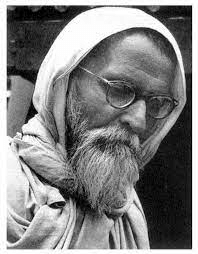
Acharya Vinoba Bhave
|
|
|
|---|---|
| Ceilings on Landholdings | Tenancy Reforms |
| Abolition of the Intermediaries(zamindari System) | Bhoodan Movement |
| Reasons for Failure of Land reforms | Cooperative Farming |
Gramdan Movement - Background
- The advanced stage of the Bhoodan movement is the Gramdan movement. It is the Bhoodan movement's most important advancement.
- This movement immediately took off on its own in the UP village of Mangroth in 1952.
- The residents of this town came together to give their entire village to society and live cooperatively.
- Only during and after Vinobaji's foot march through Orissa did it grow into a significant popular movement.
- On January 30, 1953, Manpur, in the Cuttack district, received Orissa's first Gramdan.
- By the time Vinobaji arrived in Orissa on January 26, 1955, 26 Gramdans had joined the campaign, which soon gained momentum in the Koraput district.
- The districts of Balasore, Mayurbhanj, Ganjam, and Sambalpur have also acquired a few gramdans.
What is Gramdan Movement?
- The Gramdan initiative involves giving an entire village to the community. There is no longer any private ownership of the land.
- The villagers cooperate to the best of their abilities and are given all they require.
- The surplus is used to enhance society as a whole.
- This movement is founded on the concepts of communism and collective ownership.
- The movement has spread beyond Orissa. However, it has also kept on spreading in the other States at the same time.
Need for Gramdan Movement
- 100 large landowners controlled 75% of the agricultural land.
- These landlords had no desire to engage in agriculture. They left the land in its natural state, which allowed grass to grow and profitably trade as fodder in Bombay.
- For a brief period of time during harvest, such "fodder farms" employed local tribal members as laborers. For the next months, they continued to be jobless and hungry.
- While the landlords barely made any effort or investment, they nevertheless generated a respectable profit.
Gramdan Movement - Basic Objectives
The following are the basic objectives on which the Gramdan Movement is built.
- Social Reorganisation
- Economic Progress
- Creating a new social structure based on cooperation and equality
- Grounded in the attitude of renouncing private property
- Based on communism and social ownership
Gramdan Movement - Mechanism
- The villagers must declare that they are giving the village's "Gram Sabha" ownership of all of their land.
- Ten to fifteen people will be unanimously nominated by the Gram Sabha/Village council to serve on an executive committee.
- The Executive Committee will be in charge of running the village on a daily basis.
- The Council will approve the Committee's decisions.
- In other words, the village's whole land and crops were owned and governed collectively by Gramdan, an organization similar to the Gram Sabha.
Gramdan Movement - Significance
- It aided in putting an end to illiteracy and interpersonal conflict.
- The dispute was resolved, and the parties continued to support and aid one another.
- Rural indebtedness was a problem that was resolved. Agriculture and the rural economy both improved.
- The morality bar was raised among people.
- It is a truth that the Adivasis, who have a long history of social cohesion, have seen the movement have more success.
Gramdan Movement - Challenges
- The villagers have not demonstrated a strong desire to donate to the entire community.
- People from different castes in India are unwilling to work together because of the caste system in place there.
- Local politics also had an impact.
- Few people are uneducated, thus they did not understand the significance of this program.
- They found it exceedingly challenging to abruptly alter their way of thinking and living.
Conclusion
The political support for the movement was widespread. Around 1969, the movement reached its zenith. However, it lost importance after 1969 as a result of the transition from a purely voluntary movement to a government-supported program. After Vinoba Bhave left the movement in 1967, the movement lost its mass base.
FAQs
Question: What was the Gramdan Movement?
Answer: The Gramdan Movement was a land reform movement launched in India during the 1950s, aimed at promoting the idea of land redistribution in favor of the landless and marginalized sections of society. Initiated by the renowned social reformer Vinoba Bhave, the movement focused on encouraging landowners to voluntarily donate a portion of their land to the landless peasants. The objective was to promote rural development, alleviate poverty, and empower the poor, thereby ensuring social justice and equality in rural areas. While the movement garnered some support, it did not lead to widespread land redistribution, primarily due to limited voluntary donations and resistance from landowners.
Question: Who was the key figure behind the Gramdan Movement?
Answer: Vinoba Bhave, a prominent follower of Mahatma Gandhi, was the key figure behind the Gramdan Movement. He was deeply influenced by Gandhi’s ideas on rural self-reliance and non-violence. Bhave believed in the idea of voluntary land donation as a means to empower the rural poor and promote economic equality. He started the movement in 1951 in the village of Pochampally in Andhra Pradesh and later expanded it to other parts of India. Bhave’s charismatic leadership and dedication to social reform helped bring the issue of land redistribution to the forefront, although the movement did not achieve its ultimate goal of large-scale land redistribution.
Question: What were the main objectives of the Gramdan Movement?
Answer: The Gramdan Movement had the following main objectives:
- Land Redistribution: To encourage the donation of surplus land by landowners to landless peasants to reduce inequality and promote social justice.
- Empowerment of the Rural Poor: To provide the landless peasants with the means for economic independence, thereby improving their living standards and economic security.
- Promoting Rural Development: To ensure the economic and social development of rural areas through equitable distribution of land and resources.
- Non-Violent Social Change: To bring about social and economic reforms through voluntary and peaceful means, in line with Gandhian principles.
Question: How successful was the Gramdan Movement in achieving its goals?
Answer: While the Gramdan Movement did raise awareness about the issues of landlessness and inequality in rural India, it was not very successful in achieving its main goal of widespread land redistribution. The movement saw some limited success, especially in certain regions like Bihar, Uttar Pradesh, and Maharashtra, where landowners voluntarily donated land. However, the response from landowners was lukewarm, and the movement faced several challenges, including resistance from entrenched landowning classes, the lack of a legal framework to enforce land redistribution, and the absence of effective government support. Ultimately, the movement did not result in substantial changes in land ownership, but it did inspire future land reform efforts in India.
Question: How did the Gramdan Movement contribute to land reform in India?
Answer: Although the Gramdan Movement did not achieve significant land redistribution, it played an important role in highlighting the need for land reform in India. The movement emphasized the importance of social justice and equality in rural areas and brought attention to the plight of the landless. It laid the groundwork for future land reform movements and policies in India. The movement also contributed to the broader debate on economic disparities and the need for institutional changes to address poverty. It inspired the later Bhoodan Movement and various government-led initiatives aimed at land reforms, such as the Land Ceiling Acts and efforts to redistribute surplus land.
MCQs
1. Who was the leader of the Gramdan Movement?
A) Mahatma Gandhi
B) Jawaharlal Nehru
C) Vinoba Bhave
D) Sardar Vallabhbhai Patel
Answer: (C) See the Explanation
Explanation: The Gramdan Movement was led by Vinoba Bhave, who was a close associate of Mahatma Gandhi and a prominent Gandhian social reformer.
2. In which year did the Gramdan Movement begin?
A) 1947
B) 1951
C) 1955
D) 1960
Answer: (B) See the Explanation
Explanation: The Gramdan Movement began in 1951 in the village of Pochampally, Andhra Pradesh, with Vinoba Bhave leading the campaign for land redistribution.
3. Which of the following was a primary objective of the Gramdan Movement?
A) Industrialization of rural areas
B) Land redistribution to the landless
C) Urban development
D) Providing jobs to the unemployed
Answer: (B) See the Explanation
Explanation: The primary objective of the Gramdan Movement was to encourage landowners to donate part of their land to the landless in order to achieve equitable land distribution.
4. What was a major challenge faced by the Gramdan Movement?
A) Lack of support from the government
B) Resistance from landowners
C) Lack of awareness among rural populations
D) Limited media coverage
Answer: (B) See the Explanation
Explanation: One of the major challenges faced by the Gramdan Movement was resistance from landowners who were unwilling to voluntarily give up their land, hindering the success of the land redistribution effort.
5. Which social reformer inspired the Gramdan Movement?
A) B.R. Ambedkar
B) Mahatma Gandhi
C) Subhas Chandra Bose
D) Jawaharlal Nehru
Answer: (B) See the Explanation
Explanation: The Gramdan Movement was inspired by the principles of Mahatma Gandhi, particularly his emphasis on non-violence, rural self-reliance, and social justice.
GS Mains Questions and Model Answers
Q1: Discuss the objectives and challenges of the Gramdan Movement in India. How did it contribute to land reform debates in post-independence India?
Answer: The Gramdan Movement was initiated with the objective of promoting land redistribution from the landowners to the landless in rural India, thereby ensuring social justice and equality. Its goals included empowering the rural poor, fostering economic independence, and alleviating poverty through equitable land distribution. However, the movement faced significant challenges, including resistance from landowners, lack of a strong legal framework to enforce land redistribution, and limited government support. Despite these challenges, the movement brought attention to the issue of landlessness and the disparities in land ownership, contributing to the larger discourse on land reforms in post-independence India. It inspired later efforts such as the Bhoodan Movement and influenced land reform policies such as the Land Ceiling Acts, though it did not result in large-scale land redistribution.
Q2: Analyze the impact of Vinoba Bhave's leadership on the Gramdan Movement. How did his Gandhian philosophy shape the movement's approach?
Answer: Vinoba Bhave’s leadership was pivotal to the Gramdan Movement, as he embodied the Gandhian principles of non-violence, truth, and rural self-sufficiency. Bhave’s approach was rooted in the belief that social justice could be achieved through voluntary means, rather than forceful interventions. His personal integrity and commitment to the cause inspired many landowners to donate land, albeit on a small scale. Bhave’s advocacy for peaceful, non-coercive means of land redistribution shaped the movement's strategy, focusing on moral persuasion rather than political activism. While the movement did not achieve its ultimate goal of large-scale land redistribution, it raised awareness of landlessness and the need for land reforms, contributing to the broader debate on rural poverty and social equity in India.
Q3: How did the Gramdan Movement influence the socio-economic structure of rural India? Discuss its legacy in terms of land reforms.
Answer: The Gramdan Movement had a limited but important impact on the socio-economic structure of rural India. While it did not lead to widespread land redistribution, it brought attention to the vast disparities in land ownership and highlighted the issue of landlessness in rural areas. The movement helped spark debates on land reform and contributed to the development of policies aimed at addressing these inequalities, such as the Land Ceiling Acts. Although the Gramdan Movement did not lead to large-scale changes, it laid the groundwork for future efforts at land reform, including the Bhoodan Movement and government-led land redistribution schemes. Its legacy is seen in the ongoing struggles for social justice and rural development in India, particularly in the context of land rights and access to resources for marginalized communities.
Previous Year Questions on Gramdan Movement
1. UPSC CSE Prelims 2021:
Question: Who was the leader of the Gramdan Movement?
A) Mahatma Gandhi
B) Vinoba Bhave
C) Jawaharlal Nehru
D) Sardar Vallabhbhai Patel
Answer: (B)
Explanation: Vinoba Bhave was the leader of the Gramdan Movement, which aimed at land redistribution and social justice for the rural poor in India.
2. UPSC CSE Mains 2019 (GS Paper 2):
Question: "Discuss the Gramdan Movement in the context of rural land reforms. What were its successes and limitations?"
Answer: The Gramdan Movement, led by Vinoba Bhave, sought to redistribute land from the rich to the landless. While it succeeded in raising awareness about land inequality, it faced challenges such as resistance from landowners and a lack of enforcement mechanisms. Despite limited success, it inspired the larger Bhoodan Movement and contributed to the ongoing discussions on land reforms in India, setting the stage for future policy changes aimed at reducing rural inequality.
Download the PREPP App and attempt FREE IAS Exam Mock Tests and get complete study material!

Full Test - 04: UPSC CSE Prelims CSAT (Paper-II)
Full Test - 03: UPSC CSE Prelims CSAT (Paper-II)
UPSC CSE Prelims 2026 GS Paper 1 Question Paper (24-May-2026)
UPSC CSE Prelims 2026 CSAT Paper 2 Question Paper (24-May-2026)

17 February 2025 | The Hindu Must Read Articles | Current Affairs

16 February 2026 | The Hindu Must Read Articles | Current Affairs

13 February 2026 | The Hindu Must Read Articles | Current Affairs









Comments