Zero Tillage (No Tillage) - Types of Tillage - Agriculture Notes
Zero tillage is the process of sowing crop seed with drillers without first preparing the land or disturbing the soil where previous crop stubbles are present. Zero tillage not only reduces cultivation costs, but it also reduces soil erosion, crop duration, irrigation requirements, and weed effect, which is superior to tillage. Zero Tillage (ZT), also known as No Tillage or Nil Tillage, is a type of agricultural practice. This article will explain to you about Zero tillage (No tillage) which will help prepare the Agriculture Syllabus for the UPSC Civil Service exam.
|
Table of Contents |
What is Zero Tillage (No Tillage)?
- Zero tillage farming is an agricultural practice in which the topsoil of a field is not tilled after harvesting a specific crop and a new crop is sown within the remnants of the previous crop.
- The method is especially important in light of recent stubble burning incidents to clear crop remnants.
- Zero-tilling farming, also known as no-tillage or direct drilling, is a farming technique that involves growing crops or pasture without disturbing the soil through tillage.
- The soil is left undisturbed except for the placement of the seeds in the desired position for germination.
- Masanobu Fukuoka, a Japanese farmer, is credited with pioneering zero-till farming.
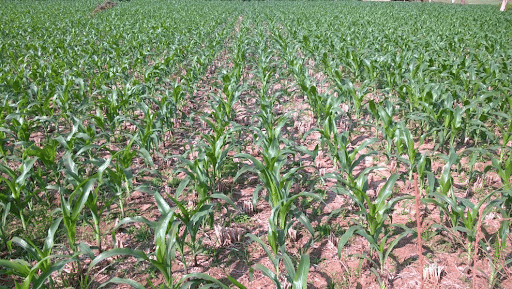
Zero Tillage
|
|
|
|---|---|
| Tillage | Clean tillage |
| Types of tillage | Blind tillage |
Zero Tillage in India
- Farmers in India began using the no-till approach in the 1960s.
- In the Indo-Gangetic plains, where rice-wheat cropping is practiced, the zero-tillage system is used.
- Wheat will be planted without any intervention after the rice harvest.
- Hundreds of farmers are using the same system to increase yields and profits while lowering cultivation costs.
- The southern districts of Andhra Pradesh state, such as Guntur and some parts of West Godavari, use the Zero tilling system in rice-maize cropping.
- The machinery used to drill seed in uncultivated land is critical to the success of zero tillage.
- During the Kharif season, zero tillage works best for direct-seeded rice, maize, soybean, cotton, pigeonpea, mungbean, clusterbean, pearl millet, and wheat; barley, chickpea, mustard, and lentil during the rabi season.
Zero Tillage (No Tillage) - Working
- For the upcoming planting season, the leftovers from the previous harvest are left on top of the field.
- Remains from the previous harvest are spread across the farm to help prevent the soil from being harmed by the sun, frost, or other activities on the farm.
- In no-tillage farming, the soil is typically not tilled at all; all that is required is to spread the harvest's residue on the field and wait for planting season.
- Green cover crops are frequently sown during no-tillage planting to cover the fields while the primary crop is being prepared for planting.
- Any machinery used in no-till farming must be carefully planned and considered.
- Crop watering is not always necessary in no-tillage farming because the residue spread on the field prevents soil moisture from evaporating.
- Additionally, it has more water in it than the last time it rained on the field.
Advantages of Zero Tillage
- It allows the soil structure to be preserved.
- It also helps to protect the soil by leaving crop residue on the surface.
- The natural structure of the soil is disturbed by tilling, especially if it is done frequently.
- The disruption causes some carbon to be released, which is necessary for the development and growth of soil organisms.
- It is an advantage related to the microbes and other creatures that live in the soil and are essential to its health. Tilling has the potential to kill or disturb these living organisms.
- Because of this, no-till farming ensures that these organisms flourish, the soil improves, and it has the nutrients and water required for growing crops overall.
- Additionally, it prevents pollution from entering nearby water sources.
- In no-till farming, crop residues are all left on the field's surface rather than being ploughed under to create more soil nutrients.
- These organic materials absorb water or facilitate the field's easier absorption of it, which lowers evaporation and lessens runoff.
- Because no-tilling reduces evaporation, it improves rainwater absorption and irrigation efficiency. This would result in higher yields, particularly in hot and dry climates.
- No-till farming also saves money on labor, irrigation, fuel, and machinery.
Issues of Zero tillage
- Gullies may potentially get deeper every year if there hasn't been any tilling for a while.
- This is due to the fact that the field is not being continuously tamed, which hides how much erosion actually occurs.
- No-till farming may actually help slow down weeds that grow quickly. However, most weeds continue to grow in no-till farms and need to be controlled with herbicides.
- There is no data on how these chemicals will eventually affect animals and people who consume them; continued use of such chemicals could be disastrous for the soil, air, and nearby water bodies.
- Most people prefer to continue using conventional tillage and consider no-till farming to be unjust or unworkable.
- The benefits of no-till farming may not be realized for some time in certain regions. For instance, if a farm has not been farmed for decades, it will take some time—even after just one season—to see some improvements in yields.
- Traditionally, crops have been grown in fields, which are then used for grazing or bailing.
- When a farmer opts to practice no-till farming, they are unable to use their fields for raising grass crops or providing benefits to livestock.
Conclusion
Natural resources are valuable and must be used effectively and sustainably. In this scenario, zero tillage is a potential technology. Although the disadvantage of using non-selective herbicides is greater, it has less of an impact than conventional farming methods. More returns can be obtained with zero tillage, and crops can be grown on time and with higher yields. Zero tillage has been shown to reduce farm-related greenhouse gas emissions by more than 75% and has generated profits for farmers.
FAQs
Question: What is Zero Tillage in agriculture?
Answer: Zero tillage, also known as no-till farming, is a type of agricultural practice where the soil is left undisturbed and crops are planted directly into the residue of previous crops. This method eliminates the need for plowing, which is the traditional method of tillage. Zero tillage helps conserve soil moisture, reduce erosion, and improve soil health by maintaining the structure of the soil. It also leads to reduced fuel and labor costs associated with traditional tilling methods.
Question: How does zero tillage benefit the environment?
Answer: Zero tillage provides several environmental benefits:
- Soil Conservation: It reduces soil erosion by leaving crop residue on the field, which helps protect the soil from wind and water erosion.
- Water Retention: By leaving the soil undisturbed, zero tillage helps in better water infiltration and retention, thus reducing the need for irrigation.
- Carbon Sequestration: The practice helps in increasing organic matter in the soil, which can trap carbon, helping mitigate climate change.
Question: What is the difference between zero tillage and no tillage?
Answer: Zero tillage and no tillage are terms that are often used interchangeably, but they refer to slightly different practices:
- Zero Tillage: In zero tillage, the soil is not tilled at all before planting. The crop is sown directly into the soil without disturbing the soil structure.
- No Tillage: No tillage refers to the absence of tilling, but sometimes it involves minimal disturbance of the soil surface before planting. This is different from zero tillage, where no soil disturbance occurs whatsoever.
Question: What are the main types of tillage?
Answer: The main types of tillage include:
- Conventional Tillage: Involves plowing the soil to prepare the seedbed, which is the traditional method of tillage.
- Conservation Tillage: A less disruptive method than conventional tillage, conservation tillage leaves some crop residues on the field to reduce soil erosion and improve soil health.
- Zero Tillage: As discussed, zero tillage involves no plowing or soil disturbance, preserving soil structure and organic matter.
- Reduced Tillage: This method reduces the amount of soil disturbance by using less intensive tilling equipment or techniques.
Question: What are the challenges of adopting zero tillage in agriculture?
Answer: While zero tillage has many benefits, it also presents some challenges:
- Initial Setup Cost: The transition to zero tillage may require farmers to invest in new equipment such as seed drills.
- Weed Management: Without tilling, weeds may be more difficult to control, requiring alternative methods such as herbicide use or crop rotation.
- Soil Compaction: Over time, zero tillage may cause soil compaction if not managed properly, reducing water infiltration and root growth.
- Adaptation Period: Farmers may need time to adjust to the new practices and understand the long-term benefits of zero tillage.
MCQs
1. Which of the following is a benefit of zero tillage?
A) Increased soil erosion
B) Reduced water retention
C) Improved soil structure
D) Higher fuel costs
Answer: (C) See the Explanation
Explanation: Zero tillage improves soil structure by reducing soil disturbance, which helps retain moisture and reduce soil erosion.
2. What is the primary feature of no tillage farming?
A) Plowing is done before planting
B) Soil is left undisturbed
C) Crop residues are burned
D) Fertilizers are applied extensively
Answer: (B) See the Explanation
Explanation: In no tillage farming, the soil is left undisturbed, and crops are planted directly into the residue from the previous crop.
3. Which of the following is NOT a type of tillage?
A) Conventional Tillage
B) Reduced Tillage
C) Zero Tillage
D) Organic Tillage
Answer: (D) See the Explanation
Explanation: While conventional, reduced, and zero tillage are recognized types, "organic tillage" is not a standard classification of tillage.
4. Zero tillage helps in which of the following?
A) Increased soil fertility
B) Prevention of soil compaction
C) Loss of soil nutrients
D) Higher water evaporation
Answer: (B) See the Explanation
Explanation: Zero tillage prevents soil compaction by maintaining soil structure, which helps improve water infiltration and root growth.
5. Which of the following is a challenge of zero tillage?
A) Soil erosion
B) Weed control
C) Increased soil fertility
D) Low initial setup cost
Answer: (B) See the Explanation
Explanation: One of the challenges of zero tillage is managing weeds, as tilling is typically used to control weed growth.
GS Mains Questions and Model Answers
Q1: Discuss the environmental advantages and challenges of adopting zero tillage farming in India.
Answer: Zero tillage farming offers several environmental advantages, including reduced soil erosion, improved water retention, and enhanced carbon sequestration. By leaving the soil undisturbed, zero tillage reduces the loss of topsoil and prevents water runoff, which is particularly beneficial in regions prone to heavy rainfall. The practice also helps retain organic matter and moisture, reducing the need for irrigation. However, there are challenges associated with adopting zero tillage, such as higher initial setup costs, difficulties in weed control, and the potential for soil compaction if not managed properly. Despite these challenges, zero tillage is an effective sustainable farming practice that can help improve soil health and reduce environmental degradation.
Q2: How do zero tillage and conventional tillage differ in their impact on soil health and crop production?
Answer: Zero tillage differs from conventional tillage in its approach to soil disturbance. Conventional tillage involves plowing the soil before planting, which can lead to soil degradation, increased erosion, and loss of organic matter. In contrast, zero tillage leaves the soil undisturbed, which helps preserve soil structure, increases organic matter, and reduces soil erosion. While conventional tillage may provide immediate benefits in terms of weed control and seedbed preparation, zero tillage supports long-term soil health by maintaining moisture, increasing biodiversity, and reducing the need for external inputs like fertilizers and irrigation. However, zero tillage may initially require adaptation and effective weed management techniques to be fully successful.
Q3: Analyze the role of zero tillage in improving water use efficiency in agricultural practices.
Answer: Zero tillage improves water use efficiency by maintaining the natural structure of the soil, which facilitates better water infiltration and reduces water runoff. By leaving crop residues on the surface, zero tillage helps create a protective cover that reduces evaporation, allowing more water to be retained in the soil. This is particularly beneficial in areas with limited water availability, as it reduces the need for frequent irrigation. Additionally, zero tillage promotes the development of deeper root systems, which are better able to access water stored deeper in the soil, further improving water use efficiency. As a result, zero tillage can be a key practice in drought-prone areas and regions where water conservation is critical.
Previous Year Questions on Zero Tillage
1. UPSC CSE Prelims 2021:
Question: Zero tillage farming is known for which of the following benefits?
A) Increased soil compaction
B) Reduced soil erosion
C) Increased water evaporation
D) High labor requirement
Answer: (B)
Explanation: Zero tillage farming reduces soil erosion by leaving the soil undisturbed and conserving the natural structure of the soil.
2. UPSC CSE Mains 2020 (GS Paper 3):
Question: "What are the advantages and challenges of adopting zero tillage in Indian agriculture?"
Answer: Zero tillage offers environmental and economic advantages, such as improved soil health, reduced erosion, and better water retention. However, challenges include the need for specialized equipment, difficulty in controlling weeds, and potential for soil compaction if not managed properly. Despite these challenges, the practice promotes sustainable agriculture and can help mitigate the negative impacts of traditional farming practices on the environment.
Download the PREPP App and attempt FREE IAS Exam Mock Tests and get complete study material!

Full Test - 04: UPSC CSE Prelims CSAT (Paper-II)
Full Test - 03: UPSC CSE Prelims CSAT (Paper-II)
UPSC CSE Prelims 2026 GS Paper 1 Question Paper (24-May-2026)
UPSC CSE Prelims 2026 CSAT Paper 2 Question Paper (24-May-2026)

17 February 2025 | The Hindu Must Read Articles | Current Affairs

16 February 2026 | The Hindu Must Read Articles | Current Affairs

13 February 2026 | The Hindu Must Read Articles | Current Affairs









Comments