Primary Sector – Indian Economy Notes
The primary sector, often referred to as the agricultural sector, forms the bedrock of any economy, providing the essential resources necessary for human survival and industrial activities. It encompasses activities related to extracting natural res ources and producing raw materials, laying the groundwork for economic development. Agriculture, forestry, fishing, mining, oil, and gas extraction are some examples of primary sectors. The topic “Primary Sector” is one of the important topics in the UPSC/IAS 2023 Economy syllabus which is discussed in this article in detail.
|
Table of Contents |

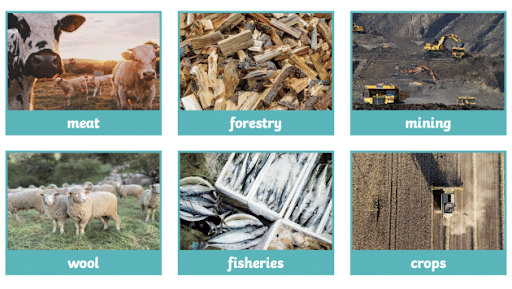
What is the Primary Sector of the Economy?
- The primary sector encompasses activities directly tied to the extraction of natural resources from the earth, water, and air.
- It forms the foundation for subsequent economic activities.
- Agriculture, mining, forestry, and fishing stand as core activities within the primary sector, each contributing to a nation's resource base and livelihoods.
- Due to the outdoor nature of their jobs, those who work in the primary sector are known as red-collar workers.
- The primary sector often dominates in the majority of underdeveloped nations.
- Increased labor productivity allows workers to quit the agriculture sector and shift to other sectors such as manufacturing and services as an economy develops.
- It is also known as the Agriculture and Allied Sector since agriculture, dairy, forestry, and fishing provide the majority of the natural items we consume.
| Other Relevant Links | |
|---|---|
| Secondary Sector | Tertiary Sector |
| Quaternary Sector | Quinary Sector |
Examples of Primary Sector

The primary sector encompasses activities related to natural resource extraction and raw material production. Here are some examples of activities that fall under the primary sector:
Agriculture
- Crop cultivation: Growing of crops like wheat, rice, corn, and vegetables.
- Horticulture: Cultivation of fruits, flowers, and ornamental plants.
- Animal husbandry: Rearing of livestock such as cattle, poultry, and sheep.
- Fisheries: Catching and farming of fish and other aquatic organisms.
Forestry
- Logging: Harvesting of timber and wood products from forests.
- Silviculture: Management of forests for timber production, conservation, and environmental purposes.
Mining and Quarrying
- Extraction of minerals and ores, including coal, iron ore, gold, and limestone.
- Quarrying of stone, sand, and gravel for construction and industrial purposes.
Oil and Gas Extraction
- Drilling and extraction of crude oil and natural gas from reserves in the earth's crust.
Fishing
- Commercial fishing involving the capture of fish, shellfish, and other aquatic organisms from oceans, rivers, and lakes.
Dairy Farming
- Rearing of dairy animals like cows and goats for the production of milk and dairy products.
Poultry Farming
- Rearing of poultry birds like chickens and ducks for meat and egg production.
Plantation Agriculture
- Cultivation of cash crops such as tea, coffee, rubber, and sugarcane on large estates or plantations.
Apiculture
- Beekeeping for the production of honey and other bee-related products.
Sericulture
- Cultivation of silkworms for the production of silk, a valuable textile material.
Mining of Precious Stones
- Extraction of gemstones like diamonds, emeralds, rubies, and sapphires from mines.
Aquaculture
- Farming of aquatic organisms like fish, shrimp, and mollusks in controlled environments such as ponds and tanks.
Hunting and Gathering
- Traditional practices involving the collection of wild plants, fruits, and game for subsistence.
Logging and Timber Production
- Harvesting of timber and wood products for construction, furniture, and paper industries.
Agriculture Support Services
- Farm machinery and equipment manufacturing.
- Seed production and distribution.
- Fertilizer and pesticide manufacturing.
Primary Sector - Advantages
Essential Resource Generation
- The primary sector is responsible for extracting essential natural resources, including minerals, metals, fossil fuels, and timber.
- These resources serve as the foundation for various industrial processes and manufacturing activities.
- It provides the raw materials necessary for the production of goods in the secondary sector, contributing to the growth of industries such as manufacturing, construction, and energy production.
Food Security and Sustenance
- The primary sector, particularly agriculture, is a crucial source of food production.
- It provides the essential crops, livestock, and fisheries products required for human consumption.
- Agriculture ensures food security by meeting the nutritional needs of the population and stabilizing food prices in the market.
Employment Generation
- The primary sector is a major source of employment, especially in developing economies where a significant portion of the population is engaged in agricultural activities.
- It absorbs labor from rural areas, contributing to rural livelihoods and reducing urban migration.
Rural Development
- The primary sector plays a pivotal role in rural development by providing income and sustenance to rural populations.
- It contributes to the growth of rural economies, stimulates local markets, and supports various ancillary activities such as transportation, storage, and processing.
Export Potential
- Many countries with a strong primary sector have the potential to export surplus agricultural and natural resource products, contributing to foreign exchange earnings.
- Exporting primary sector products can enhance a nation's trade balance and strengthen its economy.
Sustainable Resource Management
- The primary sector is closely linked to the concept of sustainable resource management.
- Responsible practices, such as reforestation, soil conservation, and efficient water use, help ensure the long-term availability of resources.
Cultural and Traditional Importance
- In many cultures, agricultural practices are deeply rooted in tradition and heritage.
- The primary sector often holds cultural significance, reflecting the values and identity of a community.
Basis for Industrialization
- The primary sector provides the necessary raw materials for industrialization.
- Without a strong primary sector, industrial growth may be hindered due to a lack of inputs.
Poverty Alleviation
- A robust primary sector can play a crucial role in poverty alleviation by providing income and employment opportunities to marginalized and rural communities.
Environmental Stewardship
- Sustainable practices in the primary sector, such as organic farming and responsible resource extraction, contribute to environmental conservation and biodiversity preservation.
Primary Sector - Issues
Dependence on Monsoons
- Agricultural activities in many regions, particularly in developing countries, are heavily dependent on monsoon rains for irrigation.
- Irregular or inadequate rainfall can lead to droughts and crop failures, impacting agricultural productivity and food security.
Fragmented Landholdings
- In several developing countries, land is often fragmented into small plots due to inheritance laws and population growth.
- Small landholdings limit economies of scale, making mechanization and efficient farming practices difficult to implement.
Lack of Technological Adoption
- The primary sector often lags behind in the adoption of modern agricultural technologies, leading to lower productivity.
- Lack of access to mechanized tools, improved seeds, and efficient irrigation systems hampers progress.
Low Productivity
- Productivity levels in agriculture can be relatively low due to factors such as outdated farming practices, limited access to credit and markets, and inadequate infrastructure for storage and transportation.
Seasonal Unemployment
- Agriculture is often characterized by seasonal employment, where labor demand fluctuates with planting and harvesting seasons.
- This can lead to underemployment and unemployment during off-seasons.
Environmental Degradation
- Unsustainable agricultural practices, such as excessive use of fertilizers and pesticides, can lead to soil erosion, water pollution, and depletion of natural resources, negatively impacting the environment.
Price Volatility
- Agricultural commodities are subject to price volatility due to factors like weather conditions, global market trends, and supply-demand imbalances.
- Fluctuating prices can affect farmers' income and financial stability.
Lack of Infrastructure
- Inadequate storage facilities, transportation networks, and market linkages can result in post-harvest losses, reduced market access, and increased transaction costs for farmers.
Lack of Access to Credit
- Many small-scale farmers face challenges in accessing formal credit facilities.
- Limited credit availability restricts their ability to invest in modern inputs and technologies.
Climate Change Vulnerability
- Climate change poses significant threats to the primary sector, including changes in precipitation patterns, temperature extremes, and the increased frequency of extreme weather events.
Lack of Value Addition
- The primary sector often lacks value-addition processes, such as processing and packaging, which could enable farmers to earn higher incomes by selling processed products.
Migration to Urban Areas
- Due to challenges in the primary sector, rural populations, especially the youth, often migrate to urban areas in search of better opportunities, leading to a decrease in the agricultural workforce.
Monopoly power
- One issue with relying on the primary sector is that wealth is frequently distributed unequally.
- For example, a small number of companies establish monopoly power over the manufacturing of raw materials and pay their employees only a small portion of the profit.
- Despite having abundant raw supplies, many African developing countries have remained impoverished. A substantial primary sector is insufficient to drive economic development on its own.
Dutch Disease
- If primary products are highly profitable, resources will be diverted from other manufacturing industries and concentrated solely on primary industries.
- The issue is that when raw materials become scarce or the industry declines, the economy lacks broad diversification.
- This is referred to as the "Dutch disease" or "resource curse."
Conclusion
The primary sector stands as the cornerstone of economic growth, serving as the source of essential resources that support livelihoods and industrial activities. India's agricultural landscape, marked by its diversity and challenges, is a testament to the sector's enduring significance. As the nation strives to overcome obstacles and enhance productivity, the primary sector's role in fostering rural development, generating employment, and ensuring food security remains indispensable.
| Other Relevant Links | |
|---|---|
| Indian Economics Notes | Sectors of Indian Economy |
| What is Economics | Micro Economics |
| Economic Systems | Macro Economics |
FAQs
Question: What is the primary sector?
Answer: The primary sector involves the extraction and harvesting of natural resources such as agriculture, mining, forestry, fishing, and dairy farming. It is the foundation of any economy, providing raw materials for the secondary and tertiary sectors.
Question: Why is the primary sector important to India's economy?
Answer: The primary sector, especially agriculture, is the backbone of India's economy, employing over 50% of the workforce and providing essential raw materials for industries. It also plays a key role in ensuring food security and rural development.
Question: What are some challenges faced by the primary sector in India?
Answer: The primary sector in India faces challenges such as dependence on monsoons, fragmented landholdings, outdated technology, low productivity, and the impacts of climate change. These issues limit growth and efficiency in the sector.
Question: How does climate change impact the primary sector?
Answer: Climate change affects the primary sector by altering rainfall patterns, increasing the frequency of extreme weather events, and causing temperature fluctuations. This leads to reduced agricultural yields, water scarcity, and increased vulnerability of farmers.
Question: How can the primary sector contribute to sustainable development?
Answer: The primary sector can contribute to sustainable development through practices such as organic farming, sustainable forestry, efficient water use, and responsible mining. These methods help conserve resources while maintaining economic productivity.
MCQs
1. Which of the following is an example of a primary sector activity?
A) Banking
B) Iron ore extraction
C) Textile manufacturing
D) Retail services
Answer: (B) See the Explanation
Explanation: Iron ore extraction is a primary sector activity, as it involves the extraction of natural resources. Banking and retail belong to the tertiary sector, and textile manufacturing is part of the secondary sector.
2. Which sector is the largest employer in India?
A) Primary sector
B) Secondary sector
C) Tertiary sector
D) Quaternary sector
Answer: (A) See the Explanation
Explanation: The primary sector, particularly agriculture, employs more than 50% of India's workforce, making it the largest employer in the country.
3. Which challenge is commonly associated with the primary sector in developing countries?
A) High productivity
B) Urbanization
C) Dependence on monsoons
D) Industrialization
Answer: (C) See the Explanation
Explanation: In many developing countries, agriculture is heavily dependent on monsoon rains. This leads to vulnerability in production, as erratic rainfall can affect crop yields.
4. What is the primary sector's contribution to India's GDP?
A) 10%
B) 18%
C) 25%
D) 40%
Answer: (B) See the Explanation
Explanation: The primary sector contributes around 18% to India's GDP, with agriculture being a major contributor, despite employing a large percentage of the workforce.
5. Which of the following is a primary sector product?
A) Software
B) Electricity
C) Wheat
D) Automobile
Answer: (C) See the Explanation
Explanation: Wheat is a product of the primary sector, which involves the cultivation and harvesting of crops. Software and automobiles belong to the tertiary and secondary sectors, respectively.
GS Mains Questions and Model Answers
Q1: Analyze the significance of the primary sector in India's economy. How does it contribute to employment and GDP?
Answer: The primary sector is crucial for India's economy, contributing to about 18% of GDP and employing over half of the workforce. Agriculture, mining, forestry, and fishing are key contributors, providing essential raw materials for industries and ensuring food security. Although its share in GDP has declined over time, it remains vital for rural development, export potential, and livelihood generation in rural areas.
Q2: Discuss the challenges faced by the primary sector in India. Suggest measures to overcome these challenges.
Answer: The primary sector in India faces challenges such as low productivity, reliance on monsoons, fragmented landholdings, and limited access to technology. To overcome these, measures like increasing irrigation coverage, adopting modern technology, improving access to credit, and ensuring better market linkages are essential. Government initiatives like the PM-Kisan scheme and crop insurance can also help mitigate risks faced by farmers.
Q3: Examine the role of climate change in affecting the productivity of the primary sector in India. What steps can be taken to mitigate its impact?
Answer: Climate change affects the primary sector through irregular rainfall, droughts, floods, and temperature extremes, reducing agricultural productivity. Steps like promoting climate-resilient crops, investing in water conservation techniques, expanding irrigation infrastructure, and adopting sustainable farming practices are necessary to mitigate these effects. Programs like the National Mission for Sustainable Agriculture are aimed at helping farmers adapt to climate change.
Previous Year Questions on Primary Sector
1. UPSC CSE Prelims 2021:
Question: Which of the following activities belongs to the primary sector?
A) Software development
B) Cotton farming
C) Automobile manufacturing
D) Retail services
Answer: (B)
Explanation: Cotton farming is part of the primary sector, as it involves the cultivation of crops. Software development and retail services are part of the tertiary sector, while automobile manufacturing belongs to the secondary sector.
2. UPSC CSE Mains 2020 (GS Paper 3):
Question: "Critically examine the importance of the primary sector in India's economic structure. What are the major challenges it faces, and how can they be addressed?"
Answer: The primary sector is essential for India's economic structure, contributing to GDP and employment, especially in rural areas. However, challenges such as low productivity, climate vulnerability, and poor infrastructure hinder growth. Solutions include adopting modern farming techniques, improving rural infrastructure, ensuring access to credit, and implementing climate-resilient agricultural practices. Government policies like Pradhan Mantri Fasal Bima Yojana aim to protect farmers from these risks.
Download the PREPP App and attempt FREE IAS Exam Mock Tests and get complete study material!

Full Test - 04: UPSC CSE Prelims CSAT (Paper-II)
Full Test - 03: UPSC CSE Prelims CSAT (Paper-II)
UPSC CSE Prelims 2026 CSAT Paper 2 Question Paper (24-May-2026)
UPSC CSE Prelims 2026 GS Paper 1 Question Paper (24-May-2026)

17 February 2025 | The Hindu Must Read Articles | Current Affairs

16 February 2026 | The Hindu Must Read Articles | Current Affairs

13 February 2026 | The Hindu Must Read Articles | Current Affairs









Comments