Climatology - Geography notes
Climatology is the scientific study of climate and how it changes over time is defined as the average weather conditions over time. This science aids people in comprehending the atmospheric conditions that generate weather patterns and temperature fluctuations over time. The topics such as Atmosphere, its composition, and structure, Insolation, Heat Budget, Elements of Weather and Climate are briefly explained in the context of the examination. Climatology is a very important concept in the syllabus of the UPSC examination.
|
Table of Contents |
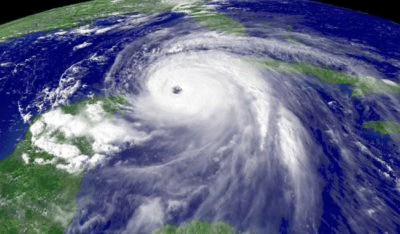
Climatology
Objectives of Studying Climatology
- To figure out what the climate will be like in the future.
- The use of latitude to determine the chance of snow and hail reaching the surface.
- To gain a better understanding of the atmospheric conditions that cause changes in weather patterns and temperature over time.
|
|
|
|---|---|
| Insolation and Heat Budget | Composition of the Atmosphere |
| Elements of Weather and Climate | Structure of the Atmosphere |
Topics under Climatology in UPSC Syllabus
In UPSC Mains syllabus, Physical geography has a sub-topic called climatology.
- Atmosphere
- Temperature Distribution
- Jet Streams
- Pressure & Wind Systems
- Air Masses
- Fronts
- Cyclones
- Humidity
- Precipitation
- Geographical Phenomenon
- Climatic Regions of the World
Significance
- Climatology aids in the prediction of future climate conditions.
- The likelihood of snow and hail reaching the surface can be determined.
- It helps in determining how much solar thermal energy is available in a given area.
Conclusion
Climatology is the foundation for weather and climate forecasting. In recent years, this branch has attained increased relevance. Climate variability and change must be linked to the growth of the global population, the need for food, and the degradation of the environment.
|
|
|
|---|---|
| Geography Notes | Physical Geography |
| Atmosphere | Geomorphology |
| Drainage Systems | Lakes and Its Types |
| Plateau and its Types | Geomorphic Processes |
FAQs
Question: What is climatology, and how does it differ from meteorology?
Answer: Climatology is the study of long-term climate patterns, while meteorology focuses on short-term weather conditions and forecasts.
Question: What are the main factors that influence the climate of a region?
Answer: The primary factors influencing climate include latitude, altitude, ocean currents, proximity to water bodies, and human activities such as deforestation and industrialization.
Question: How does altitude affect climate?
Answer: As altitude increases, the temperature generally decreases. This is why higher-altitude regions, such as mountainous areas, have cooler climates compared to regions at sea level.
Question: What are the consequences of climate change?
Answer: Climate change leads to rising global temperatures, melting polar ice caps, rising sea levels, altered precipitation patterns, and more frequent extreme weather events like hurricanes, droughts, and floods.
Question: How do ocean currents influence climate?
Answer: Ocean currents help distribute heat across the planet. Warm ocean currents raise the temperature of coastal areas, while cold currents have a cooling effect.
MCQs
1. Which of the following factors has the greatest influence on the temperature of a region?
A. Latitude
B. Humidity
C. Precipitation
D. Wind speed
Answer: (A) See the Explanation
Latitude has the greatest influence on temperature because regions closer to the equator receive more direct sunlight, making them warmer, while polar regions receive less sunlight, resulting in cooler climates.
2. Which climate zone is characterized by high temperatures and abundant rainfall throughout the year?
A. Temperate
B. Desert
C. Tropical
D. Polar
Answer: (C) See the Explanation
Tropical climates, found near the equator, are characterized by consistently high temperatures and significant rainfall throughout the year.
3. How does altitude influence climate?
A. Higher altitudes are warmer than lower altitudes.
B. Higher altitudes receive more solar radiation.
C. Higher altitudes are colder than lower altitudes.
D. Altitude has no effect on climate.
Answer: (C) See the Explanation
Higher altitudes are colder because the atmosphere becomes thinner and less capable of retaining heat, resulting in lower temperatures.
4. What is the main cause of global climate change in the 21st century?
A. Ocean currents
B. Human activities
C. Natural disasters
D. Tectonic plate movements
Answer: (B) See the Explanation
Human activities, such as the burning of fossil fuels, deforestation, and industrial emissions of greenhouse gases, are the main causes of global climate change in the modern era.
5. Which of the following climatic phenomena is primarily driven by pressure differences in the atmosphere?
A. Precipitation
B. Winds
C. Temperature changes
D. Ocean currents
Answer: (B) See the Explanation
Winds are primarily driven by pressure differences in the atmosphere. Air moves from areas of high pressure to areas of low pressure, creating wind patterns that influence the climate.
GS Mains Questions and Model Answers
1. Discuss the impact of climate change on global agriculture and food security.
Answer: Climate change has far-reaching impacts on agriculture and food security. Rising global temperatures, changes in precipitation patterns, and the increased frequency of extreme weather events such as droughts, floods, and cyclones have disrupted agricultural productivity worldwide. Crops that are sensitive to temperature and rainfall, such as wheat and rice, are particularly vulnerable. Additionally, changing climate conditions have led to shifts in pest and disease patterns, further threatening food security. To mitigate these effects, adaptive farming practices such as crop diversification, improved irrigation, and the development of climate-resilient crops are essential for ensuring global food security.
2. Explain how ocean currents influence the climate of coastal regions. Provide examples.
Answer: Ocean currents play a significant role in regulating the climate of coastal regions by transporting warm and cold water across different parts of the globe. Warm currents, such as the Gulf Stream, raise the temperature of coastal areas, leading to milder winters. Cold currents, like the California Current, cool coastal areas, reducing temperatures even in warmer latitudes. For instance, the warm Gulf Stream moderates the climate of Western Europe, while the cold Humboldt Current keeps the coastal areas of Peru cooler than expected for their latitude.
3. Analyze the role of climatology in disaster management and preparedness.
Answer: Climatology plays a critical role in disaster management by helping to predict and understand the long-term patterns that lead to natural disasters such as cyclones, droughts, floods, and heatwaves. By studying climatic trends and historical data, authorities can identify vulnerable regions and prepare mitigation strategies. Early warning systems, based on climatological data, allow governments to issue timely alerts, evacuate populations, and implement preventive measures, thereby reducing the loss of life and property. For example, improved climatological forecasting has helped countries like Bangladesh reduce the impact of cyclones by enabling better disaster preparedness.
Previous Year Questions on Climatology
1. UPSC CSE Prelims 2019
Question: Which of the following factors primarily influences the climate of a region?
A. Latitude
B. Population density
C. Government policies
D. Urbanization
Answer: A
Explanation: Latitude is the primary factor that influences the climate of a region, as it determines the amount of solar energy received, with equatorial regions being warmer and polar regions being colder.
2. UPSC CSE Mains 2020 (GS Paper 1)
Question: "Climate change is impacting the frequency and intensity of natural disasters across the world." Discuss with examples.
Answer: Climate change has intensified the frequency and severity of natural disasters such as hurricanes, floods, heatwaves, and droughts. Rising global temperatures are causing more extreme weather events, such as stronger hurricanes fueled by warmer ocean waters and prolonged heatwaves due to shifts in atmospheric circulation. For example, the Atlantic hurricane season has become more intense in recent years due to warmer sea surface temperatures. In addition, droughts have worsened in regions like sub-Saharan Africa, exacerbating food shortages and water scarcity. Effective climate change mitigation and adaptation strategies are crucial to manage these growing risks.
Download the PREPP App and attempt FREE IAS Exam Mock Tests and get complete study material!

Full Test - 04: UPSC CSE Prelims CSAT (Paper-II)
Full Test - 03: UPSC CSE Prelims CSAT (Paper-II)
UPSC CSE Prelims 2026 GS Paper 1 Question Paper (24-May-2026)
UPSC CSE Prelims 2026 CSAT Paper 2 Question Paper (24-May-2026)

17 February 2025 | The Hindu Must Read Articles | Current Affairs

16 February 2026 | The Hindu Must Read Articles | Current Affairs

13 February 2026 | The Hindu Must Read Articles | Current Affairs









Comments