VVPAT (Voter Verifiable Paper Audit Trail) – Indian Polity Notes
VVPAT means a voting machine used during the election process. VVPAT (Voter Verifiable Paper Audit Trail), also known as Verifiable Paper Record (VPR) provides feedback to voters by using a ballotless voting system. VVPATs are a second line of verification that is very effective when there are claims of manipulation with electronic voting machines (EVMs). The topic “Voter Verifiable Paper Audit Trail” is an important part of the UPSC/IAS Exam Polity and Governance syllabus which is discussed in this article in detail.
|
Table of Contents |
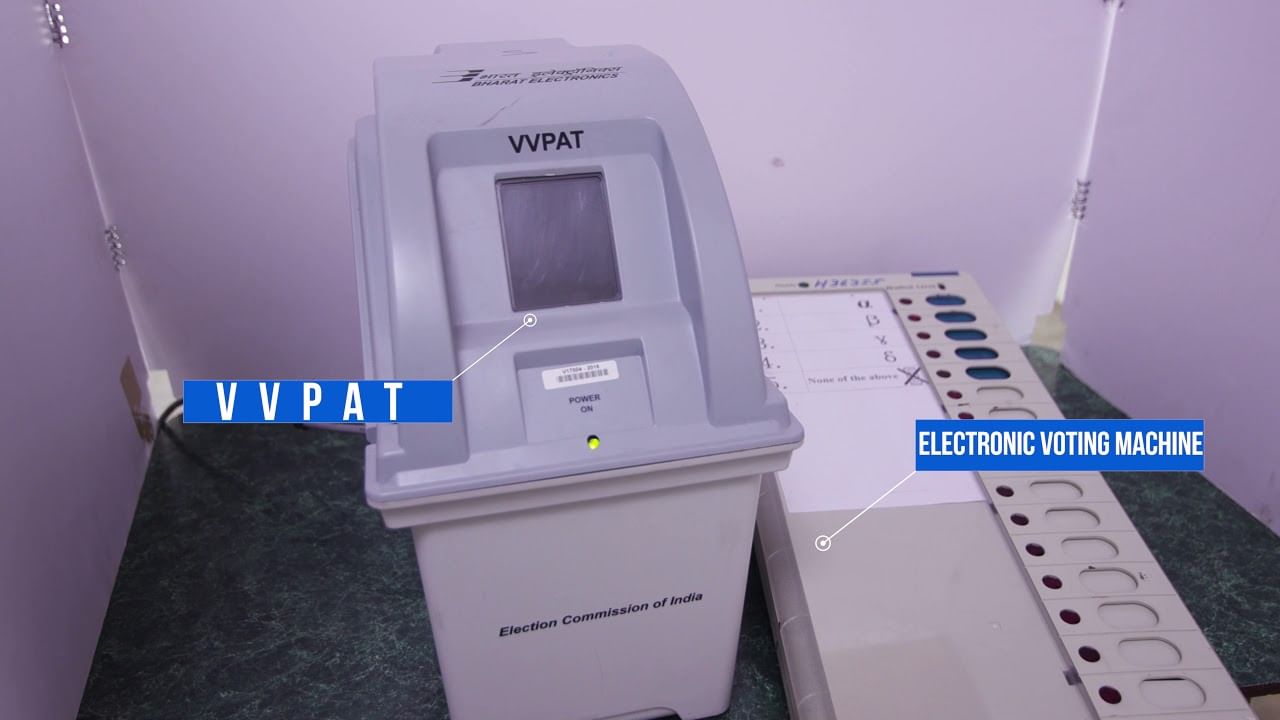 VVPAT (Voter Verifiable Paper Audit Trail) Machine
What exactly is a VVPAT?
- VVPAT (Voter Verifiable Paper Audit Trail) is a way of providing feedback to voters using electronic voting machines (EVMs).
- VVPAT machines are used to ensure that a voter's vote is cast for the correct candidate.
- A VVPAT is an independent voting machine verification technology that allows voters to verify that their vote was cast correctly and audit the stored electronic results.
- It includes the name of the candidate for whom the vote was cast as well as the party/individual candidate's symbol.
- The political parties have been clamouring for VVPATs to be used during elections, claiming that EVMs aren't totally secure or tamper-proof.
How does the VVPAT work?
- Step 1: In India, voters use an Electronic Voting Machine (EVM). EVM is made up of two parts: a control unit and a balloting unit.
- The machine's balloting unit has a list of candidate names, party emblems, and a blue button.
- The voter can vote by pressing the button next to the candidate's name.
- Step 2: When a voter casts a vote on an EVM, a printer-like VVPAT apparatus comes into picture.
- VVPAT is generally connected to the EVM and it generates a slip with the candidate's serial number, name, and symbol.
- The voter can use this slip to double-check his vote. Before being mechanically cut, this VVPAT slip is displayed for 7 seconds.
- After seeing the slip, it is cut and deposited into the VVPAT machine's dropbox, which results in a beep.
- Election officers can only use the VVPAT machines in the most extreme of circumstances.
Significance of VVPATs
- Provides Feedback: VVPAT (Voter Verifiable Paper Audit Trail) is a way of providing feedback to voters using electronic voting machines (EVMs).
- Used in Verifying the Votes Cast: A VVPAT is an independent voting machine verification technology that allows voters to verify that their vote was cast correctly and audit the stored electronic results.
- Displays the name of the Candidate: It includes the name of the candidate for whom the vote was cast as well as the party/individual candidate's symbol.
Conclusion
Though the VVPAT (Voter verifiable paper audit trail) comes with the utmost advantages, it has its own concerns related to implementation, reliability, and efficiency. However, the VVPAT’s capability of detecting election frauds, malfunctions, and auditing of the stored electronic results outweighs them.
|
|
|
|---|---|
| Indian Polity UPSC Notes | Elections |
| Electoral System | Electoral Reforms |
| Right to Information act, 2005 | Anti-Defection Law |
| Election Process | Pressure Groups |
FAQs
What is VVPAT?
VVPAT stands for Voter Verifiable Paper Audit Trail, which is a system introduced in Indian elections to ensure transparency and increase voter confidence. It is an additional feature of electronic voting machines (EVMs) that allows voters to verify their vote on a paper slip.
How does VVPAT work?
After a voter casts their vote using the EVM, a paper slip is printed with the details of the candidate selected by the voter. The slip is visible to the voter for a few seconds in a transparent window, allowing them to verify the vote. The paper slip is then stored in a sealed box for later verification, if needed.
Why was VVPAT introduced in India?
VVPAT was introduced to address concerns regarding the transparency of the EVM process and to ensure that the vote cast by the voter is accurately recorded. It serves as a paper trail for the electronic vote, allowing for an audit in case of disputes or recounts.
What are the benefits of using VVPAT in elections?
The benefits of VVPAT include increasing the transparency of the voting process, providing a paper record of votes in case of discrepancies, enhancing voter trust in the electoral system, and enabling a transparent verification process in case of any election disputes.
How is VVPAT used during the election process?
During the election process, after the voter casts their vote on the EVM, the VVPAT system prints a slip with the candidate’s name and symbol. The voter can verify this slip before it is stored. If there is any doubt or dispute regarding the vote, the paper trail can be used for verification.
MCQs
- What does VVPAT stand for?
a) Voter Verified Polling Audit Technology
b) Voter Verifiable Paper Audit Trail
c) Voter Verification and Polling Audit Transaction
d) Voter Verified Paper Account Trail
Answer: b) See the Explanation
VVPAT is a system introduced to verify the accuracy of votes cast electronically through a paper audit trail.
- What is the main purpose of VVPAT?
a) To verify the voter’s identity
b) To track the number of voters
c) To allow voters to verify their vote
d) To store the election data digitally
Answer: c) See the Explanation
The primary purpose of VVPAT is to give voters the ability to verify that their vote has been correctly recorded on the EVM through a paper slip.
- Where is the paper slip printed in the VVPAT system?
a) On the EVM screen
b) On a paper attached to the voting machine
c) On a slip visible to the voter through a transparent window
d) On a display board outside the voting booth
Answer: c) See the Explanation
The VVPAT system prints a paper slip with the candidate’s name and symbol, which is visible to the voter through a transparent window for a few seconds.
- What happens to the VVPAT paper slip after the vote is cast?
a) It is returned to the voter
b) It is discarded immediately
c) It is stored in a sealed box for audit
d) It is destroyed after verification
Answer: c) See the Explanation
After the voter verifies the vote, the paper slip is stored in a sealed box for later verification in case of any disputes.
- What is one of the major advantages of using VVPAT in elections?
a) It speeds up the voting process
b) It allows for instant vote counting
c) It increases transparency and trust in the electoral system
d) It eliminates the need for paper ballots
Answer: c) See the Explanation
VVPAT enhances the transparency of the voting process and provides a paper trail to resolve disputes, boosting voter confidence.
GS Mains Questions and Model Answers
Q1. Discuss the significance of VVPAT in ensuring the transparency of the electoral process in India.
Answer: The introduction of VVPAT has significantly improved the transparency of India’s electoral process by providing voters with a paper trail of their vote, which can be cross-verified in case of discrepancies or disputes. This system builds trust in the electoral process and ensures that votes recorded electronically are consistent with those cast by voters. VVPAT addresses concerns regarding the accuracy of electronic voting machines (EVMs) and provides a reliable method for auditing votes. The transparency ensured by VVPAT has made the electoral system more accountable, especially during close elections or in regions where doubts about the integrity of the voting process have been raised.
Q2. Analyze the challenges and benefits of implementing VVPAT in India’s elections.
Answer: Implementing VVPAT in India’s elections has several benefits, including enhanced voter confidence, transparency, and the ability to verify votes if there is a dispute. It ensures that electronic votes are accurately recorded and helps eliminate any doubts regarding the functionality of EVMs. However, there are challenges in implementing VVPAT, such as the cost of adding the technology, the time it takes to print and store slips, and the potential for increased logistical complexity, particularly in large-scale elections. Despite these challenges, the benefits of increasing transparency and voter trust make VVPAT a valuable addition to the electoral process.
Q3. Evaluate the role of VVPAT in resolving electoral disputes and ensuring fair elections in India.
Answer: VVPAT plays a crucial role in resolving electoral disputes by providing an auditable paper trail that can be used to verify the votes recorded in electronic voting machines (EVMs). In case of discrepancies or allegations of tampering, the paper slips can be checked against the EVM records to ensure the accuracy of the election results. This transparency helps ensure fair elections by discouraging electoral fraud and providing a mechanism for checking the integrity of the voting process. Additionally, the introduction of VVPAT helps build trust in the system, particularly in regions where previous elections have faced challenges related to the transparency and reliability of the voting process.
Previous Year Questions on VVPAT
1. UPSC CSE (IAS) Prelims 2020
Question: What is the role of VVPAT in the Indian electoral process?
Answer: VVPAT serves as an additional verification method to ensure the accuracy and transparency of electronic voting. It allows voters to verify their choice, and the paper slips generated can be used for audits in case of disputes, ensuring the credibility of the election process.
2. UPSC CSE (IAS) Mains 2018
Question: Analyze the impact of introducing VVPAT on the Indian electoral system.
Answer: The introduction of VVPAT has significantly increased transparency and accountability in the Indian electoral system. It provides voters with a tangible, verifiable record of their vote and ensures that EVMs are functioning correctly. This system has helped address concerns about electoral integrity and fraud, thus strengthening democracy by ensuring that elections are free, fair, and transparent.
Download the PREPP App and attempt FREE IAS Exam Mock Tests and get complete study material!

Full Test - 04: UPSC CSE Prelims CSAT (Paper-II)
Full Test - 03: UPSC CSE Prelims CSAT (Paper-II)
UPSC CSE Prelims 2026 GS Paper 1 Question Paper (24-May-2026)
UPSC CSE Prelims 2026 CSAT Paper 2 Question Paper (24-May-2026)

17 February 2025 | The Hindu Must Read Articles | Current Affairs

16 February 2026 | The Hindu Must Read Articles | Current Affairs

13 February 2026 | The Hindu Must Read Articles | Current Affairs









Comments