Formation of Earth's Atmosphere - Geography Notes
Earth had no atmosphere when it was formed billions of years ago. The Earth’s atmosphere developed gradually after that. Thus, the formation of the atmosphere is the evolution of the Earth's atmosphere over geological time. The mechanism by which the current atmosphere evolved from former circumstances is complicated; yet, evidence relating to the development of Earth's atmosphere is extensive. The topic “Formation of Earth's Atmosphere” is an important part of the UPSC/IAS Exam Geography syllabus which is discussed in this article in detail.
|
Table of Contents |
Earth’s Atmosphere
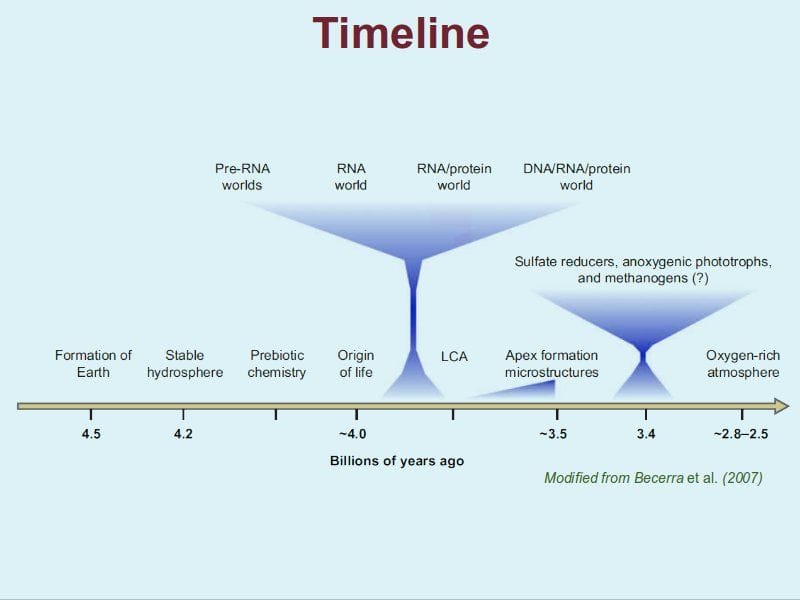
- Earth had essentially no atmosphere when it was created 4.6 billion years ago from a heated mix of gases and minerals.
- The ground was molten. As the Earth cooled, an atmosphere evolved, primarily from gases emitted by volcanoes.
- It included hydrogen sulphide, methane, and 10 to 200 times the amount of carbon dioxide found in today's atmosphere.
- After approximately half a billion years, the Earth's surface cooled and consolidated sufficiently for water to settle on it.
- The primordial atmosphere of Earth was high in methane, ammonia, water vapour, and the noble gas neon, but it was deficient in free oxygen.
- The initial biological generation of oxygen by unicellular organisms and its final buildup in the atmosphere are likely separated by hundreds of millions of years.
- The atmosphere's composition contains a wealth of information about its origin.
- Furthermore, the diversity and character of the minor components suggest substantial interactions between the atmosphere, terrestrial environment, and biota.
- During its genesis period, the earth was largely in a volatile state.
- The temperature within has risen due to the progressive increase in density. As a result, the materials within began to segregate based on their densities. This is known as differentiation.
- This caused heavy elements (such as iron) to sink to the earth's core and lighter materials to rise to the top.
- Because of this, the earth has been separated into layers such as the crust (outermost), mantle, outer core, and inner core (innermost).
- The density of the substance increases from the crust to the core.
|
|
|
|---|---|
| Origin of Earth | Earth and Its Properties |
| Theories for the origin of Earth | The Universe |
| Formation of Planets | The Solar System |
Origin of Atmosphere
- The Earth is said to have formed some 5 billion years ago. By the first 500 million years, a thick atmosphere formed from the vapour and gases ejected during the planet's internal degassing.
- Gases and water vapour were released from the inner solid earth during cooling. This triggered the current climate's development. This is known as degassing.
- These gases might have been hydrogen (H2), water vapour, methane (CH4), or carbon oxides.
- Before 3.5 billion years ago, the atmosphere was most likely composed of carbon dioxide (CO2), carbon monoxide (CO), water (H2O), nitrogen (N2), and hydrogen.
- The scarcity of free oxygen was the most significant element of the prehistoric environment.
- Evidence of such an anaerobic reducing environment may be found in early rock formations that include various elements in reduced forms, such as iron and uranium.
- Elements in this form are not present in mid-Precambrian and younger rocks, which are less than 3 billion years old.
- Early aquatic organisms known as blue-green algae began harnessing Sun energy one billion years ago to divide molecules of H2O and CO2 and recombine them into chemical compounds and molecular oxygen (O2).
- Photosynthesis is the process through which solar energy is converted.
- Some of the oxygen produced by photosynthetic processes mixed with organic carbon to form CO2 molecules.
- Some oxygen (O2) molecules in the upper atmosphere received energy from the Sun's ultraviolet (UV) radiation and split to generate single oxygen atoms.
- These atoms combine with the remaining oxygen (O2) to generate ozone (O3) molecules, which absorb UV radiation very effectively.
- The tiny layer of ozone that surrounds Earth works as a shield, shielding the globe from UV light irradiation.
- The quantity of ozone necessary to protect Earth from physiologically fatal UV radiation with wavelengths ranging from 200 to 300 nanometers (nm) is thought to have existed 600 million years ago.
- At the time, the oxygen content in the atmosphere was around 10% of what it is now. Prior to this time, life was limited to the sea.
- The presence of ozone allowed creatures to grow and exist on land. Ozone has played an important part in the evolution of life on Earth, allowing life as we know it to exist.
Three Phases of Formation
The Beginning
- Since Hydrogen (H2) and Helium (He) were the principal gases in the dusty, gassy disk surrounding the Sun from which the planets originated, Earth's primordial atmosphere was most likely merely hydrogen and helium.
- The Earth and its atmosphere were both extremely heated.
- Hydrogen and helium molecules move extremely quickly, especially when heated.
- They were moving so quickly that they eventually escaped Earth's gravity and sailed off into space.

Beginning of earth - Gaseous composition
Young Phase
- Earth's "second atmosphere" was created by the planet itself.
- Because the Earth's crust was still forming, there were many more volcanoes than there are today.
- The volcanoes emitted:
- Steam (H2O) - consisting of two hydrogen atoms and one oxygen atom
- Carbon dioxide (CO2) - consisting of one carbon atom and two oxygen atoms
- Ammonia (NH3) - consisting of one nitrogen atom and three hydrogen atoms

Youth phase of earth - Gaseous composition
Current Earth
- The oceans absorbed a large portion of the CO2.
- Eventually, a primitive kind of bacterium evolved that could live on the Sun's energy and the carbon dioxide in the water, creating oxygen as a waste product.
- As a result, oxygen began to accumulate in the atmosphere, while carbon dioxide levels continued to fall.
- Meanwhile, sunlight broke apart ammonia molecules in the atmosphere, resulting in nitrogen and hydrogen.
- Because hydrogen is the lightest element, it climbed to the top of the atmosphere and drifted off into space.
- Now we have Earth's "third atmosphere," the one we all know and love—an atmosphere rich in oxygen that allows species, including humans, to evolve.
- So plants and some bacteria use carbon dioxide to produce oxygen, while animals use oxygen to produce carbon dioxide.

Current earth - Gaseous composition
Composition of Atmosphere
Gases
- The atmosphere is a gaseous composition. It also comprises a large number of solid and liquid particles known as aerosols.
- Nearly 99 percent of the pure, dry air is composed of nitrogen and oxygen. The other gases are essentially inert and account for around 1% of the atmosphere.
- Despite accounting for only 21% of the total volume of the atmosphere, oxygen is the most significant component among gases.
- All living things breathe in oxygen. Also, oxygen may react with other elements to generate significant chemicals like oxides.
- Furthermore, combustion is impossible in the absence of oxygen.
- Nitrogen makes up around 78% of total atmospheric volume. It is a relatively inert gas that is an essential component of all organic molecules.
- Nitrogen's primary purpose is to regulate combustion by diluting oxygen. It also indirectly aids in certain types of oxidation.
- Argon, the third most significant gas, accounts for just around 0.93 percent of the total.
- Ozone (O3) is another major gas in the atmosphere that is really a form of oxygen molecule with three atoms rather than two. It makes up less than 0.00006 percent of the atmosphere's volume and is unevenly distributed.
- The highest quantities of ozone are found between 20 and 25 kilometres above sea level. It forms at higher altitudes and travels downhill.
- Ozone is critical in shielding from the sun's damaging UV rays.
- Other gases present in trace amounts in the atmosphere include neon, helium, hydrogen, xenon, krypton, methane, and others.
Water Vapour
- The atmospheric vapour concentration ranges from 0 to 5% by volume.
- The atmospheric vapour is formed through the evaporation of moisture and water from bodies of water (such as seas and oceans, lakes, tanks and ponds, rivers, and so on), plants, and soil cover.
- Vapour is temperature-dependent, hence it decreases from the equator poleward as the temperature lowers towards the poles.
- The vapour content drops as the temperature rises.
- Clouds, fog, dew, rainfall, frost, hailstorms, ice, snowfall, and other kinds of condensation and precipitation are caused by the moisture content of the atmosphere.
- Vapour is almost transparent to incoming shortwave solar radiation, allowing electromagnetic radiation waves to reach the earth's surface with few obstacles.
- However, vapour is less transparent to outgoing longwave terrestrial radiation, which aids in heating the earth's surface and lower atmosphere by absorbing terrestrial radiation.
Dust Particles
- The solid particles in the atmosphere include sand particles (from weathered rocks and volcanic ash), pollen grains, tiny creatures, soot, and ocean salts.
- The highest layers of the atmosphere may also contain bits of meteorites that burn up in the atmosphere.
- These particles aid in the absorption, reflection, and scattering of solar light, which contributes to the variegated and appealing colour of red and orange during dawn and sunset.
- The selective scattering of solar light by dust particles causes the sky to look blue.
- Salt particles transform into hygroscopic nuclei, assisting in the creation of water droplets, clouds, and different kinds of condensation and precipitation.
Structure of Atmosphere
- The atmosphere can be split into strata based on changes in composition, density, pressure, and temperature.
- The current atmosphere of the Earth, which was generated as a result of the degassing of the Earth's surface, is a gas mixture that surrounds the globe.
- The atmosphere, on the other hand, is divided into five layers based on temperature: troposphere, stratosphere, mesosphere, thermosphere, and exosphere.
- Although the air composition is the same in all three areas, the concentration of air reduces dramatically as height increases.
- Using air composition to partition the atmosphere, two main zones may be identified:
- Homosphere
- Heterosphere
- The troposphere is the weather layer of the Earth. It is the lowest layer of the Earth’s atmosphere. The temperature drops as height increases.
- The Stratosphere is the Homosphere's middle section.
- The Mesosphere is the Homosphere's upper stratum.
- The thermosphere includes the exosphere and the ionosphere.

Structure of Atmosphere
Conclusion
Earth had essentially little atmosphere when it was created 4.6 billion years ago from a heated mix of gases and minerals. The mechanism by which the current atmosphere evolved from former circumstances is complicated; yet, evidence relating to the development of Earth's atmosphere is extensive, albeit indirect. There are atmospheres on other planets and moons in our solar system, but none of them can support life as we know it. They are either too dense (as on Venus) or insufficiently dense (as on Mars), and none of them has much oxygen, the essential gas that we Earth creatures require every minute.
|
|
|
|---|---|
| Geography Notes | Universe and Solar System |
| Geomorphology | Structure of the Earth's Interior |
FAQs
Q1: What is the primary process involved in the formation of Earth's atmosphere?
Answer: The primary process is the release of gases from volcanic eruptions and the outgassing of water vapor, carbon dioxide, and ammonia.
Q2: When did the Earth's atmosphere begin to form?
Answer: The Earth's atmosphere began to form around 4.5 billion years ago during the planet's early formation.
Q3: What gases were predominant in the early atmosphere?
Answer: The early atmosphere was primarily composed of water vapor, carbon dioxide, ammonia, and methane.
Q4: How did photosynthesis contribute to the atmosphere?
Answer: Photosynthesis introduced oxygen into the atmosphere, gradually transforming it into the oxygen-rich environment we have today.
Q5: What role do plants play in the current composition of the atmosphere?
Answer: Plants absorb carbon dioxide and release oxygen, maintaining the balance of gases in the atmosphere.
MCQs
- Which gas was primarily released during the early volcanic activity on Earth?
a) Oxygen
b) Nitrogen
c) Carbon dioxide
d) Helium
Answer: (C) See the Explanation
- What event significantly increased the oxygen levels in the Earth's atmosphere?
a) The Great Oxygenation Event
b) The Industrial Revolution
c) The Cambrian Explosion
d) The Ice Ages
Answer: (A) See the Explanation
- What was the main composition of the Earth's early atmosphere?
a) Nitrogen and oxygen
b) Carbon dioxide and water vapor
c) Argon and neon
d) Hydrogen and helium
Answer: (B) See the Explanation
- How did the Earth's atmosphere evolve over time?
a) It remained unchanged.
b) It became less dense.
c) It became richer in oxygen.
d) It lost all gases.
Answer: (C) See the Explanation
- Which organisms are primarily responsible for increasing oxygen levels in the atmosphere?
a) Fungi
b) Animals
c) Cyanobacteria
d) Land plants
Answer: (C) See the Explanation
GS Mains Questions and Model Answers
Q1: Discuss the significance of photosynthesis in the development of the Earth's atmosphere.
Answer: Photosynthesis is a critical process that significantly shaped the Earth's atmosphere. Through the conversion of carbon dioxide and water into glucose and oxygen, photosynthetic organisms, particularly cyanobacteria, dramatically increased the levels of oxygen in the atmosphere. This transformation, known as the Great Oxygenation Event, occurred approximately 2.4 billion years ago and fundamentally changed the planet's climate and biology. The rise of oxygen allowed for the evolution of aerobic life forms and established the conditions necessary for complex life. Thus, photosynthesis is not only vital for current atmospheric balance but also for the evolutionary trajectory of life on Earth.
Q2: Analyze the impact of volcanic activity on the formation of the Earth's atmosphere.
Answer: Volcanic activity played a pivotal role in the initial formation of the Earth's atmosphere by releasing a variety of gases, including water vapor, carbon dioxide, sulfur dioxide, and nitrogen. This outgassing created a primordial atmosphere, rich in greenhouse gases, which contributed to the warming of the planet. The early atmosphere was thick and cloud-laden, promoting the formation of oceans as the planet cooled. Over time, as volcanic activity continued and photosynthetic organisms emerged, the composition of the atmosphere evolved, leading to significant changes in climate and the development of life. Thus, volcanic activity was instrumental in shaping both the physical and biological landscape of early Earth.
Q3: Evaluate the factors that led to the gradual change in the Earth's atmosphere over geological time.
Answer: Several factors contributed to the gradual change in the Earth's atmosphere over geological time. The most significant was the process of photosynthesis, initiated by cyanobacteria and later by terrestrial plants, which increased atmospheric oxygen levels while consuming carbon dioxide. Geological activities, including volcanic eruptions and tectonic movements, continued to release gases and influenced atmospheric composition. The formation of the ozone layer, which protected the surface from harmful ultraviolet radiation, also allowed for the proliferation of life forms. Human activities in recent centuries have further altered the atmosphere by introducing greenhouse gases. Overall, these interconnected processes highlight the dynamic nature of the Earth's atmosphere and its response to biological, geological, and anthropogenic factors.
Previous Year Questions on Formation of Earths Atmosphere
1. UPSC CSE 2019
Question: "Describe the role of photosynthesis in the evolution of the Earth's atmosphere."
Answer: Photosynthesis, primarily carried out by cyanobacteria in ancient oceans, played a transformative role in shaping the Earth's atmosphere. Initially, the atmosphere was devoid of free oxygen, consisting mainly of carbon dioxide, nitrogen, and water vapor. The advent of photosynthesis produced oxygen as a by-product, leading to the Great Oxygenation Event around 2.4 billion years ago. This event drastically altered the atmospheric composition, increasing oxygen levels and facilitating the evolution of aerobic organisms. Consequently, photosynthesis not only enriched the atmosphere but also set the stage for complex life forms, thereby marking a significant milestone in Earth's biological history.
2. UPSC CSE 2020
Question: "Examine the factors influencing the composition of the Earth's atmosphere over time."
Answer: The composition of the Earth's atmosphere has evolved due to a combination of natural processes and biological activities. Initially, volcanic outgassing released water vapor, carbon dioxide, and other gases, forming the early atmosphere. As the planet cooled, water vapor condensed to form oceans, and the emergence of photosynthetic organisms began to alter atmospheric conditions significantly. The Great Oxygenation Event marked a turning point as oxygen levels rose, enabling the evolution of aerobic life forms. Additionally, geological events and human activities have continued to influence atmospheric composition, including the recent increase in greenhouse gases due to industrialization. This dynamic interplay of factors illustrates the complexity of atmospheric evolution throughout Earth's history.
Download the PREPP App and attempt FREE IAS Exam Mock Tests and get complete study material!

Live Test : UPSC CSE Prelims CSAT (Paper-II) (Oct 20 - 23)
Full Test - 04: UPSC CSE Prelims CSAT (Paper-II)
Full Test - 03: UPSC CSE Prelims CSAT (Paper-II)
UPSC CSE Prelims 2026 GS Paper 1 Question Paper (24-May-2026)
UPSC CSE Prelims 2026 CSAT Paper 2 Question Paper (24-May-2026)

17 February 2025 | The Hindu Must Read Articles | Current Affairs

16 February 2026 | The Hindu Must Read Articles | Current Affairs

13 February 2026 | The Hindu Must Read Articles | Current Affairs









Comments