Multiple myeloma can cause proximal tubular injury due to light chain deposition in the tubular epithelium causing acquired Fanconi Syndrome. Which of the following are characteristic findings in this condition? 1. Little/no proteinuria 2. Aminoaciduria 3. Phosphaturia 4. Glycosuria Select the correct answer using the code given below:
2, 3 and 4
Acquired Fanconi syndrome from light chain proximal tubulopathy impairs reabsorption of amino acids, phosphate and glucose, producing aminoaciduria, phosphaturia and glycosuria despite normal serum glucose (2, 3 and 4). Proteinuria is present (tubular, light-chain type) rather than absent, so statement 1 is incorrect.
Similar Questions
Which one of the following hereditary tubulo-interstitial kidney diseases shows Autosomal Recessive pattern of inheritance?
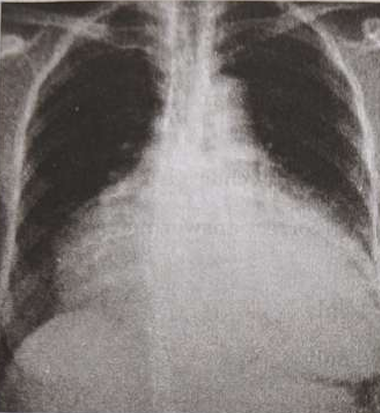
A 42-year-old male with chronic kidney disease undergoing chronic dialysis presents with worsening breathlessness. Examination reveals muffled heart sounds. Chest X-ray image is shown below (enlarged, globular cardiac silhouette). What is the most likely diagnosis of this patient?
In multiple myeloma, monoclonal immunoglobulin light chains combine with Tamm-Horsfall protein precipitate in the renal tubules which leads to the development of which one of the following conditions?
Which one of the following is a contraindication of Renal Biopsy?
Which one of the following stages of chronic kidney disease corresponds to a glomerular filtration rate of 55 mL/min/1.73 m2?
Important Questions from Renal Failure
- Which of the following are the renal complications of radiological investigations?
1. Contrast nephrotoxicity
2. Cholesterol atheroembolism
3. Nephrogenic sclerosing fibrosis of skin
Select the correct answer using the code given below: - A middle aged diabetic male who has recurrent chest pain undergoes coronary artery angiogram. The following day, he develops haematuria, proteinuria and renal impairment. What is the most likely diagnosis?
- Which of the following are contraindications for renal biopsy?
1. Normal size kidney
2. Uncontrolled hypertension
3. Solitary kidney
4. Disordered coagulation
Select the correct answer using the code given below: - What is the target blood Hemoglobin level when treating anaemia in Stage-4 chronic kidney disease patient?
- Which one of the following complications of chronic kidney disease is observed in patients with low parathyroid hormone levels?