Indian Secularism and Western Secularism - Indian Polity Notes
Indian Secularism and Western Secularism differ significantly due to historical, cultural, and social factors. While Western secularism seeks to create a clear wall of separation between religion and state, Indian secularism aims to integrate religious diversity within the framework of an assimilative and tolerant state. In this article, we will be discussing Indian and Western Secularism which is important for UPSC Exams.
|
Table of Contents |

|
"Indian secularism is not merely a separation of religion and state, but a profound commitment to the harmonious coexistence of diverse faiths, ensuring that all individuals, regardless of their beliefs, enjoy equal respect and opportunities." |
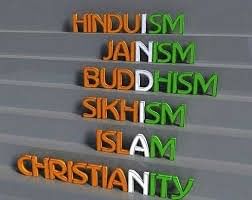
Difference Between Western – Secularism, And Indian – Secularism
| Dimension | Indian Secularism | Western Secularism |
|---|---|---|
| Definition | Equal treatment, equal respect and equal protection to all religions by the state. | Strict separation of religion and state. |
| Foundation | Pluralism and tolerance, Principled distance of state towards religion. | Neutrality of state towards religion. |
| Historical Context | Genesis in assimilative and tolerant historical traditions. It addresses the needs of diverse society with multiple religions. | Developed from religious conflicts and the need to curtail church power. Eg. Thirty years' War, French Revolution. |
| Role of the State | State can interfere in the domain of religion to eradicate exploitative and discriminatory practices. Eg. Abolition of untouchability, personal laws reforms, laws for temple entry to lower castes and women. | State can not interfere in the domain of the religion. Eg. state can not force church to appoint women Pope. |
| Public Life and Institutions | Religious symbols and practices can be part of public life and state functions | Public institutions are free from religious symbols and activities. Eg. France banned wearing religious symbols in schools. |
| Social and Cultural Integration | Emphasizes communal harmony and inclusive public practices | Emphasizes individual rights and a secular public sphere, with more privatized religion |
| Rights | Supports individual as well as collective rights of religious communities. | Supports only individual rights to religion and not community rights. |
| State Funds | It permits financial support for religious schools as well as the financing of religious buildings and infrastructure by the state. | It does not permits financial support for religious schools as well as the financing of religious buildings and infrastructure by the state. |
What West can Learn from India?
In an era of growing plural societies in the West, there are valuable lessons to be learned from the Indian model of secularism.
- Western societies can benefit from embracing a more inclusive approach that allows for the public expression of diverse religious identities, fostering a sense of belonging and acceptance among all communities.
- Engaging with religious institutions to promote social harmony and address communal issues, rather than maintaining strict neutrality, can help manage diversity more effectively.
- Recognizing the importance of both individual rights and collective cultural identities can lead to more effective policies that respect personal freedoms while promoting social cohesion.
- Encouraging interfaith dialogue and collaboration can help mitigate tensions and build bridges between different religious communities, fostering a more harmonious society.
- Adopting a flexible approach to secularism, where the state can intervene in religious matters for social reform and equality, can help address specific challenges posed by religious practices that conflict with broader societal values.
Conclusion
Both models aim to protect individual freedoms and promote equality, but their methods reflect their unique historical and cultural contexts. By learning from India's experience with secularism, Western countries can enhance their ability to manage religious diversity, ensuring that pluralism becomes a strength rather than a source of division and India can learn the role of secularisation of politics to protect the rights of all communities.
FAQs
Question: What is the definition of secularism in the Western context?
Answer: In the Western context, secularism is defined as the principle of separating religion from political, social, and educational institutions. It advocates for a neutral government stance on religious matters, ensuring that individuals have the freedom to practice any religion or none at all without state interference. This separation often reflects a historical context of religious conflict, leading to a framework that emphasizes individual rights and freedoms over collective religious identities.
Question: How does Indian secularism differ from Western secularism?
Answer: Indian secularism differs from Western secularism in its approach to religion and its role in public life. While Western secularism seeks to maintain a strict separation of church and state, Indian secularism recognizes the significance of all religions and allows for the state to engage with religious communities. This is evident in India’s policies that promote religious pluralism and cultural diversity. Indian secularism is characterized by its commitment to ensuring equality for all religions, enabling the state to support and regulate religious practices for social harmony.
Question: What are some key features of Indian secularism?
Answer: Key features of Indian secularism include: 1. Recognition of religious diversity: India acknowledges and respects various religions and their practices. 2. Equal treatment of all religions: The Indian Constitution mandates that the state treats all religions equally and does not favor any single religion. 3. Freedom of religion: Citizens have the right to practice and propagate their religion freely. 4. State involvement in religious affairs: Unlike strict separation, the Indian state can intervene in religious matters to protect the rights of individuals and ensure social justice.
Question: What challenges does Indian secularism face?
Answer: Indian secularism faces several challenges, including communal tensions and violence, which can arise from religious conflicts. Political mobilization based on religious identities often undermines the secular fabric of society. Additionally, the influence of religious fundamentalism and the politicization of religious issues can lead to discrimination against minority groups. The challenge of balancing the state’s involvement in religious affairs while ensuring individual rights remains a critical concern for sustaining secularism in India.
Question: How has secularism evolved in India since independence?
Answer: Since independence, secularism in India has evolved to address the complexities of a diverse society. Initially, the focus was on creating a framework that respected and recognized various religions. Over time, secularism has had to adapt to changing social dynamics, including the rise of identity politics and religious nationalism. The Indian state has implemented various policies to promote social justice and protect minority rights, reflecting the ongoing evolution of secularism as a means to maintain social harmony and unity in a pluralistic society.
MCQs
1. What does Western secularism primarily emphasize?
A) Integration of religion and state
B) Separation of religion from state affairs
C) Promotion of a single religion
D) State support for all religions
Answer: See the Explanation
Explanation: Western secularism primarily emphasizes the separation of religion from state affairs, ensuring that the government remains neutral on religious matters.
2. Which feature is characteristic of Indian secularism?
A) Strict separation of church and state
B) Favoritism towards one religion
C) Equal treatment of all religions
D) Prohibition of religious practices
Answer: See the Explanation
Explanation: A characteristic feature of Indian secularism is the equal treatment of all religions, ensuring that the state does not favor any single religion.
3. What challenge does Indian secularism face?
A) Excessive government control
B) Communal tensions and violence
C) Lack of religious diversity
D) Inadequate religious freedoms
Answer: See the Explanation
Explanation: Indian secularism faces challenges such as communal tensions and violence that arise from religious conflicts.
4. How does the Indian state engage with religion?
A) By ignoring religious matters
B) By regulating and supporting religious practices
C) By promoting a single state religion
D) By enforcing strict atheism
Answer: See the Explanation
Explanation: The Indian state engages with religion by regulating and supporting religious practices, aiming to promote social harmony.
5. What has been a significant aspect of secularism in India since independence?
A) Abandoning all religious practices
B) Evolving to address societal complexities
C) Promoting only one religion
D) Eliminating religious identities
Answer: See the Explanation
Explanation: A significant aspect of secularism in India since independence has been its evolution to address the complexities of a diverse society.
GS Mains Questions and Model Answers
Q1: Analyze the differences between Western secularism and Indian secularism.
Answer: Western secularism is characterized by a strict separation of church and state, promoting individual freedoms and limiting government involvement in religious matters. This approach emerged from historical conflicts between religious authorities and the state, leading to a system where religious institutions do not influence political decisions. In contrast, Indian secularism embraces the pluralistic nature of society, recognizing and respecting the significance of various religions. The Indian state engages with religious communities, ensuring that all religions are treated equally and supported. This distinction highlights the adaptive nature of Indian secularism, which seeks to balance respect for diverse faiths with the overarching goal of maintaining social harmony and justice.
Q2: Evaluate the impact of secularism on social justice in India.
Answer: Secularism has a profound impact on social justice in India by providing a framework for the equitable treatment of all religious communities. By enshrining the principle of equality in the Constitution, secularism facilitates the protection of minority rights and promotes social inclusion. This is particularly significant in a diverse society where historical injustices and discrimination have often marginalized certain groups. Secularism encourages dialogue and understanding among different faiths, fostering an environment conducive to social cohesion. However, challenges remain, such as communal tensions and the politicization of religion, which can undermine the pursuit of social justice. Continuous efforts are needed to reinforce secular values and ensure that all citizens enjoy their rights without discrimination.
Q3: Discuss the challenges faced by Indian secularism in the contemporary political landscape.
Answer: Indian secularism faces numerous challenges in the contemporary political landscape, including the rise of identity politics and communal nationalism, which can exacerbate divisions among religious communities. Political parties often mobilize support based on religious identities, leading to tensions and conflicts. Additionally, the increasing influence of religious fundamentalism threatens the secular fabric of society, challenging the principles of equality and justice. The enforcement of laws protecting minority rights can be inconsistent, leaving marginalized groups vulnerable. To address these challenges, it is essential to strengthen institutional frameworks, promote interfaith dialogue, and ensure that secular values are upheld in public policy and governance.
Previous Year Questions on Secularism
1. UPSC CSE Prelims 2021:
Question: Which of the following best defines secularism in the Indian context?
A) Complete separation of religion and state
B) Equal respect for all religions
C) Promotion of one religion over others
D) Restriction of religious practices
Answer: (B)
Explanation: In the Indian context, secularism is defined as equal respect for all religions, allowing for state engagement with diverse faiths.
2. UPSC CSE Mains 2019 (GS Paper 1):
Question: "Examine the significance of secularism in maintaining social harmony in India." Discuss its challenges.
Answer: Secularism plays a crucial role in maintaining social harmony in India by promoting respect and understanding among diverse religious communities. It provides a legal framework for protecting minority rights and ensuring equality, fostering an environment where individuals can practice their faith freely. However, challenges such as communal tensions and the politicization of religion threaten this harmony. The rise of majoritarian sentiments and identity politics can lead to conflict and discrimination. To reinforce secularism's role in promoting social cohesion, efforts must focus on education, dialogue, and the protection of rights, ensuring that all communities feel valued and included in the social fabric of India.
*email: contactus@prepp.in
Download the PREPP App and attempt FREE IAS Exam Mock Tests and get complete study material!

Full Test - 04: UPSC CSE Prelims CSAT (Paper-II)
Full Test - 03: UPSC CSE Prelims CSAT (Paper-II)
UPSC CSE Prelims 2026 GS Paper 1 Question Paper (24-May-2026)
UPSC CSE Prelims 2026 CSAT Paper 2 Question Paper (24-May-2026)

17 February 2025 | The Hindu Must Read Articles | Current Affairs

16 February 2026 | The Hindu Must Read Articles | Current Affairs

13 February 2026 | The Hindu Must Read Articles | Current Affairs









Comments