Vindhyachal Plateau - Geography Notes
The Vindhyachal Plateau, part of the larger Vindhya Range, is an extensive area located in central India. This plateau forms a significant geographical feature that divides the Indian subcontinent into northern and southern parts. This article will explain to you about Vindhya Plateau which will be helpful in Geography preparation for the UPSC Civil service exam.
Table of Contents
Vindya Plateau
Here are some key aspects of the Vindhyachal Plateau:
Geographical Location: The Vindhyachal Plateau is primarily situated in Madhya Pradesh, with portions extending into the states of Uttar Pradesh and Bihar. The range runs roughly east to west from the state of Uttar Pradesh through Madhya Pradesh to Bihar, covering a distance of about 1,050 kilometers (650 miles).
Geology and Topography: The plateau is known for its rich and diverse geological structure, consisting of sedimentary rocks that date back to the Precambrian and Mesozoic eras. Its topography is characterized by flat-topped hills and undulating terrain, with elevations ranging from 300 to 650 meters (about 980 to 2,130 feet).
Flora and Fauna: The region hosts a variety of ecosystems, ranging from dry deciduous forests to scrublands, supporting a wide array of flora and fauna. The forests are home to numerous species of plants, birds, and animals, including several endangered species.
Climate: The climate of the Vindhyachal Plateau is predominantly tropical, with variations in temperature and rainfall depending on the altitude and location. The area receives most of its rainfall during the monsoon season, which significantly influences the agricultural practices and water availability in the region.
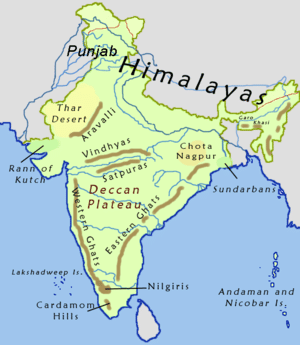
Cultural and Historical Significance: The Vindhyachal Plateau has been an important region throughout Indian history, serving as a boundary between different kingdoms and cultures. It is steeped in mythology and folklore and features in several ancient texts and scriptures. The plateau and its surrounding areas are dotted with historical sites, temples, and ruins that attract tourists and pilgrims.
Economic Activities: Agriculture is the primary economic activity in the region, with farming practices largely dependent on the monsoon rains. The plateau is also known for its mineral wealth, including coal, limestone, and bauxite, which contribute to the local and national economy through mining activities.
Conservation and Environmental Issues: Like many other regions in India, the Vindhyachal Plateau faces environmental challenges such as deforestation, soil erosion, and water scarcity. Conservation efforts are underway to protect its natural habitats and biodiversity.
The Vindhyachal Plateau plays a crucial role in the ecological balance, cultural heritage, and economic development of central India, making it an important area of study for geographers, historians, and environmentalists.
FAQs
Question: Where is the Vindhyachal Plateau located?
Answer:
The Vindhyachal Plateau is located in central India, primarily in Madhya Pradesh, with portions extending into Uttar Pradesh and Bihar. It stretches approximately 1,050 kilometers from east to west.
Question: What is the geological significance of the Vindhyachal Plateau?
Answer:
The plateau is known for its diverse geological structure, featuring sedimentary rocks dating back to the Precambrian and Mesozoic eras. Its rich geology makes it a subject of interest for geologists and geographers.
Question: What type of climate is found in the Vindhyachal Plateau?
Answer:
The climate of the Vindhyachal Plateau is predominantly tropical, with variations in temperature and rainfall influenced by altitude and location. The region receives most of its rainfall during the monsoon season.
Download the PREPP App and attempt FREE IAS Exam Mock Tests and get complete study material!

Live Test : UPSC CSE Prelims CSAT (Paper-II) (Oct 20 - 23)
Full Test - 04: UPSC CSE Prelims CSAT (Paper-II)
Full Test - 03: UPSC CSE Prelims CSAT (Paper-II)
UPSC CSE Prelims 2026 GS Paper 1 Question Paper (24-May-2026)
UPSC CSE Prelims 2026 CSAT Paper 2 Question Paper (24-May-2026)

17 February 2025 | The Hindu Must Read Articles | Current Affairs

16 February 2026 | The Hindu Must Read Articles | Current Affairs

13 February 2026 | The Hindu Must Read Articles | Current Affairs









Comments