Silicosis - Environment Notes
Silicosis means a lung disease caused by inhaling a huge amount of crystalline silica dust. Silica (SiO2/silicon dioxide) is a crystal-like substance that is found in sand, rock, and quartz in large quantities Working with these materials can produce a fine dust that is simple to breathe in. The topic “Silicosis” is an important part of the UPSC/IAS Exam Environment syllabus which is discussed in this article in detail.
|
Table of Contents |
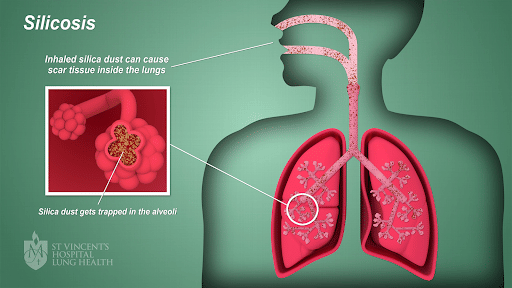
Silicosis
What exactly is Silicosis?
- Silicosis is an occupational lung disease caused when inhaling large amounts of silica dust.
- Silicosis is most common among workers in the quarrying, and construction industries.
- Silica dust blocks the breathing passage thereby making it difficult to breathe.
Whom does Silicosis affect?
Silicosis is common among workers who are exposed to silica dust. They include workers of the following occupation.
- Mining
- Construction
- Roofing
- Sandblasting
- Steel industry
- Plaster or drywall installation
- Glass manufacturing
- Road Repair
- Masonry
- Farming
Silicosis - Signs and Symptoms
- Silicosis symptoms typically take years to show, so people might not have any symptoms until after they've stopped working with silica dust.
- Even if no longer exposed, the symptoms may still worsen.
- Shortness of breath, cough, fever, and bluish skin are all symptoms of this progressive lung disease caused by long-term inhalation of silica.
- The nodules that build a mass can take up to 20 years to show up on chest x-rays, and the person may not detect symptoms for years after being exposed to silica.
- Silicotic nodules are hard, distinct, spherical lesions with a varying quantity of black pigment on the surface.
- Small pulmonary arteries and respiratory bronchioles are common sites for nodules.
- Rarely, it might happen even after just a few months of extremely high exposure.
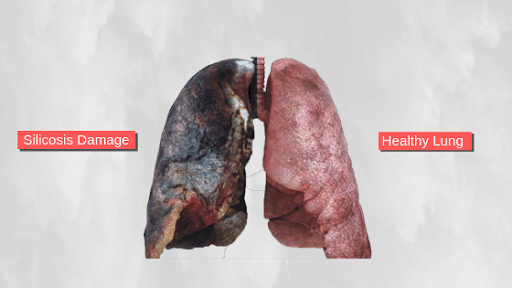
Healthy lung vs the lung affected by Silicosis
Silicosis - Government's Initiatives
- Silicosis is a notified disease under the Factories Act of 1948 and Mines Act of 1952.
- The Factory Act of 1948 stipulates a properly-ventilated working environment, as well as regulations for dust protection, overcrowding reduction, and basic occupational health care.
- Silicosis Portal: The Department of Social Justice and Empowerment sponsored a "silicosis portal."
- Self-Registration: A system of worker self-registration, diagnosis by district-level pneumoconiosis boards, and compensation through mine owners' contributions to the District Mineral Foundation Trust (DMFT) funds.
- OSHWC 2020 (Occupational Safety, Health, and Working Conditions Code):
- The code makes it mandatory for all businesses to give free annual health checkups in accordance with government regulations.
Conclusion
The diagnosis of silicosis is usually challenging because determining whether a person has tuberculosis or silicosis is difficult. In India, silicosis is common among construction and mining workers in Gujarat, Pondicherry, Rajasthan, Uttar Pradesh, Haryana, Chattisgarh, Bihar, West Bengal, Jharkhand, and Orissa.
FAQs
Question: What is silicosis?
Answer: Silicosis is a lung disease caused by inhaling fine silica dust, leading to inflammation and scarring of the lung tissue. It primarily affects workers in industries such as mining, construction, and stone cutting.
Question: What are the symptoms of silicosis?
Answer: Symptoms of silicosis include shortness of breath, chronic cough, chest pain, and fatigue. In severe cases, it can lead to respiratory failure and other complications.
Question: What industries are most at risk for silicosis?
Answer: Industries such as mining, stone cutting, construction, and sandblasting are most at risk for silicosis due to the exposure to high levels of silica dust.
Question: How is silicosis diagnosed?
Answer: Silicosis is diagnosed through a combination of clinical examination, chest X-rays, and pulmonary function tests. In some cases, a history of occupational exposure to silica dust is also considered.
Question: What is the treatment for silicosis?
Answer: There is no specific cure for silicosis, but treatments focus on managing symptoms and preventing complications. This includes medications for respiratory issues, oxygen therapy, and regular monitoring of lung function.
MCQs
1. What is the primary cause of silicosis?
A) Inhalation of carbon monoxide
B) Inhalation of silica dust
C) Exposure to asbestos
D) Exposure to heavy metals
Answer: (B) See the Explanation
Explanation: Silicosis is caused by the inhalation of fine silica dust, which leads to lung damage and scarring.
2. Which of the following industries is most associated with silicosis?
A) Agriculture
B) Mining
C) Textile manufacturing
D) Automobile manufacturing
Answer: (B) See the Explanation
Explanation: Mining, especially in industries like stone cutting, sandblasting, and coal mining, exposes workers to high levels of silica dust, leading to silicosis.
3. Which of the following is a symptom of silicosis?
A) Excessive thirst
B) Shortness of breath
C) High blood pressure
D) Nausea
Answer: (B) See the Explanation
Explanation: Shortness of breath, along with other symptoms like a chronic cough and chest pain, is a common symptom of silicosis.
4. How is silicosis diagnosed?
A) Blood tests
B) Chest X-rays and pulmonary function tests
C) MRI scans
D) Physical examination only
Answer: (B) See the Explanation
Explanation: Silicosis is diagnosed through chest X-rays, pulmonary function tests, and the patient's occupational history of silica exposure.
5. What is the primary treatment for silicosis?
A) Surgery
B) Antiviral drugs
C) Symptom management and supportive care
D) Chemotherapy
Answer: (C) See the Explanation
Explanation: There is no cure for silicosis, and treatment focuses on managing symptoms, preventing further lung damage, and providing supportive care such as oxygen therapy.
GS Mains Questions and Model Answers
Q1: Discuss the causes, symptoms, and preventive measures of silicosis in the workplace.
Answer: Silicosis is a progressive lung disease caused by prolonged inhalation of fine silica dust in industries like mining, stone cutting, and sandblasting. The disease causes inflammation and scarring of the lungs, leading to symptoms such as chronic cough, shortness of breath, and chest pain. Preventive measures include proper ventilation in workplaces, using dust control systems, wearing protective respiratory equipment, and regular medical check-ups for workers at risk. The implementation of workplace safety standards and educating workers about the hazards of silica exposure are key strategies in reducing the incidence of silicosis.
Q2: Explain the long-term health impacts of silicosis and the challenges in its management.
Answer: Silicosis can lead to severe lung damage, causing progressive respiratory impairment and making individuals more susceptible to other diseases such as tuberculosis. The disease is chronic and irreversible, with severe cases leading to respiratory failure and disability. The management of silicosis poses several challenges, as there is no specific cure. Treatment typically focuses on symptom management, preventing complications, and improving the quality of life. Regular monitoring, effective use of oxygen therapy, and a multidisciplinary approach involving pulmonologists and occupational health specialists are essential for managing the disease.
Q3: What role does the government play in controlling silicosis in the mining and construction sectors?
Answer: The government plays a crucial role in controlling silicosis through regulatory measures such as setting occupational safety standards for exposure to silica dust, providing guidelines for protective equipment, and enforcing regulations for proper ventilation in workplaces. Additionally, awareness campaigns to educate workers about the dangers of silica exposure and the importance of using protective measures are essential. The government also provides compensation and healthcare support to affected workers through various social welfare programs. Moreover, strengthening monitoring mechanisms and conducting regular health screenings in at-risk sectors are key steps in mitigating the impact of silicosis.
Previous Year Questions on Silicosis
1. UPSC CSE Mains 2020 (GS Paper 2):
Question: "Evaluate the challenges posed by occupational diseases like silicosis and the measures needed to address them in industrial sectors."
Answer: Silicosis, caused by prolonged exposure to silica dust, poses a significant challenge in industries like mining and construction. Despite the availability of protective measures, inadequate enforcement of safety standards, lack of awareness, and limited access to healthcare contribute to the high incidence of the disease. Addressing these challenges requires strengthening the implementation of occupational health regulations, improving safety protocols, ensuring better healthcare access for workers, and educating workers about the risks and preventive measures associated with silica dust exposure.
2. UPSC CSE Mains 2019 (GS Paper 2):
Question: "What steps should be taken to reduce the impact of silicosis in developing countries where industrialization is rapidly increasing?"
Answer: To reduce the impact of silicosis in developing countries, it is essential to implement strict workplace safety regulations and ensure effective enforcement. This includes promoting the use of modern machinery and protective equipment, improving ventilation systems, and regularly monitoring air quality in workplaces. Additionally, public health campaigns to raise awareness about the disease, along with free or subsidized health check-ups for workers, can help detect silicosis at early stages. Furthermore, providing financial and medical support to affected workers, along with fostering international cooperation to exchange best practices, will be crucial in tackling the growing burden of silicosis.
Download the PREPP App and attempt FREE IAS Exam Mock Tests and get complete study material!

Full Test - 04: UPSC CSE Prelims CSAT (Paper-II)
Full Test - 03: UPSC CSE Prelims CSAT (Paper-II)
UPSC CSE Prelims 2026 GS Paper 1 Question Paper (24-May-2026)
UPSC CSE Prelims 2026 CSAT Paper 2 Question Paper (24-May-2026)

17 February 2025 | The Hindu Must Read Articles | Current Affairs

16 February 2026 | The Hindu Must Read Articles | Current Affairs

13 February 2026 | The Hindu Must Read Articles | Current Affairs









Comments