List of Important Constitutional Amendments - Indian Polity Notes
Constitutional Amendment means the process of making changes to the Constitution. Article 368 in Part XX of the Constitution provides the amending power to the Parliament. Some of the most important constitutional amendments in the Indian Constitution are the 1st Constitutional Amendment Act(1955),42nd Constitutional Amendment (1964),44th Amendment (1967) and 73rd Amendment (1973) etc. As of the current date, there have been 106 Constitutional Amendments. The topic “List of Important Constitutional Amendments” is an important part of the UPSC/IAS Exam Polity and Governance syllabus which is discussed in this article in detail.
| To Read update on this topic: |
|
Table of Contents |

|
Constitutional Amendment is the process of making changes to the Constitution. Article 368 in Part XX of the Constitution provides the amending powers to the parliament. “Constitution is not a mere lawyers document, it is a vehicle of Life, and its spirit is always the spirit of Age.” |
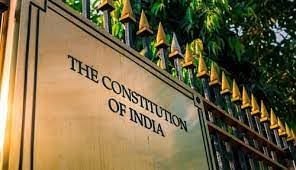
The Significant Constitutional Amendments
- The amendability of the Indian Constitution is a significant feature that allows for changes and adaptations to meet the evolving needs and aspirations of the society.
- The Indian Constitution was adopted in 1950 and has since witnessed significant societal, economic, and political changes. The ability to amend allows the constitution to be updated and adapted to meet the evolving needs and challenges of the nation.
- It allows for the representation of diverse viewpoints.
- The amendability of the Constitution enables the incorporation of new ideas, values, and principles that align with the evolving understanding of justice, equality, and fundamental rights.
- The amendment process provides a mechanism to correct any deficiencies or shortcomings in the original text of the Constitution.
- Article 368 of the Indian Constitution, confers amending powers to the Parliament. This authority empowers Parliament to make amendments to any section of the Constitution, including fundamental rights.
- However, in the landmark judgement of Kesavananda Bharati Case(1973), Supreme Court ruled that while Parliament retains the power to amend, such amendments must not violate the 'Basic Structure' of the Constitution.
|
|
|
|---|---|
| 42nd Constitution (Amendment) Act, 1976 | 44th Constitution (Amendment) Act, 1978 |
| 61st Constitution (Amendment) Act, 1988 | 102nd Constitution (Amendment) Act, 2018 |
Following Are The Major Amendments Made In The Constitution
| First Amendment Act, 1951 |
|
| Fourth Amendment Act, 1955 |
|
| Seventh Amendment Act, 1956 |
|
| Ninth Amendment Act, 1960 |
|
| Tenth Amendment Act, 1961 |
|
| Eleventh Amendment Act, 1961 |
|
| Twelfth Amendment Act, 1962 |
|
| Thirteenth Amendment Act, 1962 |
|
| Fourteenth Amendment Act, 1962 |
|
| Seventeenth Amendment Act, 1964 |
|
| Eighteenth Amendment Act, 1966 |
|
| Twenty-first Amendment Act, 1967 |
|
| Twenty fourth Amendment Act, 1971 |
|
| Twenty-fifth Amendment Act, 1971 |
|
| Twenty-sixth Amendment Act, 1971 |
|
| Thirty first Amendment Act, 1973 |
|
| Thirty-third Amendment Act, 1974 |
|
| Thirty-fifth Amendment Act, 1974 |
|
| Thirty-sixth Amendment Act, 1975 Gave a full-fledged State status to Sikkim and repealed the Tenth Schedule. |
|
| Thirty-eighth Amendment Act, 1975 |
|
| Forty-second Amendment Act, 1976 |
|
| Forty-fourth Amendment Act, 1978 |
|
| Fifty-second Amendment Act, 1985 |
|
| Sixty-first Amendment Act, 1989 |
|
| Sixty-ninth Amendment Act 1991 |
|
| Seventy-first Amendment Act 1992 |
|
| Seventy-third Amendment Act 1992 |
|
| Seventy-fourth Amendment Act 1992 |
|
| Eighty-sixth Amendment Act 2002 |
|
| Eighty-eighth Amendment Act 2003 |
|
| Ninety-second Amendment Act 2003 |
|
| Ninety-fifth Amendment Act 2009 |
|
| Ninety-seventh Amendment Act 2011 |
|
| 101st Amendment Act, 2016 |
|
| 102nd Amendment Act, 2018 |
|
| 103rd Amendment Act, 2019 |
|
| 104th Amendment Act, 2020 |
|
Conclusion
The ability to amend the Constitution reflects its flexibility and responsiveness to changing circumstances. Over the years, the Constitution has undergone numerous amendments. These amendments are pivotal in addressing emerging challenges, ensuring inclusivity, and adapting the constitutional fabric to the evolving needs of the nation.
|
|
|
|---|---|
| Indian Polity UPSC Notes | Constitution of India-Overview |
| Important Commissions and their Recommendations | Important Articles in Indian Constitution |
FAQs
Question: What is the significance of the 42nd Amendment to the Indian Constitution?
Answer: The 42nd Amendment, passed in 1976, is often called the "mini-Constitution" because of its extensive changes. It enhanced the power of the central government, curtailed judicial review, and added the words "Socialist" and "Secular" to the Preamble. It also introduced Fundamental Duties for citizens.
Question: What were the key provisions of the 44th Amendment?
Answer: The 44th Amendment, passed in 1978, reversed many of the provisions introduced by the 42nd Amendment. It restored civil liberties, limited the grounds for declaring a national emergency, and ensured that the right to property would no longer be a fundamental right but a legal right.
Question: How did the 73rd and 74th Amendments strengthen local governance?
Answer: The 73rd and 74th Amendments, enacted in 1992, gave constitutional status to Panchayati Raj Institutions and Municipalities. They mandated regular elections, provided for reservation of seats for women and marginalized communities, and outlined the powers and functions of local governments.
Question: What was the impact of the 52nd Amendment on Indian politics?
Answer: The 52nd Amendment, passed in 1985, introduced the anti-defection law. It aimed to curb political defections by disqualifying members of Parliament and State Legislatures if they defected from the party that nominated them. This helped stabilize governments by reducing opportunistic party switching.
Question: Why is the 101st Amendment important in India's tax structure?
Answer: The 101st Amendment, passed in 2016, introduced the Goods and Services Tax (GST), a significant reform in India's indirect tax system. It created a unified tax system by replacing multiple indirect taxes, thereby promoting ease of doing business and creating a common national market.
MCQs
1. Which constitutional amendment is referred to as the "mini-Constitution"?
A) 44th Amendment
B) 42nd Amendment
C) 101st Amendment
D) 73rd Amendment
Answer: B See the Explanation
Explanation: The 42nd Amendment, enacted in 1976, is called the "mini-Constitution" because it made extensive changes to the structure of the Constitution, especially in terms of centralizing power and reducing judicial autonomy.
2. Which amendment introduced the Goods and Services Tax (GST) in India?
A) 73rd Amendment
B) 101st Amendment
C) 52nd Amendment
D) 42nd Amendment
Answer: B See the Explanation
Explanation: The 101st Amendment introduced GST in 2016, creating a single, unified indirect tax structure across India, replacing a plethora of state and central taxes.
3. What was the key objective of the 52nd Amendment?
A) Establish Panchayati Raj Institutions
B) Implement the GST
C) Introduce the anti-defection law
D) Abolish the right to property
Answer: C See the Explanation
Explanation: The 52nd Amendment, passed in 1985, introduced the anti-defection law to prevent elected representatives from switching political parties for personal gain, ensuring political stability.
4. Which of the following amendments gave constitutional status to Panchayati Raj Institutions?
A) 42nd Amendment
B) 44th Amendment
C) 73rd Amendment
D) 101st Amendment
Answer: C See the Explanation
Explanation: The 73rd Amendment of 1992 provided constitutional recognition to Panchayati Raj Institutions, establishing decentralized governance in rural areas and ensuring regular elections and reserved seats for women and marginalized communities.
5. Which amendment restored civil liberties that were curtailed by the 42nd Amendment?
A) 44th Amendment
B) 73rd Amendment
C) 52nd Amendment
D) 101st Amendment
Answer: A See the Explanation
Explanation: The 44th Amendment (1978) reversed several provisions of the 42nd Amendment, including restoring judicial review and safeguarding civil liberties, particularly in the context of emergency powers.
GS Mains Questions and Answers
Q1: Analyze the significance of the 42nd Amendment to the Indian Constitution and its impact on democracy.
Answer: The 42nd Amendment, passed in 1976 during the Emergency, significantly altered the balance of power between the executive, legislature, and judiciary. It enhanced the power of the central government while curtailing the independence of the judiciary and weakening federalism. This amendment limited the scope of judicial review and curtailed civil liberties. However, the subsequent 44th Amendment reversed many of these provisions, restoring the checks and balances essential to Indian democracy. The 42nd Amendment remains controversial due to its centralizing tendencies and its impact on the democratic fabric of India.
Q2: Discuss the role of the 73rd and 74th Amendments in promoting decentralized governance in India.
Answer: The 73rd and 74th Amendments, passed in 1992, revolutionized local governance in India by giving constitutional status to Panchayati Raj Institutions and Municipalities. These amendments mandated regular elections to local bodies, reserved seats for women and marginalized communities, and provided local governments with authority over various subjects. They aimed to decentralize power and enhance grassroots democracy. These amendments have empowered local governance, but challenges like inadequate financial resources and political interference continue to hinder their full potential.
Q3: Evaluate the impact of the 52nd Amendment on political stability in India.
Answer: The 52nd Amendment, enacted in 1985, introduced the anti-defection law to curb the rampant political defections that destabilized elected governments. This law disqualifies members of Parliament and State Legislatures who defect from the party that nominated them, thus ensuring political stability. While it has been effective in preventing opportunistic defections, it has also been criticized for stifling intra-party dissent and undermining the autonomy of legislators. Overall, the amendment has contributed to the stability of coalition governments, but there are ongoing debates about its impact on democratic principles within political parties.
Previous Year Questions on List of Important Constitutional Amendments
1. UPSC CSE Prelims 2018
Question: The 52nd Amendment of the Indian Constitution is related to:
A) Panchayati Raj
B) Anti-Defection Law
C) Goods and Services Tax
D) Fundamental Rights
Answer: B
Explanation: The 52nd Amendment, passed in 1985, introduced the anti-defection law to prevent political defections and ensure the stability of elected governments.
2. UPSC CSE Mains 2020 (GS Paper 2)
Question: "The 73rd and 74th Constitutional Amendments have brought about significant changes in the functioning of local self-governments in India." Discuss.
Answer: The 73rd and 74th Amendments, enacted in 1992, aimed to empower local self-governments by providing them with constitutional status. These amendments mandated regular elections for Panchayats and Municipalities, ensured reservation of seats for women and marginalized communities, and gave local bodies authority over a wide range of subjects. They were critical in promoting decentralized governance and enabling grassroots participation in the democratic process. However, challenges such as limited financial resources and interference from state governments continue to hinder the full realization of their potential.
*email: contactus@prepp.in
Download the PREPP App and attempt FREE IAS Exam Mock Tests and get complete study material!

Full Test - 04: UPSC CSE Prelims CSAT (Paper-II)
Full Test - 03: UPSC CSE Prelims CSAT (Paper-II)
UPSC CSE Prelims 2026 GS Paper 1 Question Paper (24-May-2026)
UPSC CSE Prelims 2026 CSAT Paper 2 Question Paper (24-May-2026)

17 February 2025 | The Hindu Must Read Articles | Current Affairs

16 February 2026 | The Hindu Must Read Articles | Current Affairs

13 February 2026 | The Hindu Must Read Articles | Current Affairs









Comments