
The following is the application of nanotechnology in recent years :
Corona vaccines
Nanotechnology uses materials engineered at the 1–100 nm scale, where size gives them new properties such as the ability to carry fragile molecules into cells.
The mRNA vaccines developed against COVID-19 (coronavirus disease) package the fragile mRNA inside lipid nanoparticles roughly 100 nm across. The nanoparticle protects the mRNA from degradation and carries it into cells, where it is translated into the viral spike protein that triggers immunity.
These vaccines were developed and given to very large populations from 2020 onwards, making them one of the most prominent recent applications of nanotechnology.
Brick, steel and paper making are long-established bulk-material industries whose basic processes (firing clay, smelting and refining iron, pulping wood fibres) are conventional technologies rather than recent nanotechnology applications.
Therefore the corona (COVID-19) vaccines are the recent application of nanotechnology.
Hence, Corona vaccines.
Similar Questions
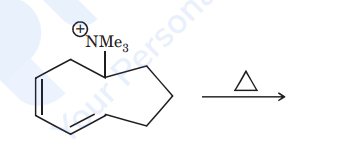
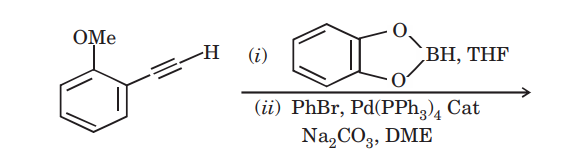
What major product is isolated from the following reaction :
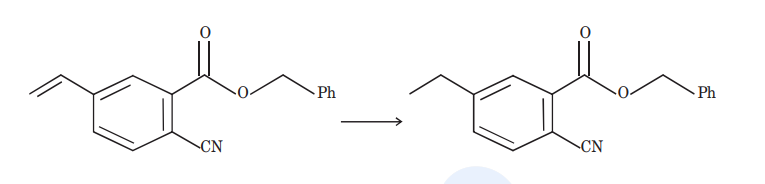
Suggest most suitable conditions for the following selective conversion :
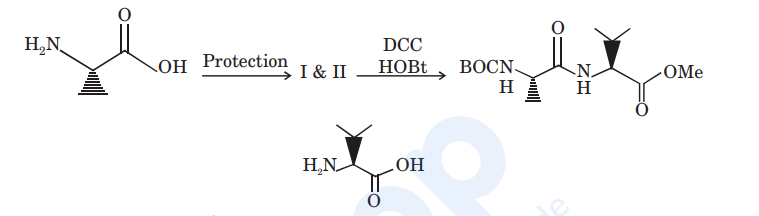
Complete the following reaction by suggesting the appropriate substrates (I & II) :
Predict the major product of the following reaction :
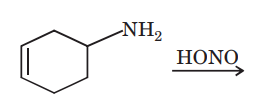
The major product formed in the following reaction is :
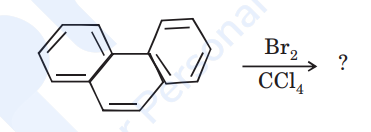
Predict the major product of the following reactions based on HSAB principle :

The major product of the following reaction is :
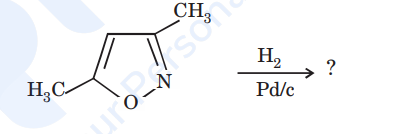
Predict the major product of the following reaction :
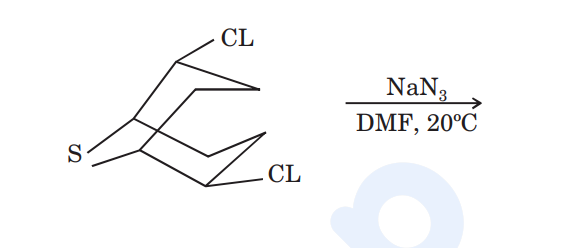
The major product of the following reaction is :
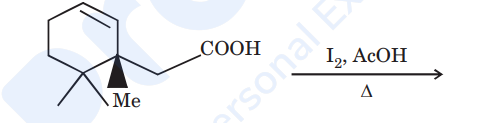
The major product of the following reaction is :
Important Questions from Chemistry in Everyday Life
Which of the following is a greenhouse gas?
I. Methane
II. Nitrous oxide
Which one of the following is used in soda-acid fire extinguishers?
The separation of two immiscible liquids can be done based on the difference in their_______.
Orange juice contains ______ acid due to which it tastes sour.
Impure water can be made pure



