Ketoconazole is commonly used as :
Antifungal
Ketoconazole is an antifungal agent. The name itself carries the clue: the ending -conazole identifies the azole class, and essentially every drug in that family — fluconazole, itraconazole, miconazole, clotrimazole, voriconazole — is antifungal.
Mechanism. Azoles inhibit the fungal cytochrome P450 enzyme 14α-demethylase (CYP51), which is required to convert lanosterol into ergosterol. Ergosterol is the principal sterol of the fungal cell membrane, playing the role that cholesterol plays in animal cells. Blocking its synthesis leaves the membrane defective and causes toxic methylated sterols to accumulate, so growth stops.
The selectivity of these drugs rests on that difference: human membranes use cholesterol, made by a different route, so the fungal enzyme can be targeted preferentially. Ketoconazole's selectivity is only moderate, however — it also inhibits human P450 enzymes, which is why it interferes with steroid synthesis and carries a risk of hepatotoxicity. For that reason its systemic use has largely been replaced by newer azoles, though it remains common in topical preparations such as antidandruff shampoos, where absorption is minimal.
The other categories belong to quite different drug classes: antibacterials include the β-lactams, macrolides and quinolones; antitubercular therapy uses isoniazid, rifampicin, pyrazinamide and ethambutol; and antimalarials include chloroquine and the artemisinin derivatives.
Hence ketoconazole is used as an antifungal.
Similar Questions
Complete the following reaction by suggesting the appropriate substrates (I & II) :
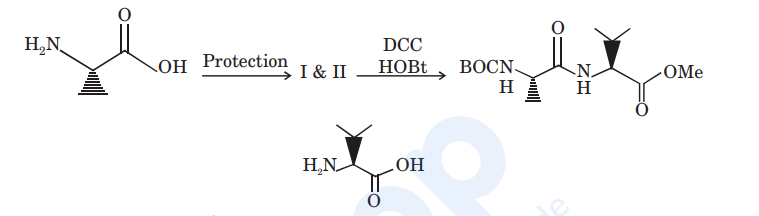
Suggest most suitable conditions for the following selective conversion :
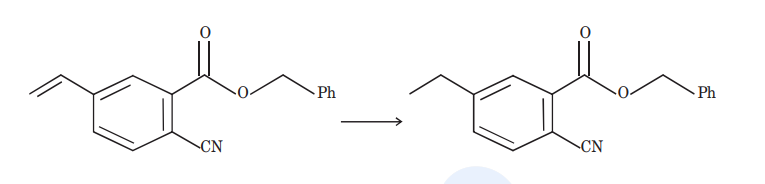
What major product is isolated from the following reaction :
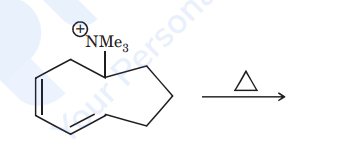
Predict stereochemical outcome of the following reaction :
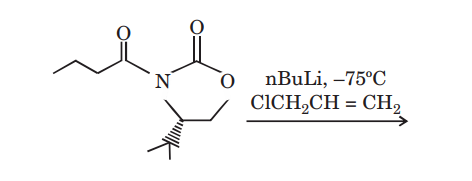
The major product of the following reaction is :
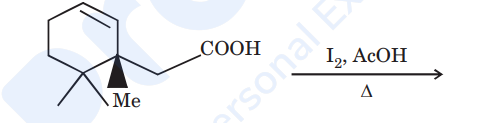
Predict the major product of the following reaction :
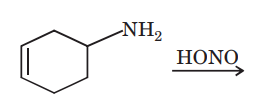
The major product of the following reaction is :
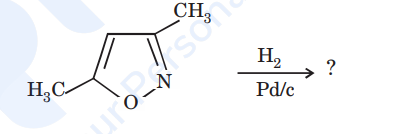
The major product of the following reaction is :
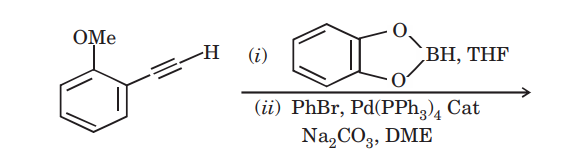
The major product formed in the following reaction is :
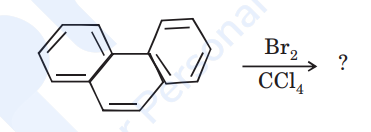
The major product formed in the following reaction is :
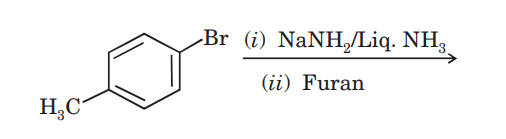
Important Questions from Chemistry in Everyday Life
Which of the following is a greenhouse gas?
I. Methane
II. Nitrous oxide
The gas which turns lime water milky is:
Liquefied Petroleum Gas (LPG) is mainly a mixture of:
Among the following, the conducting form of carbon is
Which of the following is NOT a Fossil Fuel?