
JTET Paper 1 Question Paper and Answer Key PDF (Nov 1, 2026)
JTET Paper 1 Question Paper and Answer Key with Detailed Solution is available here to download in PDF format. JTET 2026 Paper 1 was conducted on November 1, 2026, from 2:00 PM to 4:30 PM for candidates seeking teaching eligibility for Classes 1 to 5.
JTET 2026 Question Paper and Answer Key PDF (Nov 01, 2026)
| Question Paper PDF | Answer Key PDF | Detailed Solution |
|---|---|---|
JTET 2026 Paper 1 Question Paper and Answer Key PDF (Nov 01, 2026) |
Download PDF | Attempt Now |
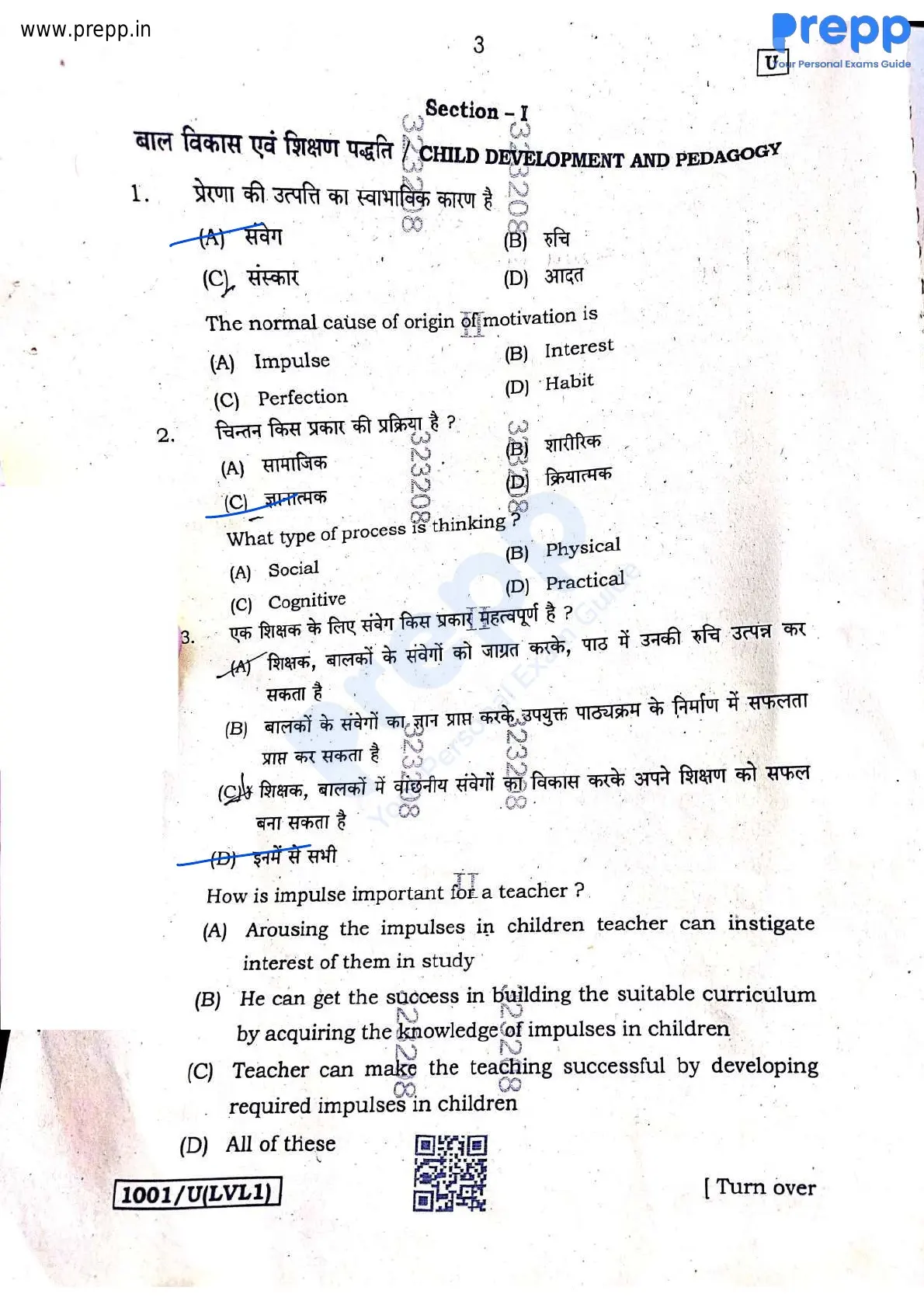
1. The normal cause of origin of motivation is
(A) Impulse
(B) Interest
(C) Perfection
(D) Habit
Check Correct Answer & Solution
2. What type of process is thinking ?
(A) Social
(B) Physical
(C) Cognitive
(D) Practical
Check Correct Answer & Solution
3. How is impulse important for a teacher ?
(A) Arousing the impulses in children teacher can instigate interest of them in study
(B) He can get the success in building the suitable curriculum by acquiring the knowledge of impulses in children
(C) Teacher can make the teaching successful by developing required impulses in children
(D) All of these
Check Correct Answer & Solution
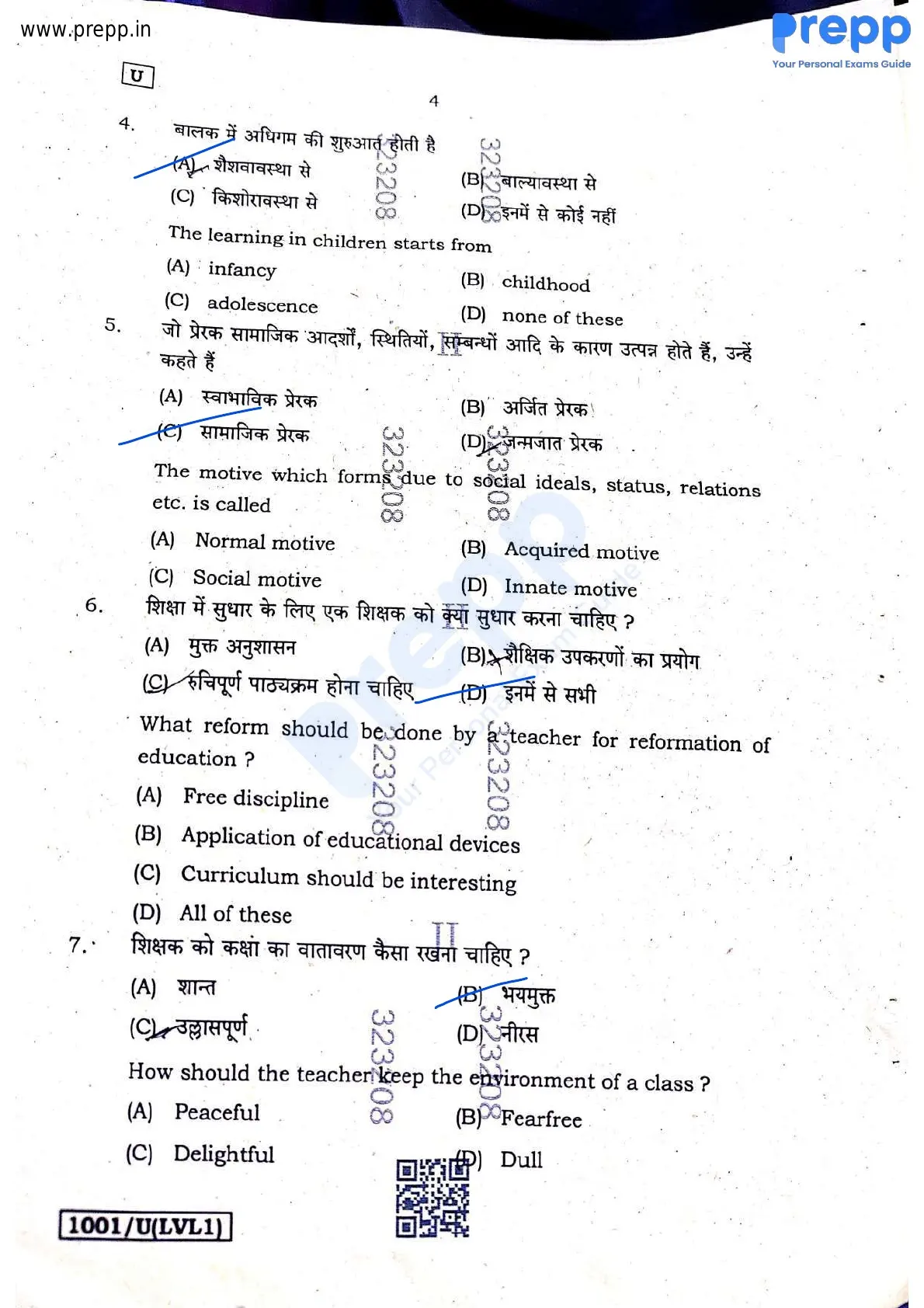
4. The learning in children starts from
(A) infancy
(B) childhood
(C) adolescence
(D) none of these
Check Correct Answer & Solution
5. The motive which forms due to social ideals, status, relations etc. is called
(A) Normal motive
(B) Acquired motive
(C) Social motive
(D) Innate motive
Check Correct Answer & Solution
6. What reform should be done by a teacher for reformation of education ?
(A) Free discipline
(B) Application of educational devices
(C) Curriculum should be interesting
(D) All of these
Check Correct Answer & Solution
7. How should the teacher keep the environment of a class ?
(A) Peaceful
(B) Fearfree
(C) Delightful
(D) Dull
Check Correct Answer & Solution
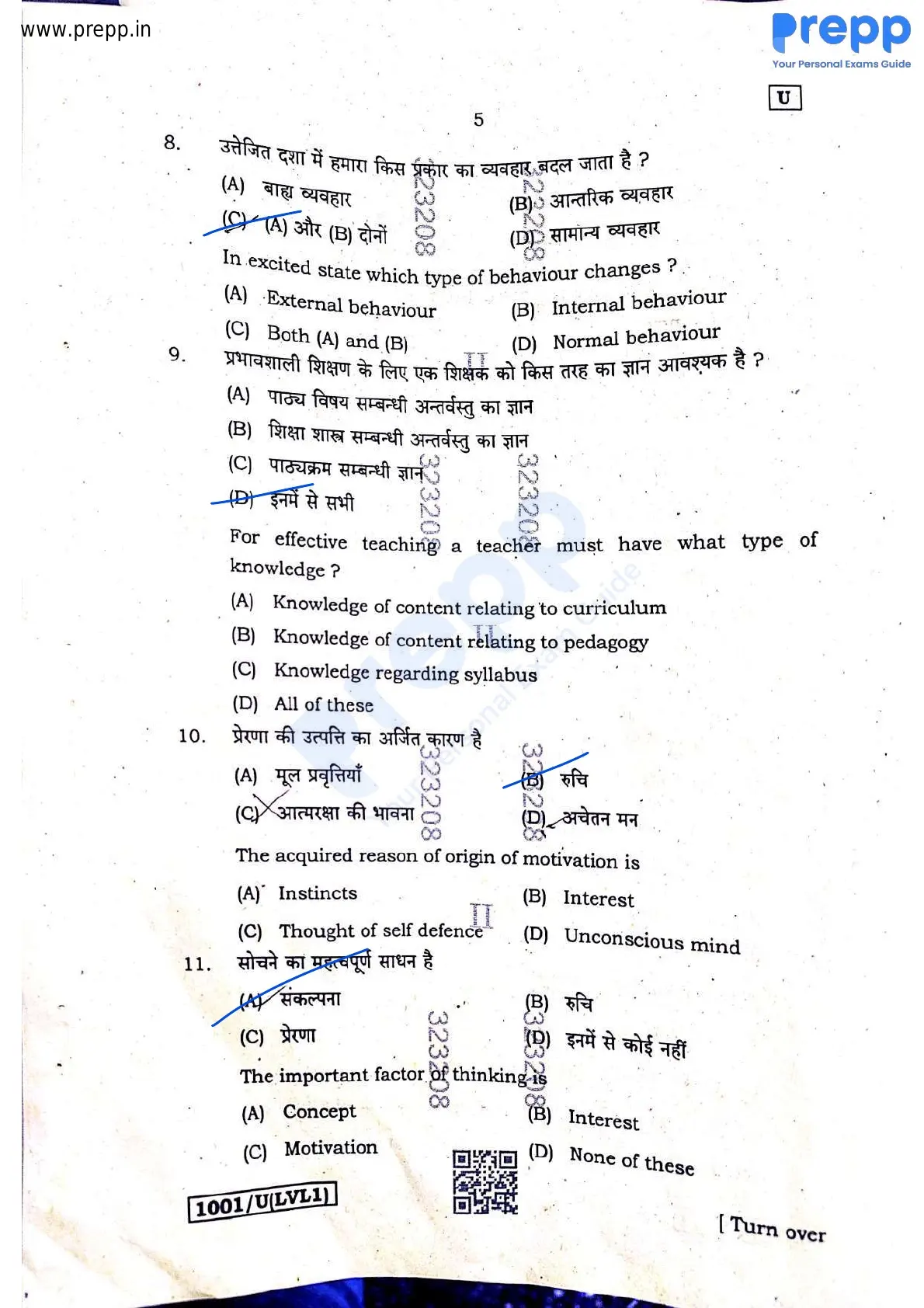
8. In excited state which type of behaviour changes ?
(A) External behaviour
(B) Internal behaviour
(C) Both (A) and (B)
(D) Normal behaviour
Check Correct Answer & Solution
9. For effective teaching a teacher must have what type of knowledge ?
(A) Knowledge of content relating to curriculum
(B) Knowledge of content relating to pedagogy
(C) Knowledge regarding syllabus
(D) All of these
Check Correct Answer & Solution
10. The acquired reason of origin of motivation is
(A) Instincts
(B) Interest
(C) Thought of self defence
(D) Unconscious mind
Check Correct Answer & Solution
11. The important factor of thinking is
(A) Concept
(B) Interest
(C) Motivation
(D) None of these
Check Correct Answer & Solution
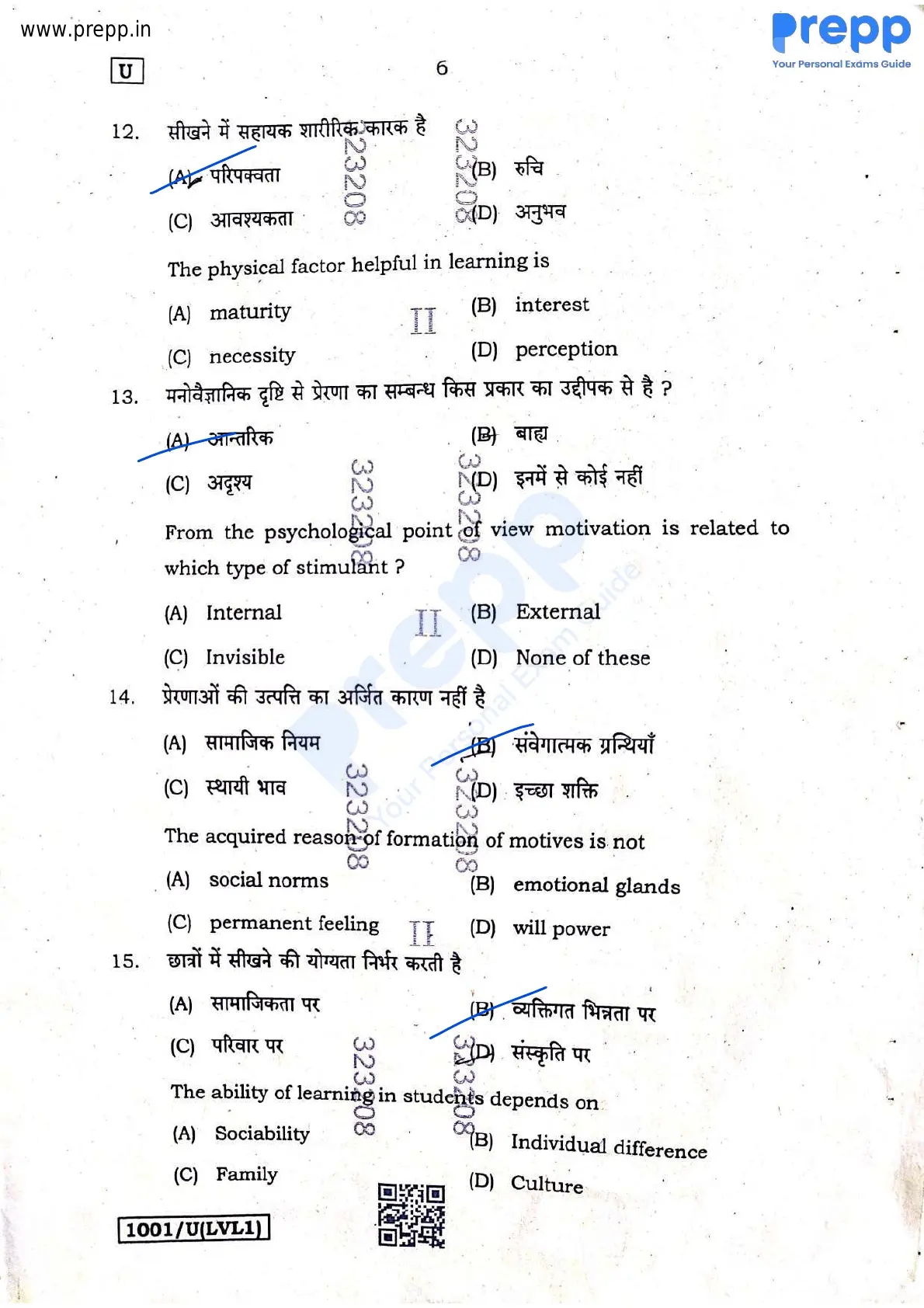
12. The physical factor helpful in learning is
(A) maturity
(B) interest
(C) necessity
(D) perception
Check Correct Answer & Solution
13. From the psychological point of view motivation is related to which type of stimulant ?
(A) Internal
(B) External
(C) Invisible
(D) None of these
Check Correct Answer & Solution
14. The acquired reason of formation of motives is not
(A) social norms
(B) emotional glands
(C) permanent feeling
(D) will power
Check Correct Answer & Solution
15. The ability of learning in students depends on
(A) Sociability
(B) Individual difference
(C) Family
(D) Culture
Check Correct Answer & Solution
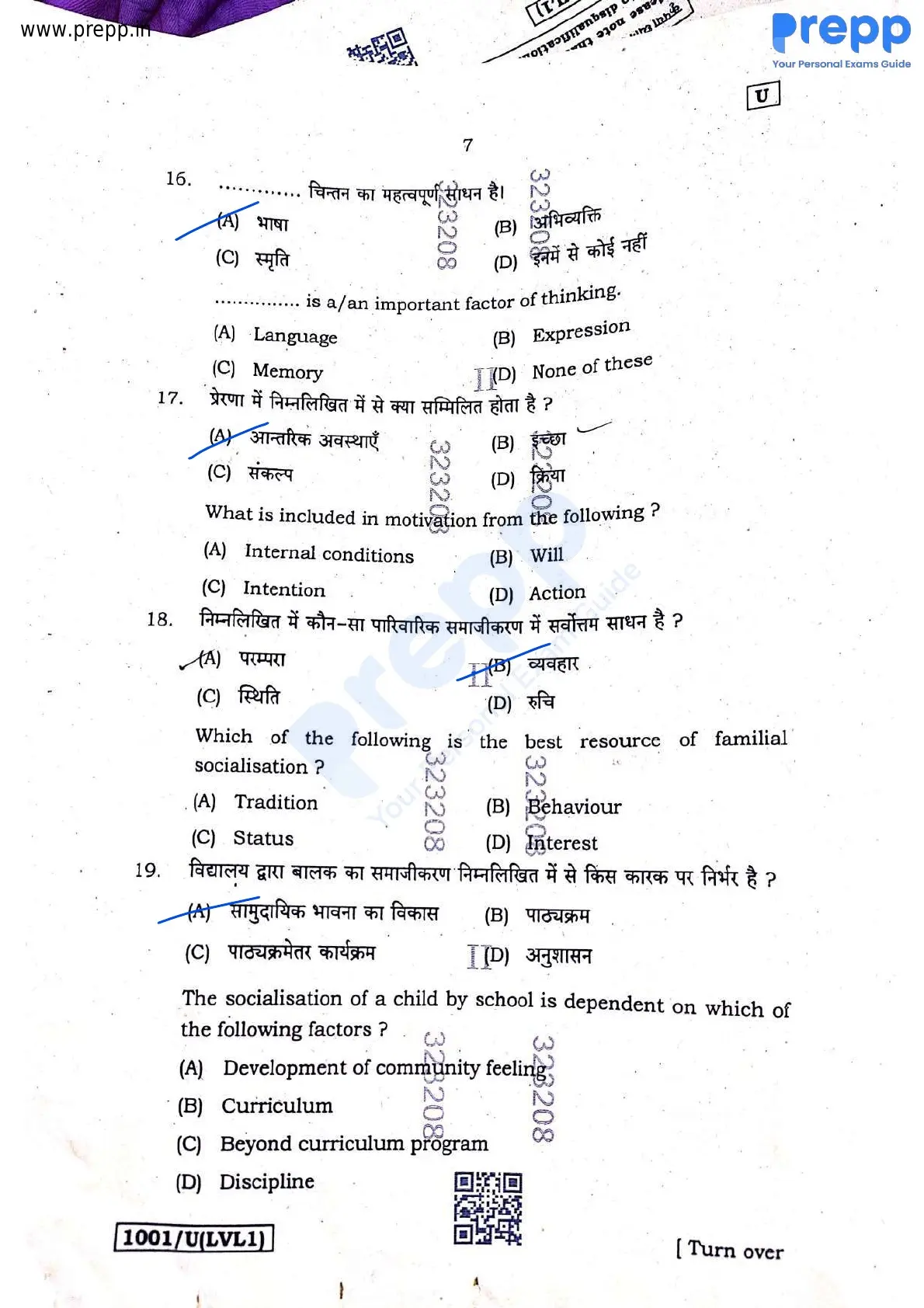
16. ............ is a/an important factor of thinking.
(A) Language
(B) Expression
(C) Memory
(D) None of these
Check Correct Answer & Solution
17. What is included in motivation from the following?
(A) Internal conditions
(B) Will
(C) Intention
(D) Action
Check Correct Answer & Solution
18. Which of the following is the best resource of familial socialisation?
(A) Tradition
(B) Behaviour
(C) Status
(D) Interest
Check Correct Answer & Solution
19. The socialisation of a child by school is dependent on which of the following factors?
(A) Development of community feeling
(B) Curriculum
(C) Beyond curriculum program
(D) Discipline
Check Correct Answer & Solution
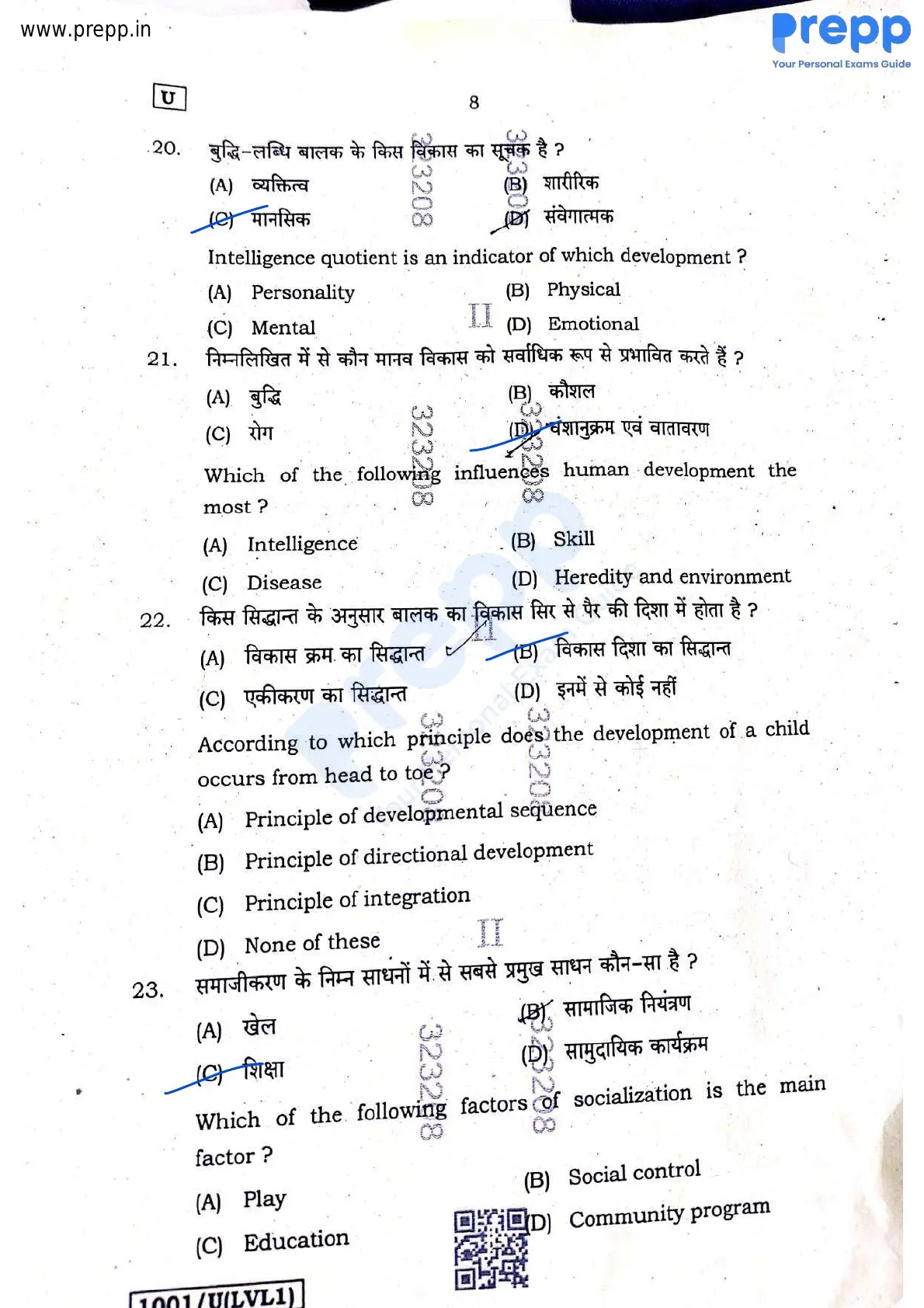
20. Intelligence quotient is an indicator of which development?
(A) Personality
(B) Physical
(C) Mental
(D) Emotional
Check Correct Answer & Solution
21. Which of the following influences human development the most?
(A) Intelligence
(B) Skill
(C) Disease
(D) Heredity and environment
Check Correct Answer & Solution
22. According to which principle does the development of a child occur from head to toe?
(A) Principle of developmental sequence
(B) Principle of directional development
(C) Principle of integration
(D) None of these
Check Correct Answer & Solution
23. Which of the following factors of socialization is the main factor?
(A) Play
(B) Social control
(C) Education
(D) Community program
Check Correct Answer & Solution
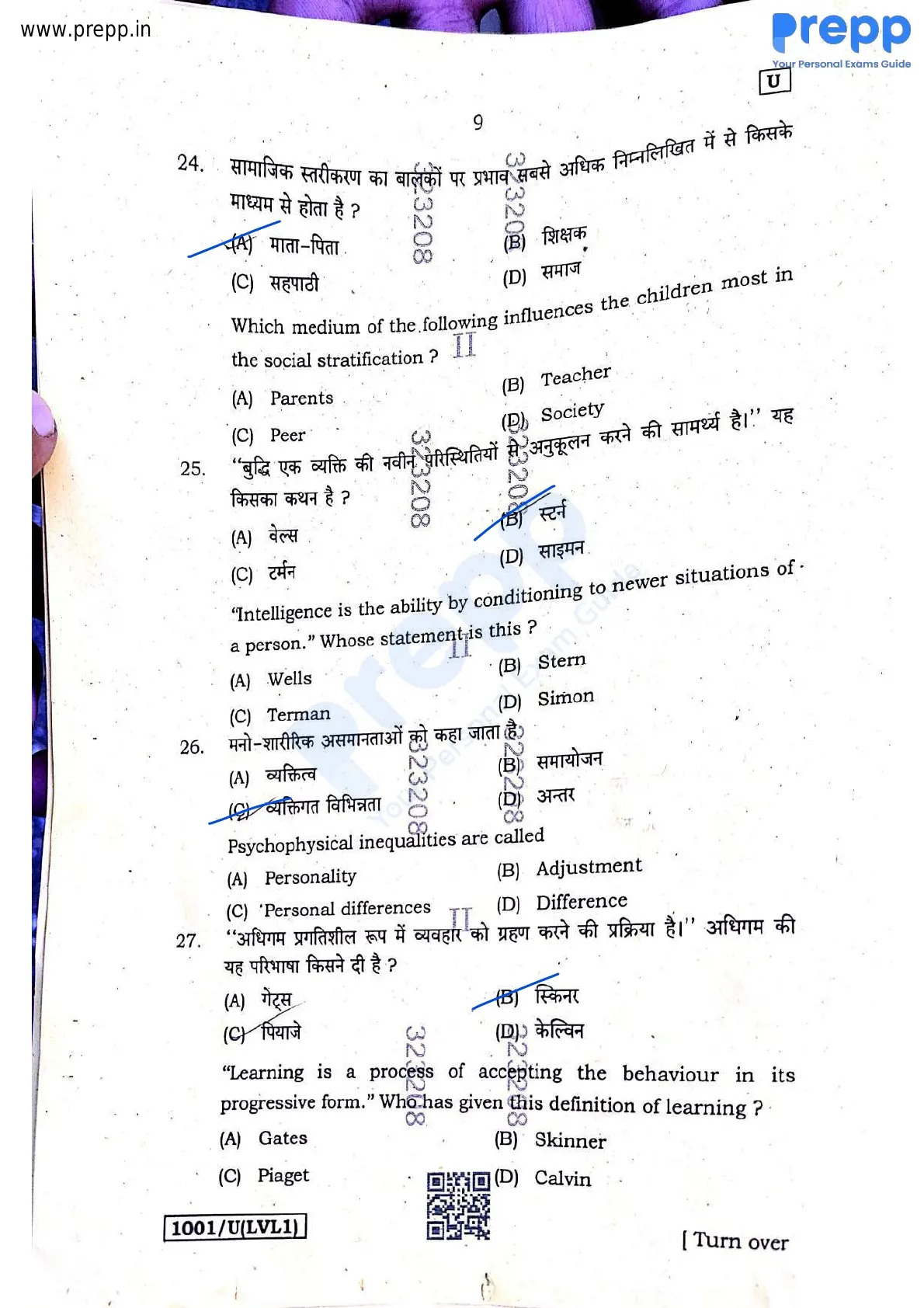
24. Which medium of the following influences the children most in the social stratification?
(A) Parents
(B) Teacher
(C) Peer
(D) Society
Check Correct Answer & Solution
25. “Intelligence is the ability by conditioning to newer situations of a person.” Whose statement is this?
(A) Wells
(B) Stern
(C) Terman
(D) Simon
Check Correct Answer & Solution
26. Psychophysical inequalities are called
(A) Personality
(B) Adjustment
(C) Personal differences
(D) Difference
Check Correct Answer & Solution
27. “Learning is a process of accepting the behaviour in its progressive form.” Who has given this definition of learning?
(A) Gates
(B) Skinner
(C) Piaget
(D) Calvin
Check Correct Answer & Solution
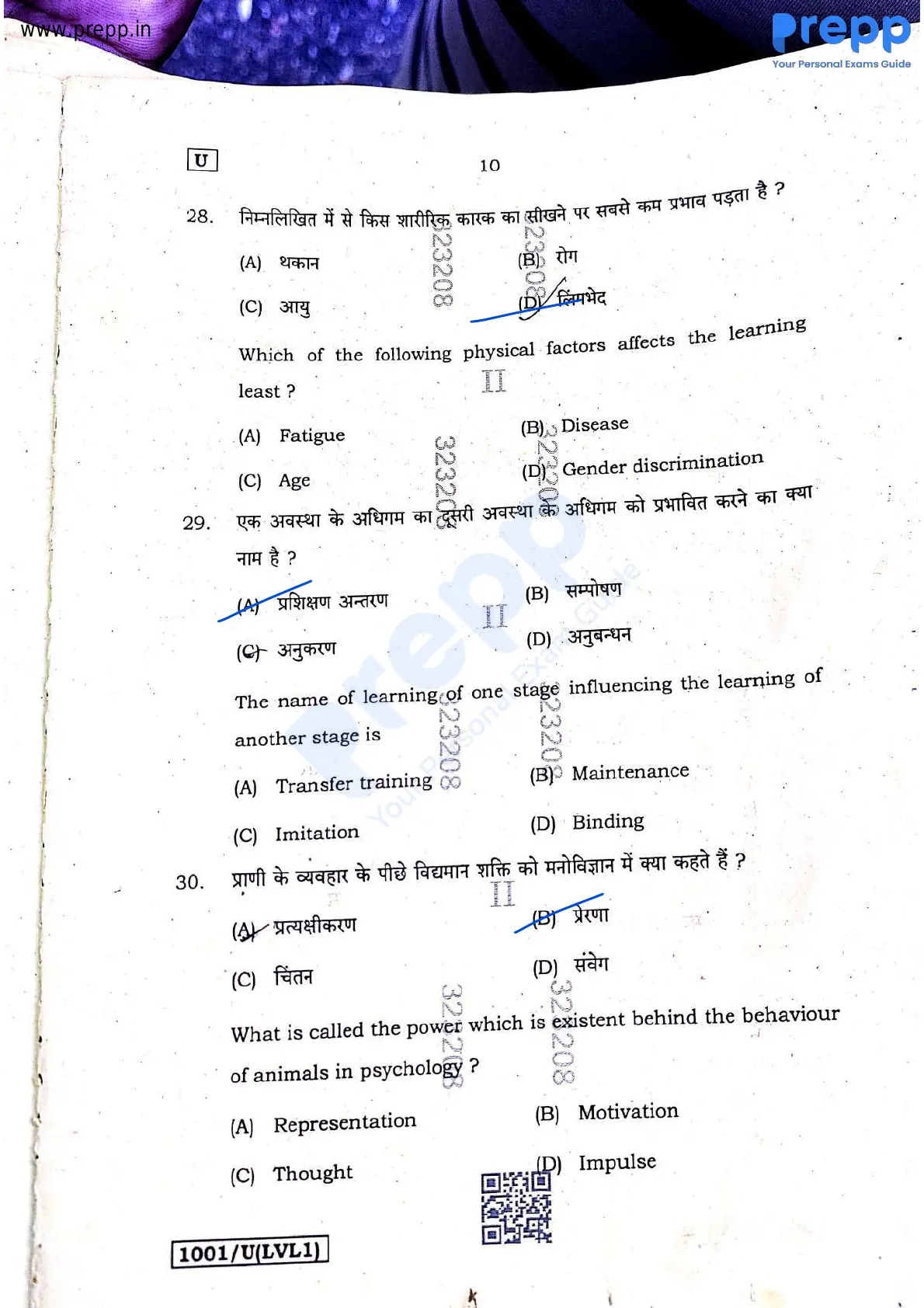
28. Which of the following physical factors affects the learning least?
(A) Fatigue
(B) Disease
(C) Age
(D) Gender discrimination
Check Correct Answer & Solution
29. The name of learning of one stage influencing the learning of another stage is
(A) Transfer training
(B) Maintenance
(C) Imitation
(D) Binding
Check Correct Answer & Solution
30. What is called the power which is existent behind the behaviour of animals in psychology?
(A) Representation
(B) Motivation
(C) Thought
(D) Impulse
Check Correct Answer & Solution
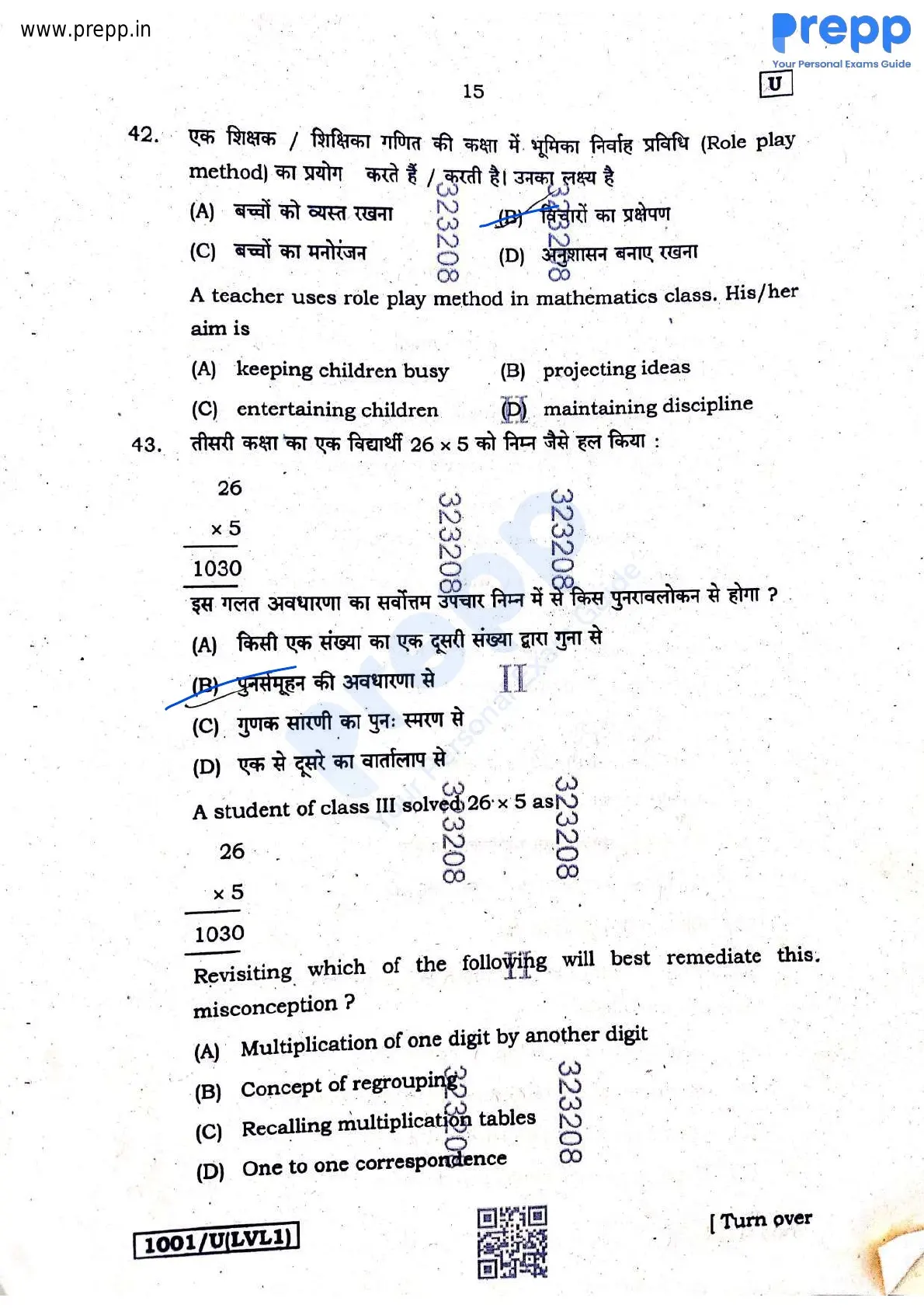
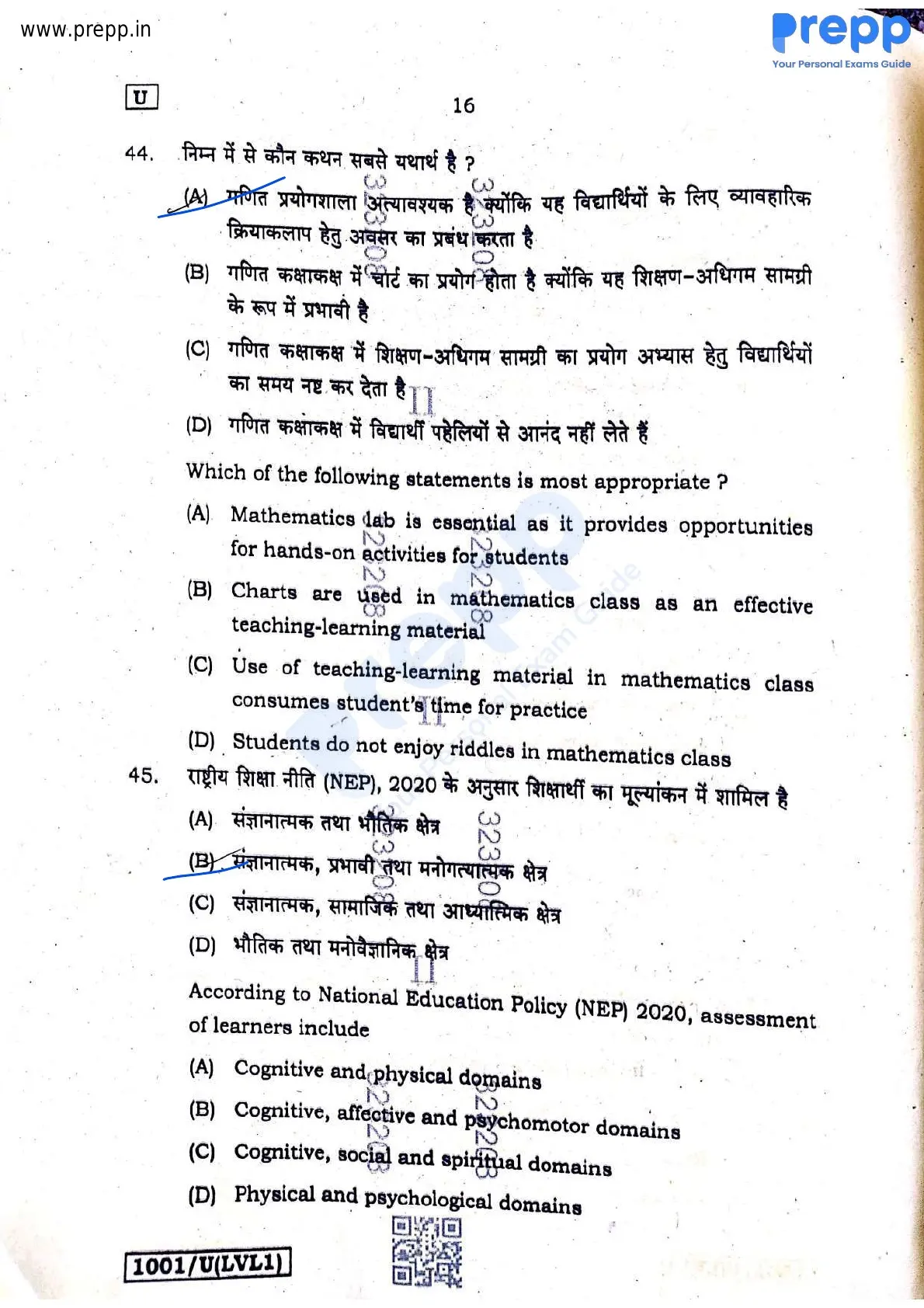
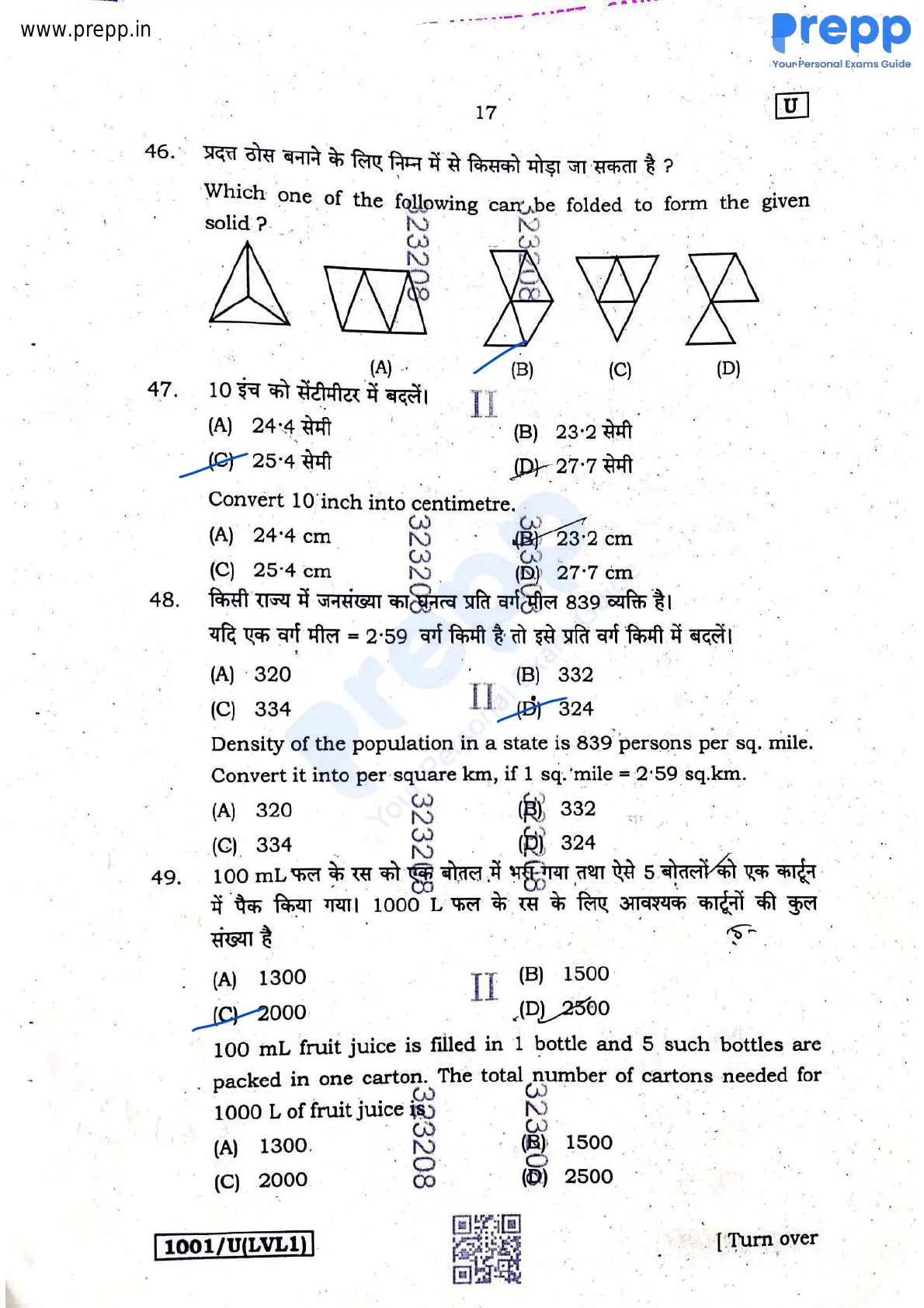
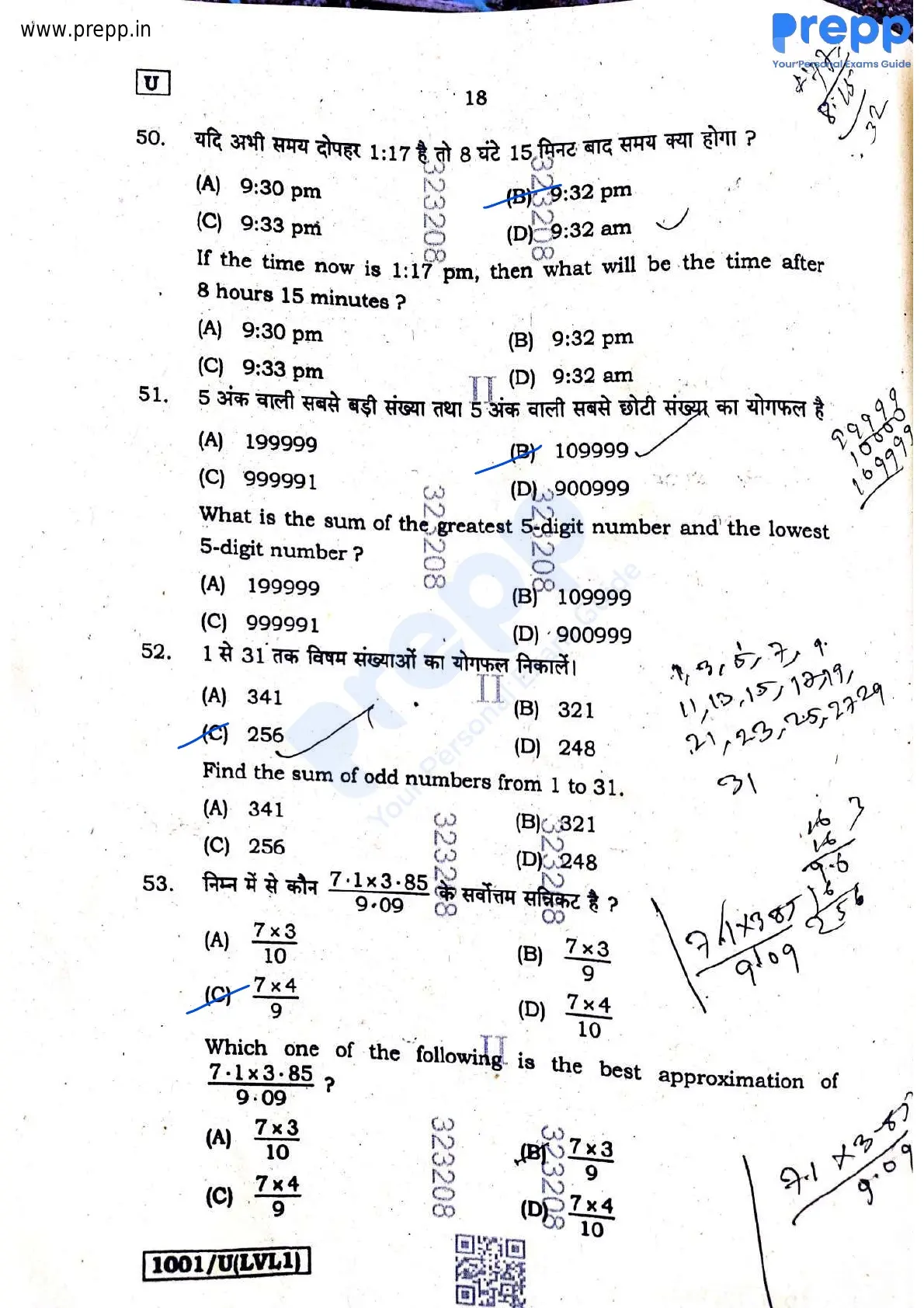
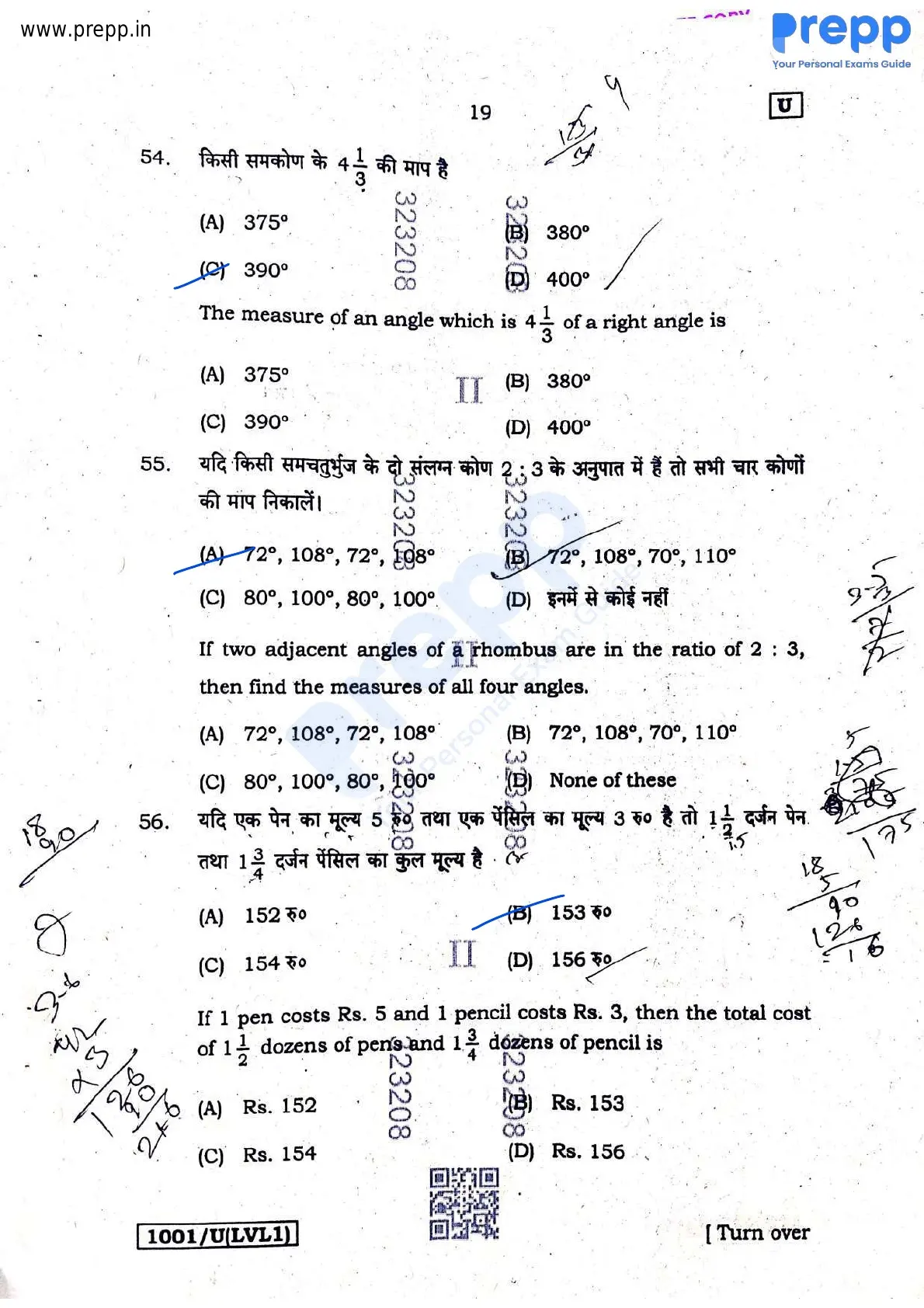
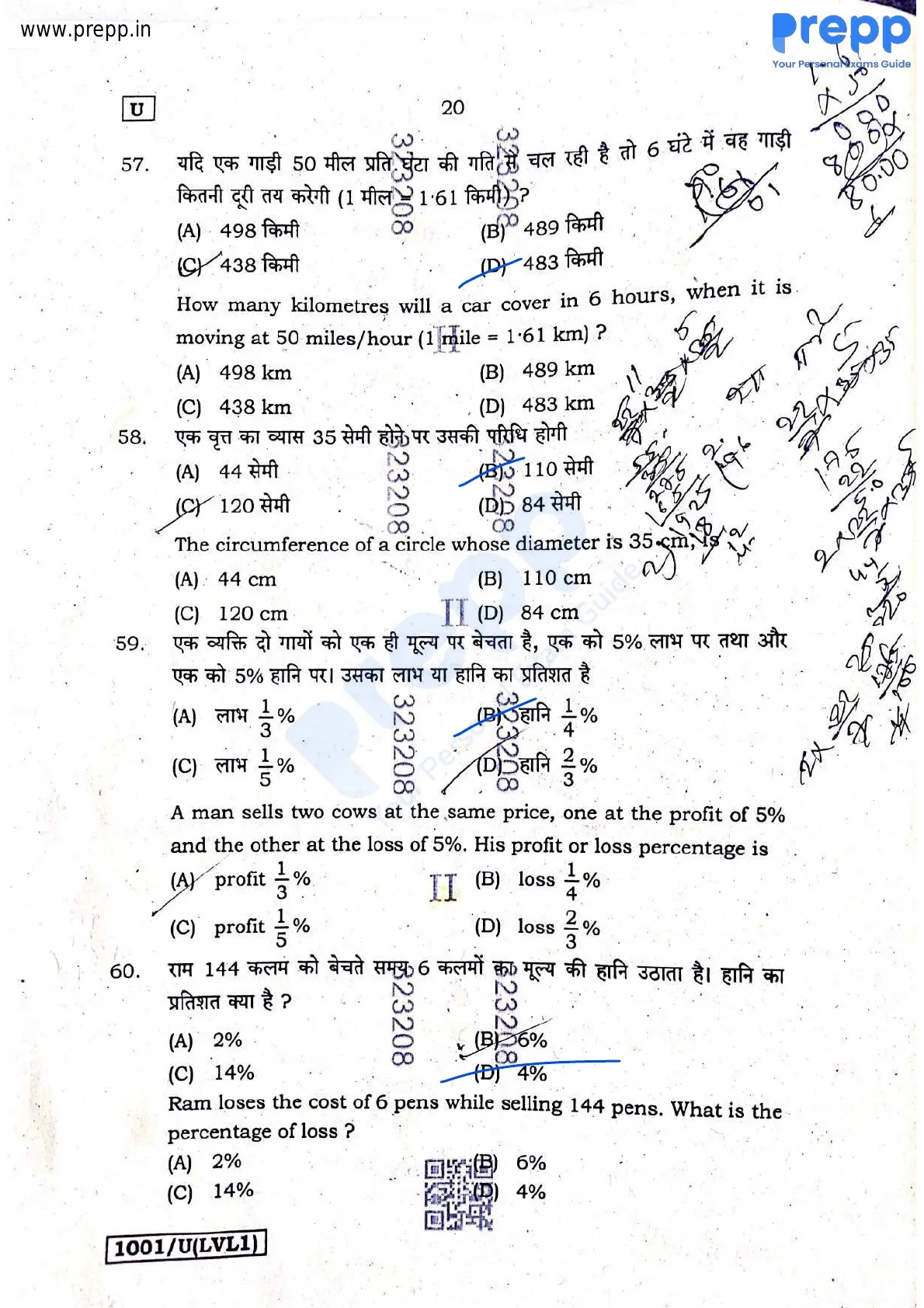
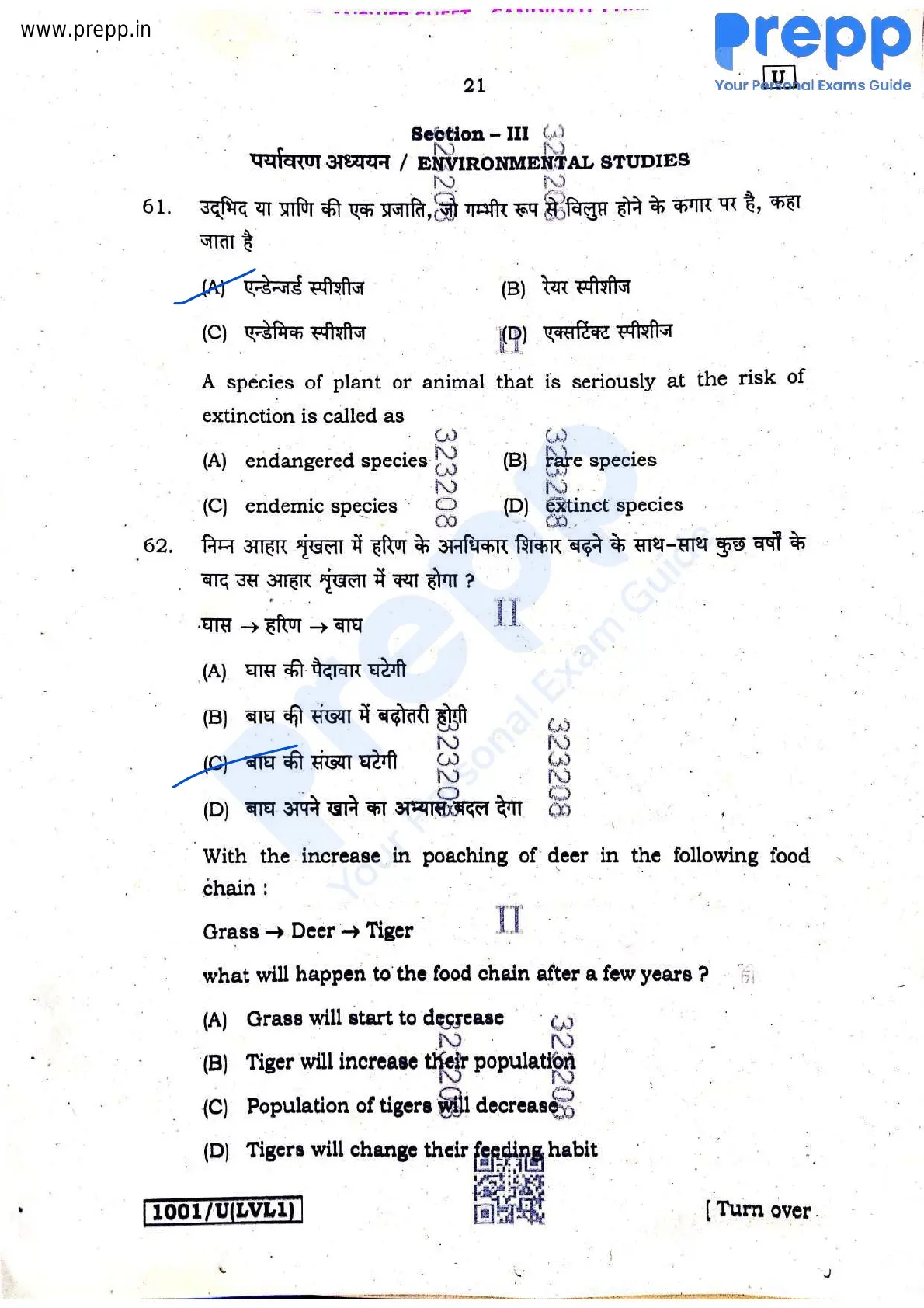
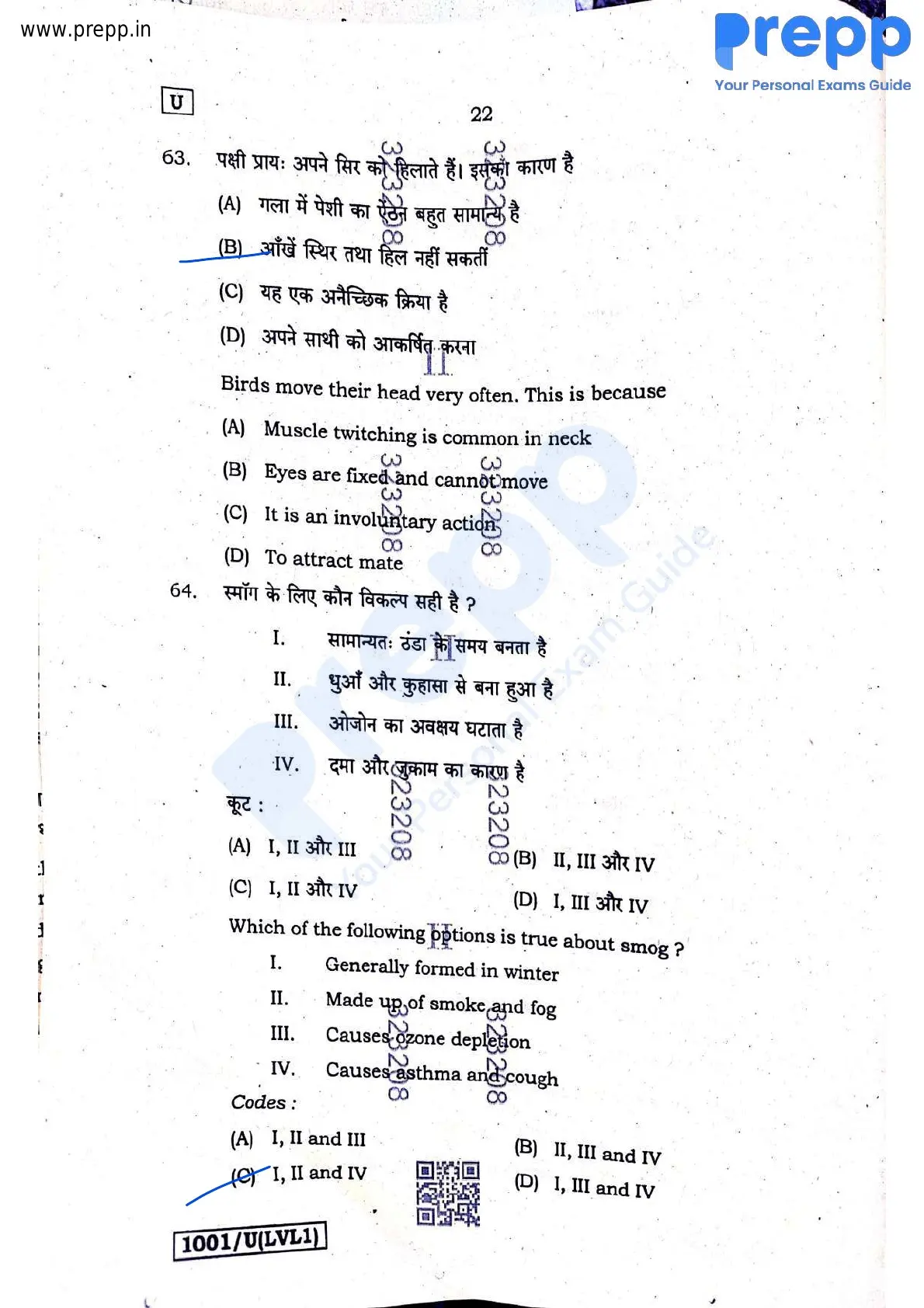
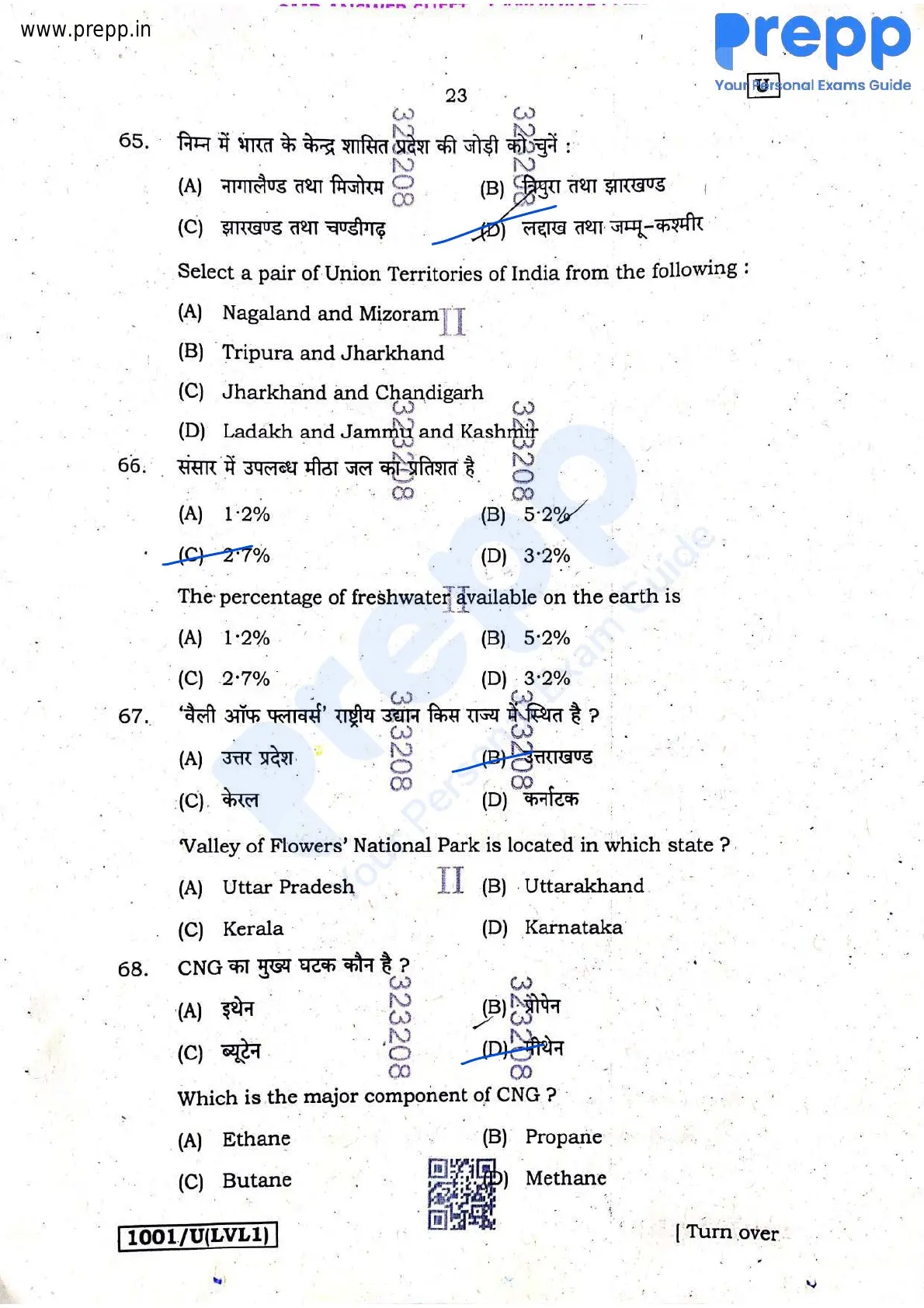
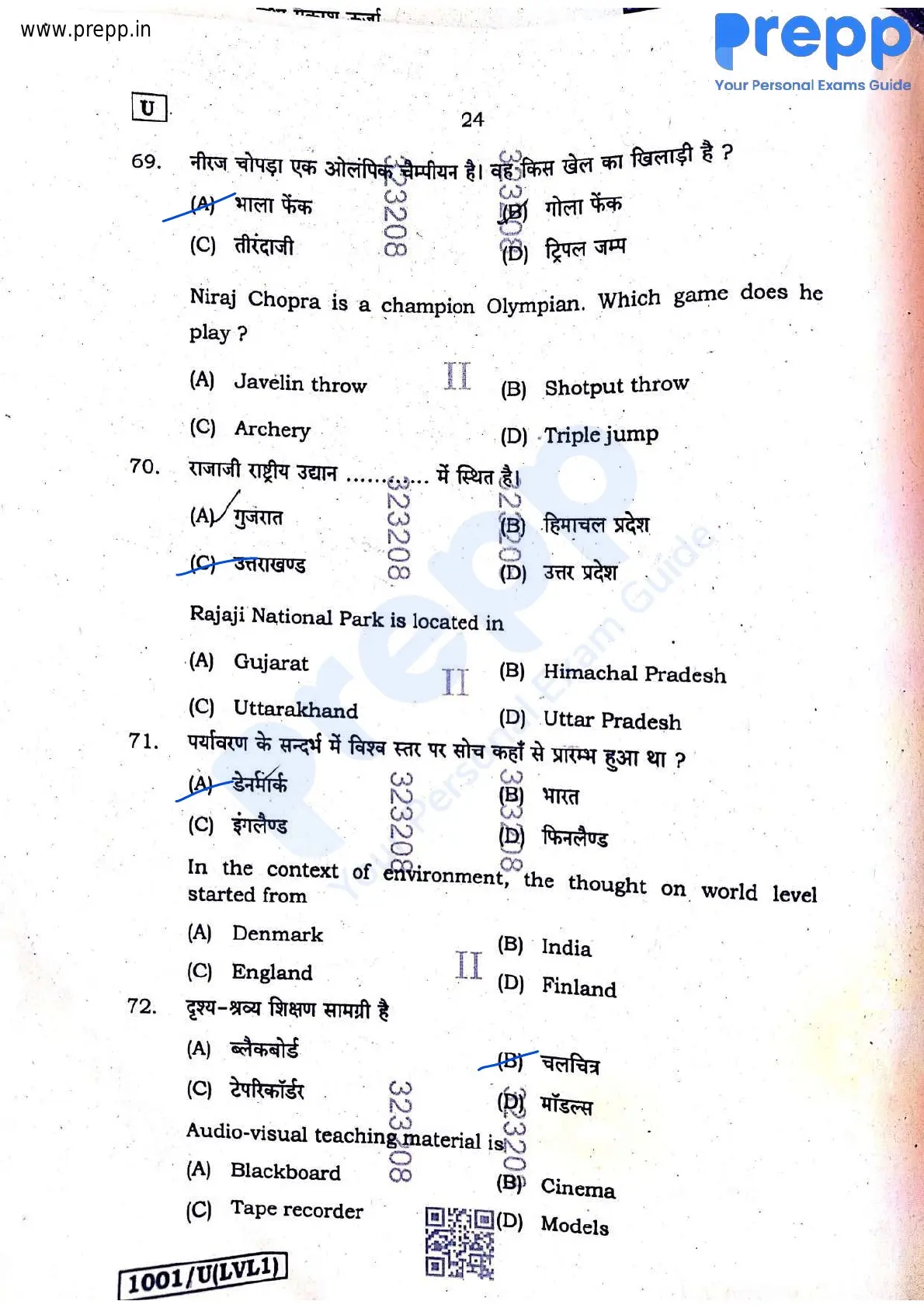
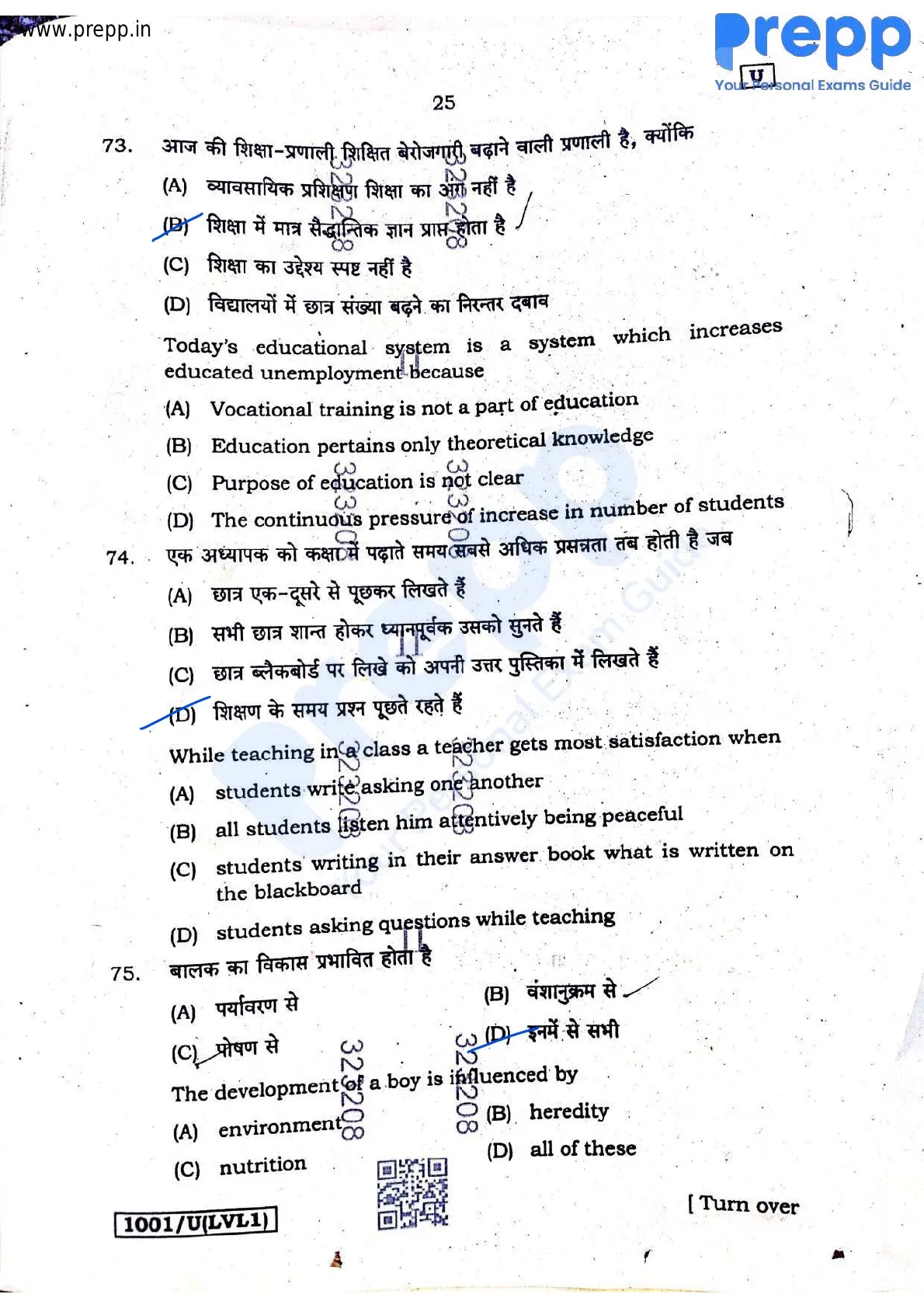
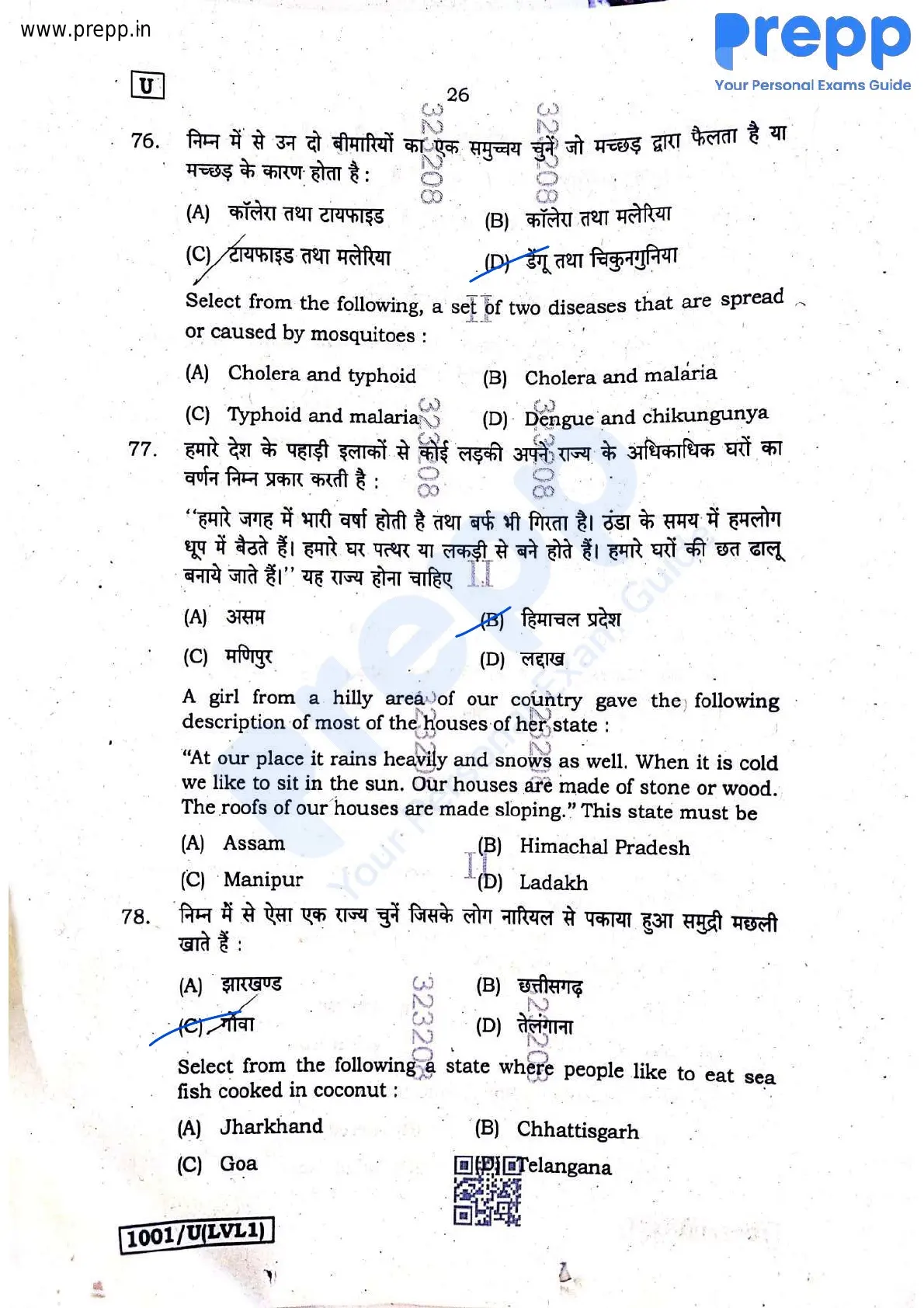
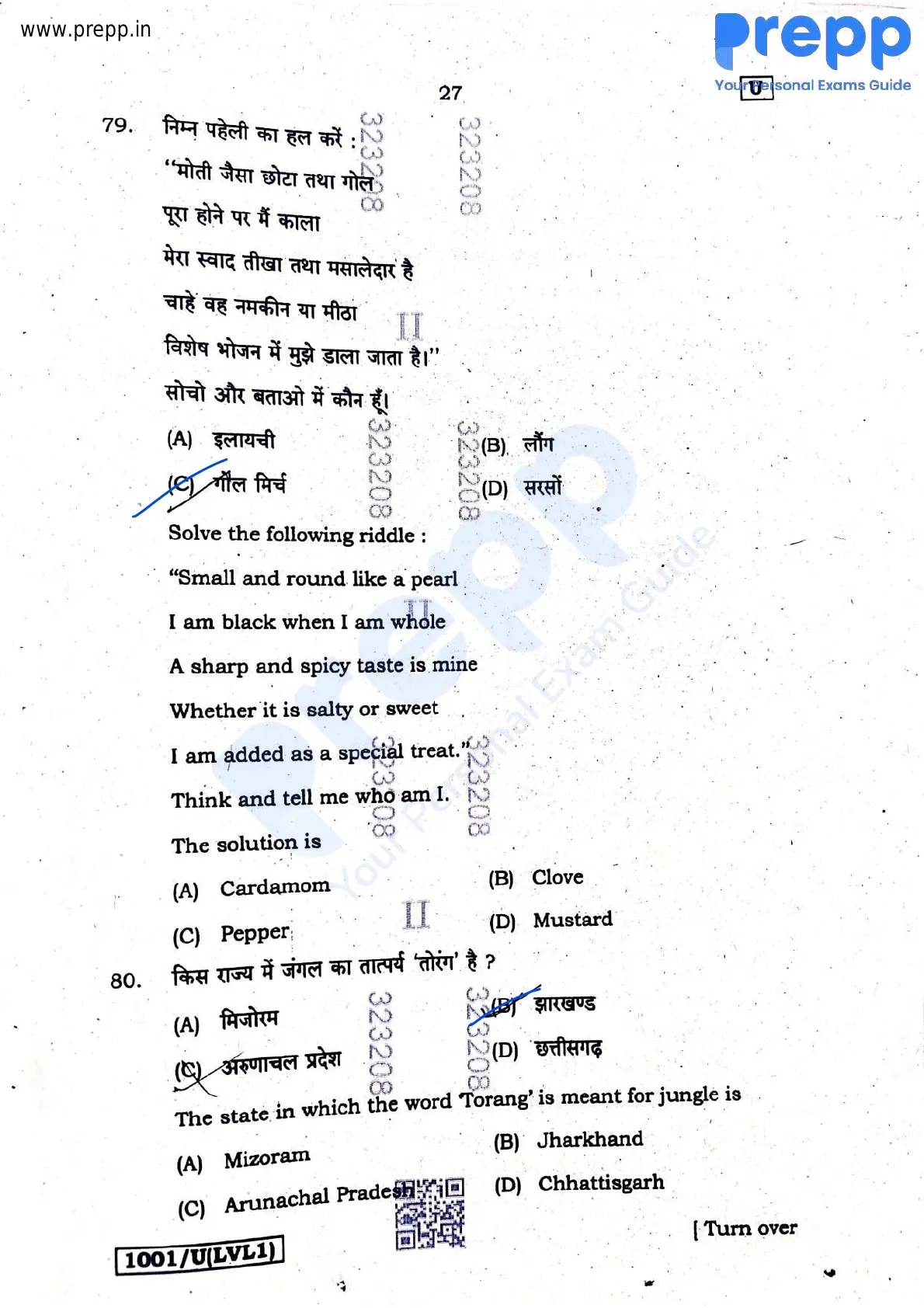
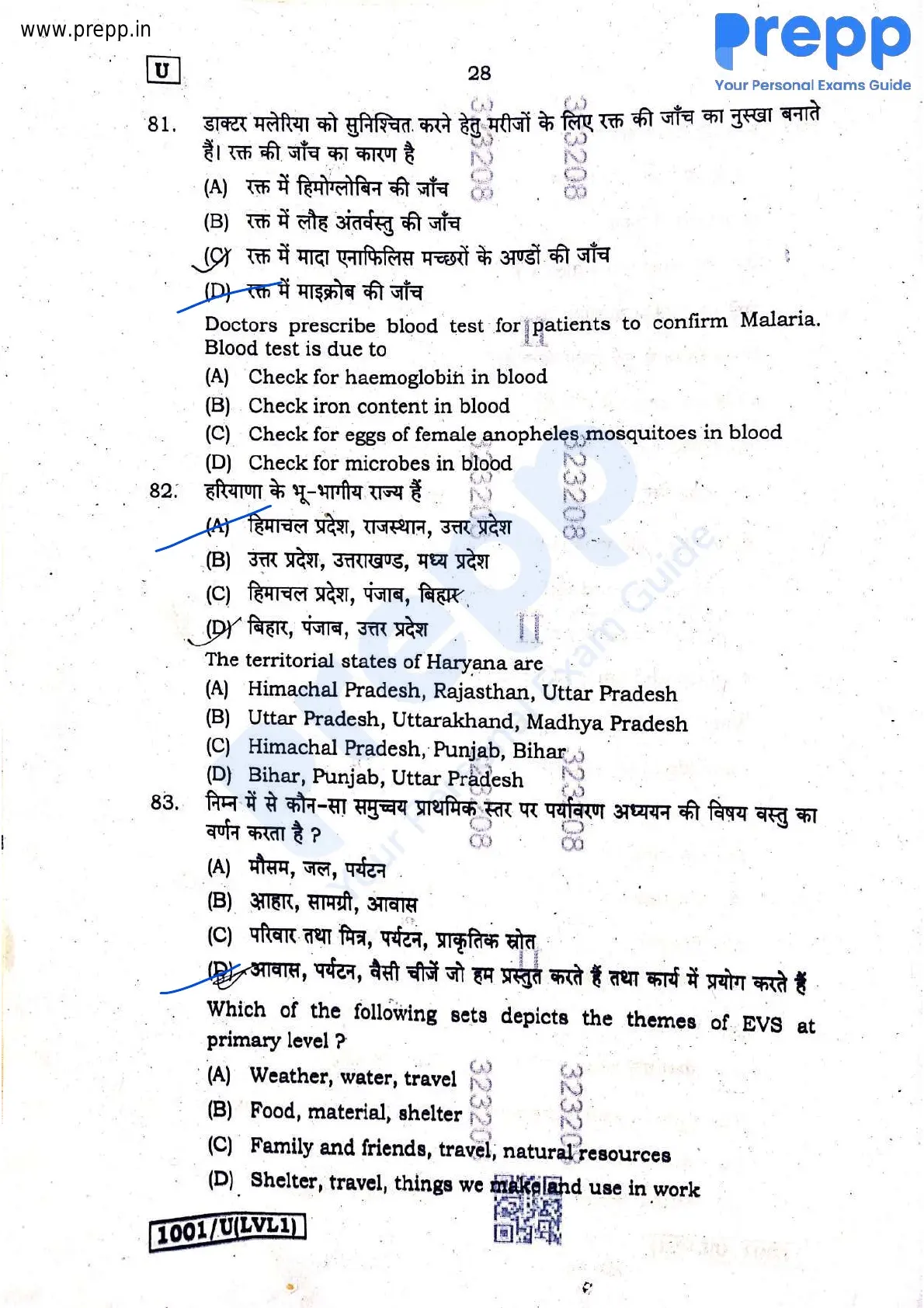
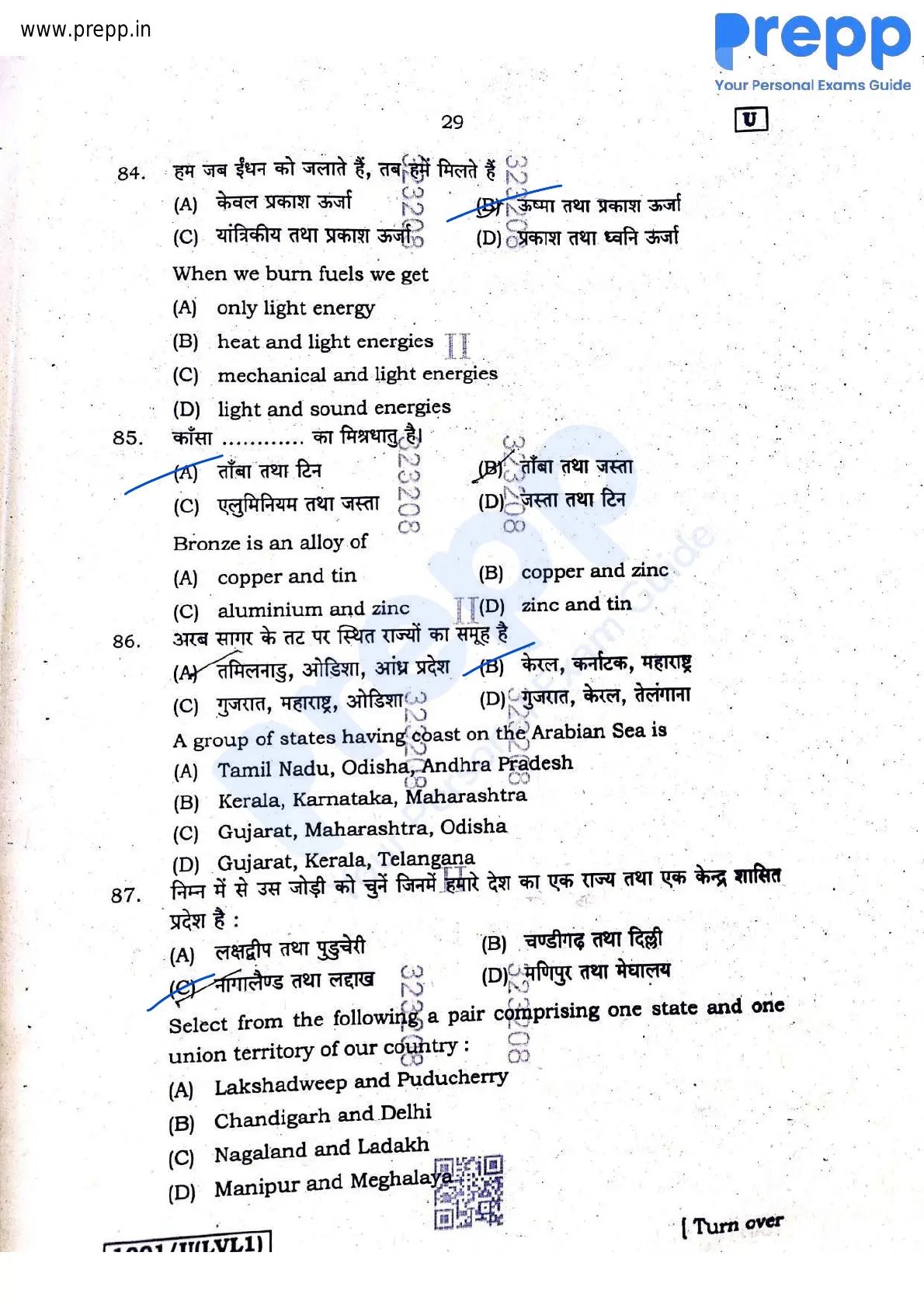
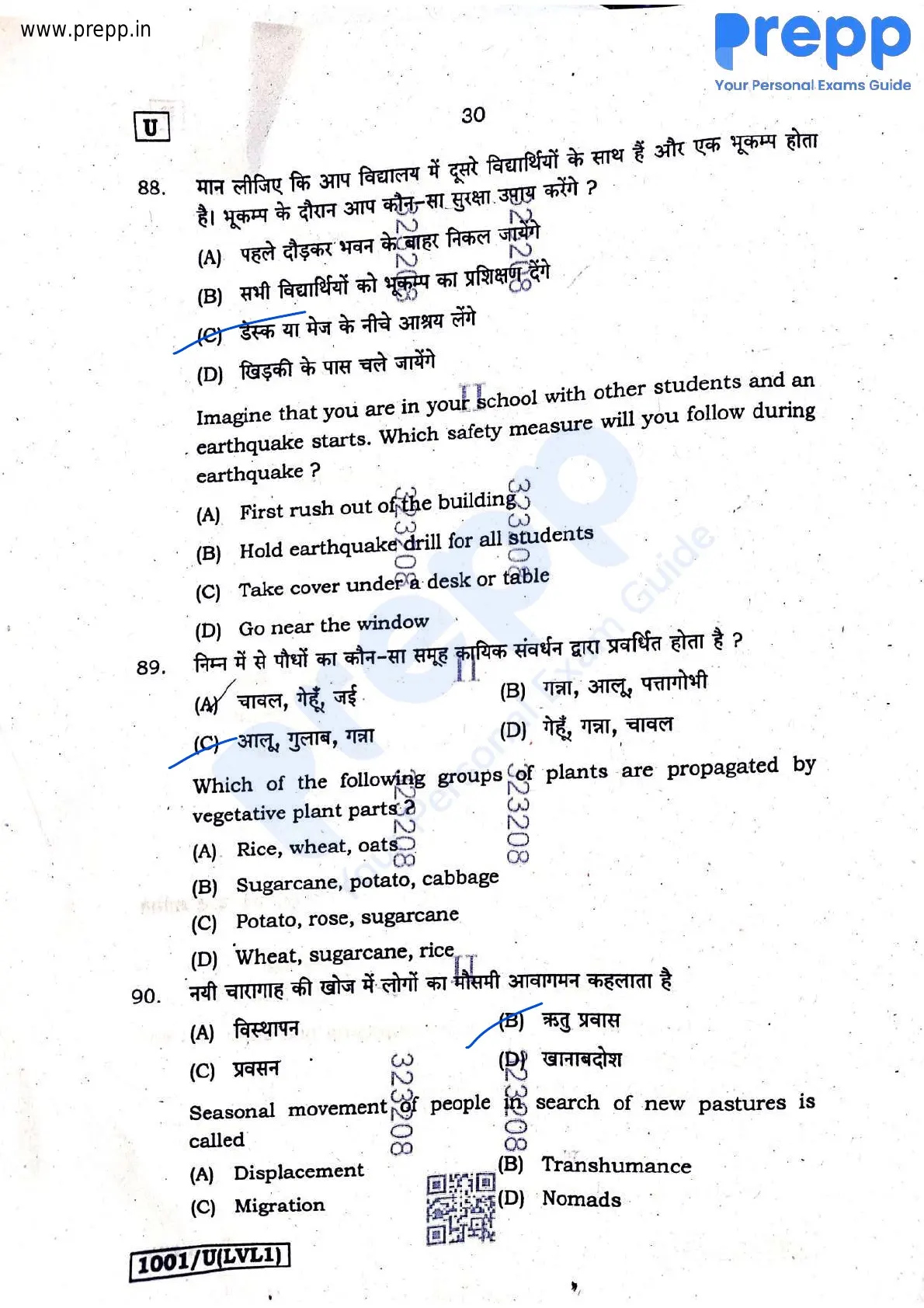
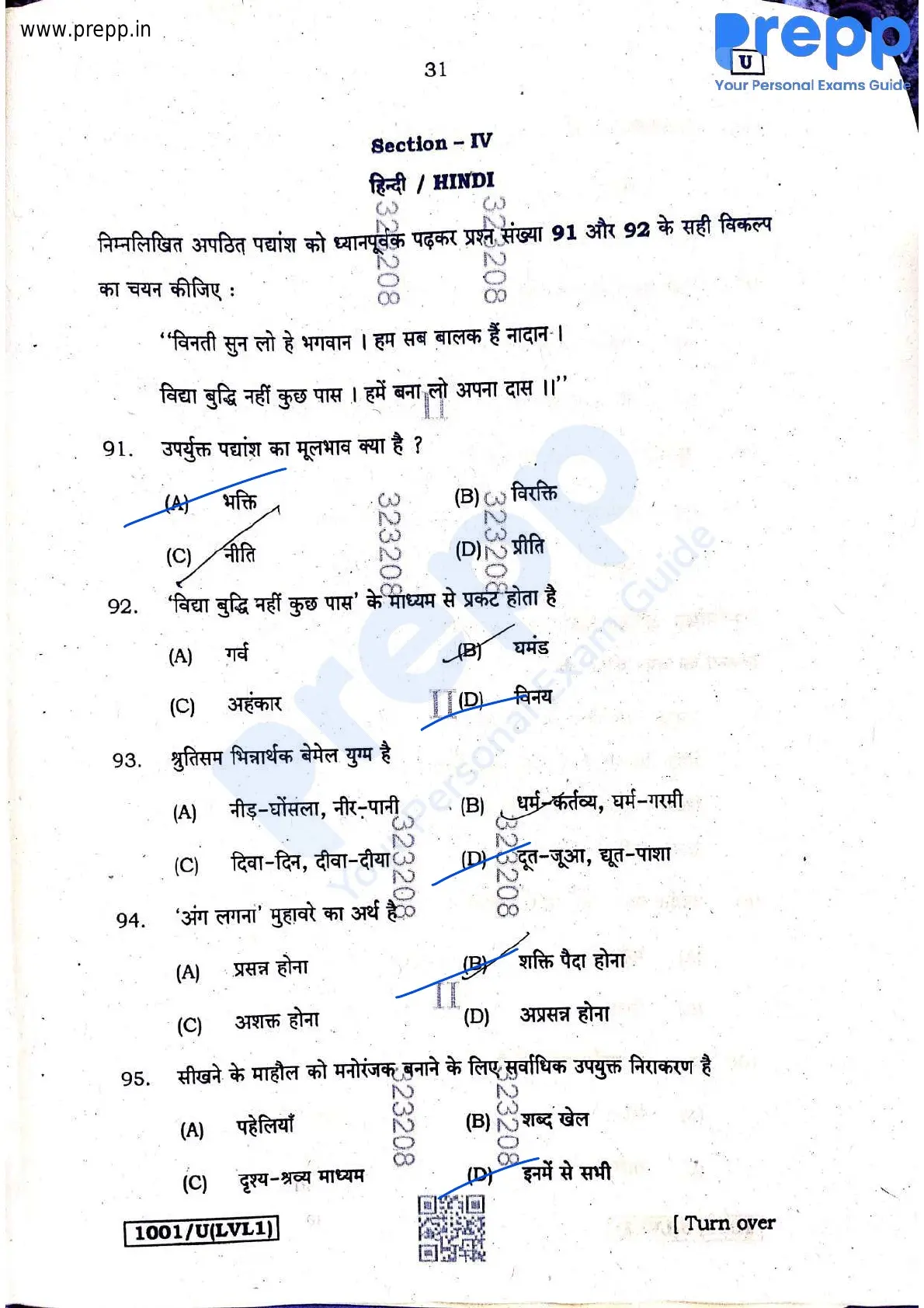
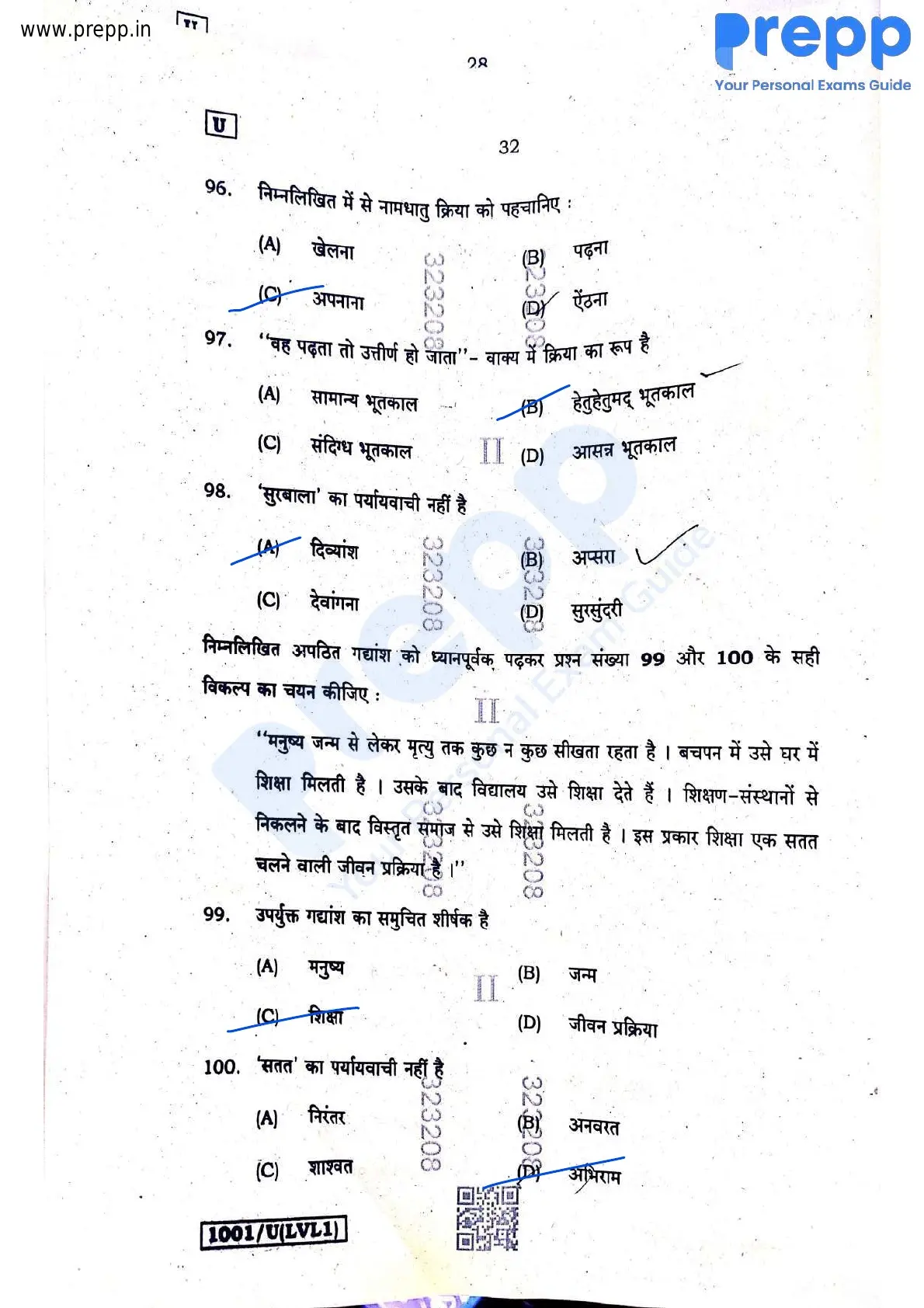
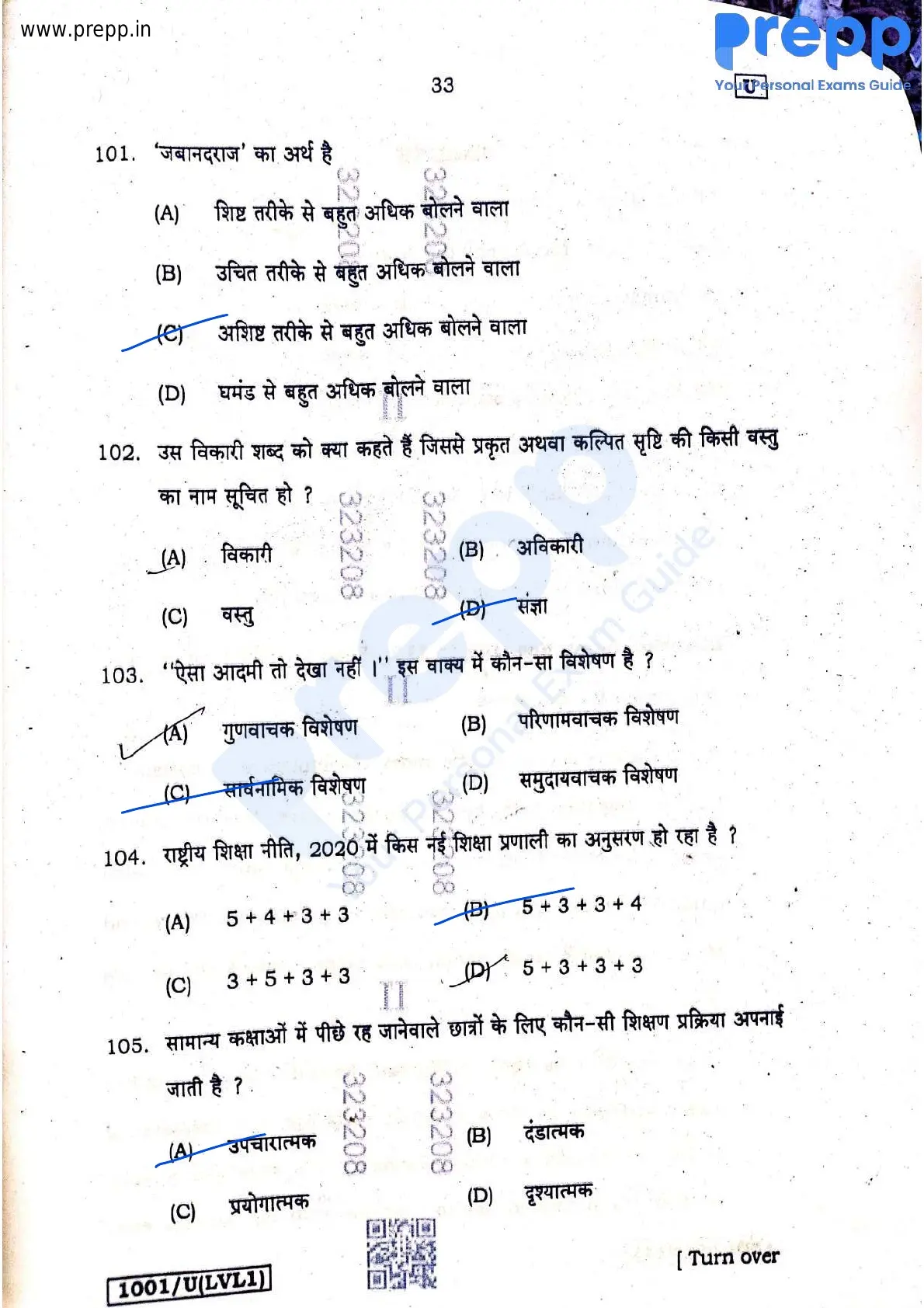
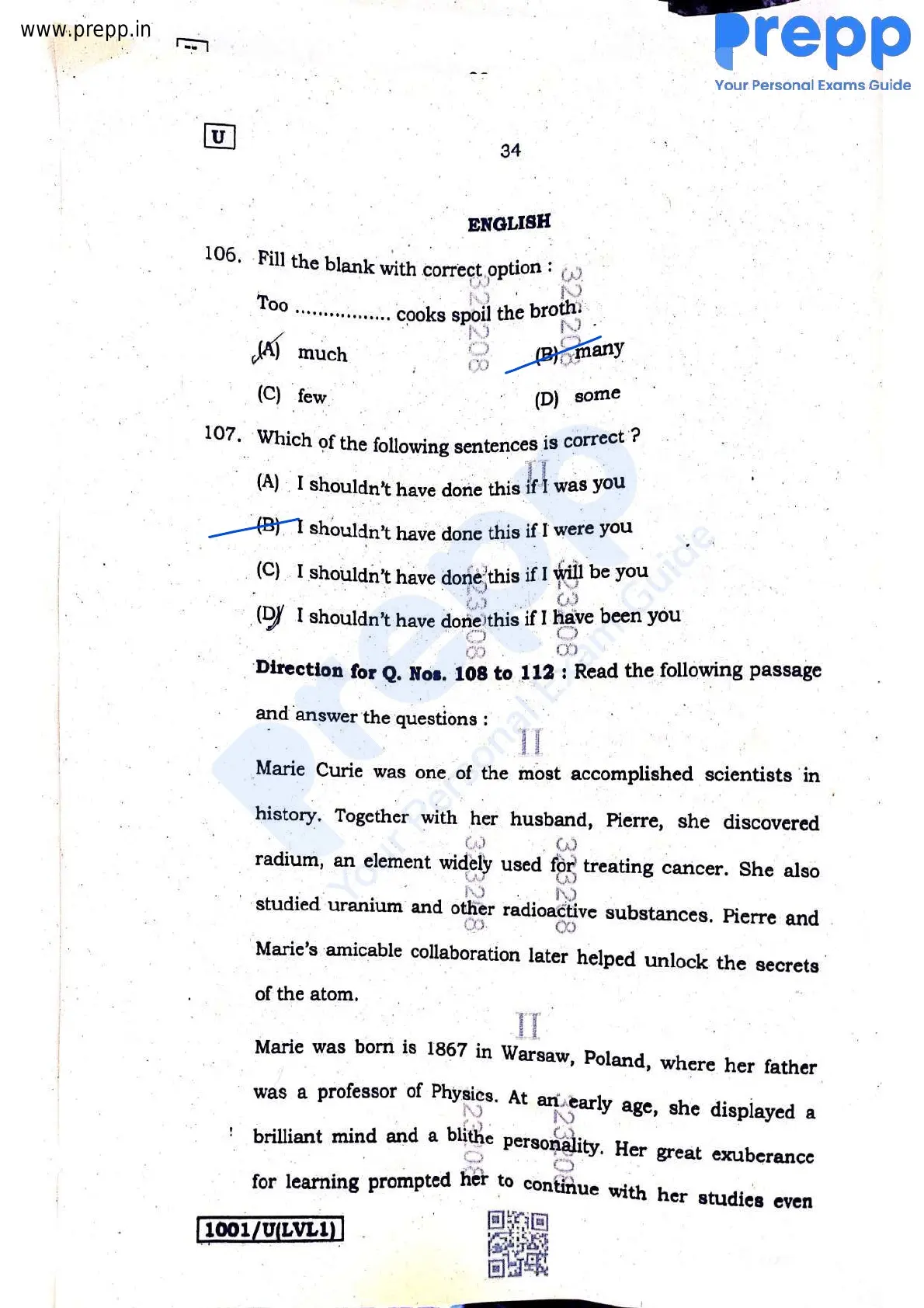
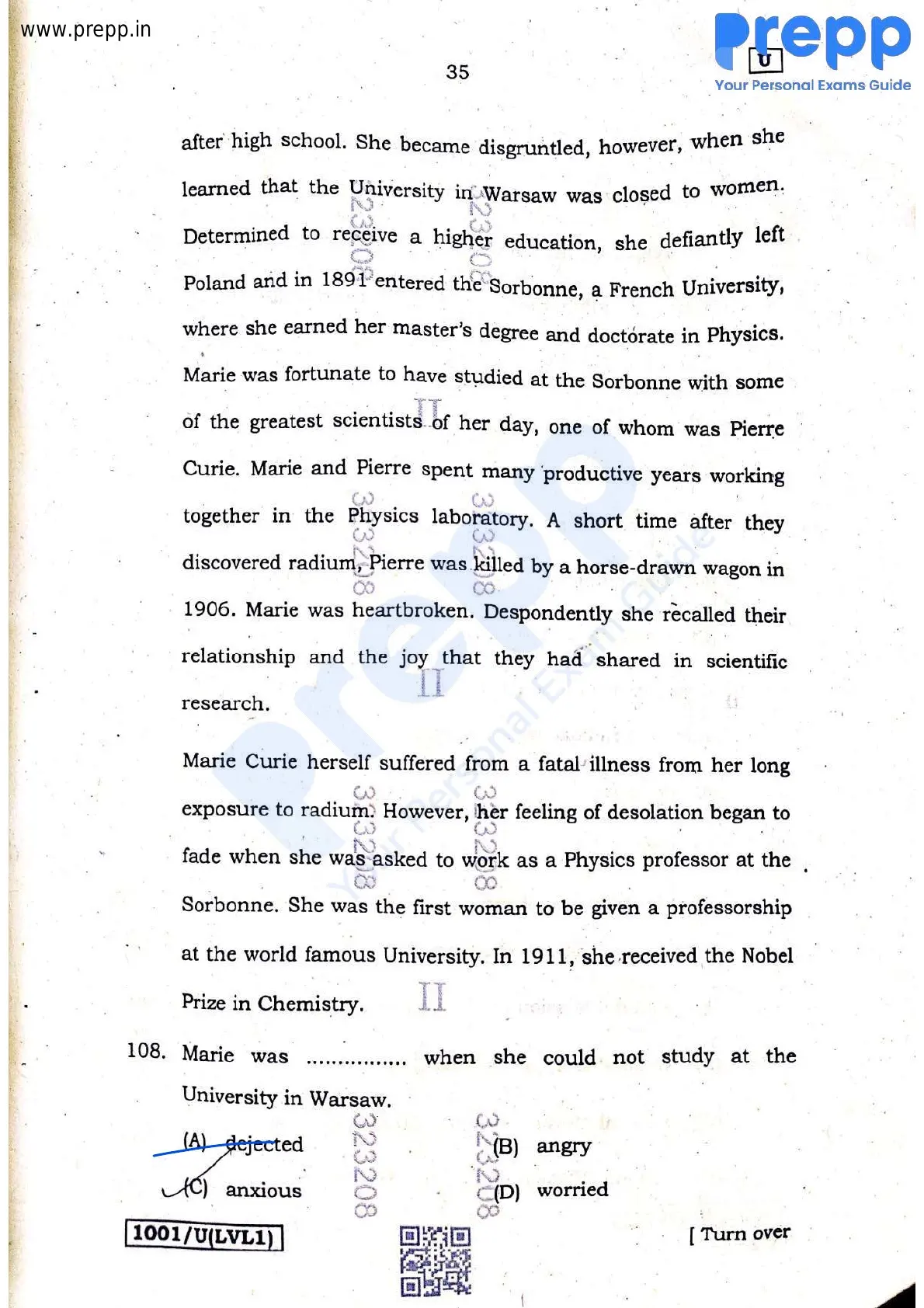
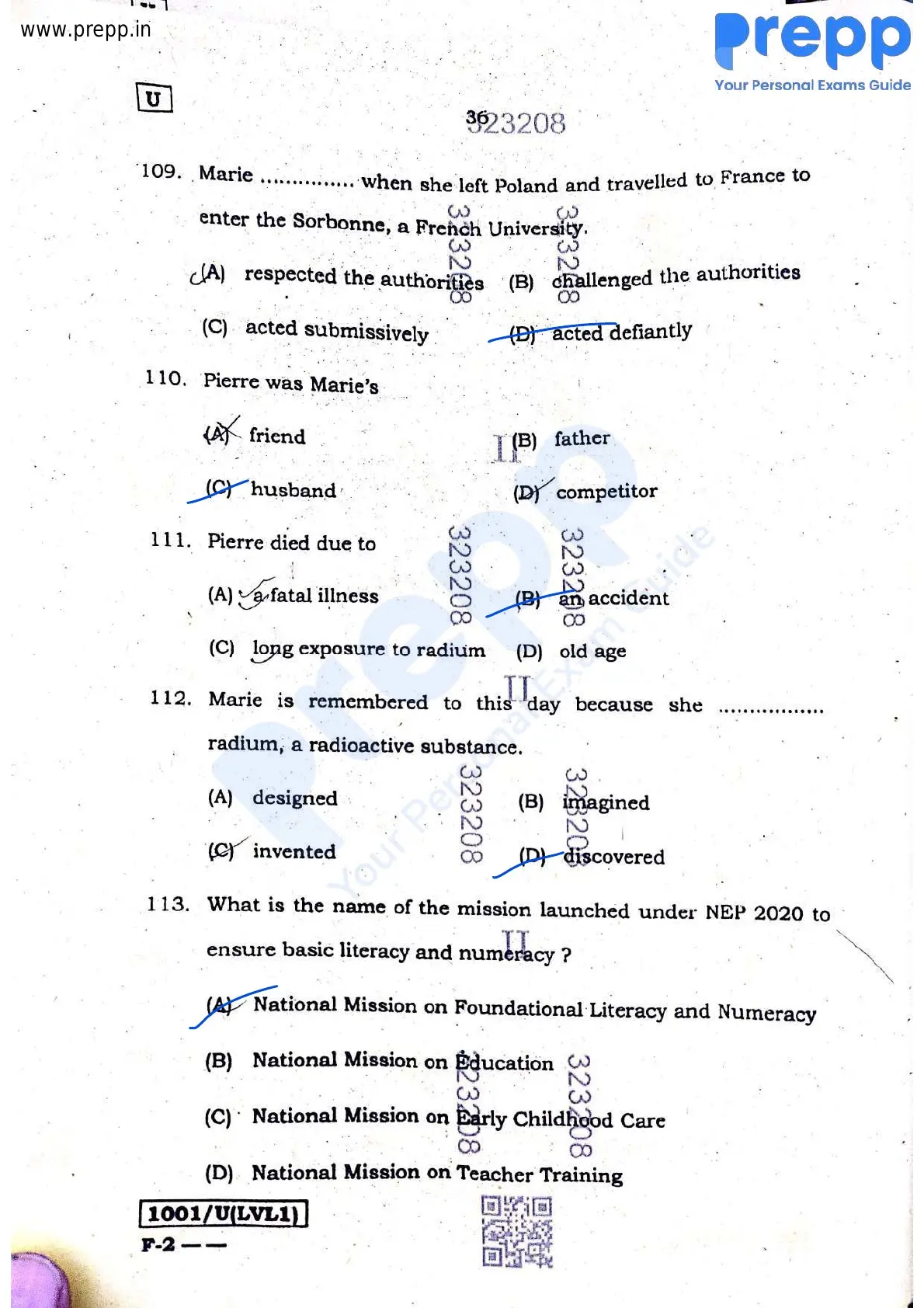
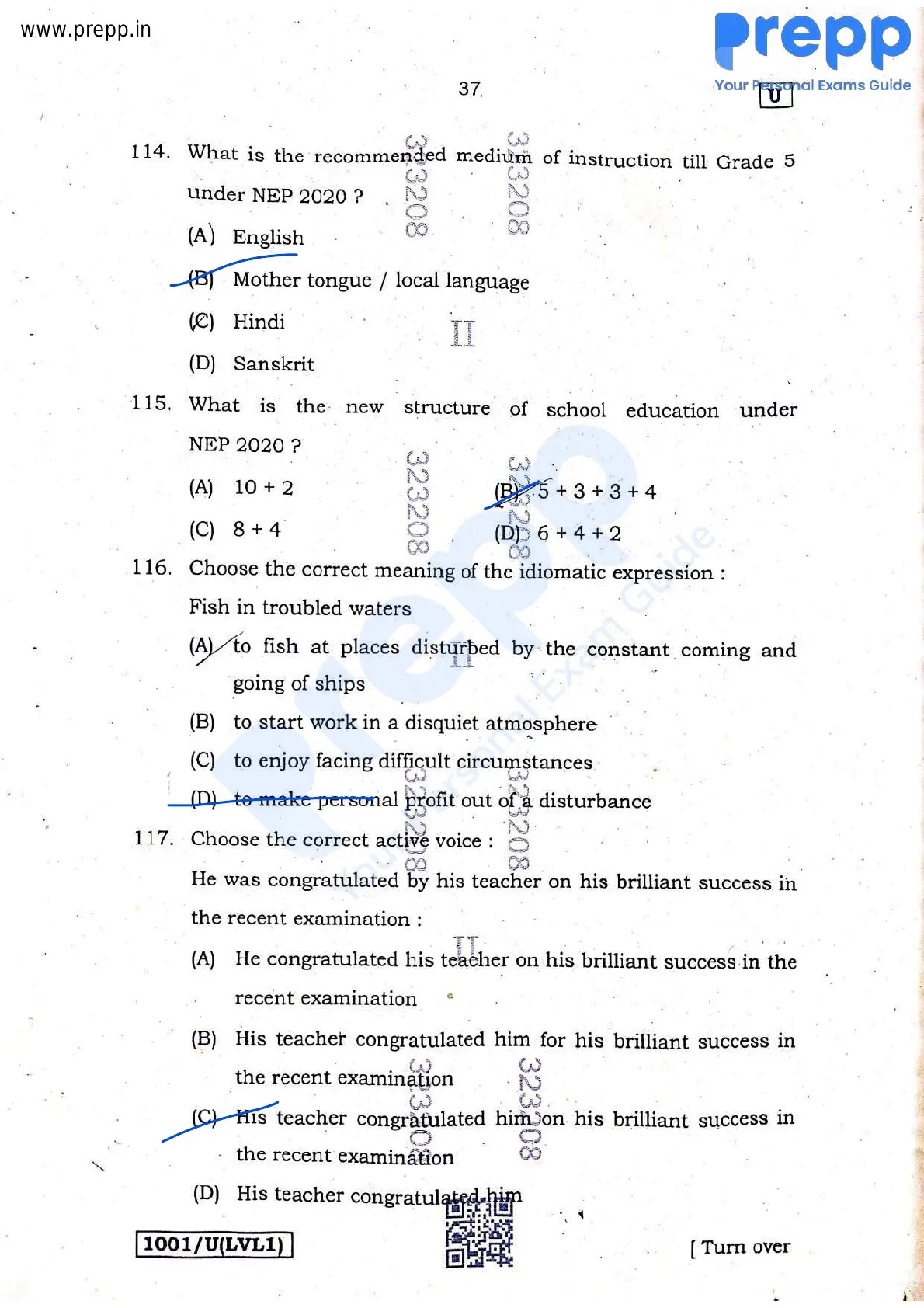
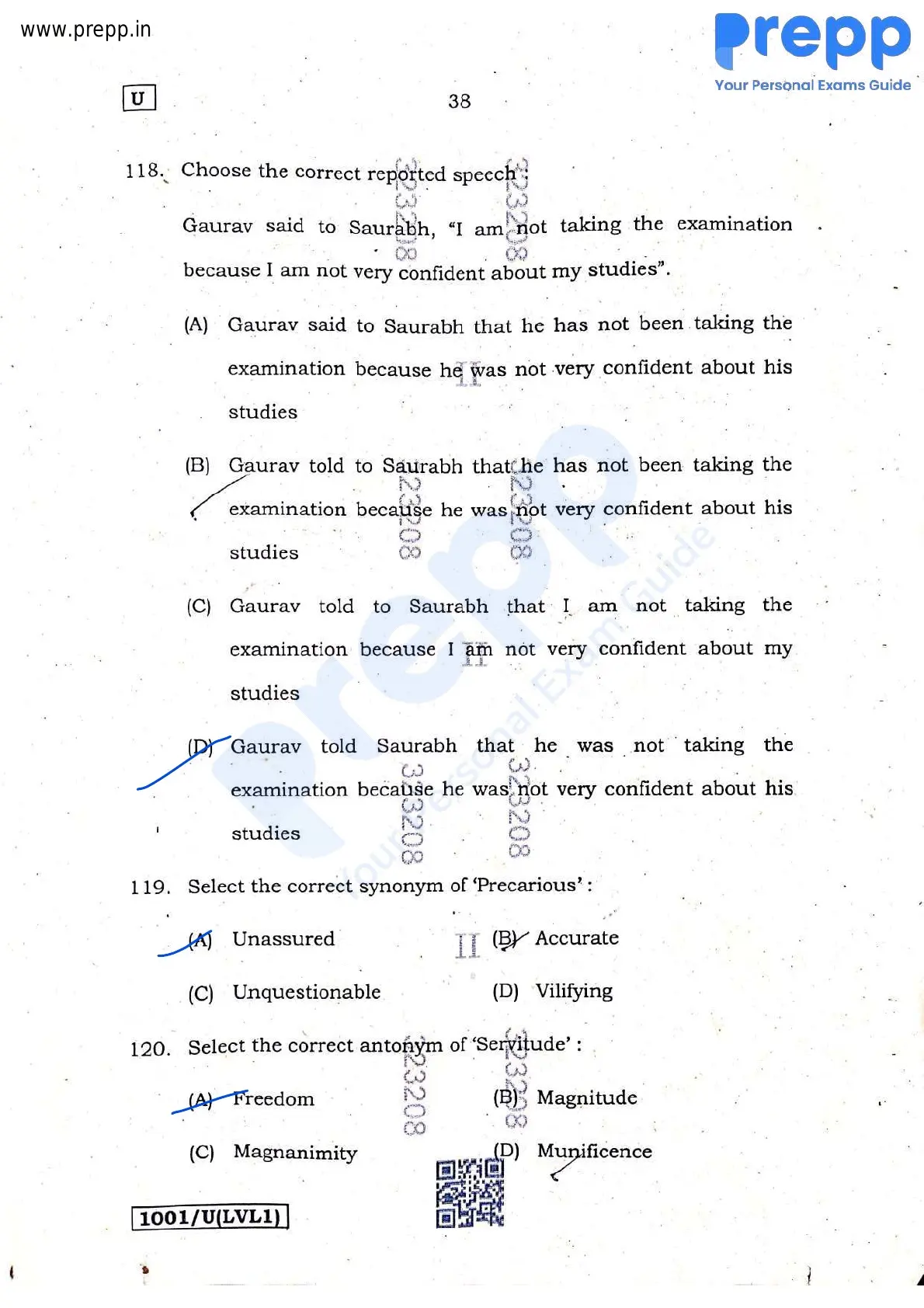
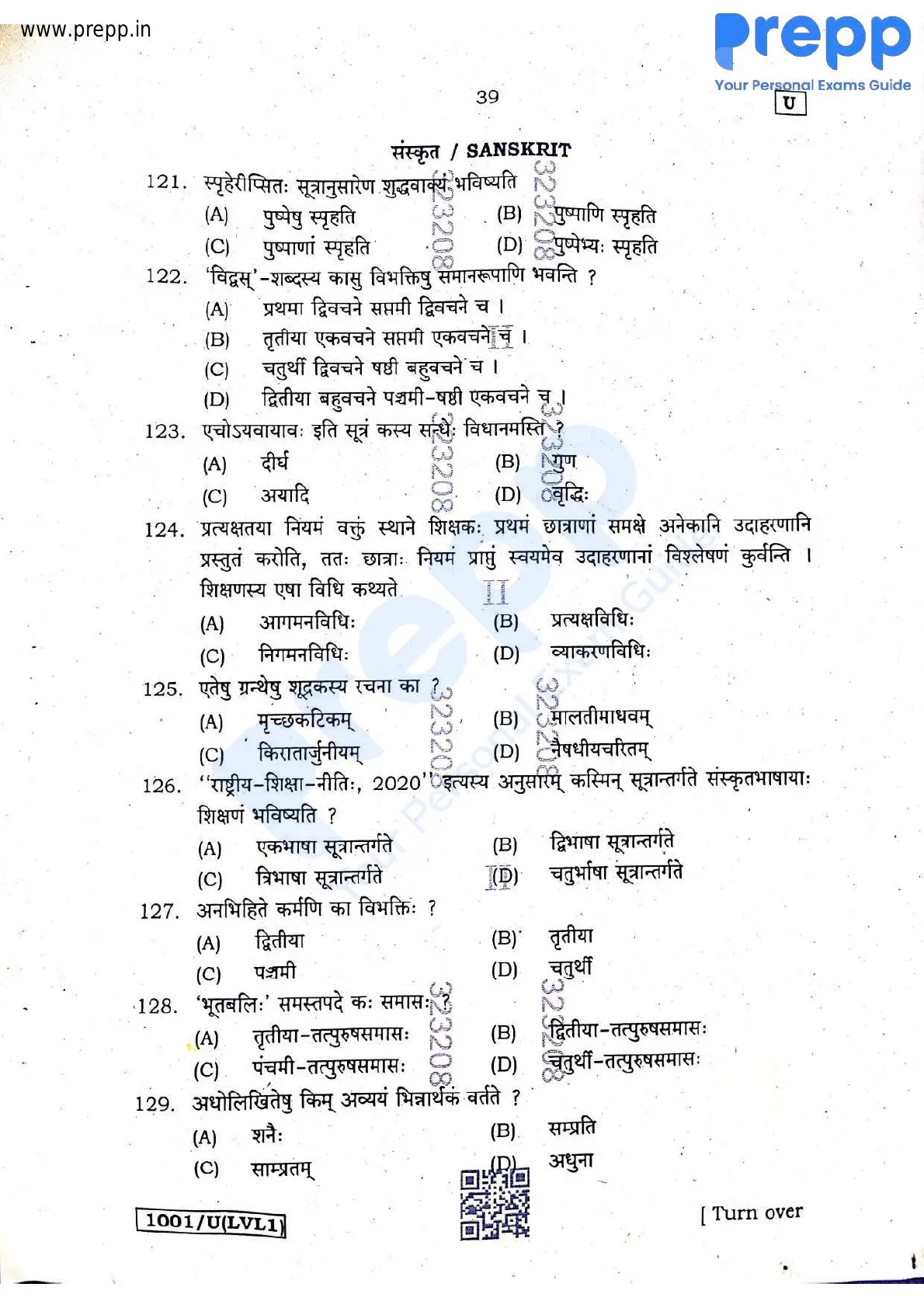
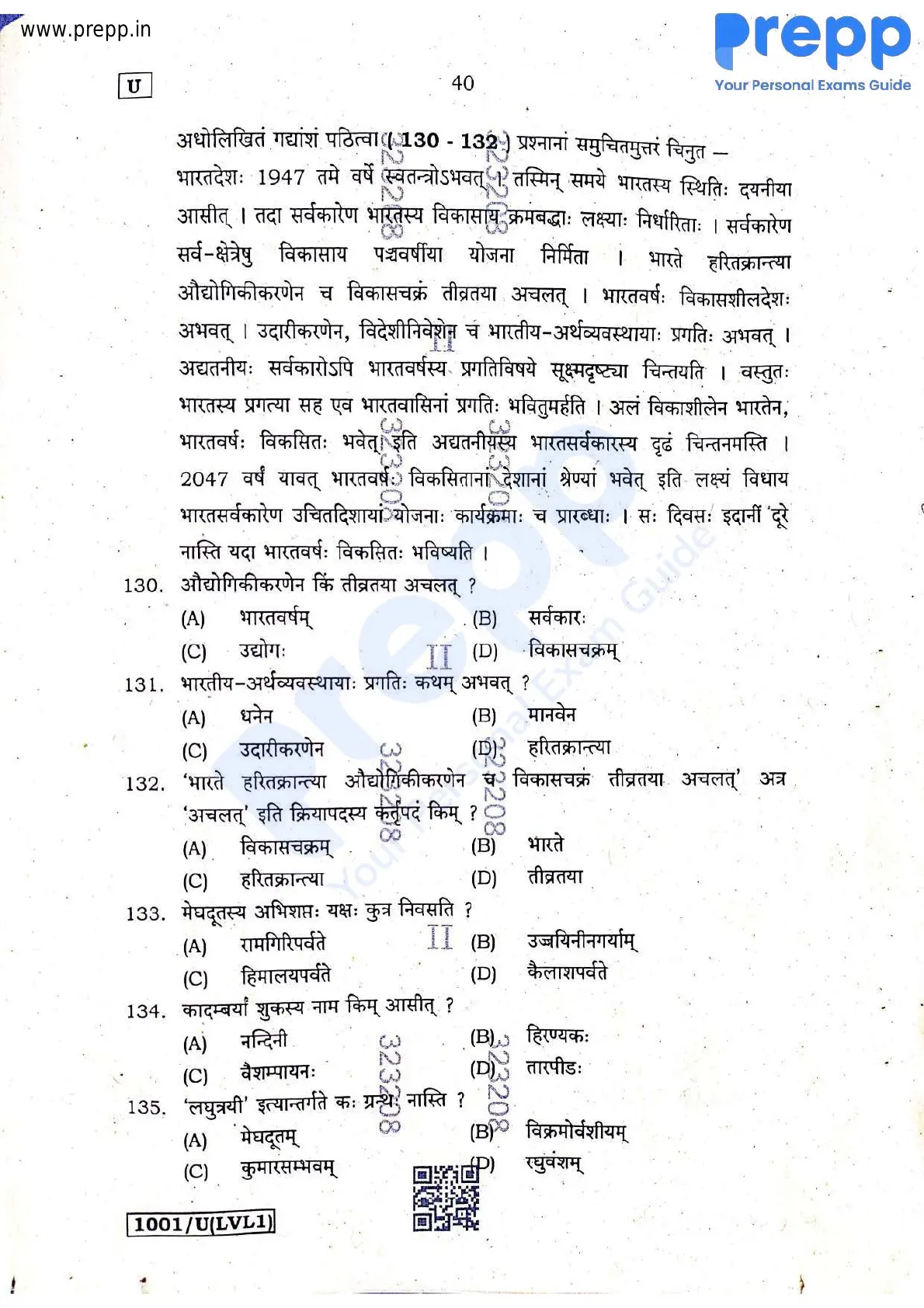
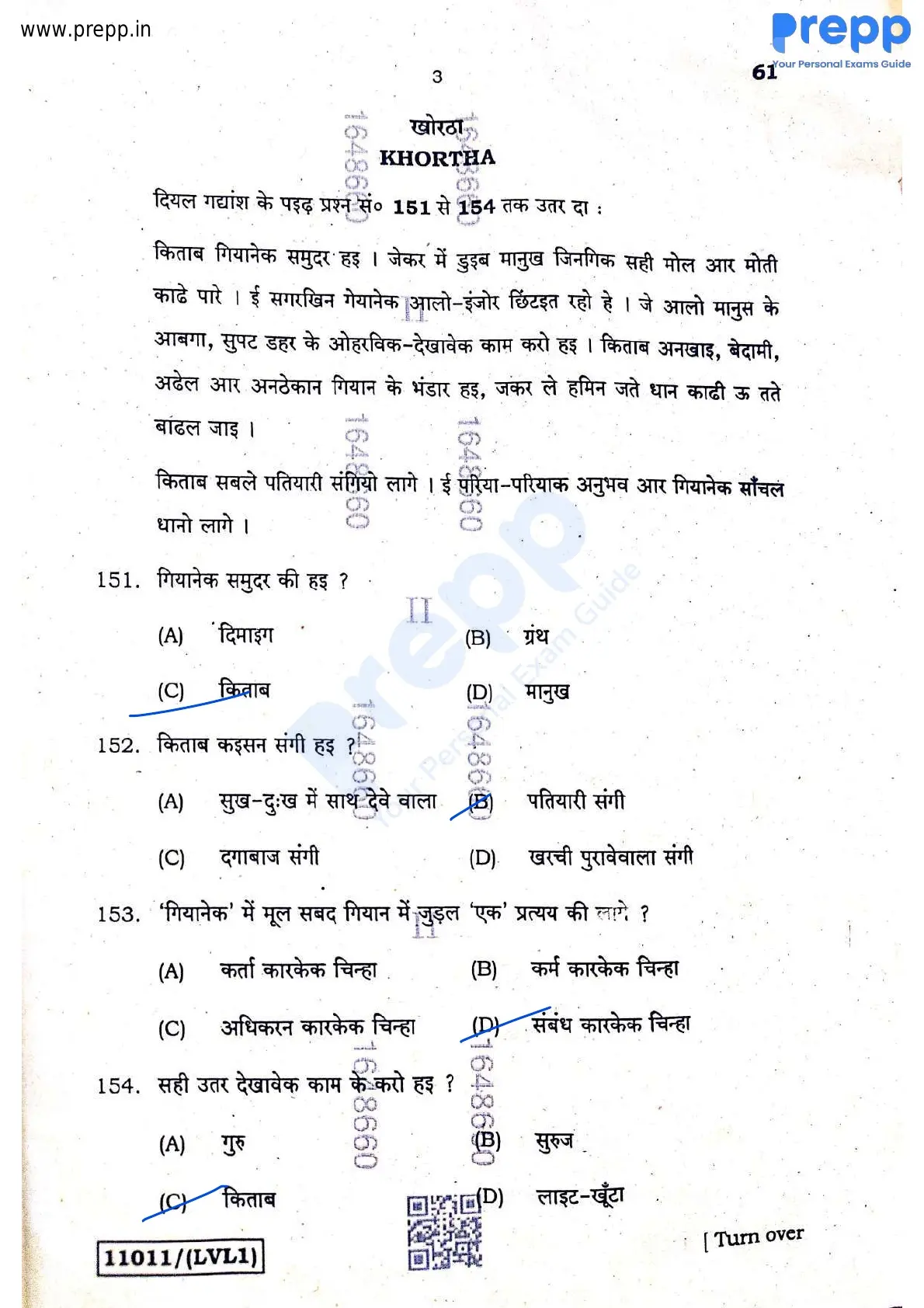
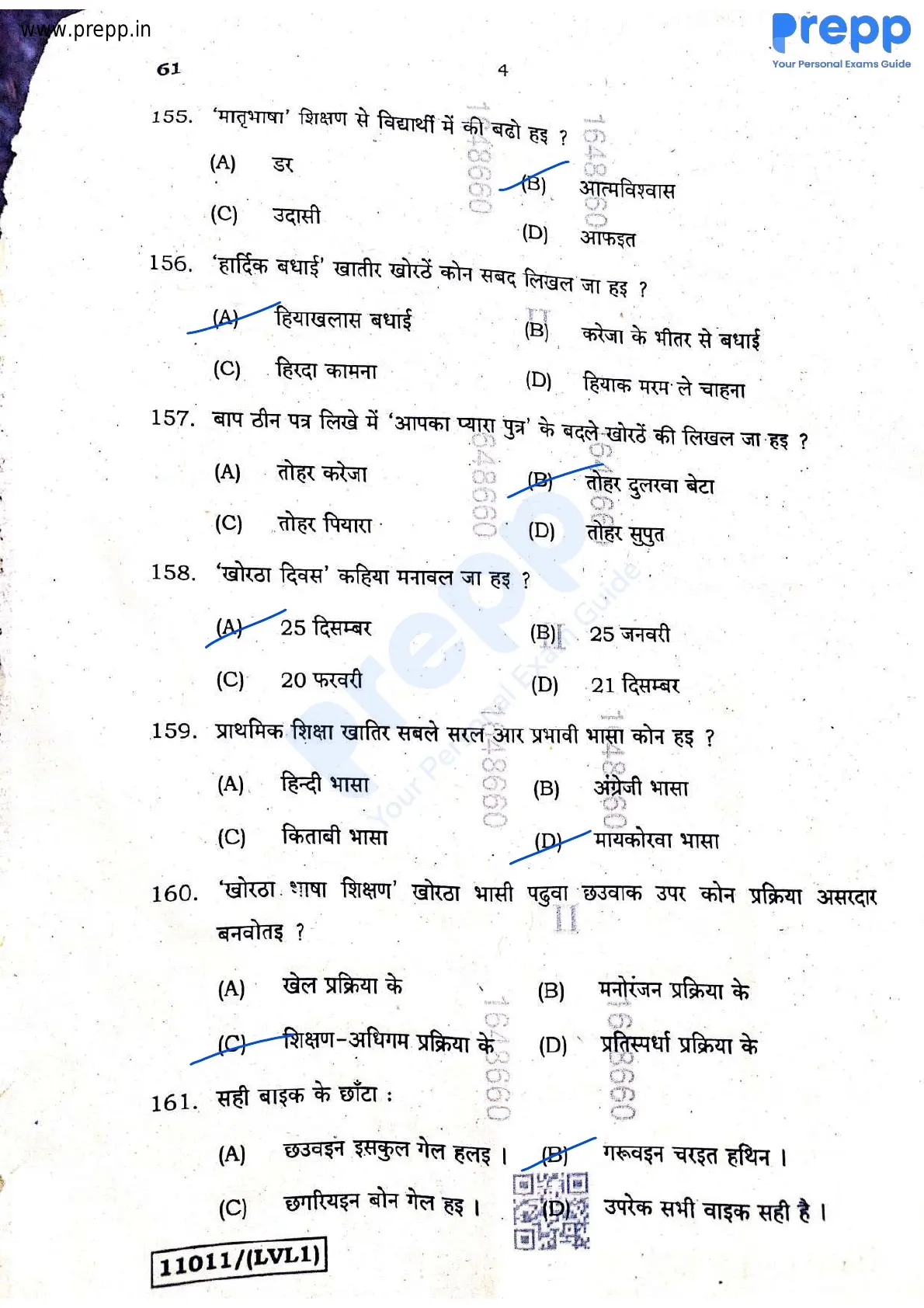
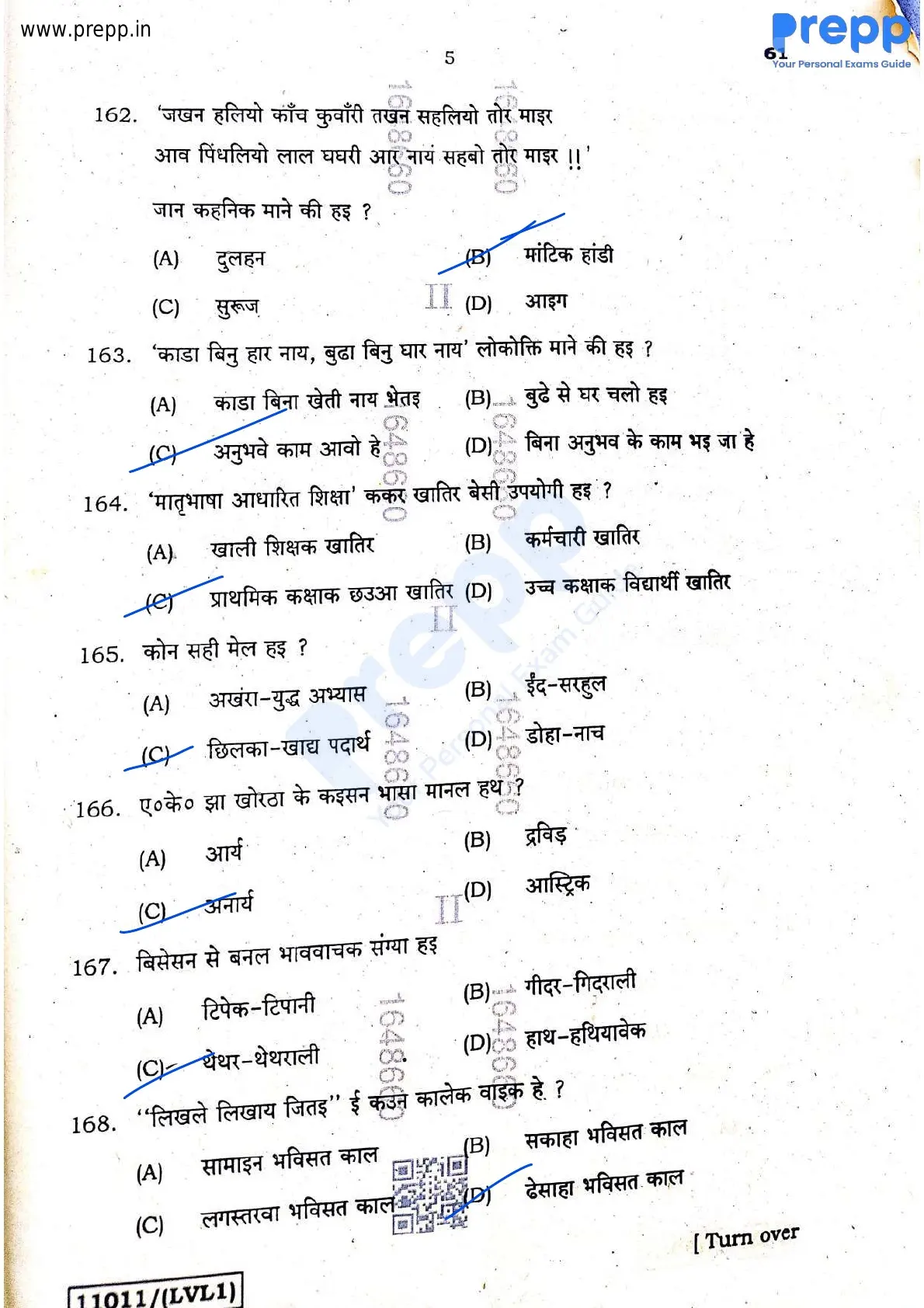
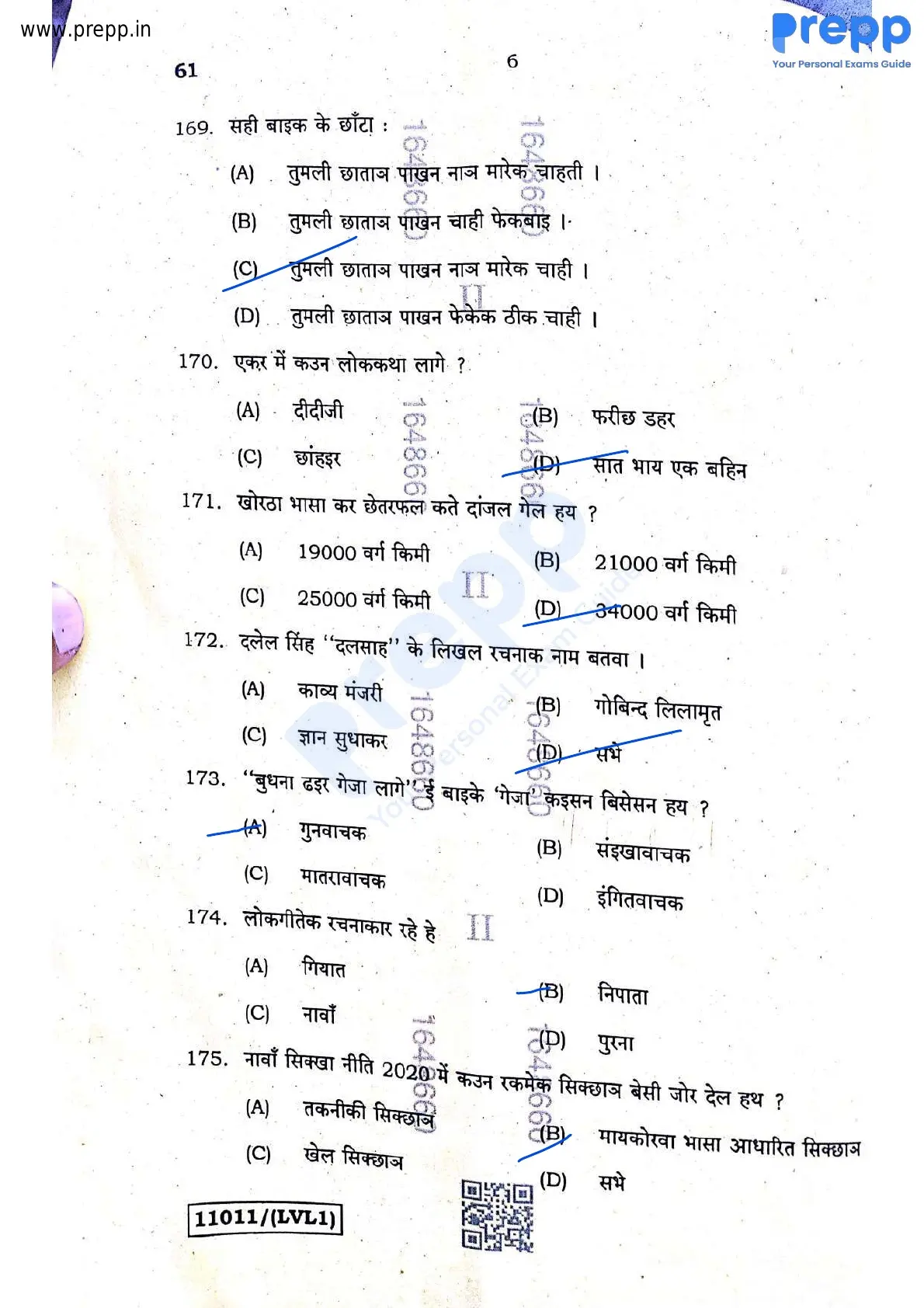
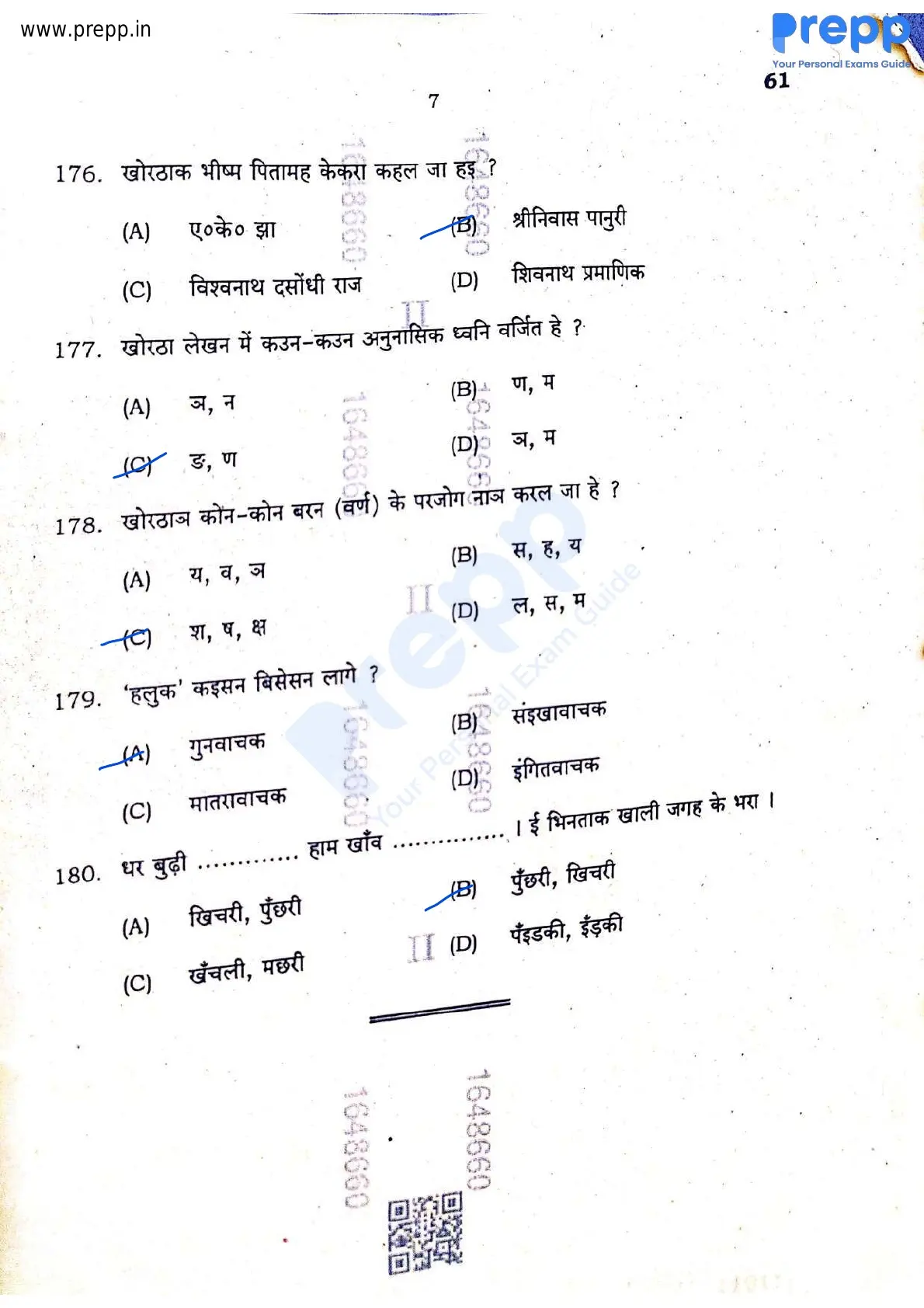
JTET Paper 1 Important Topics 2026
JTET Paper 1 included questions from five subjects covering primary-level teaching concepts, language skills, Mathematics, and Environmental Studies. The important syllabus topics for the November 1, 2026 examination are given below.
| Subject | Important Topics |
|---|---|
| Child Development and Pedagogy | Child Development, Learning Theories, Inclusive Education, Teaching Methods, Assessment and Evaluation |
| Language I | Reading Comprehension, Grammar, Vocabulary, Language Teaching Methods, Language Development |
| Language II | Unseen Passages, Grammar, Communication Skills, Language Learning, Language Pedagogy |
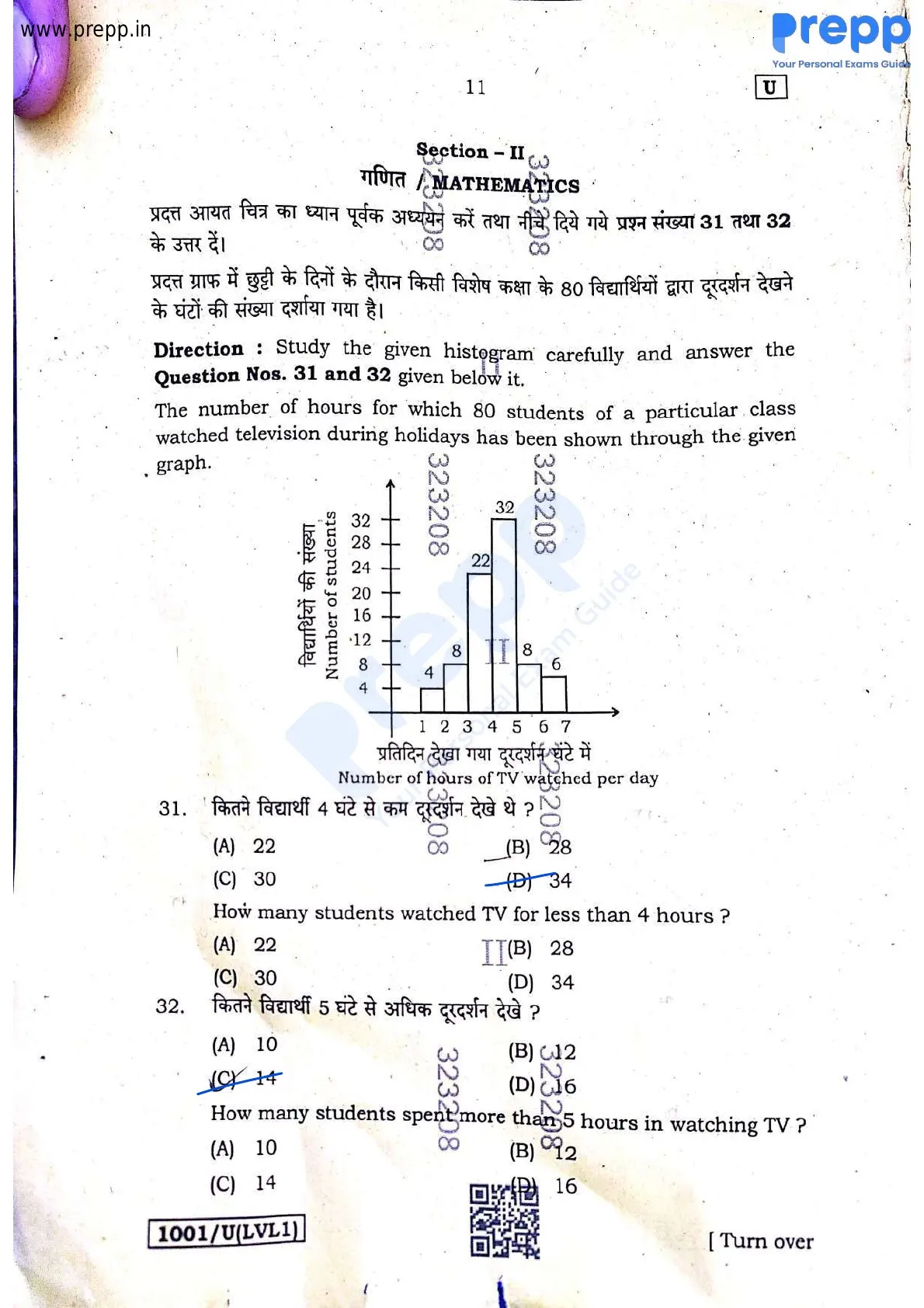
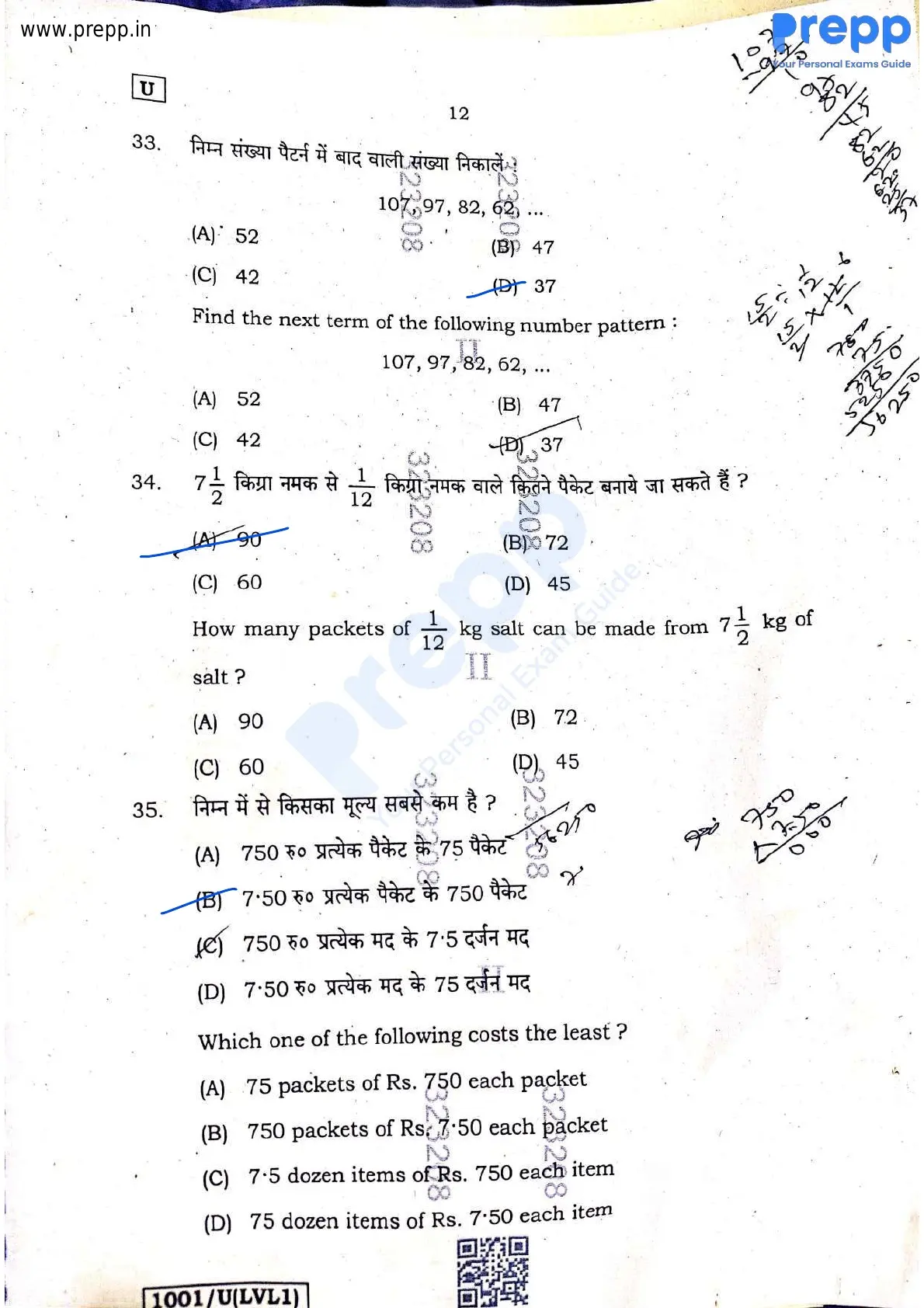
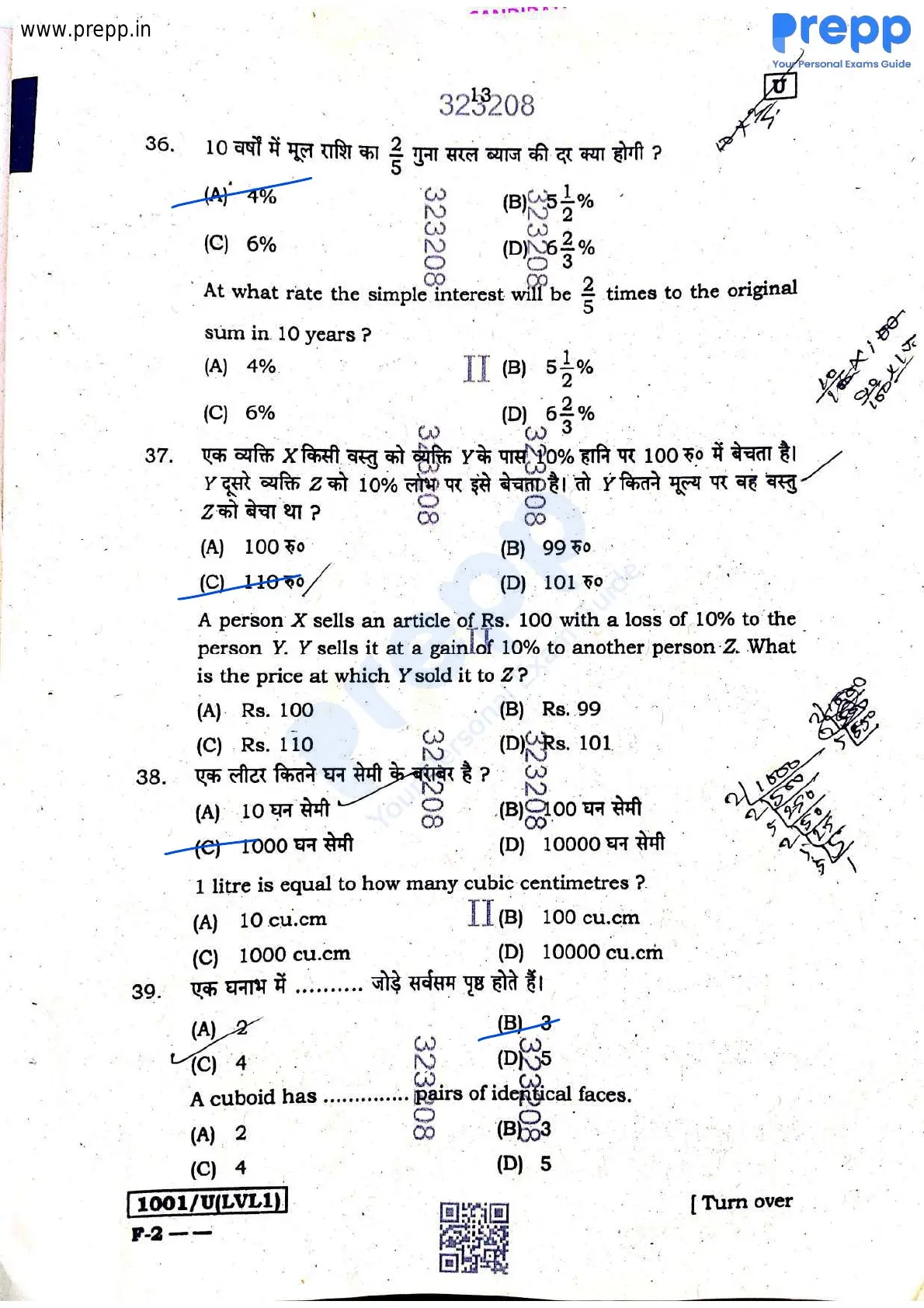
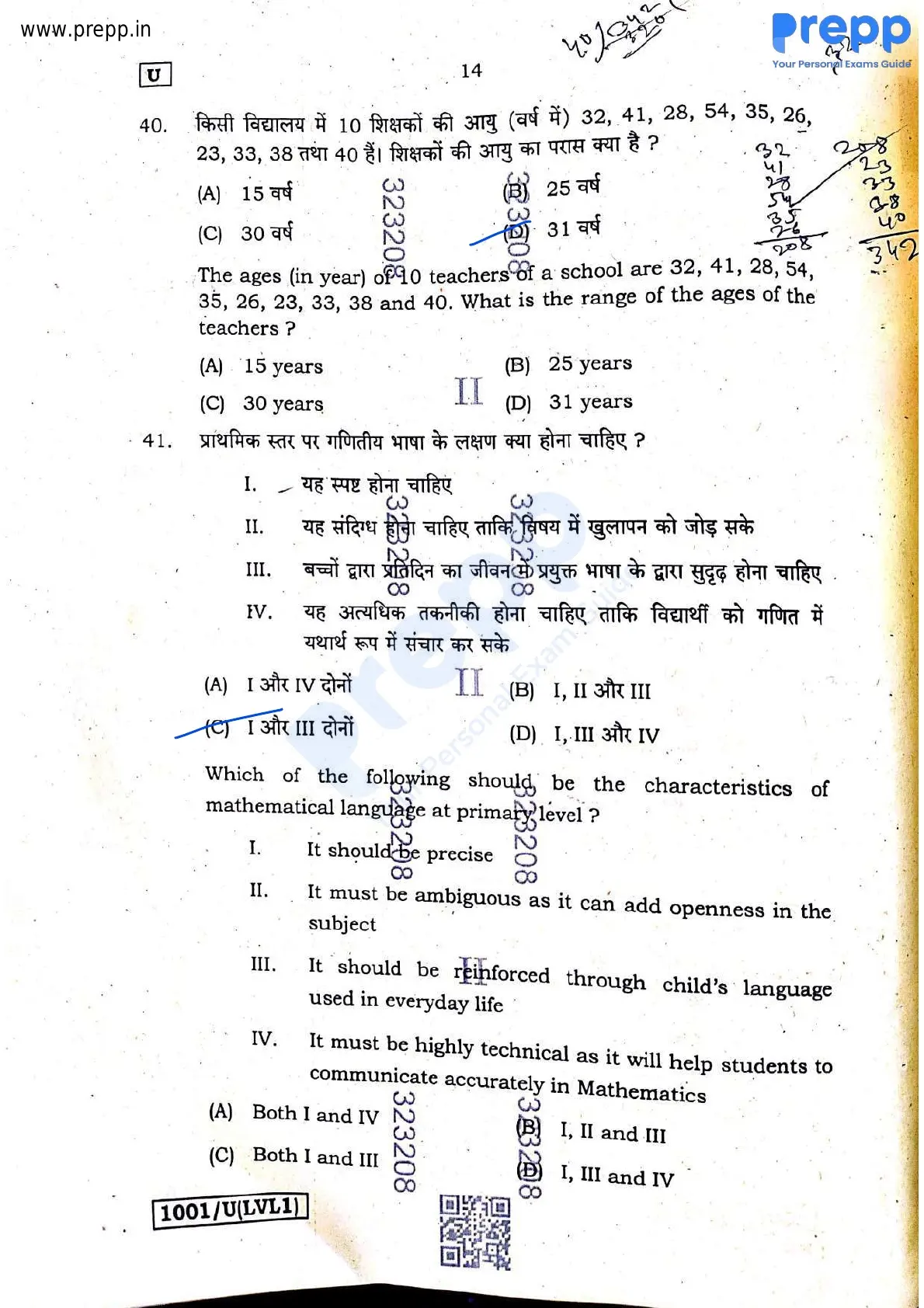
| Mathematics | Number System, Fractions, Geometry, Measurement, Data Handling, Mathematics Pedagogy |
| Environmental Studies | Family and Friends, Food, Water, Plants, Animals, Environmental Awareness, EVS Pedagogy |
JTET Paper 1 Exam Pattern 2026
JTET Paper 1 was conducted in offline mode using an OMR sheet. Candidates were given 2 hours and 30 minutes to attempt 150 objective-type questions. Each question carried one mark, and there was no negative marking for incorrect answers.
| Subject | Number of Questions | Maximum Marks |
|---|---|---|
| Child Development and Pedagogy | 30 | 30 |
| Language I | 30 | 30 |
| Language II | 30 | 30 |
| Mathematics | 30 | 30 |
| Environmental Studies | 30 | 30 |
| Total | 150 | 150 |
 Never Miss a Sarkari Job Alert! Get instant notifications and exam news right inside your chat.
 Click here to join Prepp on WhatsApp
 Boost Your Preparation with Free Resources! Get daily quizzes, current affairs PDFs, and study notes directly on Telegram. Click here to join Prepp on Telegram
| Relevant Links | ||
|---|---|---|
| JTET Exam Pattern | JTET Syllabus | JTET Result |
| JTET Admit Card | JTET Application Process | JTET Eligibility |
JTET Paper 1 Question Paper 2026 FAQs
Ques: How many questions from Child Development and Pedagogy were asked in JTET Paper 1 2026?
Ans: The Child Development and Pedagogy section contained 30 multiple-choice questions carrying 30 marks. Questions covered child psychology, learning theories, inclusive education, and teaching methods.
Ques: Will the JTET Paper 1 Answer Key 2026 be released separately from the question paper?
Ans: The official answer key may be released separately by the examination authority. Candidates can use available answer keys after the examination for an initial score estimate and verify their answers against the official key when released.
Ques: How can candidates calculate their scores using the JTET Paper 1 Answer Key 2026?
Ans: Candidates can compare their responses with the answer key and award one mark for every correct answer. With 150 questions carrying 150 marks, the total number of correct answers gives the expected score when no negative marking applies.
Download the PREPP App and attempt FREE JTET Mock Tests and get complete study material!


Comments