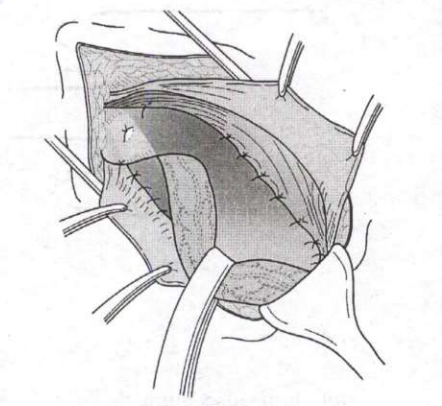
A 34-year-old medical student has fever, chest pain, severe breathlessness, and dry cough. Chest X-ray shows right homogeneous opacity. Ultrasound lung confirms massive pleural effusion on the right side. Which of the following statements are correct? 1. A therapeutic pleural tap should be done to relieve dyspnoea and sent for analysis. 2. If pleural fluid analysis is inconclusive, a thoracoscopy may be done. 3. Thoracoscopy should be done under general anesthesia. Select the correct answer using the code given below:
1 and 2 only
A large symptomatic effusion warrants therapeutic thoracocentesis for both symptom relief and diagnostic fluid analysis (statement 1 correct). If the pleural fluid analysis is inconclusive, medical/video-assisted thoracoscopy with pleural biopsy is the next step (statement 2 correct). However, thoracoscopy is usually performed under local anesthesia with sedation, not general anesthesia (statement 3 incorrect). Hence statements 1 and 2 only are correct.
Similar Questions
A 50-year-old male working in a stone industry presents with breathlessness and cough. CT Chest shows calcified mediastinal lymph nodes and pulmonary nodules. He is diagnosed with silicosis. Which of the following statements are correct?
1. Silicosis typically involves lower lobes of the lung.
2. The patient is at a higher risk of developing pulmonary tuberculosis.
3. Pulmonary fibrosis after occupational exposure to silica is dose-dependent.
Select the correct answer using the code given below:
Important Questions from Tuberculosis
- For Acid Fast Bacilli (AFB) to be detected in sputum by the direct microscopy, the bacillary burden in sputum typically is:
A 65-year old man, on Warfarin treatment, is started on antitubercular treatment. The pharmacologic effect of Warfarin is likely to:
- The Gene X-pert test used for MTB detection has the additional advantage of detection of which of the following?
- Recommended first time drug for initial treatment of tuberculosis include all EXCEPT:
The most frequent adverse reaction of significance among people treated for drug-susceptible tuberculosis is: