The classical presentation of an acute embolic occlusion in a limb includes all of the following, except
purple discoloration
The correct answer (the exception) is purple discoloration. Acute embolic limb occlusion, most often from atrial fibrillation with the embolus lodging at the common femoral bifurcation, classically gives the 6 Ps: Pain, Pallor, Pulselessness, Paraesthesia, Paralysis and Perishing cold (poikilothermia). The capillary bed empties abruptly, so the limb is marble-white, not purple. Fixed, non-blanching purple mottling means stagnant deoxygenated blood in thrombosed capillaries, that is irreversible ischaemia and impending gangrene, a late sign rather than the classical presentation.
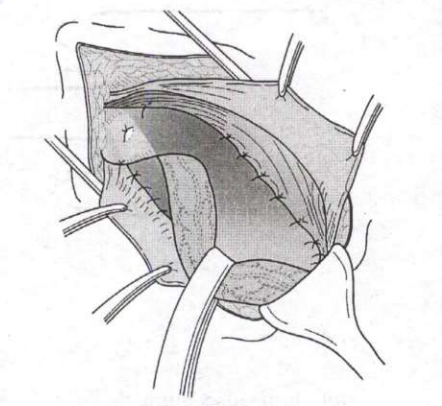
Pain is sudden, severe and instantaneous in embolism. Pulselessness distal to the block is the key objective sign and localises the occlusion. Paralysis reflects ischaemic muscle and motor nerve and, with sensory loss, marks a threatened limb (Rutherford IIb) needing heparinisation and emergency Fogarty embolectomy within the 6 hour golden period.
Key point: Learn the 6 Ps with pallor, not purple; non-blanching purple mottling signals an already irreversibly ischaemic limb that may need primary amputation.
Important Questions from Blood Vessels
Consider the following statements regarding claudication:
1. It is a marker for silent coronary disease
2. Structured exercise program ( 2 hours per week for 3 months) leads to improvement in symptoms
3. Diabetes mellitus increases the risk and severity of claudication
4. Beta blockers may exacerbate claudication
Which of the above statements are correct?- Indications for carotid endarterectomy in symptomatic patients are all of the following EXCEPT:
- A policeman of 45 years presented with Lipodermatosclerosis over lower medial aspect of left leg, along with a healed venous ulcer. As per the CEAP (Clinical-etiology-anatomy-pathophysiology) classification his clinical classification will be:
- A 48-year-old smoker presents to the OPD with complaints of cramping pain in both the calves on walking to about 100-150 metres. The pain is relieved on taking rest for about 2-3 minutes and the patient is able to walk for some more distance again before the pain appears. This presentation is suggestive of
- Which of the following statements are correct regarding Buerger's disease?
1. It involves small to medium arteries.
2. It is common in smokers.
3. It commonly involves lower limb vessels.
4. Cessation of smoking reverses the disease process.
Select the correct answer using the code given below.