
Sampling Methods: Probability vs Non-Probability
Understanding different sampling methods is crucial in research. Samples are selected from a larger population to make inferences about that population. Sampling methods are broadly categorized into two types: probability sampling and non-probability sampling.
Non-Probability Sampling Explained
In non-probability sampling, the selection of participants is not based on random chance. Instead, it relies on the researcher's judgment or convenience. This means that not every individual in the population has an equal opportunity to be included in the sample.
- Judgement sampling: The researcher uses their expertise and judgment to select participants who they believe are most representative of the population for the study's purpose.
- Convenience sampling: Participants are selected based simply on their availability and ease of access. This is often the quickest and least expensive method.
- Purposive sampling: Similar to judgement sampling, the researcher selects participants based on specific characteristics or criteria relevant to the research question. The goal is to pick individuals who possess certain attributes.
Probability Sampling Explained
In contrast, probability sampling involves random selection. Every member of the population has a known, non-zero chance of being selected. This method is preferred when the goal is to generalize findings to the broader population.
- Multistage sampling: This is a type of probability sampling. It involves breaking down the population into smaller groups (stages) and then randomly selecting participants from these subgroups. For example, a researcher might first randomly select districts, then randomly select villages within those districts, and finally randomly select households within those villages.
Identifying the Correct Sampling Method
The question asks to identify the method that is NOT a non-probability sampling technique. Based on the definitions above:
- Judgement sampling is non-probability.
- Convenience sampling is non-probability.
- Purposive sampling is non-probability.
- Multistage sampling is a probability sampling method.
Therefore, multistage sampling is the correct answer as it relies on random selection, unlike the other options provided.
Important Questions from Sampling Techniques - Teaching
Homogenous subsets in the sampling are called
Match the LIST-I with LIST-II
LIST-I
Sampling frame
(Circles denotes unit selected)LIST-II
Sampling ProcedureA.
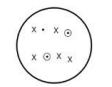
I. Systematic Sampling B.
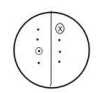
II. Cluster Sampling C.

III. Simple Random Sampling D.

IV. Stratified Random Sampling
Choose the correct answer from the options given below:- To select an unbiased sample in statistical sense we need to make sure each unit has an ______ and ______ chance of selection.
- Theoretical sampling is used when.
A. Extension of the basic population is not known in advance
B. Features of the basic population are not known in advance
C. Sample Size is not defined in advance
D. Repeated drawing of sampling elements with criteria to be defined again in each step
E. Sampling is finished when the whole sample has been studied
Choose the correct answer from the options given below: - The sampling frame from which sample is to be drawn is known as _________


