From the given option figures, select the one in which the question figure is hidden/embedded. (rotation is NOT allowed)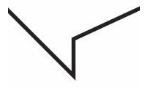
The question figure has three parts in the same orientation: a line slanting down to the right, a short vertical line going up from its lower end, and a longer line slanting up to the right from the top of that vertical line.
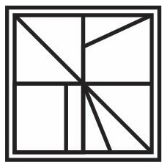
In the matching option figure, the diagonal from the top-left corner runs down to the centre, the middle vertical line rises from the centre, and a slanting line goes from that vertical line up to the top-right corner.
These three lines trace the question figure exactly without rotation; the other figures do not contain this shape.
Hence, the figure in which a diagonal from the top-left corner meets the centre, a vertical line rises from it and a slanting line runs to the top-right corner.
Similar Questions
Select the option figure in which the question figure is hidden/embedded.
Question Figure:
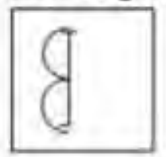
Select the option figure in which the question figure is hidden/embedded.
Question figure:

Select the option figure in which the question figure is hidden/embedded.
Question figure:

Select the option figure in which the question figure is hidden/embedded.

Select the option figure in which the question figure is hidden/embedded.

Select the option figure in which the given figure is hidden / embedded

Select the option figure in which the question figure is hidden / embedded.
Question Figure:

Select the option in which the figure marked ‘X’ is embedded.

Select the option in which the given figure is embedded.
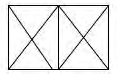
Select the option in which the given figure is embedded.

Important Questions from Hidden Image
Select the option in which the given figure is embedded (rotation is NOT allowed).

Select the option in which the given figure is embedded (rotation of the figure is not allowed).

Select the option in which the given figure is embedded.

Select the option in which the given figure (x) is embedded (Rotation is NOT allowed).

Select the option in which the given figure is embedded (rotation is NOT allowed).