
Question
Weep hole is a term used to describe
The correct answer is
Holes in retaining wall for draining water
Weep Hole: Definition and Purpose
A weep hole is a term used in construction, particularly for structures that hold back soil or water, like retaining walls.
Its primary function is to allow accumulated water to drain out, preventing pressure buildup behind the structure.
Analyzing the Options for Weep Hole
Let's examine each option in the context of the definition:
- Option 1: Perforations in cast iron pipe for boring. Weep holes are not typically associated with cast iron pipes or boring operations.
- Option 2: Holes in retaining wall for draining water. This aligns perfectly with the definition. Weep holes in a retaining wall allow subsurface water to escape, relieving hydrostatic pressure and preventing structural damage.
- Option 3: Holes in the cover plate of floor traps. While floor traps have openings, they serve different plumbing functions and are not termed weep holes in the structural engineering sense.
- Option 4: Holes dug in earth to recharge ground water. This describes a different process (groundwater recharge) which involves allowing water into the ground, whereas weep holes allow water to escape from behind a structure.
Therefore, the correct description of a weep hole is related to drainage in structures like retaining walls.
Conclusion
Based on the analysis, the term weep hole specifically refers to holes in retaining wall for draining water.
Was this answer helpful?
Important Questions from Building Construction Techniques
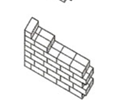
Match the brick masonry bond type in Group I with the corresponding illustration in Group II
Group I Group II (P) Rat Trap (1) 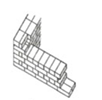
(Q) English (2) 
(R) Flemish (3) 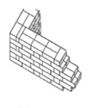
(S) Stretcher (4) 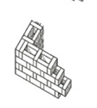
(5) 
- Cold joint' refers to the
- Match the Elements in Group - I with their Applications in Group - II
Group - I Group - II P Bracket 1 Door Q Baluster 2 Dome R Key stone 3 Cornice S Holdfast 4 Arch 5 Staircase - Match the Vibrator Types in Group-I with their related Areas of Application in Group-II
Group-I Group-II P Needle Vibrator 1 Concrete Pavement Q Shutter Vibrator 2 Pre-cast Concrete Unit R Surface Vibrator 3 Beam-Column Junction S Table Vibrator 4 Retaining Wall 5 Slip Forming - Match the type of Temporary Structures in Group - I with their corresponding Functions in Group - II
Group-I Group-II P Scaffolding 1 To support unsafe structure Q Formwork 2 To support platforms for workmen and materials at raised height during construction R Shoring 3 Removal of water from pits S Underpinning 4 Mould for RCC Structure 5 Strengthening the existing foundation
Need Expert Advice?


