
Match the specially shaped bricks in Group-I with their corresponding nomenclature in Group–II. Group-I Group-II (P) 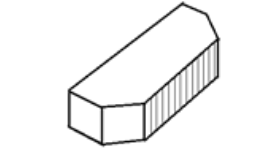
(1) Plinth Header (Q) 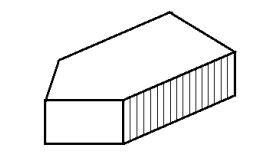
(2) Bird's mouth (R) 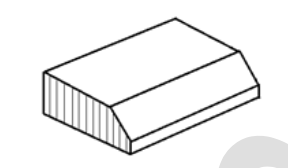
(3) Squint (S) 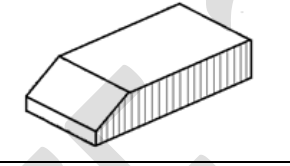
(4) Double cant (5) Plinth stretcher
The problem requires matching specially shaped bricks in Group-I with their corresponding nomenclature in Group-II. Let's go through each option to determine the correct matches:
- Image (P):
- Image (Q):
- Image (R):
- Image (S):
Based on the analysis above, the correct match would be:
- P – 4 (Double cant)
- Q – 3 (Squint)
- R – 5 (Plinth stretcher)
- S – 1 (Plinth Header)
Hence, the correct option is: P – 4, Q – 3, R – 5, S – 1
By correctly identifying the shapes and functionality of each brick type, we ensure compatible usage in construction which is crucial for structural integrity and aesthetic considerations.
Important Questions from Building Construction Techniques
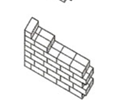
Match the brick masonry bond type in Group I with the corresponding illustration in Group II
Group I Group II (P) Rat Trap (1) 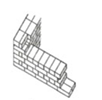
(Q) English (2) 
(R) Flemish (3) 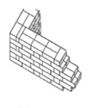
(S) Stretcher (4) 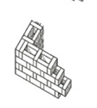
(5) 
- Cold joint' refers to the
- Match the Elements in Group - I with their Applications in Group - II
Group - I Group - II P Bracket 1 Door Q Baluster 2 Dome R Key stone 3 Cornice S Holdfast 4 Arch 5 Staircase - Match the Vibrator Types in Group-I with their related Areas of Application in Group-II
Group-I Group-II P Needle Vibrator 1 Concrete Pavement Q Shutter Vibrator 2 Pre-cast Concrete Unit R Surface Vibrator 3 Beam-Column Junction S Table Vibrator 4 Retaining Wall 5 Slip Forming - Match the type of Temporary Structures in Group - I with their corresponding Functions in Group - II
Group-I Group-II P Scaffolding 1 To support unsafe structure Q Formwork 2 To support platforms for workmen and materials at raised height during construction R Shoring 3 Removal of water from pits S Underpinning 4 Mould for RCC Structure 5 Strengthening the existing foundation


