
Group I Group II P. Mytilus 1. Brachiopoda Q. Planorbis 2. Cephalopoda R. Productus 3. Gastropoda S. Acanthoceras 4. Pelecypoda
Matching Invertebrate Genera to Class/Phylum
This question requires matching specific invertebrate genera from Group I to their correct biological Class or Phylum listed in Group II.
Genus Mytilus Classification
Mytilus is a genus of marine bivalve molluscs, commonly known as mussels. Bivalves belong to the Class Pelecypoda (also known as Bivalvia).
- P. Mytilus → 4. Pelecypoda
Genus Planorbis Classification
Planorbis is a genus of freshwater air-breathing snails. Snails are characterized by a single, typically coiled shell and belong to the Class Gastropoda.
- Q. Planorbis → 3. Gastropoda
Genus Productus Classification
Productus is an extinct genus of articulate brachiopods. Brachiopods are a distinct phylum of marine invertebrates.
- R. Productus → 1. Brachiopoda
Genus Acanthoceras Classification
Acanthoceras is an extinct genus of ammonites, which were a group of marine molluscs. Ammonites are classified within the subclass Ammonoidea, belonging to the Class Cephalopoda.
- S. Acanthoceras → 2. Cephalopoda
Final Matching Summary
Based on the individual classifications:
- P matches with 4 (Pelecypoda)
- Q matches with 3 (Gastropoda)
- R matches with 1 (Brachiopoda)
- S matches with 2 (Cephalopoda)
Therefore, the correct matching is P-4, Q-3, R-1, S-2.
Important Questions from Paleobiology (Taxonomy, Morphology of Invertebrates)
- Which of the following is/are diagnostic morphological feature(s) of brachiopods?
Based on the three statements given below, choose the CORRECT option.
Statement I: Echinoids have water vascular system.
Statement II: Delthyrium and pedicle foramen are found in the brachial valve of brachiopods.
Statement III: Cardinal teeth, adductor muscles and chondrophore are found in bivalves.- Given below are pairs of "living fossils". Which one of the following is a brachiopod-mollusc pair?
- Match the features (Group I) with the corresponding invertebrate genera (Group II).
Group I Group II P. Cardinal Fossula 1. Calymene Q. Chrondrophore 2. Rhynchonella R. Lophophore 3. Zaphrentis S. Glabella 4. Mya Match the following patterns (listed in Group I) with their appropriate Cephalopod sutures (listed in Group II). Arrow gives the direction of aperture.
Group I Group II P. 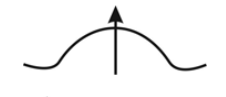
1. Ceratitic Q. 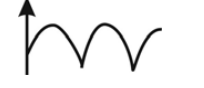
2. Nautilitic R. 
3. Goniatitic S. 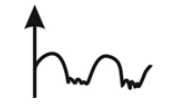
4. Orthoceratitic


